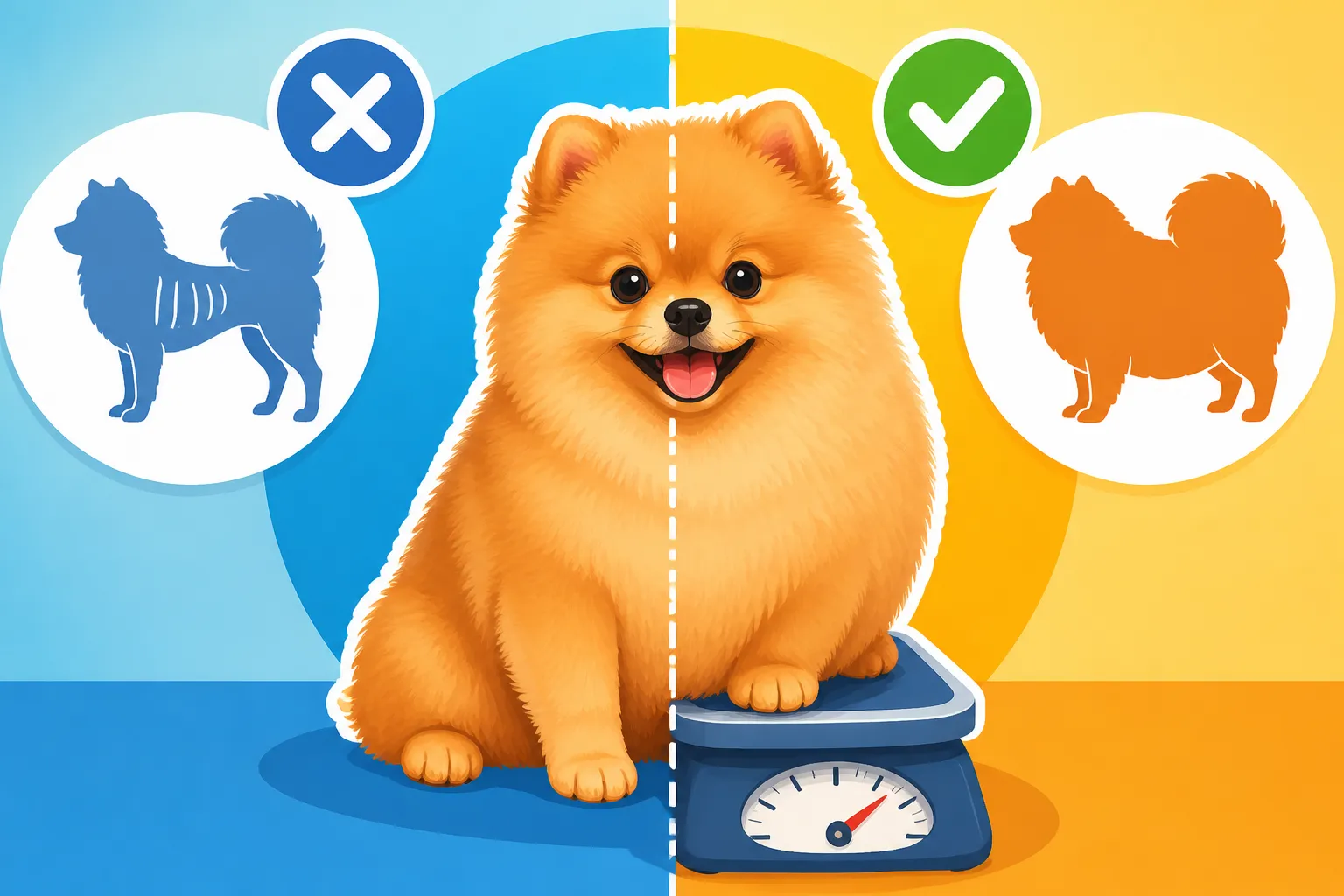
Whether a Pomeranian Puppy Is Heavier Than It Should Be
It's completely normal to worry about your tiny Pomeranian puppy's growth, especially when they seem to be packing on the pounds faster than you anticipated. You might look at your fluffy little friend and wonder if they're developing just right, or if perhaps they're getting a bit too plump for their small frame. This guide is here to help you understand what healthy growth looks like for a Pomeranian puppy, how to assess their weight accurately, and when it might be time to chat with your vet.
Understanding Healthy Pomeranian Puppy Growth
Raising a Pomeranian puppy is such a joy, but it can also come with a lot of questions, particularly when it comes to their size and development. These little bundles of fluff have specific growth patterns, and sometimes what looks "heavy" to an inexperienced eye might actually be perfectly normal, or it could be a sign of something that needs a little adjustment.
The Standard Weight Range for Pomeranian Puppies
When you first bring home a Pomeranian puppy, especially one at eight to twelve weeks, they're often still quite small, perhaps just a pound or two. It's during these early months that they experience their most rapid growth. Generally, a healthy adult Pomeranian typically weighs anywhere from three to seven pounds. While a puppy won't be in this range immediately, they should be steadily progressing towards it.
It's important to remember that these are just general guidelines. A puppy's weight can fluctuate a bit depending on their lineage – did their parents lean towards the smaller or slightly larger end of the breed standard? You'll notice growth spurts and plateaus. One week your puppy might seem to balloon, and the next they might stay the same size for a bit. This is all part of their unique development. Don't fall into the trap of obsessing over a precise number on the scale every single day; instead, focus on consistent, healthy gains and their overall body condition, which we'll discuss more later. You might be interested in The Three to Seven Pounds a Pomeranian Should Hold as an adult.
Factors Influencing Puppy Weight
Several elements play a significant role in how much your Pomeranian puppy weighs and how they carry that weight. It's not just about how much food you put in their bowl, although that's certainly a big piece of the puzzle!
First, genetics are huge. Just like people, puppies inherit traits from their parents, including their potential adult size and growth rate. If both parents were on the larger side of the Pomeranian standard, your puppy might naturally be a bit bigger throughout their development. Reputable breeders often provide information on the parents' weights, which can offer a good estimation.
Second, the size of the litter can impact individual puppy weights. Puppies from smaller litters sometimes grow larger because they have less competition for nutrients in utero and during early nursing. Conversely, a very large litter might produce slightly smaller individuals initially, though they often catch up with proper care.
Finally, nutrition and feeding practices are paramount. Overfeeding a puppy, even with the best intentions, can lead to excessive weight gain. Puppies need nutrient-dense food to support their rapid growth, but too much of a good thing can quickly become problematic. Equally, underfeeding can stunt growth. It's a delicate balance to strike, ensuring they get enough calories and nutrients without overdoing it. A consistent, measured approach to feeding is essential.
How to Assess Your Pomeranian Puppy's Weight
Stepping on a scale is one way to track weight, but it doesn't tell the whole story, especially for a breed as fluffy as a Pomeranian. Their thick double coat can hide a lot, making it hard to see if they're gaining too much or too little. That's where a keen eye and a gentle touch come in.
The Importance of a Body Condition Score (BCS)
Instead of solely relying on the number on the scale, veterinarians often use something called a Body Condition Score (BCS). This is a much more accurate way to assess if your puppy is at a healthy weight, regardless of their specific size or breed. It involves feeling their body and observing their shape, giving you a better picture than just seeing the fluff.
To perform a basic BCS check at home, gently run your hands along your puppy's sides. You should be able to feel their ribs without pressing too hard, almost like feeling the back of your hand. If you have to dig to find them, your puppy might be carrying too much weight. If they're visible and feel sharp, they might be too thin. Next, look at your puppy from above: you should see a discernible waist tucking in slightly behind their ribs. From the side, their abdomen should tuck up, not hang low. A healthy Pomeranian puppy will have a well-proportioned body, not resembling a little furry sausage or a bony bird. This hands-on approach helps you get past that gorgeous coat to the actual condition underneath.
When to Be Concerned About Weight Gain
While a little puppy plumpness is adorable, significant or rapid weight gain can be a red flag. If your Pomeranian puppy seems to be gaining weight disproportionately to their frame, or if their body condition score is consistently veering into the "overweight" category, it’s time to pay close attention.
Signs that your puppy might be heavier than they should be include a noticeable lack of a waist, difficulty feeling their ribs, or a belly that sags rather than tucks. You might also observe changes in their behavior: reluctance to play as much, easily tiring during walks, or struggling to jump onto low furniture. For a small breed like a Pomeranian, carrying extra weight puts undue stress on their developing joints and can even exacerbate conditions like a collapsing trachea later in life. Imagine a tiny, delicate structure trying to support more than it's designed for; it's a recipe for long-term health issues. Early intervention is key to preventing these problems from becoming chronic. An overweight puppy can turn into an overweight adult, which can lead to serious respiratory issues, such as Why an Overweight Pomeranian Struggles to Breathe.
Practical Steps for Managing Your Puppy's Weight
Taking proactive steps to manage your Pomeranian puppy's weight is one of the best things you can do for their long-term health and happiness. It’s about creating a balanced lifestyle with appropriate nutrition and plenty of exercise, tailored specifically for a small, growing breed.
Proper Feeding for a Growing Pomeranian
Feeding your Pomeranian puppy isn't just about throwing food in a bowl; it's about providing the right nutrition in the right amounts. Puppy-specific formulas are crucial because they contain the higher protein, fat, and specific nutrient ratios needed for growth. Look for small-breed puppy kibble, as the kibble size is also important for their tiny mouths and teeth.
Portion control is absolutely vital. Don't free-feed your puppy, meaning don't leave food out all day. Instead, measure out their meals carefully based on the recommendations on the food bag for their age and expected adult weight, and then adjust based on their body condition score. It’s always better to slightly underfeed and add a bit more if they seem too thin, than to overfeed and have to cut back. Many owners find feeding three to four small meals a day works best for young puppies, helping to stabilize their blood sugar and prevent them from getting too hungry. Feeding a Pomeranian Puppy Often Enough to Stay Safe is important. Some owners opt for fresh food options, like those from Ollie, which come with pre-portioned meals tailored to your dog's specific needs, removing some of the guesswork. Others prefer high-quality kibble brands readily available at retailers like Chewy, ensuring a diverse range of choices. Always use a proper measuring cup, not just an arbitrary scoop, to ensure consistency.
The Role of Exercise and Play
Even though Pomeranians are small, they are active little dogs that need regular exercise to maintain a healthy weight and mental well-being. For a puppy, this means age-appropriate activities that stimulate them without overstressing their developing bodies. Short, frequent play sessions are far better than one long, strenuous outing.
Think about gentle games like fetch with a soft toy indoors, supervised playtime in a secure backyard, or short walks on a harness (not a collar, due to their delicate tracheas). Avoid high-impact activities like excessive jumping or long hikes until their growth plates have closed, usually around 8-12 months, to protect their joints. Remember, their little legs and hearts can only handle so much. Mental stimulation, through puzzle toys or training sessions, also expends energy and prevents boredom, which can sometimes lead to excessive eating or destructive behaviors. Even simple games found on retailers like Amazon can provide hours of enrichment.
Regular Vet Check-ups and Professional Guidance
Perhaps the most important step in managing your Pomeranian puppy's weight is establishing a good relationship with your veterinarian. They are your best resource for personalized advice. During regular check-ups, your vet will weigh your puppy, assess their body condition score, and monitor their overall growth trajectory.
Don't hesitate to bring up any concerns you have about your puppy's weight, diet, or exercise routine. Your vet can help you calculate the precise caloric needs for your growing puppy, recommend specific food brands, and rule out any underlying health issues that might be affecting their weight. They can also advise on safe exercise levels as your puppy grows. Think of your vet as your partner in your puppy's health journey. Regular preventative care and open communication are priceless. The general guide The Checkup Schedule a Pomeranian Should Keep offers more insights into routine veterinary visits.
Common Misconceptions About Pomeranian Puppy Weight
There's a lot of folklore and well-meaning but often incorrect advice floating around about puppy weight. For a small breed like the Pomeranian, these misconceptions can lead to unhealthy practices, so let's clear up a couple of the big ones.
"Bigger Puppy Means Bigger Adult?"
This is a common belief that can sometimes cause unnecessary worry or, conversely, lead owners to think a heavier puppy is just destined to be a big adult Pom. The truth is, a puppy's size and weight at a very young age aren't always perfect indicators of their adult size. Puppies, just like human children, go through different growth spurts.
A Pomeranian puppy might be a little chunkier than their littermates for a few weeks, perhaps due to a smaller litter size or simply being a good eater. This doesn't automatically mean they're going to exceed the breed standard as an adult. They might simply be growing faster at that particular stage and could even out later. Conversely, a lean puppy might catch up. Genetic predisposition is a much stronger predictor of adult size than transient puppy weight. Focus on steady, healthy growth rather than assuming their current heft is their future size. We delve deeper into this topic in Predicting a Pomeranian Puppy's Adult Weight.
The "Teacup" Fallacy and Its Risks
The desire for an impossibly small "teacup" Pomeranian is a heartbreaking trend that often leads to significant health problems. Breeders who intentionally market "teacup" puppies are usually prioritizing extreme smallness over health, often breeding runts or undersized dogs. This is a practice fraught with ethical and health concerns.
These tiny puppies, often weighing less than three pounds as adults, are prone to a myriad of serious health issues. Their bones can be incredibly fragile, making them susceptible to fractures from even minor falls. They are also at a much higher risk for conditions like hypoglycemia (dangerously low blood sugar), hydrocephalus (water on the brain), and dental problems due to their miniature jaws. Furthermore, their internal organs may not develop fully or function properly. Pushing for such extreme smallness is detrimental to the dog's well-being and lifespan. If you encounter a breeder promoting "teacup" Pomeranians, proceed with extreme caution, or better yet, seek a reputable breeder who prioritizes health and adheres to the breed standard. Understand the real implications when considering What Teacup Breeding Costs a Pomeranian. Responsible pet parents will always put health before novelty, whether they're buying food from Chewy or a new toy from Amazon.
Here's a quick reference table to help you gauge your Pomeranian puppy's body condition:
| Indicator | Healthy Pomeranian Puppy | Potentially Overweight Pomeranian Puppy |
|---|---|---|
| Ribs | Easily palpable with light pressure, like knuckles. | Difficult to feel, requiring firm pressure; covered by fat. |
| Waistline | Clearly visible tuck behind the ribs when viewed from above. | Absent or minimal waist definition; body appears uniformly wide. |
| Abdominal Tuck | Definite tuck-up from side view, stomach doesn't sag. | Little to no abdominal tuck; stomach may hang or be distended. |
| Energy Level | Playful, active, enthusiastic for walks. | More lethargic, tires easily, less interested in play. |
| Mobility | Agile, moves easily, comfortable jumping small distances. | May move stiffly, struggle with jumps, or be reluctant to move. |
| Coat Feel | Fluff can be parted to reveal lean body. | Underlying fat deposits feel spongy beneath the fur. |
When you notice your Pomeranian puppy growing, it’s a wonderful thing, but it does come with the responsibility of ensuring that growth is healthy and balanced. By understanding their unique needs, diligently monitoring their body condition, and working closely with your veterinarian, you’ll set them up for a long, happy, and vibrant life. After all, these little companions bring so much joy, and they deserve our very best care.
Disclaimer
This article is for general informational purposes only and does not constitute professional advice. Laws, prices and regulations vary by location and change over time. Consult a qualified professional for guidance on your specific situation.