Whether Dental Treats Replace Brushing a Pomeranian
It's a frustrating, often messy chore that many Pomeranian owners secretly dread: getting into those tiny mouths to brush their teeth. We all know good dental hygiene is vital, but the struggle is real, leading many of us to eye dental treats as a potential, easier solution. Can these enticing chews genuinely replace the elbow grease of daily brushing for your beloved Pom? This comprehensive guide will peel back the layers on dental treats, exploring their true effectiveness and showing you how to build the best oral care routine for your little fluffball.
The Reality of Pomeranian Dental Health
If you own a Pomeranian, you've probably already heard about their notorious dental problems. It's not just a myth or an exaggeration; it's a very real concern that can lead to significant pain and health issues down the line. Understanding why Poms are so susceptible is the first step toward effective prevention.
Why Pomeranians Are Prone to Dental Issues
Our little Poms have these adorable, compact mouths, but inside that cuteness lies a recipe for dental disaster. They have the same number of teeth as a much larger dog, packed into a much smaller jaw. This crowding means their teeth often don't align perfectly, creating nooks and crannies where food particles and bacteria can easily get trapped. It’s like trying to fit a king-size mattress into a twin-size room – things are just too tight! This crowded environment makes it incredibly difficult for a Pomeranian's tongue or even the act of chewing kibble to naturally clean the tooth surfaces.
On top of the crowding, small breeds like Pomeranians are genetically predisposed to developing plaque and tartar much faster than larger breeds. This isn't just a cosmetic problem; plaque hardens into tartar, which then irritates the gums, leading to gingivitis. Left untreated, gingivitis progresses to periodontal disease, where the supporting structures around the teeth are destroyed. This can result in pain, infection, loose teeth, and even organ damage if bacteria from the mouth enter the bloodstream. It's a silent threat that can significantly impact your Pom's quality of life and longevity. Dental Disease in a Mouth the Size of a Pomeranian's is a topic many owners grapple with as their dogs age.
The Gold Standard: Daily Brushing
When it comes to fighting plaque and tartar, nothing beats manual brushing. Think of it like your own teeth – a mouthwash might make your breath fresh, and a piece of gum might dislodge some food, but it’s the physical scrubbing with a toothbrush that removes the sticky biofilm of plaque from the tooth surfaces and, crucially, along the gumline. This is where most dental problems begin, right where the tooth meets the gum.
For Pomeranians, daily brushing is critical because of their predisposition to rapid plaque buildup. The bristles of a toothbrush, when used correctly, can reach into those tight spaces between crowded teeth and physically dislodge the microscopic bacteria and food debris before they have a chance to solidify into tartar. It’s a proactive, hands-on approach that directly targets the problem at its source. It prevents the progression of gingivitis and keeps the gums healthy and pink. Without this physical disruption, plaque thrives, and dental disease becomes almost inevitable. You can find specialized small-breed toothbrushes and canine-specific toothpaste on sites like Chewy or Amazon that make this task a bit easier. Many owners eventually find that Whether a Pomeranian Needs Its Teeth Brushed Daily isn't a question of 'if' but 'how' and 'when'.
The Limitations of "Easy Fixes"
In a world where we're all looking for convenience, the appeal of a "set it and forget it" solution for dental care is immense. Those dental treats, water additives, or even special kibble promise a gleaming smile without the fuss. It's a lovely thought, and these products certainly have their place, but it's vital to be realistic about their capabilities. The biggest limitation is that they simply cannot replicate the thorough, mechanical cleaning action of a toothbrush, especially along the all-important gumline.
While some products claim to reduce plaque or freshen breath, they often work through abrasive action on the tips of the teeth or by introducing enzymes that might break down some plaque components. However, they rarely reach the subgingival (below the gumline) areas where periodontal disease truly takes hold. Established tartar, which is essentially calcified plaque, cannot be removed by treats or additives; it requires professional scaling and polishing by a veterinarian under anesthesia. Relying solely on these "easy fixes" can create a false sense of security, leading owners to believe their Pomeranian's teeth are fine when serious issues might be brewing unseen.
How Dental Treats Work (and Don't Work) for Pomeranians
Dental treats can be a valuable part of your Pomeranian's oral hygiene routine, but it's crucial to understand their mechanisms and, more importantly, their limitations. They are tools in your arsenal, not a magic wand.
The Mechanics of Dental Chews
Many dental treats are designed with specific textures, shapes, and ingredients to provide a degree of mechanical abrasion when a dog chews them. Imagine a textured chew that your Pomeranian really has to work at; as they gnaw, the treat rubs against the tooth surfaces. This scrubbing action can help scrape away some of the loose plaque and food debris from the accessible parts of the teeth, particularly the molars and premolars. Some treats are shaped with ridges or nubs, designed to get into the crevices between teeth.
Beyond mechanical action, some dental treats incorporate active ingredients. These might include enzymes that help break down plaque, or breath-freshening agents that neutralize odors. For instance, some treats contain ingredients like sodium hexametaphosphate (SHMP), which can bind to calcium in saliva, preventing new tartar formation. Others might use ingredients like chlorophyll for odor control. The idea is to not only physically clean but also to chemically assist in maintaining oral health. When you're browsing for dental treats on Chewy or Amazon, keep an eye out for products that boast these features and, ideally, carry a seal of approval from a veterinary dental health organization.
The Gaps Dental Treats Leave
Despite their benefits, dental treats have significant limitations, especially for a breed like the Pomeranian. Their effectiveness is largely dependent on how and where the dog chews. Most dogs tend to use their back molars more vigorously, meaning the front teeth and canines might receive minimal cleaning. More critically, dental treats often fail to reach the most problematic areas: the gumline and below it. Plaque and tartar accumulation at the gumline is the primary precursor to periodontal disease, and no amount of chewing on a treat will effectively clean this delicate, crucial area.
Think about it: a treat is a blunt instrument compared to a toothbrush. It can't conform to the unique contours of each tooth, nor can it gently clean the sensitive gum tissue without causing irritation. Furthermore, established, hardened tartar cannot be removed by a dental chew. Once plaque has calcified into tartar, it's essentially rock-hard and requires professional scaling. Relying solely on dental treats means that while the tips of your Pom's teeth might look a bit cleaner, the foundation for serious gum disease could be steadily building at the gumline, unseen and unaddressed. This is why issues like Why a Pomeranian's Teeth Crowd and Rot are so prevalent.
Choosing the Right Dental Treat
Navigating the vast array of dental treats can be overwhelming, but there are key indicators to help you make an informed choice for your Pomeranian. The most important stamp of approval you can look for is the Veterinary Oral Health Council (VOHC) seal. This seal signifies that the product has met predetermined standards for reducing plaque and/or tartar. It's not a guarantee of a perfectly clean mouth, but it tells you the product has been scientifically tested and shown to have some efficacy.
Beyond the VOHC seal, consider the size and texture. For a Pomeranian, you need treats specifically designed for small breeds, ensuring they are small enough to chew effectively without posing a choking hazard. The texture should be firm enough to provide abrasive action but not so hard that it risks breaking a tooth, which is a real concern in small breeds with delicate jaws. Ingredients matter too; opt for treats made with high-quality, digestible ingredients and avoid artificial colors or fillers that your Pom doesn't need. Popular brands often available on platforms like Chewy include Greenies, Virbac CET, and Purina DentaLife, all of which offer small-sized options. Remember that treats, by definition, add calories, so factor them into your Pom's daily food intake to prevent unwanted weight gain, which can exacerbate other health issues. For more specific insights on appropriate items, check out Chews Sized for a Pomeranian's Jaw.
Integrating Dental Treats into a Comprehensive Oral Care Routine
The best approach to your Pomeranian's dental health is a multifaceted one. No single product or action is a magic bullet, but combining several strategies can give your little one the best chance at a healthy mouth.
A Balanced Approach: Combining Brushing and Treats
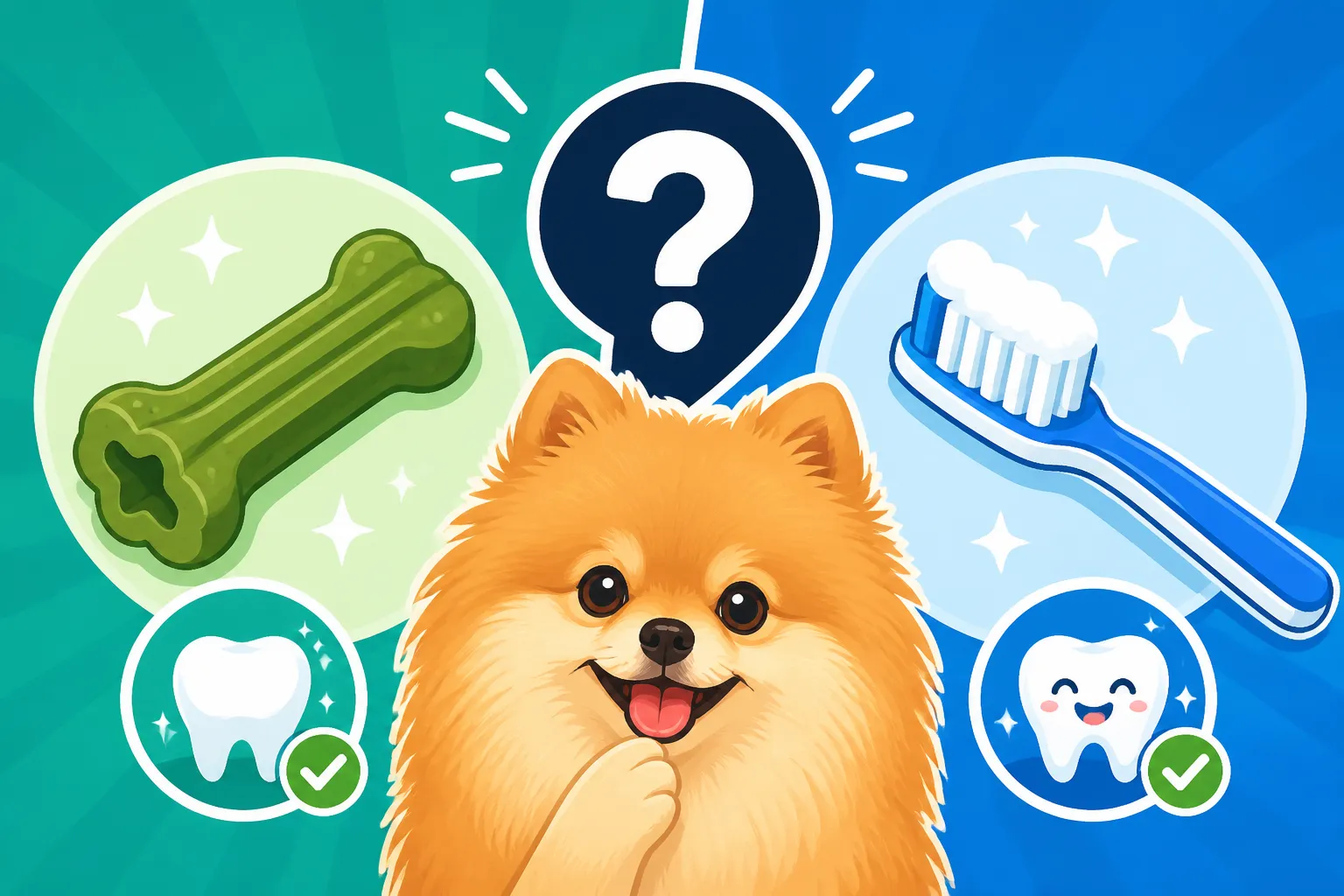
The most effective strategy for your Pomeranian's dental health is to view dental treats as a supplement to, rather than a replacement for, daily tooth brushing. Think of it like this: daily brushing is your primary defense, getting right to the gumline and between teeth to remove plaque directly. Dental treats then act as a supportive measure, helping to reduce general plaque buildup on the broader tooth surfaces throughout the day, especially if brushing isn't feasible twice a day.
Aim for daily brushing with canine-specific toothpaste, focusing on all surfaces of the teeth and especially the gumline. Then, offer a VOHC-approved dental treat once a day or a few times a week as a reward and an extra layer of protection. This combination tackles dental issues from multiple angles: the physical removal of plaque, the enzymatic action of some pastes and treats, and the abrasive benefits of chewing. It’s about creating synergy where each component supports the others, significantly reducing the risk of painful dental disease.
Other Supportive Measures
Beyond brushing and dental treats, there are other aspects of your Pomeranian’s care that can contribute to better oral health. Water additives, for example, are liquids that you add to your dog's drinking water, which contain ingredients that can help reduce bacteria in the mouth or break down plaque. While they are far from a standalone solution, they can offer a small, continuous benefit, particularly for dogs who are resistant to brushing.
Diet also plays a role. While the notion of "dental kibble" that scrapes teeth clean often falls short of expectations, a balanced, high-quality diet generally supports overall health, which in turn helps your Pom’s immune system fight off gum infections. Some fresh food services, such as Ollie, focus on nutrient-dense meals that might indirectly contribute to a healthier oral environment, though they aren't specifically dental products. Most importantly, regular professional dental cleanings by your veterinarian are absolutely non-negotiable. No home care routine, no matter how diligent, can completely prevent the need for periodic professional scaling and polishing under anesthesia, especially as your Pomeranian ages. These cleanings allow the vet to remove established tartar, address any underlying issues like The Baby Canines a Pomeranian Fails to Lose or Extractions in a Pomeranian's Small Jaw, and polish the teeth to make them less susceptible to future plaque buildup.
What to Discuss with Your Vet
Your veterinarian is your most important partner in maintaining your Pomeranian's dental health. It's crucial to have open and honest conversations with them about your Pom's oral care routine, challenges, and any concerns you might have. During your regular check-ups, your vet will perform an oral examination, which can reveal early signs of dental disease that you might miss at home. Don't hesitate to ask them to demonstrate proper brushing techniques for a small breed, or to recommend specific VOHC-approved products suitable for your dog.
Discussing a dental care plan with your vet helps tailor the approach to your Pomeranian's individual needs. They can assess the current state of your dog's teeth and gums, recommend the appropriate frequency for professional cleanings, and guide you on the best combination of home care methods. If you're struggling with brushing, they can offer tips or suggest alternatives. They can also explain the signs of dental pain or disease to watch out for, such as What a Pomeranian's Breath Says About Its Gums or changes in eating habits. Remember, early intervention is key to preventing more severe, costly, and painful dental problems down the road.
Practical Tips for Brushing a Pomeranian's Teeth
Alright, let's talk about the practical side of actually getting that toothbrush into your Pomeranian's mouth. It might sound daunting, but with patience and the right approach, it absolutely can be done. It's a skill you both can learn, and the payoff in long-term health is enormous.
Getting Your Pomeranian Used to Brushing
The key to successful tooth brushing with a Pomeranian is starting slow and making it a positive experience, especially when they are young. Don't just dive in with a toothbrush on day one! Begin by simply touching their muzzle and lips. Gently lift their lip for a second, then immediately offer a high-value treat and praise. Repeat this several times a day for a few days until they're comfortable with their mouth being handled.
Next, introduce a small amount of dog-specific toothpaste on your finger. Let them lick it off, associating the taste with something good. Canine toothpaste comes in delicious flavors like poultry or peanut butter, which can be a huge motivator. Once they're happy with the taste, try rubbing your finger gently along their gumline for a few seconds, still rewarding them immediately afterward. Slowly, over days or even weeks, you can introduce a tiny toothbrush or a finger brush, gradually increasing the time you spend brushing. The goal is to build their tolerance and even enjoyment of the process, turning it into a routine rather than a battle. Consider checking out Brushing a Pomeranian's Teeth Every Day for more in-depth advice on this training process.
Essential Tools for Tiny Mouths
Having the right tools makes all the difference when brushing a Pomeranian's teeth. You can't use a human toothbrush and certainly not human toothpaste, which contains fluoride that is toxic to dogs. First, you'll need a dog-specific toothpaste. These are formulated to be safe if swallowed and often come in flavors appealing to dogs. You can find many options on Amazon or Chewy.
For the brush itself, consider a finger brush initially. These slip over your finger and have soft bristles, allowing you to feel what you're doing and be very gentle. As your Pom gets more comfortable, you can transition to a small, soft-bristled dog toothbrush. Many brands make "mini" or "toy breed" toothbrushes with angled heads that can better reach the back molars in a small mouth. Some owners even find children's toothbrushes (without toothpaste) work well because they are extra soft and small. The goal is gentle, effective cleaning without irritating their sensitive gums or tiny jaws.
Making It a Positive Experience
Pomeranians thrive on positive reinforcement, and dental care should be no exception. Every step of the brushing process, from simply lifting their lip to a full brush-out, should be paired with praise, gentle affection, and, most importantly, high-value treats. Make brushing time a special bonding moment rather than a chore. Keep sessions short, especially at first – even 30 seconds of effective brushing is better than no brushing at all or a long, stressful session that makes your Pom dread the next one.
If your Pom shows signs of stress or fear, stop immediately and revert to a step they were comfortable with. Pushing too hard too fast can create a negative association that is very difficult to undo. You want them to anticipate brushing with excitement, knowing a tasty treat or a favorite toy is coming afterward. Consistency is key; establish a routine, ideally at the same time each day, so your Pomeranian learns what to expect. Over time, this positive reinforcement will make daily brushing a manageable and even enjoyable part of your Pom's day, safeguarding their dental health for years to come.
Comparison: Brushing vs. Dental Chews for Pomeranians
To give you a clearer picture, here's a direct comparison of daily brushing and dental chews as methods for maintaining your Pomeranian's oral health.
| Feature | Daily Brushing (The Gold Standard) | Dental Chews (A Supportive Measure) |
|---|---|---|
| Plaque Removal | Excellent; physically removes plaque biofilm from all surfaces and gumline. | Good; helps scrape plaque from accessible tooth surfaces, especially molars. |
| Tartar Prevention | Excellent; prevents plaque from hardening into tartar by daily removal. | Fair; can help prevent new tartar but cannot remove established tartar. |
| Gumline Cleaning | Excellent; bristles effectively clean the crucial gumline where disease often begins. | Poor; rarely reaches effectively along or beneath the gumline. |
| Effectiveness on Established Tartar | None; cannot remove hardened tartar. Requires professional scaling. | None; cannot remove hardened tartar. Requires professional scaling. |
| Accessibility | Good; with training, can reach most tooth surfaces in a small mouth. | Variable; cleaning depends on dog's chewing habits and treat shape. |
| Breath Freshening | Excellent; removes odor-causing bacteria. | Good; some ingredients can neutralize odors, but effect is often temporary. |
| Training Required | Yes, significant owner effort for training and consistent application. | Minimal; dogs typically enjoy chewing them naturally. |
| Cost | Relatively low (toothbrush, toothpaste). | Moderate to high (ongoing cost of treats). |
| Primary Role | Essential primary preventative care. | Supplementary aid; complements brushing. |
The table clearly illustrates that while dental chews have a place in an oral hygiene routine, they cannot fulfill the comprehensive role of daily brushing. For the health of your precious Pomeranian, a combination of both, with brushing taking the lead, is truly the winning strategy.
Disclaimer
This article is for general informational purposes only and does not constitute professional advice. Laws, prices and regulations vary by location and change over time. Consult a qualified professional for guidance on your specific situation.