Getting a Pomeranian to Eat When It Refuses
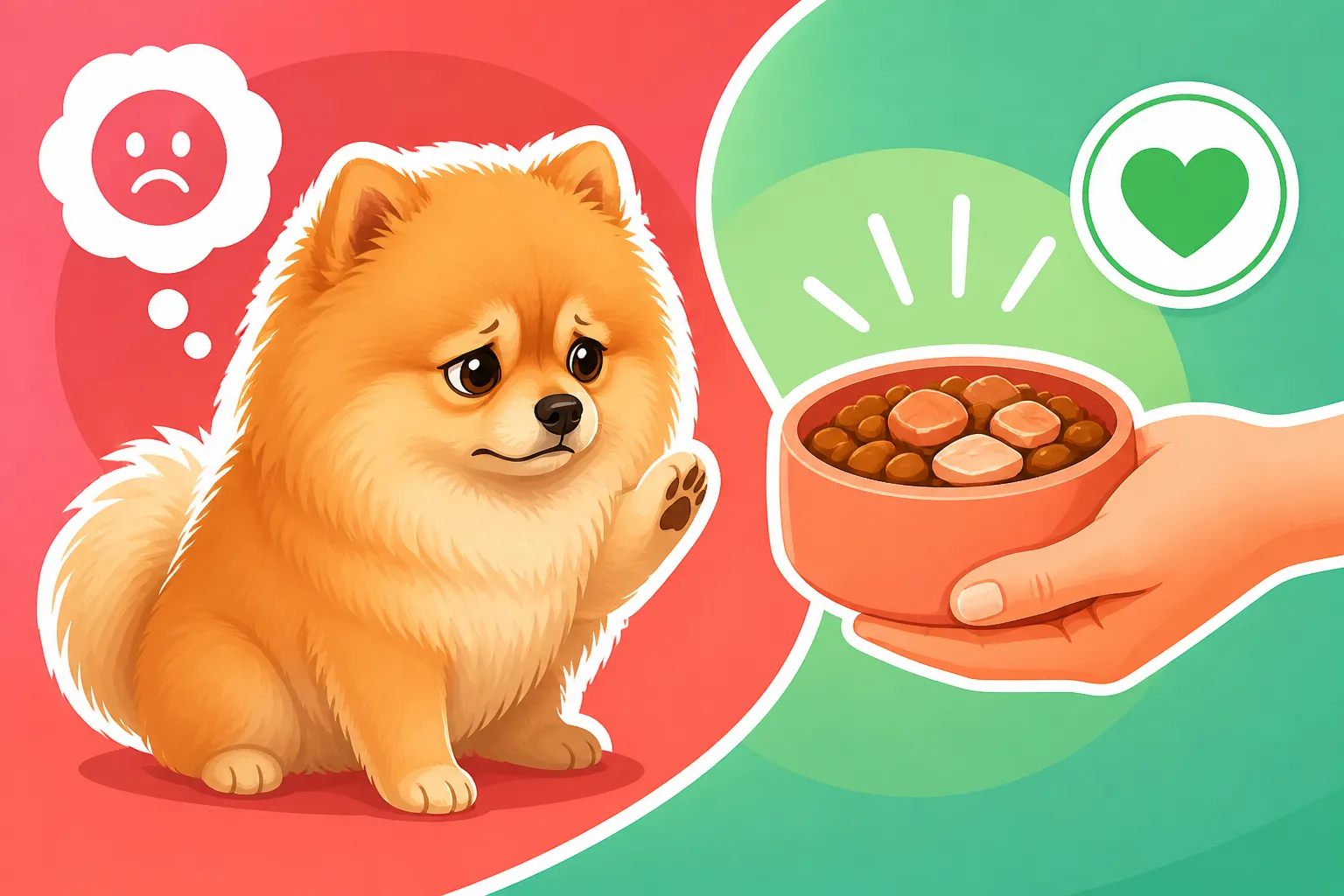
It can be incredibly disheartening and frankly, a little anxiety-inducing, when your tiny Pomeranian, who usually prances to their food bowl, suddenly turns their nose up at dinner. You worry if they're sick, if they're just being stubborn, or if you're somehow doing something wrong. This guide is here to walk you through the many reasons why your beloved Pom might be refusing food and provide you with actionable, empathetic strategies to get them eating happily again.
Understanding Why Your Pomeranian Won't Eat (The Detective Work)
When your Pomeranian decides their dinner bowl is suddenly persona non grata, it’s natural to jump to conclusions, often with a racing heart. But before panic sets in, it’s important to put on your detective hat and consider the various underlying reasons why your little fluffball might be on a hunger strike. Sometimes it’s straightforward, other times it requires a bit more digging.
Ruling Out Medical Causes
The very first thing any responsible Pom parent should do when faced with a sudden refusal to eat is to consider health. Our little ones, especially toy breeds, can be quite delicate, and a loss of appetite is often one of the first indicators that something isn't quite right medically.
Perhaps they have a subtle toothache. Pomeranians are notoriously prone to dental issues, with their tiny mouths often leading to overcrowding and early gum disease. Imagine trying to chew your favorite meal with a throbbing tooth or inflamed gums – it would be impossible. If your Pom is suddenly shying away from crunchy kibble or even soft food, a trip to the vet to check their pearly whites might be in order. This could range from a minor issue to something more significant that needs attention, sometimes even extractions. Dental Disease in a Mouth the Size of a Pomeranian's is a common concern.
Beyond dental pain, there could be a broader gastrointestinal upset. Did they get into something they shouldn't have? A sudden change in diet, even a new treat, could cause a sensitive tummy. Or it might be something more serious, like pancreatitis or inflammatory bowel disease. These conditions can cause nausea, abdominal pain, and a general disinterest in food. Less obvious issues, like pain from an injury or an orthopedic problem, such as Slipping Kneecaps in a Five Pound Pomeranian, can also make a dog reluctant to move to their bowl or stand comfortably enough to eat. Sometimes, just feeling generally unwell from an underlying illness, even a minor infection, can suppress appetite. It's crucial to rule out these medical explanations before assuming it's just pickiness.
Stress, Anxiety, and Environmental Factors
Our Poms are incredibly sensitive creatures, and their emotional well-being can directly impact their appetite. They thrive on routine and familiarity, so any disruption can throw them off balance. Just like how a stressful day at work might make us lose our appetite, a change in their environment can do the same for them.
Consider if there have been recent changes in your household. Did you move to a new home? Did a new pet or person join the family? Even something as seemingly minor as rearranging the furniture can be unsettling for a sensitive Pomeranian. Loud noises, construction outside, or even a thunderstorm can elevate their stress levels, making them too anxious to eat. If your Pom is prone to separation anxiety, perhaps they're feeling particularly lonely or agitated when you leave, and this distress carries over to mealtime. The Pomeranian That Cannot Be Left Alone often displays a range of anxiety-related behaviors, and food refusal can certainly be one of them.
Sometimes, the eating environment itself is the problem. Is their bowl in a high-traffic area where they feel vulnerable? Is there another pet in the house that might be subtly intimidating them during meal times? Pomeranians, despite their small stature, can have big personalities, but they can also be surprisingly timid. A little space and peace can make a huge difference in their willingness to eat.
Pickiness vs. True Anorexia
It's a fine line sometimes, isn't it? Is your Pomeranian truly feeling unwell, or are they just playing you for a better meal? Pomeranians are intelligent, and they quickly learn that if they refuse their regular food, something more exciting might appear. This is where distinguishing between genuine anorexia (a medical loss of appetite) and simple pickiness (behavioral refusal) becomes vital.
True anorexia is usually accompanied by other symptoms like lethargy, vomiting, diarrhea, changes in thirst, or unusual behavior. Your Pom will likely seem generally unwell and uninterested in anything, even high-value treats or favorite toys. If this is the case, contact your vet immediately.
Pickiness, on the other hand, often looks a bit different. Your Pom might still be bright, energetic, and eager for a walk or a game. They might even happily accept a forbidden piece of cheese or a special treat from your hand, but turn up their nose at their actual meal. This is a common phenomenon that many Pom owners experience, as our little companions learn to hold out for what they perceive as better options. We discuss this often when considering A Pomeranian That Turns Its Nose Up at Dinner. It’s a battle of wills, and often, the human gives in first.
Common Food-Related Reasons for Refusal
Once medical issues and significant environmental stressors have been largely ruled out, it’s time to look closely at the food itself and your feeding routine. Sometimes, the answer is right there in the bowl, or in the habits we've accidentally fostered.
The Wrong Food: Taste, Texture, or Size
Imagine being served the same bland meal, day in and day out, or food that's simply too difficult to eat. Our Pomeranians can feel the same way! Their preferences can be quite specific, and what one Pom loves, another might outright reject.
Firstly, consider the taste. Just like us, dogs have flavor preferences. Some Poms might adore chicken-based formulas, while others turn their nose up unless it’s salmon or beef. Brands vary widely in their ingredient quality and flavor profiles. If you’ve recently switched foods, even to a premium brand, the taste might simply not be to your Pom's liking. Sometimes, a food might just go stale, especially if stored improperly. An open bag of kibble losing its freshness can be a real turn-off.
Then there's the texture and size. Pomeranians have tiny mouths and often delicate teeth. If their kibble is too large or too hard, it can be uncomfortable or even painful for them to chew, especially if they have any underlying dental sensitivities. This is why it's so important to find Kibble Small Enough for a Pomeranian. Even if they don't have active dental pain, large kibble can feel overwhelming. Some Poms prefer the softer texture of wet food, or a mix of wet and dry. Perhaps they're bored with crunchy and crave something with a bit more moisture.
A quick table to consider food factors:
| Factor | Potential Issue | Solution |
|---|---|---|
| Taste | Unappealing flavor profile, stale food | Try a different protein source, check expiration dates, store food in airtight container |
| Texture | Too hard, too soft, inconsistent | Mix wet and dry, add water or broth to kibble, explore fresh food options |
| Size | Kibble too large for small mouth/teeth | Switch to small-breed specific kibble, consider smaller brands available on Chewy or Amazon |
| Variety | Monotony of the same food daily | Rotate proteins or brands periodically, introduce toppers |
Feeding Habits That Create Pickiness
We all want to spoil our Poms, don't we? Those big, soulful eyes and fluffy faces make it hard to resist. But sometimes, our well-meaning gestures can inadvertently train our Poms to be picky eaters. This often comes down to two main culprits: free-feeding and excessive treats or table scraps.
Free-feeding, where food is left out all day, seems convenient, but it can actually reduce the value of mealtime. If food is always available, there's no urgency to eat. Your Pom knows they can nibble whenever they feel like it, making them less likely to eat a full, nutritious meal at a set time. It also makes it harder to monitor their intake and spot appetite changes.
The other big one is treats and table scraps. Oh, how those little bits of human food or extra treats add up! A few extra treats here and there, a bite of chicken from your plate, or a piece of toast can quickly fill up a tiny Pomeranian's stomach, leaving no room for their actual dinner. They might even start holding out, knowing that if they refuse their kibble, something far more delicious from your plate might eventually come their way. We often underestimate just How Few Treats a Pomeranian Can Actually Have before it impacts their main meals. This can be a tough habit to break, both for you and your Pom, but it's essential for fostering healthy eating habits.
Bowl Aversion and Eating Environment
Sometimes, it's not the food, or even your Pom's health, but the dining experience itself. Believe it or not, your Pomeranian might have a strong opinion about their food bowl or where they're expected to eat!
Consider the type of bowl you're using. Some dogs dislike the clatter of metal bowls, finding the noise startling, especially if their tags clink against it. Others might find certain plastic bowls retain odors or leave a strange taste. Ceramic or stainless steel bowls are generally good choices, but ensure they're clean and free of residue from previous meals. The height of the bowl can also matter. For small dogs, a bowl that's too low might be uncomfortable, forcing them to crouch awkwardly. Conversely, some Poms prefer eating from ground level.
The location of the bowl is also key. If it's placed in a high-traffic area, like a busy hallway or near a noisy appliance, your Pom might feel too vulnerable or distracted to eat comfortably. They might also be put off if the bowl is too close to their water bowl or, heaven forbid, their potty area. Poms prefer a quiet, safe, and clean spot where they can eat without interruption or anxiety. Observe your Pom's body language around their bowl; are they hesitant? Do they look around nervously? Sometimes a simple relocation can make a world of difference.
Strategies to Encourage Your Pomeranian to Eat
Once you've done your detective work, it's time to put some strategies into action. Encouraging a picky Pomeranian to eat requires patience, consistency, and a little creativity. Remember, the goal is to make mealtime a positive, stress-free experience, not a battle.
Making Mealtime a Positive Experience
Creating a positive association with mealtime is fundamental. Your Pomeranian should look forward to their meals, not view them with apprehension. This starts with a consistent routine.
Establish a Schedule: This is perhaps the most crucial step. Decide on two or three specific feeding times each day – for example, 8 AM and 5 PM. Stick to these times religiously. When it's mealtime, put the food down for 15-20 minutes, and then pick it up, regardless of whether your Pom has eaten. Do not offer any other food, treats, or table scraps between meals. This teaches your Pomeranian that food is available at specific times, and if they don't eat it, it will be gone. It's a tough love approach, but highly effective in re-establishing a healthy appetite. Consistency with The Routine a Pomeranian Needs Every Day helps establish healthy habits across the board.
Create a Calm Eating Space: Designate a quiet, low-traffic area for your Pom's food bowl. Away from noisy televisions, children playing, or other pets. This allows them to feel safe and relaxed while they eat. If you have multiple pets, feed them in separate areas to prevent competition or intimidation.
Positive Reinforcement (Without Bribery): When your Pom approaches their bowl or starts eating, offer gentle praise in a calm, encouraging tone. Avoid making a big fuss or hovering, which can make them feel watched. The praise itself, coupled with the food, helps build a positive association. Resist the urge to hand-feed unless medically necessary, as this reinforces the idea that you'll make special efforts for them.
Enhancing Food Appeal and Palatability
Sometimes, the food itself just needs a little jazzing up. Our Poms can be culinary critics, and a few simple tricks can make their regular food irresistible.
Warm it Up: Just like human food, dog food often smells more appealing when slightly warm. For kibble, add a splash of warm water or low-sodium chicken broth (ensure it's dog-safe, without onions or garlic) and let it sit for a few minutes. This softens the kibble, releases aromas, and makes it more palatable, especially for Poms with sensitive teeth or those who struggle with Softening Kibble for a Pomeranian With Few Teeth. For wet food, a few seconds in the microwave (check for hot spots!) can make a big difference.
Add a Topper: This is where you can get a little creative. A small amount of a high-value topper can transform a boring meal. Consider:
- Plain cooked chicken or turkey (shredded)
- A spoonful of plain pumpkin puree (not pie filling!)
- A dollop of plain, unsweetened yogurt or cottage cheese
- Dog-specific food toppers: Many brands offer freeze-dried raw mixers, savory gravies, or powdered supplements designed to boost flavor. You can find a wide variety of these options on sites like Chewy or Amazon.
- Fresh food options: If kibble is consistently rejected, a small portion of a fresh, human-grade dog food like Ollie can be incredibly appealing and offers a different texture and scent profile. Introduce any new food or topper gradually to avoid upsetting their stomach.
Rotate Flavors or Brands: If your Pom gets bored easily, rotating between two or three different protein sources or even different high-quality kibble brands (always introducing new foods slowly) can keep mealtime interesting. However, be careful not to create a "hold out for the next best thing" mentality; rotate only every few weeks or months, not daily.
Addressing Behavioral and Training Aspects
Beyond the food itself, sometimes it's about setting clear boundaries and managing your Pomeranian's clever tactics.
The "No Free Lunch" Policy: This is a firm but fair rule. If your Pom doesn't eat their meal within the allotted 15-20 minutes, pick up the bowl. Do not offer anything else until the next scheduled mealtime. This teaches them that if they want to eat, they need to do it when the food is available. It might take a few missed meals, but a healthy, non-anorexic Pomeranian will eventually eat when they're hungry. Resist those pleading eyes! This approach is crucial for A Pomeranian That Will Not Get Its Coat Wet when it's raining and they refuse to go outside, it works similarly for food.
Reduce Treats and Table Scraps: This is often the hardest part for us owners. Seriously reduce, or temporarily eliminate, all treats and table scraps. This ensures your Pomeranian is genuinely hungry for their meals. If you use treats for training, switch to tiny, pea-sized pieces of their regular kibble or very low-calorie options. Remember, even a tiny piece of cheese can be a significant caloric intake for a dog as small as a Pomeranian. Watch out for What a Pomeranian Steals Off a Coffee Table too, as these "sneaky snacks" can also impact their appetite.
Use Puzzle Toys for Enrichment: For Poms who are bored or need mental stimulation, a puzzle feeder or KONG toy can make mealtime more engaging. Instead of putting their kibble in a bowl, stuff a puzzle toy with it. This turns eating into a game, encouraging them to "work" for their food, which can stimulate their appetite. Just ensure the toy is appropriately sized for your tiny Pom.
When to Seek Professional Help
While many cases of a picky Pomeranian can be resolved with dietary adjustments and consistent training, there are times when professional intervention is absolutely necessary. Knowing when to escalate your concerns is crucial for your Pom's health and well-being.
Recognizing Red Flags and Emergencies
It's vital to differentiate between a picky eater and a dog that is genuinely unwell. If your Pomeranian refuses to eat for more than 24 hours, especially if they are a puppy or a senior, this is a major red flag. For a tiny breed like a Pomeranian, prolonged lack of food can quickly lead to low blood sugar (hypoglycemia), which can be life-threatening.
Beyond just not eating, look for other accompanying symptoms that signal an emergency:
- Lethargy or extreme weakness: They're not just resting; they're unresponsive or have no energy.
- Vomiting or diarrhea: Especially if persistent or containing blood.
- Changes in drinking habits: Either excessive thirst or refusal to drink water.
- Pain indicators: Whining, reluctance to be touched, hunched posture.
- Pale gums: A sign of potential anemia or shock.
- Collapse or seizures: An immediate veterinary emergency.
If you observe any of these symptoms alongside food refusal, do not delay. Contact your emergency veterinarian immediately. It’s always better to be overly cautious when it comes to the health of our small, delicate Poms.
Consulting Your Veterinarian
Even if your Pomeranian isn't displaying emergency symptoms but has a persistent lack of appetite despite your best efforts, a visit to your regular veterinarian is warranted. Your vet will perform a thorough physical examination, checking everything from their teeth to their abdomen. They might recommend diagnostic tests to uncover any underlying medical conditions.
Common diagnostic steps might include:
- Blood work: A complete blood count (CBC) and chemistry panel can detect infections, organ dysfunction (like kidney or liver disease), anemia, or other metabolic issues. These can be part of The Bill for a Pomeranian's Heart Workup if a murmur is detected, for instance, but are also standard for general health.
- Urinalysis: To check kidney function and rule out urinary tract infections.
- Fecal exam: To check for parasites or other gastrointestinal issues.
- X-rays or ultrasound: To visualize internal organs and detect foreign objects, tumors, or inflammation.
- Dental examination: A more thorough check, sometimes requiring sedation, to identify painful dental disease that might not be obvious to the naked eye. Anesthesia Risk in a Four Pound Pomeranian means pre-anesthetic bloodwork is often recommended.
Depending on the diagnosis, your vet might prescribe medication, recommend a special therapeutic diet (e.g., a highly digestible diet for gastrointestinal upset), or even suggest appetite stimulants. Follow their advice diligently.
Working with a Certified Pet Nutritionist or Behaviorist
If all medical causes have been ruled out and your Pomeranian's pickiness persists, or if behavioral factors are strongly suspected, consulting with a certified pet nutritionist or a professional dog behaviorist can be incredibly beneficial.
Pet Nutritionist: A nutritionist can evaluate your Pom's current diet, your feeding practices, and their specific nutritional needs. They can help you create a balanced, appealing meal plan that addresses any deficiencies, food sensitivities, or preferences. They might suggest specific brands, toppers, or even explore home-prepared meal options that are properly balanced. This is particularly helpful if you're considering a more customized approach, perhaps incorporating fresh food options, but want to ensure it's nutritionally complete.
Dog Behaviorist: If anxiety, stress, or learned behavioral pickiness is the root cause, a certified professional dog behaviorist can offer tailored strategies. They can help identify specific triggers for anxiety, such as a fear of the food bowl or an unsettling eating environment, and work with you to implement behavior modification techniques. This might involve counter-conditioning, desensitization, or specific training exercises to build your Pom's confidence and reduce stress around meal times. They can also provide guidance on how to consistently enforce healthy feeding habits without causing undue stress.
Disclaimer
This article is for general informational purposes only and does not constitute professional advice. Laws, prices and regulations vary by location and change over time. Consult a qualified professional for guidance on your specific situation.