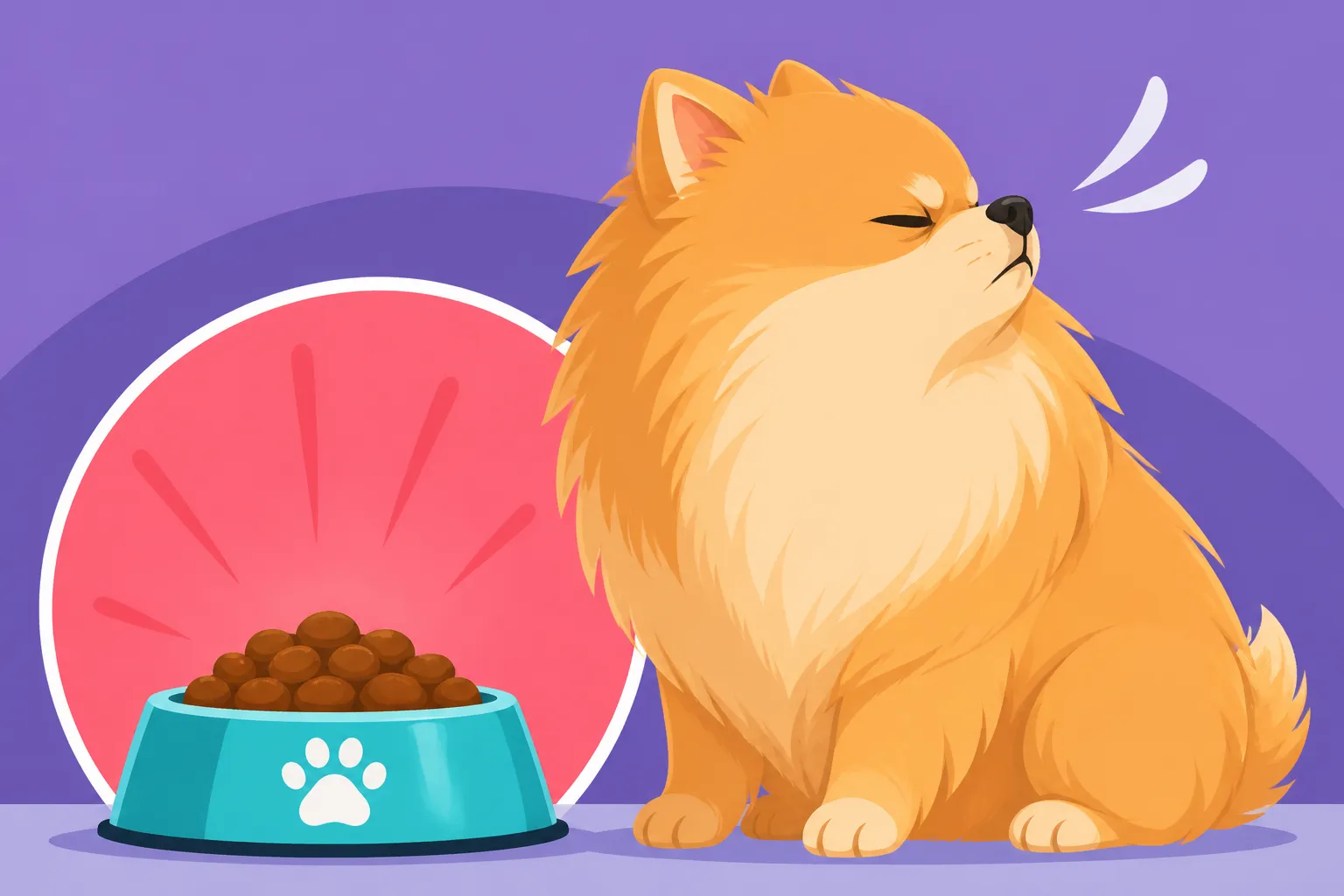
A Pomeranian That Turns Its Nose Up at Dinner
It's incredibly frustrating, and often quite worrying, when your beloved Pomeranian suddenly decides their dinner bowl is nothing more than a decoration. You put thought into their food, you prepare it with care, and then they just… sniff it and walk away, leaving you to wonder if they're sick, being finicky, or just waiting for something better. This guide will walk you through the common reasons why your Pomeranian might be turning up their nose at mealtime, from simple pickiness to more serious health concerns, and offer practical steps to get them eating happily again.
Understanding Why Your Pomeranian Might Be a Picky Eater
When your tiny fluffball rejects their food, it's easy to jump to conclusions, often assuming the worst. However, sometimes a Pomeranian's reluctance to eat is less about a serious illness and more about their personality, environment, or even habits we've inadvertently taught them. It’s important to distinguish between a genuine loss of appetite and a bit of a diva moment.
Behavioral Fussy Eating vs. True Anorexia
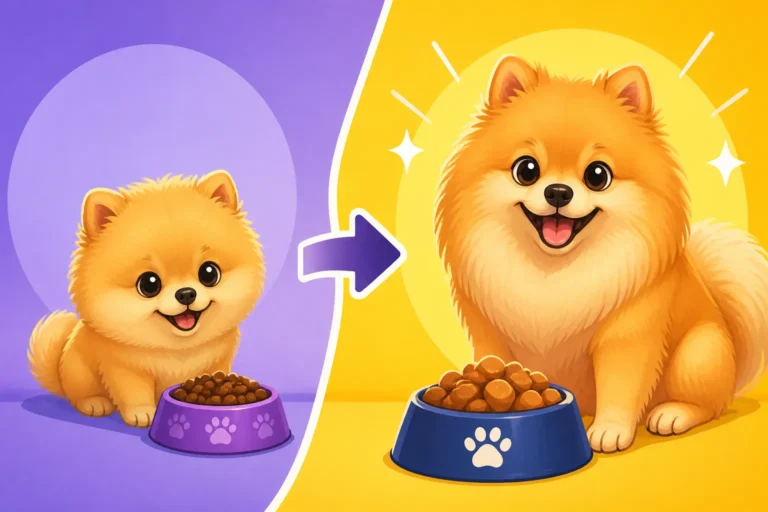
Let's be clear: there's a big difference between a Pomeranian who is a "picky eater" and one experiencing true anorexia. A picky eater might refuse their kibble but happily gobble down a piece of chicken, or they might eventually eat their meal after a few hours of sulking. They might eat only specific flavors or textures, always holding out for their favorites. This often stems from a learned behavior – they've figured out that if they wait long enough, something better might come along. Given that Pomeranians are so small, their caloric needs are relatively low, so skipping a meal might not immediately seem alarming, but it can quickly lead to deficiencies or weight loss if it becomes a regular habit.
True anorexia, on the other hand, means a complete lack of interest in any food, even their most coveted treats. This is a far more serious concern and almost always indicates an underlying medical issue that needs immediate attention. If your Pomeranian refuses all food, including high-value items, for more than 24 hours, it's time to contact your veterinarian without delay. Understanding this distinction is the first step in figuring out how to help your little companion.
Environmental Factors Affecting Appetite
Sometimes, the reason your Pomeranian isn't eating isn't about the food itself, but what's happening around them. Poms, despite their bold personalities, can be quite sensitive to changes in their environment. A recent move, the addition of a new pet or a baby to the household, or even a houseguest can cause enough stress to impact their appetite. They might feel unsettled or anxious, and eating becomes a lower priority.
Even seemingly minor things can play a role. Is their food bowl in a noisy, high-traffic area where they don't feel secure? Some Pomeranians prefer to eat in a quiet corner where they can feel safe from perceived threats, like a bustling kitchen or other pets. The type of bowl matters too; some dogs dislike the reflection or noise of metal bowls, while plastic can sometimes harbor bacteria or retain odors. Switching to a ceramic or stainless steel bowl might make a difference. Lastly, consider the temperature in the room. If it's too hot or too cold, your Pomeranian might not feel comfortable enough to eat. Sometimes, a simple adjustment to their eating location or setup can resolve the issue.
The "Better Offer" Syndrome
This is a scenario many well-meaning Pomeranian owners fall into, and it's completely understandable. When your little one isn't eating, your instinct is to tempt them. You might offer a piece of cheese, some boiled chicken, or a special treat. And lo and behold, they gobble it down! This feels like a victory, but it can actually set a problematic precedent. Your clever Pomeranian quickly learns that if they hold out on their regular kibble, a tastier "better offer" is usually just around the corner. They're not actually unwell; they're just training you to be their personal chef.
This cycle of offering increasingly appealing foods can lead to a truly finicky eater who turns their nose up at anything less than gourmet. It’s a classic example of inadvertently reinforcing undesirable behavior. While it's tempting to cave when you see those big, expressive eyes staring up at you, consistency is key to breaking this habit. Remember, The Reward a Pomeranian Actually Cares About might not always be food; sometimes, it's attention.
Medical Reasons Behind a Pomeranian's Loss of Appetite
While we often hope a picky phase is just that – a phase – there are legitimate medical reasons why a Pomeranian might lose their appetite. Because Pomeranians are so small, even a slight shift in their health can have a noticeable impact on their eating habits. It's crucial to be aware of these potential issues so you can seek veterinary care if necessary.
Dental Issues and Oral Pain
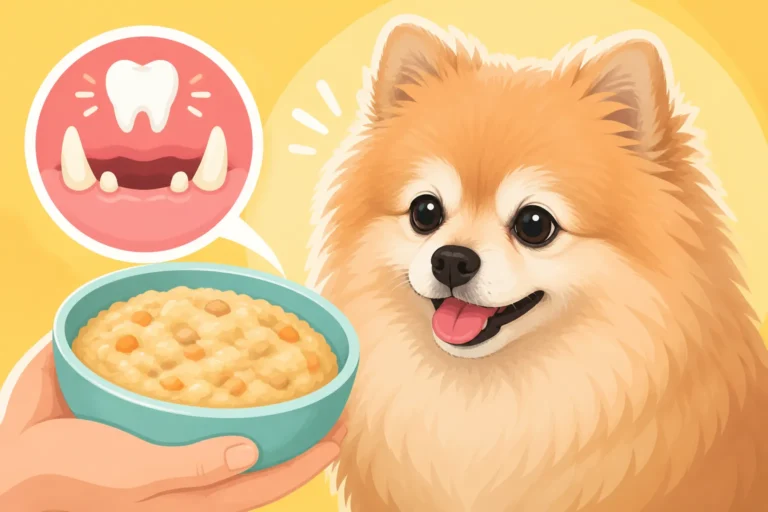
This is an incredibly common, and often overlooked, reason for Pomeranians to stop eating. Our little Poms are notorious for their crowded mouths, and dental disease can set in early and aggressively. Dental Disease in a Mouth the Size of a Pomeranian's is a widespread problem in the breed. Imagine trying to eat hard kibble when you have a painful toothache, inflamed gums, or even a fractured tooth. It's simply too uncomfortable.
Common dental issues include:
- Retained deciduous teeth: Often called "baby teeth," these sometimes don't fall out when the adult teeth emerge, leading to crowding and plaque buildup. Pulling a Pomeranian's The Baby Canines a Pomeranian Fails to Lose is often necessary.
- Periodontal disease: This is an infection and inflammation of the tissues surrounding the teeth, leading to gum recession, bone loss, and loose teeth.
- Resorptive lesions: These painful lesions can erode the tooth surface, often going unnoticed without a thorough veterinary exam.
If your Pomeranian shows interest in soft food or treats but shies away from hard kibble, dental pain should be high on your list of suspects. A simple at-home check of their gums can give you clues, but a professional dental exam, often requiring anesthesia for a full assessment, is usually needed to diagnose and address the issue properly. Regularly checking your Checking a Pomeranian's Gums at Home is a good preventative habit.
Upset Stomach or Digestive Woes
Just like us, dogs can have an upset tummy that makes them not want to eat. This can range from something mild and fleeting to a more persistent problem. Nausea, acid reflux, or a generally sensitive stomach can all make food seem unappealing. Perhaps they ate something they shouldn't have, or their regular food just isn't sitting right with them.
Parasites, though less common in well-cared-for indoor dogs, can also contribute to digestive upset and a reduced appetite. Mild bacterial infections of the gut are another possibility. If you've recently changed your Pomeranian's food, even if it's a high-quality brand you ordered from Chewy, they might be experiencing some digestive distress as their system adjusts. Soft Stools in a Pomeranian After a Food Change often accompanies dietary transitions, and sometimes a temporary loss of appetite does too. Paying attention to other symptoms, like vomiting, diarrhea, or unusual licking of their lips, can help you determine if an upset stomach is the culprit. Identifying Foods That Give a Pomeranian a Bad Stomach can be a process of elimination with your vet.
Other Underlying Health Conditions
A loss of appetite can be a non-specific symptom of a wide array of other health problems. Because Pomeranians are small, their bodies can be particularly sensitive to illness. Conditions affecting their kidneys, liver, or pancreas can all manifest as a reduced interest in food. For instance, kidney disease can cause a buildup of toxins that makes a dog feel nauseous, while pancreatitis can cause severe abdominal pain, making eating unbearable.
Even pain from an injury not directly related to their stomach can make a Pomeranian stop eating. A classic example is a slipped kneecap, a condition common in the breed. Slipping Kneecaps in a Five Pound Pomeranian can cause significant discomfort, making it hard for them to stand comfortably at a bowl or even move to reach it. Hypoglycemia, or low blood sugar, is primarily a concern for tiny puppies, as outlined in Blood Sugar Crashes in a Pomeranian Puppy, but severe stress or underlying conditions could potentially trigger it in an adult, though it's less common. Any unexplained, persistent lack of appetite should always be investigated by a veterinarian to rule out these more serious concerns.
Strategies for Encouraging Your Pomeranian to Eat
Once you've ruled out immediate medical emergencies and suspect your Pomeranian is just being a bit particular, there are many strategies you can try to encourage them to eat regularly. The key is consistency, patience, and a little bit of culinary creativity.
Establishing a Consistent Feeding Routine
One of the most effective ways to combat picky eating is to establish and strictly adhere to a routine. This means specific meal times, every single day, with no free-feeding. When you leave food down all day, your Pomeranian learns there's no urgency to eat; it'll always be there. This allows them to graze or wait for a "better offer."
Instead, try this:
- Set meal times: Decide on two or three specific times a day for meals, depending on your Pomeranian's age and activity level. Many adult Poms do well with two meals. Remember, How Little Food an Adult Pomeranian Needs is often surprising to new owners, so stick to recommended portions.
- Offer for a limited time: Put their food bowl down for 15 to 20 minutes. If they don't eat within that time, pick the bowl up. Don't offer any other food, treats, or table scraps until the next scheduled meal.
- No extra temptations: During non-meal times, resist the urge to offer treats or human food, no matter how much they beg. You're teaching them that their regular food is the only option at mealtime.
It might feel harsh at first, especially if your Pomeranian is a master manipulator, but this method teaches them that food is available at specific times, and if they miss it, they'll have to wait. This routine can significantly improve their appetite over time. Make sure they always have access to fresh, clean water, separate from their food.
Enhancing Palatability and Food Quality
Sometimes, a picky eater just needs a little extra encouragement to find their food appealing. There are several ways to make their regular meals more enticing without completely resorting to human food or unhealthy additions.
- Warm it up: Slightly warming wet food or adding a bit of warm (not hot!) water to kibble can release aromas that stimulate your Pomeranian's appetite. Think of how much better warm soup smells than cold.
- Add a topper: A tiny dash of low-sodium chicken broth, a spoonful of canned pumpkin, or a small amount of high-quality wet food can make a world of difference. Companies like Ollie offer fresh, human-grade dog food that can be a fantastic option, either as a full diet or mixed in as a topper for traditional kibble. You can find many options for toppers and wet foods on Amazon or Chewy.
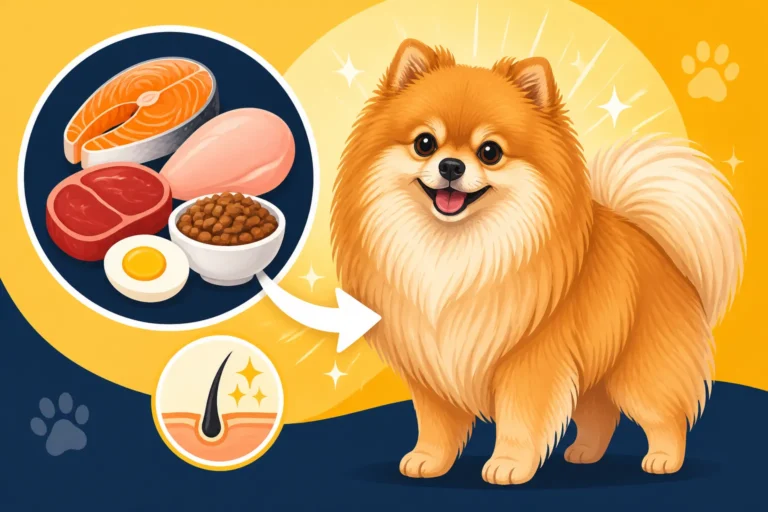
- Rotate proteins: If your Pomeranian is consistently turning their nose up at chicken-based kibble, try a lamb, beef, or fish-based formula. Sometimes a change in protein source is all it takes to renew their interest.
- Consider fresh or limited ingredient diets: If you suspect sensitivities or they're just bored, a fresh food diet or a limited ingredient kibble might be beneficial. Just be sure to transition slowly to avoid upset stomachs. Getting a Pomeranian to Eat When It Refuses often requires a bit of experimentation.
Always ensure any additions are safe for dogs and don't make up a significant portion of their diet, as you want them to continue eating their balanced dog food. A good rule of thumb is that toppers should be no more than 10% of their daily caloric intake.
Creating a Positive Mealtime Environment
The atmosphere surrounding mealtime can influence your Pomeranian's willingness to eat. A stressful or chaotic environment can make them anxious and less likely to settle down for a meal.
- Quiet zone: Designate a quiet, calm area for your Pomeranian to eat, away from foot traffic, loud noises, and other pets or children who might disturb them. They should feel secure and unthreatened.
- Comfortable setup: Consider an elevated food bowl, especially if your Pomeranian is older or has neck or back issues. This can make eating more comfortable. Ensure their bowls are clean and free of lingering odors from previous meals.
- No distractions: Turn off the TV, put away your phone, and avoid hovering over them. Give them space to eat peacefully. If you have other pets, feed them separately to prevent competition or stress.
- Positive reinforcement: When your Pomeranian does eat, offer calm praise or a gentle pat after they've finished, rather than during, to avoid startling them. You want them to associate mealtime with a positive, relaxed experience. Consistency in The Routine a Pomeranian Needs Every Day helps establish this positive association.
By creating a serene and predictable mealtime ritual, you can help your Pomeranian feel more relaxed and focused on their food.
When to Seek Veterinary Help for Your Finicky Pomeranian
While a picky eater can often be managed at home with behavioral adjustments and dietary changes, there are definite red flags that indicate a more serious problem requiring professional veterinary attention. Knowing when to call the vet is crucial for your Pomeranian's health.
Red Flags That Warrant an Immediate Vet Visit
If you observe any of the following symptoms in conjunction with a loss of appetite, don't hesitate to contact your veterinarian:
- Complete refusal to eat for more than 24 hours: This is the most critical sign. If your Pomeranian hasn't touched any food, not even treats or human food, for a full day, it's an emergency. For tiny breeds like Poms, rapid decline can occur due to their small size and delicate systems.
- Vomiting or diarrhea: These digestive symptoms, especially if persistent, indicate a gastrointestinal problem that could range from a mild upset to something more severe like pancreatitis or an obstruction.
- Lethargy or weakness: If your Pomeranian is unusually tired, sluggish, or seems to lack energy, it's a sign that something is truly wrong. A healthy picky eater might be annoying, but they usually still have their usual spunk.
- Pain or discomfort: Watch for signs like whining, reluctance to move, guarding their abdomen, difficulty standing, or a hunched posture. These can indicate internal pain or musculoskeletal issues.
- Weight loss: If you notice your Pomeranian losing weight, even a small amount, it's a significant concern. Their ideal weight typically falls within The Three to Seven Pounds a Pomeranian Should Hold, and even ounces can make a difference. Regularly Tracking a Pomeranian's Weight in Ounces can help you catch subtle changes.
- Changes in drinking habits: Drinking excessively or, conversely, not drinking at all, combined with food refusal, can point to kidney problems, diabetes, or other serious systemic illnesses.
- Yellow gums or eyes: This can be a sign of liver issues or anemia.
- Swollen abdomen: This could indicate fluid buildup, organ enlargement, or other internal problems.
Remember, a Pomeranian can decline rapidly. If you see any combination of these signs, don't wait to see if it improves.
| Symptom | Likely Cause (Picky Eater) | Likely Cause (Medical Issue) | Action |
|---|---|---|---|
| Refuses only kibble | Trained pickiness | Dental pain, mild nausea | Behavioral adjustment, food tempting |
| Refuses all food | Highly trained pickiness (rare) | Systemic illness, severe pain, obstruction | Vet visit immediately! |
| Eats with enthusiasm | Not applicable (they're eating!) | Not applicable | Keep up good feeding habits |
| Vomiting | Not usually associated with pickiness | GI upset, pancreatitis, obstruction | Vet visit |
| Lethargy/Weakness | Not usually associated with pickiness | Hypoglycemia, systemic illness, pain | Vet visit immediately! |
| Weight Loss | Consistent pickiness over time | Chronic illness, malabsorption | Vet visit |
What to Expect at the Vet
When you bring your finicky Pomeranian to the vet, be prepared to provide a detailed history. Your vet will want to know:
- How long your Pomeranian hasn't been eating.
- What they have eaten, if anything (even tiny bits).
- Any other symptoms you've noticed (vomiting, diarrhea, lethargy, coughing, changes in drinking).
- Recent changes in their diet, environment, or routine.
- Any medications they are currently taking.
The vet will then perform a thorough physical examination, which will almost certainly include a careful look inside their mouth to check for dental disease, as this is so common in Poms. They'll listen to their heart and lungs, palpate their abdomen, and check their joints (remembering conditions like Slipping Kneecaps in a Five Pound Pomeranian are common).
Depending on their findings, your vet may recommend diagnostic tests:
- Bloodwork: A complete blood count (CBC) and chemistry panel can assess organ function, check for infection or inflammation, and look for metabolic imbalances.
- Urinalysis: This can provide clues about kidney function and other systemic issues.
- Fecal exam: To check for intestinal parasites.
- X-rays or ultrasound: If an internal organ issue, obstruction, or severe pain is suspected, imaging can provide valuable insights.
It’s important to be honest and detailed with your vet, as every piece of information helps them piece together the puzzle and arrive at an accurate diagnosis.
Long-Term Management of a Picky Eater
Once any underlying medical conditions have been addressed, or if your vet confirms your Pomeranian is just a truly particular eater, long-term management focuses on consistency and patience. This isn't a quick fix; it requires dedication on your part.
You might work with your vet to find a specific type of food that your Pomeranian finds more appealing or that is easier to digest. This could mean a switch to a higher-quality kibble (many excellent options available on Chewy or Amazon), a sensitive stomach formula, or even exploring fresh food options like Ollie, which can be very tempting for picky eaters. Sometimes, a veterinary nutritionist can help you formulate a homemade diet, but this should only be done under professional guidance to ensure it's nutritionally complete.
For behavioral pickiness, reinforcing the consistent feeding schedule and resisting the urge to offer alternatives is paramount. It can be hard to watch them skip meals, but trust that a healthy dog will eventually eat when they are hungry. Over time, your Pomeranian will learn that regular meals are their primary source of food. Patience and consistency are truly the most powerful tools in your arsenal when managing a finicky Pomeranian.
Disclaimer
This article is for general informational purposes only and does not constitute professional advice. Laws, prices and regulations vary by location and change over time. Consult a qualified professional for guidance on your specific situation.