Whether a Pomeranian’s Coat Handles Snow
Many Pomeranian owners often look out the window at a freshly fallen blanket of snow and wonder: is my fluffy little companion truly equipped to handle the cold and icy wonderland, or is that luxurious double coat more of a fashion statement than functional winter gear? It’s a common dilemma, seeing their breed's northern heritage but knowing their diminutive size. This comprehensive guide will delve deep into how a Pomeranian's unique coat performs in snowy conditions, offering practical advice and crucial care tips to ensure your beloved Pom stays safe, warm, and happy all winter long.
Understanding the Pomeranian's Double Coat
The Pomeranian's iconic coat isn't just for looks; it's a marvel of natural engineering, specifically designed to protect them from the elements. Tracing their lineage back to larger Arctic Spitz breeds, these smaller versions retain many of the essential features that allowed their ancestors to thrive in harsh, cold climates.
The Insulating Power of the Undercoat
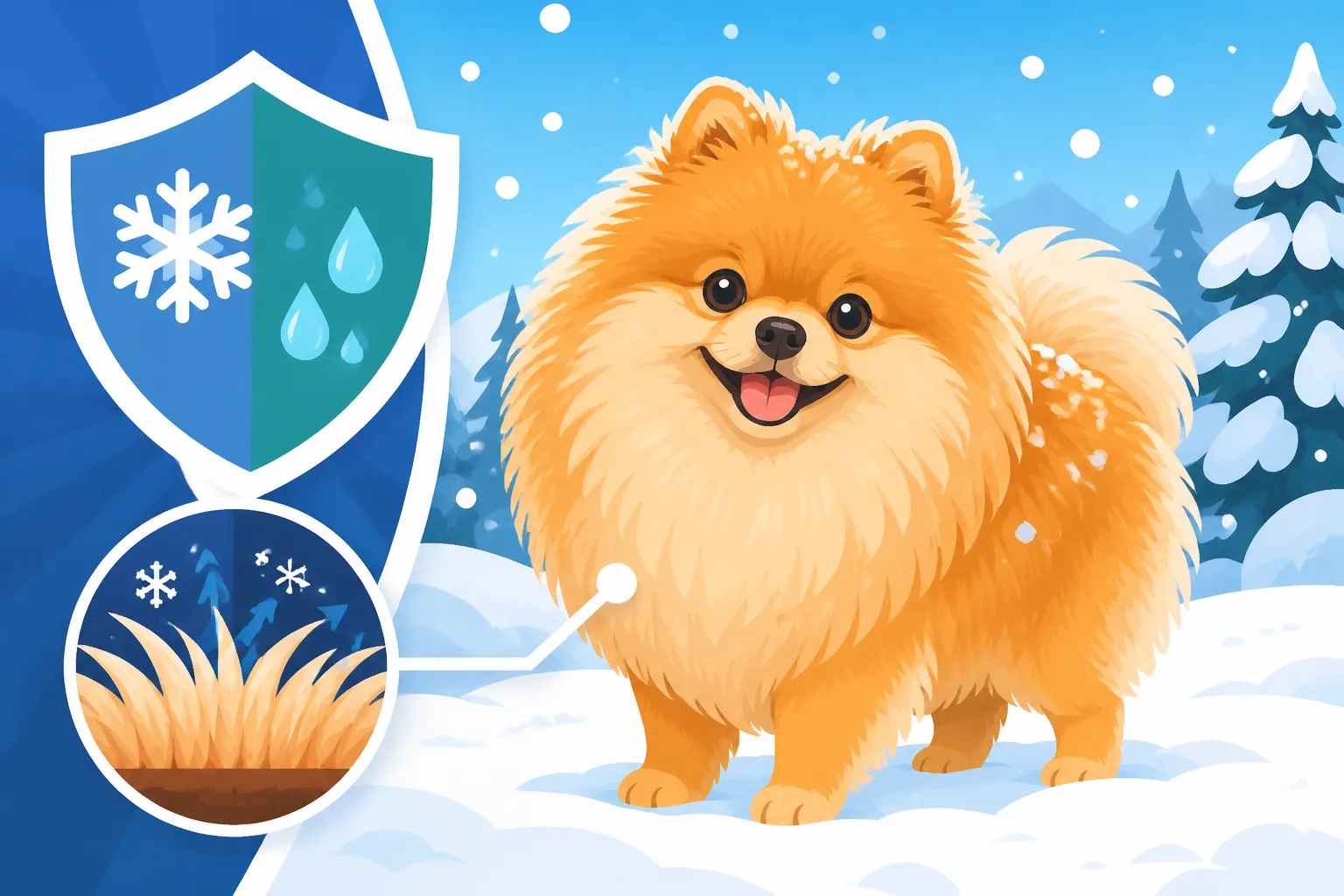
At the heart of the Pomeranian's cold-weather resilience is its incredibly dense, soft undercoat. This isn't just a bit of fluff; it's a thick layer of fine, woolly hair that acts like a natural thermal blanket. Imagine wearing a high-quality down jacket – that's essentially what the undercoat does for your Pom. It traps air close to their body, warming it with their natural body heat, and creating an insulating barrier against the cold outside. This dense layer is crucial for maintaining their core body temperature, especially when temperatures drop significantly. When you properly brush your Pomeranian, you're not just removing loose hair; you're also helping to keep this undercoat airy and free of mats, which allows it to insulate most effectively. A matted undercoat can compress, losing much of its insulating properties. You can learn more about The Double Coat That Makes a Pomeranian and Why It Stays On.
The Role of the Guard Hairs
Above that fluffy undercoat sits the second, equally important layer: the long, coarse guard hairs. These are the hairs you see, giving the Pomeranian its characteristic "stand-off" appearance. The guard hairs are stiffer and more resistant to moisture, forming a protective outer shell. Think of them like the waterproof and windproof outer layer of your own winter coat. They shed snow and rain, preventing moisture from penetrating down to the insulating undercoat and skin. This natural repellency is vital in snowy conditions, as a wet undercoat quickly loses its ability to insulate and can lead to dangerous chilling. These guard hairs also protect the delicate skin from abrasions and environmental damage, adding another layer of defense against winter's bite.
Natural Adaptations to Cold Climates
Beyond the coat itself, Pomeranians possess other adaptations that harken back to their northern roots. Their compact size, while making them seem delicate, also means they have a smaller surface area relative to their body mass compared to larger breeds, which helps reduce heat loss. Their small, erect ears are less prone to frostbite than floppy ears, and their short muzzle, though often celebrated for its "fox face" appearance, can help warm incoming air slightly before it reaches their lungs. However, it's essential to remember that while these are natural adaptations, modern Pomeranians, often bred for smaller sizes and kept as indoor companions, may not have the same hardiness as their distant ancestors. They still require careful consideration and supplemental protection when exposed to extreme cold or extended periods in the snow.
How the Pomeranian Coat Interacts with Snow
While their double coat is a fantastic defense, snow presents some unique challenges that Pomeranian owners need to be aware of. It's not always as simple as letting them romp freely; the texture and consistency of snow can impact their fur in unexpected ways.
Snowballing: The Pesky Reality
One of the most common frustrations for Pomeranian owners in winter is "snowballing." This occurs when snow, particularly the wet, clumpy kind, adheres to their long coat hairs, forming dense, icy balls. These can accumulate quickly on their britches, around their legs, under their belly, and especially between their paw pads. Not only are these snowballs uncomfortable and heavy, but they can also pull at the fur, causing pain, skin irritation, and even frostbite if left unattended. Imagine trying to walk with frozen golf balls stuck to every joint – it's no fun for your Pom. Regular checks during and after outdoor excursions are crucial. Applying a protective paw balm or conditioning spray to their coat before heading out can sometimes reduce the adhesion of snow.
When the Coat Gets Wet: Managing Dampness
Despite the guard hairs' repellency, prolonged exposure to wet snow or sleet can eventually saturate a Pomeranian's coat, especially if the snow is melting or they're rolling around in it. A wet coat is a cold coat. Once the undercoat becomes damp, its insulating power is severely compromised, putting your Pom at risk of hypothermia. This is particularly true if they aren't actively moving or if the ambient temperature is very low. It's a tricky balance: they need exercise, but you don't want them getting soaked. Knowing How Much Dander a Pomeranian's Undercoat Releases can give you an idea of how dense that insulating layer truly is, and how much capacity it has to absorb moisture. Even if you've seen videos of Poms joyfully bounding through deep snow, remember that short bursts of activity are very different from extended exposure.
The Impact of Temperature on Coat Performance
The effectiveness of a Pomeranian's coat in snow isn't just about the snow itself, but also the temperature. In very dry, powdery snow at extremely cold temperatures, the snow is less likely to cling and form large snowballs. However, these conditions also mean a higher risk of frostbite and rapid chilling. In warmer, wetter snow (often around freezing temperatures), snowballing is a much bigger issue, and the coat is more likely to become saturated. The contrast in temperatures when moving from a warm house to cold outdoor air, then back inside, also needs careful management. Rapid temperature changes can be a shock to their system, so a gradual re-acclimation indoors, perhaps with a warm towel wrap, can be beneficial. Understanding How a Double Coated Pomeranian Handles Summer can offer an interesting comparison of how their coat works in different extreme temperatures.
Protecting Your Pomeranian in Winter Weather
While their natural coat is a good starting point, modern Pomeranians often benefit from additional protection when venturing into snowy, cold conditions. Their small size makes them more vulnerable to extreme temperatures than larger, hardier breeds.
Considering Outerwear and Boots
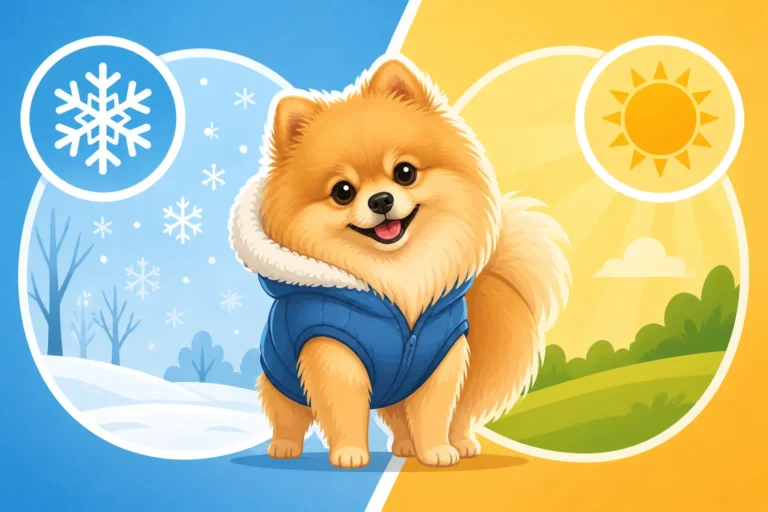
Don't underestimate the power of a good winter coat or sweater for your Pomeranian. For short walks or brief potty breaks, a well-fitting, waterproof coat can provide an extra layer of insulation and prevent their dense fur from becoming wet and matted with snow. Look for coats that cover their back and belly effectively, but don't restrict their movement. Brands often available on platforms like Chewy offer a wide range of sizes and styles suitable for small breeds. Similarly, dog boots are a game-changer for protecting their paw pads from ice, salt, chemicals, and those pesky snowballs. Many Poms resist boots at first, but with patience and positive reinforcement, most can learn to tolerate them. It's vital to get boots that fit snugly but aren't too tight, ensuring they stay on without causing discomfort. Finding boots that fit a Pomeranian’s tiny paws can be a challenge, but brands on Amazon often have extensive size charts and customer reviews to help. If you're wondering whether a Pomeranian needs clothing at all, consider that the extra layer can significantly increase their comfort and safety in sub-freezing temperatures.
Safe Playtime in the Snow
Pomeranians love to play, and snow can be a source of immense joy for them. However, safety is paramount. Keep playtime sessions short, especially in very cold weather. Fifteen to twenty minutes might be plenty, depending on the temperature and your dog's individual tolerance. Always supervise them closely. Watch for signs of discomfort like shivering, lifting paws, or trying to burrow. Deep snow can be tiring for them, requiring more effort to navigate, which can also deplete their energy and body heat more quickly. Choose areas with cleared paths or shallower snow for their main exercise. Also, be mindful of where they play; avoid areas where salt or de-icing chemicals are used, as these can irritate their paws and be toxic if ingested.
Preventing Slippery Situations
Ice is a major hazard for Pomeranians. Their delicate bone structure and propensity for conditions like Slipping Kneecaps in a Five Pound Pomeranian mean that a fall on ice can lead to serious injury. Always walk your Pomeranian on a leash in icy conditions, and consider a non-slip harness over a collar to protect their fragile windpipe. Why a Collar Threatens a Pomeranian's Windpipe is an important read, especially when there's a risk of sudden jerks or falls. Clear a path in your yard or use pet-safe de-icers around your home's entrance. If you have steps or ramps for your Pomeranian inside your home to protect their joints, consider how you might replicate safe, non-slip surfaces outside if they need to navigate them.
Post-Snow Care for Your Pomeranian's Coat and Paws
Bringing your Pomeranian in from the snow isn't the end of their winter care routine; it's just the beginning. Proper post-exposure care is vital to prevent matting, skin irritation, and other cold-related issues.
Thorough Drying Techniques
Once your Pomeranian comes inside, the first order of business is to get them thoroughly dry. Start by gently removing any clinging snowballs from their fur. A wide-toothed comb or even your fingers can work, but be gentle to avoid pulling. Use absorbent towels to blot away as much moisture as possible. Pay close attention to their belly, legs, and under their ruff, where snow tends to accumulate. For a more complete dry, especially if they're quite wet, use a pet-specific blow dryer on a cool or low-heat setting. Keep the dryer moving to prevent hot spots and brush their fur as you dry to ensure the undercoat is completely dry and fluffed up, restoring its insulating properties. Drying is crucial to prevent chills and skin issues. You can find excellent pet dryers and brushes on Amazon or Chewy. Dryers and Brushes for Grooming a Pomeranian at Home offers more detailed guidance on essential grooming tools.
Paw Pad Protection and Cleaning
Pomeranian paw pads are susceptible to cracking, dryness, and irritation from cold, ice, and chemicals. After every snow outing, gently wipe their paws with a warm, damp cloth. This removes any salt, de-icing agents, or tiny ice crystals that might be lodged between their toes. You can also use a mild, pet-safe paw cleanser if necessary. Once clean and dry, apply a moisturizing paw balm to keep their pads supple and prevent cracking. Many brands, like Musher's Secret or similar products found on Chewy, are designed for this purpose. Regularly trimming the fur between their paw pads can also help prevent snow and ice from accumulating there, making boots fit better, and reducing the risk of slipping. This also makes cleaning easier. Check out Trimming the Tufts Between a Pomeranian's Pads for detailed instructions.
Checking for Ice and Debris
Beyond snowballs, small pieces of ice, grit, or even sharp debris can get embedded in a Pomeranian's fur or paws, especially if they've been romping through areas that aren't perfectly clean. After drying, take a few extra minutes to thoroughly check their entire body. Run your hands through their coat, feeling for any foreign objects. Pay particular attention to their armpits, groin area, and the underside of their tail, as these are common spots for things to hide. A fine-toothed comb can help gently dislodge any stubborn bits. Finding and removing these quickly prevents matting, skin irritation, or potential injury. This meticulous post-snow routine is just as important as the pre-snow preparation.
Recognizing and Preventing Cold-Related Issues
Even with their magnificent coats, Pomeranians are not impervious to the dangers of extreme cold. Being able to spot the early warning signs of cold-related distress is critical for their safety.
Signs of Hypothermia and Frostbite
Hypothermia occurs when a dog's body temperature drops dangerously low, while frostbite is tissue damage caused by freezing. Both are serious and require immediate attention.
Signs of hypothermia include:
- Shivering: Initially, this is a natural response, but persistent, uncontrolled shivering is a red flag.
- Lethargy and weakness: They may become less active, appear drowsy, or struggle to move.
- Cold to the touch: Their ears, paws, and tail will feel unusually cold.
- Pale or blue gums: A severe sign indicating poor circulation.
- Stumbling or lack of coordination: As their body temperature drops, their nervous system is affected.
Signs of frostbite often appear on extremities like ear tips, tail tip, and paw pads: - Pale, waxy, or grayish skin: The affected area may look discolored.
- Cold to the touch: Even after coming inside, the area remains cold.
- Pain or tenderness: Though initially numb, affected areas can become very painful as they warm up.
- Blisters or ulcers: In severe cases, these can develop.
If you suspect either, immediately bring your Pom into a warm environment, wrap them in warm (not hot) towels or blankets, and contact your veterinarian immediately. Do not rub frostbitten areas, as this can cause further damage.
The Importance of Short Outings
Given their size and despite their coat, Pomeranians lose body heat more rapidly than larger dogs. This means their outdoor time in cold or snowy weather needs to be carefully managed. Short, frequent outings are much safer than one long expedition. A quick fifteen-minute potty break might be fine, but an hour-long walk in freezing temperatures could be dangerous. Pay attention to the "feels like" temperature, factoring in wind chill. If it's too cold for you to comfortably stand outside without appropriate gear, it's likely too cold for your Pomeranian to be out for an extended period, even with a coat. This is especially important for young puppies or senior Pomeranians. Remember, How Far a Pomeranian Can Walk in a Day is significantly impacted by weather conditions.
Winter Hydration and Nutrition
It might seem counterintuitive, but hydration is just as important in winter as in summer. Dry indoor air, increased exertion in snow, and reduced water intake if outdoor water bowls freeze can all contribute to dehydration. Ensure your Pomeranian always has access to fresh, unfrozen water indoors. Some dogs may even benefit from slightly warmed water to encourage drinking. In terms of nutrition, a healthy, balanced diet is crucial for maintaining a strong immune system and a healthy coat, both of which are key defenses against winter illnesses. If your Pomeranian is particularly active in the snow, consult your vet about whether a slight increase in calorie intake might be beneficial, but generally, their daily food intake as discussed in The Small Monthly Food Bill a Pomeranian Runs should remain consistent unless advised otherwise. Overfeeding to "fatten them up" is generally not recommended, as excess weight can put a strain on their tiny bodies.
Dispelling Myths About Pomeranians and Cold Weather
There are many misconceptions floating around about Pomeranians and their ability to withstand cold and snow, often stemming from their Spitz heritage. Let's clear up some common ones to ensure your Pom receives the best care.
"Poms Are Arctic Dogs, They're Fine"
This is perhaps the biggest myth. While Pomeranians do descend from much larger Arctic Spitz breeds, generations of selective breeding for smaller size and companion temperament have significantly altered their physiology. A tiny, 5-pound Pomeranian living in a heated home in an urban environment is not the same as a 25-pound sled dog ancestor thriving in the Arctic tundra. Their core body temperature regulation, metabolic rate, and overall resilience to extreme cold are simply not the same. It's akin to expecting a Chihuahua to run a marathon because its distant wolf ancestors could. While their double coat is a fantastic asset, it's not an invincibility cloak. Always prioritize their comfort and safety over historical lineage.
"A Thick Coat Means No Cold Care Needed"
Another common misunderstanding is that a thick, luxurious coat negates the need for any additional winter care. As we've discussed, even the densest coat can become saturated with wet snow, matted with ice balls, or simply overwhelmed by extreme temperatures. The coat provides insulation, but it doesn't generate heat, nor does it offer full protection from ground hazards like salt or sharp ice. Neglecting paw care because of a thick coat, for instance, is a recipe for cracked pads and discomfort. A beautiful coat is a great start, but it's part of a larger picture of winter preparedness that includes outerwear, paw protection, and judicious outdoor time. Think of it this way: you wouldn't go outside in a blizzard with just a down jacket and no boots or gloves, even if your jacket is incredibly warm.
"Poms Enjoy Being Buried in Snow"
While some Pomeranians might, for a fleeting moment, delight in diving face-first into a fresh powder drift, assuming they "enjoy being buried" or left unsupervised in deep snow is dangerous. Their small stature means that even a moderate snowfall can become very deep for them, making movement difficult and rapidly increasing their exposure to cold. It can also cause panic, as they might struggle to find their way out or become disoriented. Deep snow can also hide hazards like sharp objects, icy patches, or even other animals. Short, supervised romps in areas where they can easily move and remain above the snow line are ideal. Always ensure they are under your watchful eye and can easily return to safety.
Here's a quick comparison of essential winter care strategies for your Pomeranian:
| Strategy | Description | Benefits | Considerations |
|---|---|---|---|
| Coat Brushing | Regular brushing (e.g., How Many Times a Week a Pomeranian Is Brushed) | Maintains coat's insulating properties, prevents matting and snowballs. | Must be done thoroughly to the skin; requires specific tools like a slicker and pin brush. |
| Protective Outerwear | Waterproof coats or sweaters for walks. | Adds insulation, keeps coat dry, protects from wind. | Must fit well and not restrict movement; some Poms dislike wearing clothes initially. |
| Paw Protection | Dog boots, paw balm. | Shields pads from ice, salt, chemicals, snowballs; prevents cracking. | Can take time for dogs to adjust to boots; proper fit is crucial; regular reapplication of balm needed. |
| Short Outings | Limiting time spent outdoors in extreme cold/snow. | Prevents hypothermia and frostbite; reduces exposure to hazards. | Requires more frequent potty breaks; Poms may still need mental stimulation indoors. |
| Post-Exposure Care | Thorough drying, paw cleaning, checking for debris. | Prevents matting, skin irritation, and discomfort; ensures full recovery. | Time-consuming but essential; requires pet-safe dryer and cleaning supplies. |
| Proper Nutrition | Consistent, high-quality diet. | Supports overall health, maintains coat quality, aids immune system. | Avoid overfeeding; consult vet for any dietary changes if activity levels increase. |
Ultimately, while the Pomeranian's coat is a remarkable natural defense, it's our responsibility as their guardians to understand its limitations and provide thoughtful, proactive care during the snowy months.
Disclaimer
This article is for general informational purposes only and does not constitute professional advice. Laws, prices and regulations vary by location and change over time. Consult a qualified professional for guidance on your specific situation.