The Pomeranians That Survived the Titanic
The stories of the Titanic's sinking are filled with harrowing human experiences, but many people don't realize that pets, cherished companions, were also on board. The thought of their fate is heartbreaking, but did you know that a few tiny Pomeranians actually defied the odds and survived the catastrophe? This guide delves into the poignant history of these small, brave souls and their owners, exploring the unique circumstances that led to their survival and what their stories mean for our bond with pets even today.
Dogs on Board the "Unsinkable" Ship: A Glimpse into Edwardian Pet Ownership
When we think of the Titanic, our minds often go to the grand ballrooms, the opulent dining rooms, and the strict class divisions. What's often overlooked is the little slice of domestic life that traveled alongside its human owners. Many passengers, especially those from affluent backgrounds, brought their beloved pets with them on their journeys across the Atlantic. These animals weren't just cargo; they were family members, a testament to the deep bonds between humans and dogs, even in an era that might seem more formal than our own.
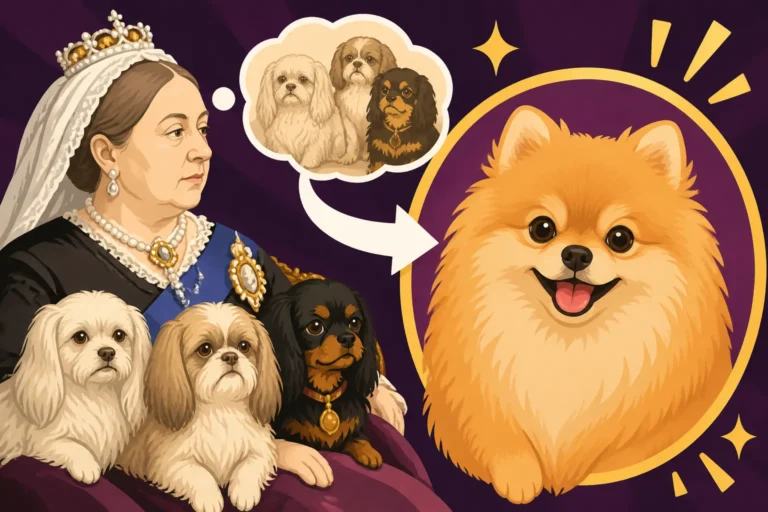
The White Star Line, the company that owned the Titanic, actually had provisions for pets, albeit limited ones. They typically housed dogs in custom-built kennels on the F-deck, which was far below the main passenger areas. These kennels were quite luxurious for their time, featuring an exercise area and regular care from crew members. However, the catch was that dogs were generally not permitted in passenger cabins. This rule, as we'll see, was often bent, especially for smaller dogs whose presence was easier to conceal. Imagine the anxiety of a pet parent, knowing their cherished companion was housed far away, particularly on such a grand but ultimately ill-fated voyage. The desire to keep their tiny companions close undoubtedly led many to discreetly house them in their cabins, and a look at The Twenty Five Pound Pomeranian of the 1800s shows how different Poms looked back then, perhaps making some breeds harder to hide than the petite dogs we know today.
The sinking of the Titanic was a moment of utter chaos, a desperate scramble for survival where only the most vulnerable were left behind. In that terrifying scenario, rules about pets quickly became secondary to the primal instinct to survive. For many, leaving their beloved animals behind was an agonizing choice, but for others, the opportunity arose to save them, particularly if those pets were small enough to go unnoticed in the rush to the lifeboats. This intersection of personal devotion and desperate circumstances highlights the true depth of the human-animal bond.
The Lucky Few: The Pomeranians Who Made It Through
Amidst the tragedy, the survival stories of a select few dogs stand out, none more so than those of the Pomeranians. Their diminutive size played a crucial role in their escape, allowing them to be carried onto lifeboats by their devoted owners, often without drawing the attention that a larger dog might have. These tiny canines, often weighing no more than The Three to Seven Pounds a Pomeranian Is Allowed, proved to be surprisingly resilient in the face of disaster. Their compact stature was their greatest asset when the "women and children first" protocol was strictly enforced and space was at an absolute premium.
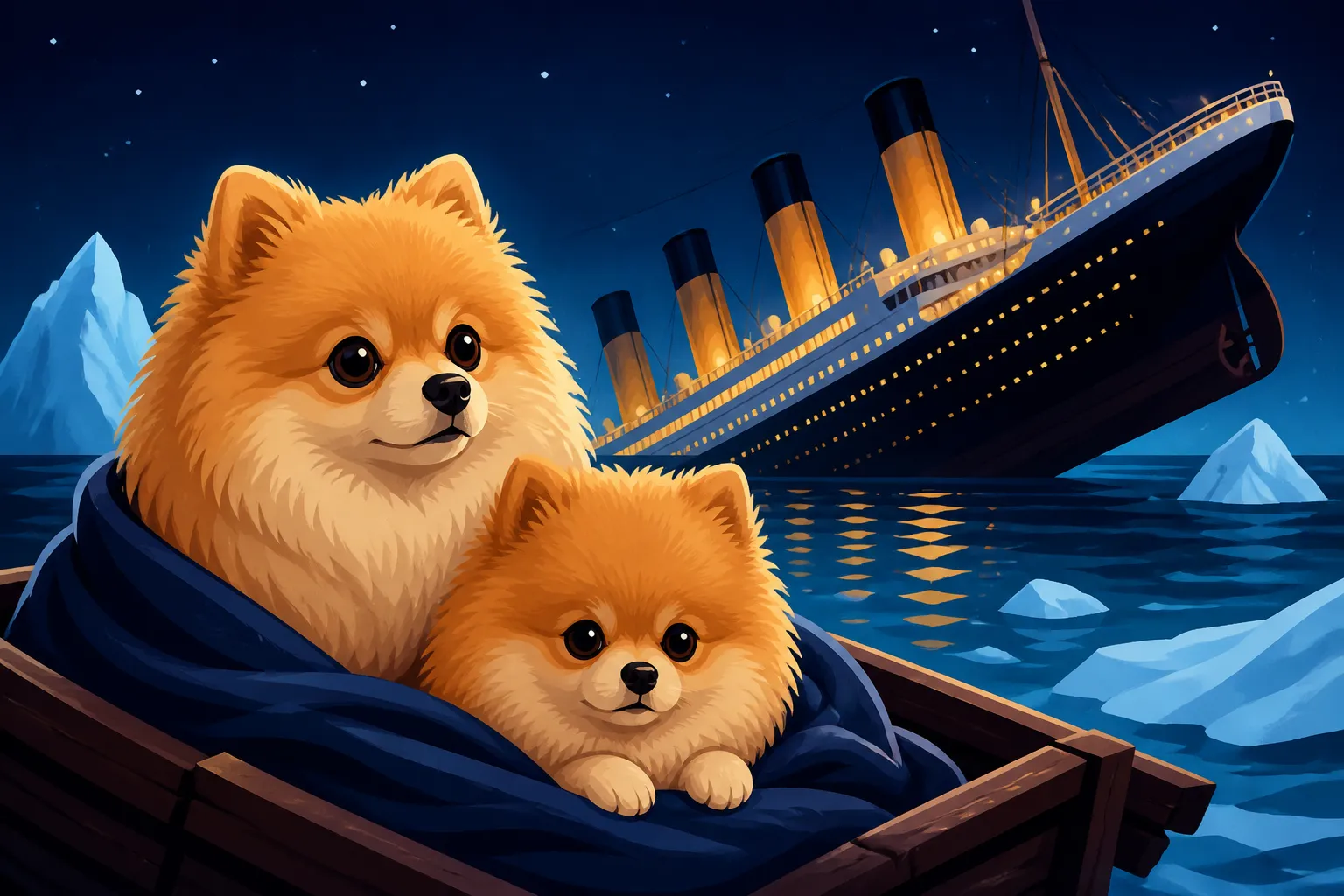
One of the most famous Pomeranian survivors belonged to Miss Margaret Hays, a New Yorker traveling in First Class. Her little Pom, whose name is believed to have been "Lady," was reportedly wrapped in blankets and carried onto Lifeboat 7, one of the first to be lowered. This act of quiet defiance and deep affection speaks volumes about the value Miss Hays placed on her canine companion. Imagine the courage and quick thinking it took to protect such a small, fragile creature amidst the pandemonium. Lady, a true testament to the tenacity of these little dogs, went on to live a long life.
Another remarkable story is that of Mrs. Elizabeth Barrett Rothschild. She and her husband, Martin Rothschild, were also First Class passengers. Mrs. Rothschild refused to board a lifeboat without her beloved Pomeranian. Accounts suggest that she was able to bring her dog onto Lifeboat 6, again by concealing the tiny pup in her coat. Sadly, her husband perished in the disaster, but her determination to save her little dog in such a personal moment of grief underscores the profound emotional support these animals provide. These aren't just stories of survival; they are tales of unwavering love and the lengths people will go to protect their furry family members. It reminds us that even when facing the worst, the bond with our pets remains a powerful force.
These accounts paint a picture of extraordinary circumstances where the love for a pet transcended the strict rules of the ship. These Poms were not just lucky; they were deeply cherished, and their owners took immense personal risks to ensure their safety. It's a poignant reminder that while many were lost, these small acts of courage and devotion shone through the darkness.
| Surviving Dog (Breed) | Owner | Lifeboat | Notes |
|---|---|---|---|
| Pomeranian | Miss Margaret Hays | 7 | Believed to be named "Lady," wrapped in blankets. |
| Pomeranian | Mrs. Elizabeth Barrett Rothschild | 6 | Carried in coat; husband perished. |
| Pekinese | Mr. Henry S. Harper | 3 | Named "Sun Yat Sen," reportedly unnoticed. |
This table shows us that small breeds had a distinct advantage. Their ability to be held close, to be quiet, and to fit into small spaces literally meant the difference between life and death. The contrast between these tiny survivors and the many larger dogs left behind is stark, highlighting the grim reality of the disaster.
Why Size Was the Deciding Factor for Canine Survival
The grim reality of the Titanic disaster meant that survival was often a matter of luck, timing, and circumstances. For the dogs on board, particularly the smaller breeds like Pomeranians, their size proved to be the single most defining factor in their ability to survive. While larger dogs were undeniably beloved, their visibility and the sheer space they occupied made them impossible to conceal during the chaotic evacuation. No matter how much an owner loved their Labrador or their Airedale, there was simply no way to discreetly bring them onto a lifeboat designed for humans, not pets. This is where the inherent fragility and portability of the Pomeranian became its unexpected strength.
The three dogs confirmed to have survived the sinking of the Titanic were all toy breeds: two Pomeranians and one Pekinese. This isn't a coincidence. These dogs could be easily picked up, tucked into a coat, or wrapped in a blanket without attracting undue attention. In the desperate scramble for lifeboats, where every second counted and space was at an absolute premium, a small dog was simply less likely to be noticed or challenged than a larger animal. Imagine the scene: frantic crew members ushering passengers, the roar of escaping steam, the chilling cold. A person clutching a tiny bundle would likely have been waved past without question, whereas someone attempting to bring a hefty dog would have faced immediate refusal.
This reality highlights the profound difference in how the situation unfolded for different breeds. For example, a King Charles Spaniel owned by a Miss Helen Bishop was initially brought into a lifeboat, but a crew member reportedly threw it overboard. While heartbreaking, this illustrates the harsh choices being made and the desperate need to prioritize human life. The Pomeranians, being even smaller than a King Charles, often slipped through these stringent checks. Today, we understand the delicate nature of these small dogs, and articles like Anesthesia Risk in a Four Pound Pomeranian remind us of their inherent physical vulnerability, making their survival on the Titanic even more miraculous.
The Titanic's tragic end serves as a stark reminder of the desperate choices made during moments of crisis. While it's easy to judge from the comfort of hindsight, the bond between humans and their pets is so powerful that for some, the thought of leaving their companion behind was simply unimaginable. The small stature of the Pomeranian, a breed that has evolved to be a companion dog, ironically gave them an advantage that larger, working breeds simply didn't possess in that dire moment. It was an unfair, but ultimately life-saving, distinction.
The Lasting Impression: What the Titanic Pomeranians Teach Us About Pet Bonds
The stories of the Pomeranians who survived the Titanic are more than just historical footnotes; they are enduring testaments to the unbreakable bond between humans and their animal companions. In a moment of unimaginable terror and loss, the instinct to protect a beloved pet remained incredibly strong for some individuals. These survivors illustrate that even amidst widespread panic and a strict social hierarchy, the personal connection to a cherished dog could override rules and common sense. It speaks volumes about how deeply ingrained our pets are in our emotional lives, offering comfort and unconditional love even when everything else is falling apart.
Their stories also serve as a poignant reminder of the vulnerabilities pets face when traveling, especially during emergencies. While we certainly hope no one ever faces a situation as dire as the Titanic's sinking, the concept of keeping our pets safe during travel remains incredibly relevant. Today, responsible pet owners consider everything from ensuring their pet has a properly fitted Carriers and Slings for a Pomeranian for safe transport, to having emergency plans in place for natural disasters. We equip ourselves with knowledge and supplies, often turning to trusted retailers like Chewy for everything from secure travel crates to comfort items for our anxious pups.
The legacy of these Titanic Pomeranians is a reminder that our pets are not just animals; they are family. Their stories encourage us to appreciate the unique relationships we share with them and to always prioritize their safety and well-being. Whether it's planning for a cross-country move or simply a trip to the local park, ensuring our Pomeranians are secure and comfortable is a reflection of that enduring love. Knowing Whether a Pomeranian Travels Well is a key piece of information for any modern pet parent. From choosing the right food to having a cozy bed, every decision we make for our little Poms is a testament to the fact that they are indeed "family." This commitment to their well-being ensures that their lives are filled with safety and love, a stark contrast to the perilous journey of those early 20th-century Poms. We now have an array of options available through platforms like Chewy to ensure our pets have everything they need for a safe and happy journey, big or small.
Disclaimer
This article is for general informational purposes only and does not constitute professional advice. Laws, prices and regulations vary by location and change over time. Consult a qualified professional for guidance on your specific situation.