Monthly Cough Medication for a Pomeranian
The sound of your beloved Pomeranian hacking and wheezing can be absolutely heartbreaking, leaving you feeling helpless and worried about their comfort and long-term health. Many Pom owners face the daily struggle of managing a persistent cough, often wondering if there's a sustainable, affordable solution. This comprehensive guide will walk you through the nuances of cough medication for your Pomeranian, from understanding the underlying causes to navigating the monthly costs and ensuring effective treatment, so you can help your tiny companion breathe easier and live more comfortably.
Understanding Your Pomeranian's Cough
Before we even talk about medication, it's crucial to understand why your little Pom might be coughing in the first place. A cough isn't a diagnosis; it's a symptom, and for small breeds like Pomeranians, it can signal a few very common and sometimes serious issues. Ignoring it or assuming it's "just a cough" can lead to progression of the underlying condition and more discomfort for your furry friend.
The Common Culprits Behind a Pomeranian's Cough
Pomeranians, with their delicate structures and genetic predispositions, are unfortunately susceptible to several conditions that manifest as a cough. One of the most prevalent and distressing is tracheal collapse. Imagine trying to breathe through a straw that keeps flattening – that's what it can feel like for a Pom with a collapsing windpipe. The cartilage rings in their trachea weaken and flatten, especially when they pull on a collar, get excited, or exert themselves. This often produces a characteristic "honking" sound, like a goose. The Honking Cough of a Pomeranian's Collapsing Windpipe is a common and terrifying experience for many owners.
Another frequent cause, particularly in puppies or dogs exposed to other canines, is kennel cough. While usually self-limiting, it can still be quite intense and persistent, sounding like a harsh, dry cough or a retch. Beyond the respiratory system itself, a cough can also be a symptom of cardiac issues, especially in older Pomeranians. An enlarged heart or fluid buildup due to heart disease can press on the airways, leading to a cough that often worsens at night or when lying down. It's a tricky distinction, and you might wonder Whether a Pomeranian's Cough Is Heart or Trachea. Allergies, asthma, or even a foreign body can also cause a cough, though these are less common as chronic issues compared to tracheal collapse or heart disease.
When a Cough Becomes a Chronic Concern
A single cough or a short bout of kennel cough is one thing, but when your Pomeranian's cough becomes a regular part of their day, it shifts from an acute problem to a chronic concern. This is often the case with tracheal collapse, which typically presents as an intermittent issue that gradually worsens over time. You might notice it after they drink water, get excited about a walk, or even after a nap. It can range from a mild honk to a severe choking fit. The Age a Pomeranian's Trachea Starts Collapsing can vary, but it's something many Poms will contend with as they age.
Chronic coughing significantly impacts your dog's quality of life. It can lead to fatigue, reluctance to play, anxiety, and even difficulty eating. The constant irritation to the airway can also make them more susceptible to secondary infections, turning a mechanical problem into a complex medical challenge. Managing these long-term conditions requires consistent effort and a dedicated treatment plan.
Diagnosing the Underlying Issue
The first, most critical step when your Pomeranian develops a cough is a trip to the veterinarian. Please don't try to self-diagnose or treat with over-the-counter remedies without professional guidance; what works for one type of cough could be ineffective or even harmful for another. Your vet will conduct a thorough physical examination, listen to your dog's heart and lungs, and ask about the cough's characteristics, frequency, and triggers.
To pinpoint the exact cause, diagnostics are usually necessary. X-rays of the chest and trachea can help visualize the airway and detect any signs of collapse or heart enlargement. Sometimes, a fluoroscopy (a moving X-ray) can be performed to observe the trachea in real-time as your dog breathes, coughs, and swallows. Blood tests might be run to check for infection or other systemic issues. For cardiac concerns, an echocardiogram (ultrasound of the heart) may be recommended. In some cases, especially if a foreign body or severe infection is suspected, a tracheal wash or bronchoscopy (inserting a tiny camera into the airways) might be done, often requiring sedation. Before any procedure involving anesthesia, especially for a small dog, discussing Anesthesia Risk in a Four Pound Pomeranian with your vet is important.
Types of Cough Medication for Pomeranians
Once your veterinarian has a clear diagnosis, they can recommend a tailored medication plan. There isn't a one-size-fits-all solution, as treatment depends entirely on the cause of the cough and its severity.
Cough Suppressants
These medications aim to reduce the frequency and intensity of coughing. They work by acting on the cough center in the brain or by soothing irritated airways. Common vet-prescribed cough suppressants include hydrocodone, which is a narcotic, and butorphanol. These are powerful and highly effective but come with potential side effects like sedation or constipation. Your vet will carefully calculate the dose for your tiny Pomeranian to minimize risks.
Over-the-counter options like dextromethorphan (found in some human cough syrups) can sometimes be used, but only under strict veterinary guidance. It's crucial to ensure the product contains only dextromethorphan and no other active ingredients like acetaminophen (Tylenol) or decongestants, which can be toxic to dogs. Always check with your vet for the correct dosage and to confirm it's safe for your Pom. For a deeper dive into these options, check out Cough Suppressants for a Pomeranian.
Bronchodilators
Bronchodilators work by relaxing the muscles around the airways, making them wider and easier for air to pass through. This can be particularly helpful for conditions like asthma or chronic bronchitis, where airway constriction is a significant problem. Medications like theophylline or terbutaline are often prescribed.
These can sometimes be delivered via an inhaler with a special canine mask, which allows the medication to go directly to the lungs, reducing systemic side effects. While inhalers might seem intimidating for a small dog, with patience and positive reinforcement, many Poms learn to tolerate them.
Anti-inflammatories
Inflammation is a major contributor to coughing, especially in conditions like tracheal collapse or chronic bronchitis. When the airways are inflamed, they swell, making the passage of air even more difficult and triggering the cough reflex. Corticosteroids (like prednisone) are potent anti-inflammatory medications that can significantly reduce swelling in the airways, offering relief from coughing.
While very effective, long-term use of corticosteroids needs careful monitoring due to potential side effects such as increased thirst and urination, increased appetite, and in some cases, more serious issues like immune suppression or Cushing's disease. Your vet will always aim for the lowest effective dose for the shortest possible duration.
Antibiotics/Antivirals
If your Pomeranian's cough is due to an infection, whether bacterial (like kennel cough in some cases) or viral, antibiotics or antivirals will be prescribed. Antibiotics target bacterial infections, while antivirals address viral ones. It's important to complete the full course of medication, even if your dog seems better, to prevent recurrence and antibiotic resistance.
It's not uncommon for a chronic condition like tracheal collapse to be complicated by secondary bacterial infections, where the constant irritation creates an environment ripe for bacteria to thrive. In such cases, your vet might prescribe a combination of cough suppressants and antibiotics.
Natural Supplements and Support
While not medications in the traditional sense, several supplements and supportive measures can complement your Pomeranian's medical treatment. Omega-3 fatty acids, often found in fish oil, have anti-inflammatory properties and can support overall respiratory health. Glucosamine and chondroitin, typically used for joint health, are sometimes suggested for tracheal collapse as they may help support cartilage. Honey, a natural cough soother, can be given in very small amounts, but always confirm with your vet first, especially if your dog has diabetes or other health issues.
Environmental control is also key. Keeping your home well-humidified, especially in dry seasons, can help soothe irritated airways. Consider using a harness instead of a collar to avoid pressure on the trachea. Managing a Pomeranian's Windpipe Without Surgery often involves a combination of medication and these supportive therapies. Services like Chewy or your local pet store often stock humidifiers, air purifiers, and a variety of reputable supplements you might discuss with your vet.
The Reality of Monthly Costs and Long-Term Management
Managing a chronic cough in a Pomeranian is rarely a one-time expense. It often involves ongoing medication, regular vet visits, and sometimes lifestyle adjustments, all of which contribute to the overall cost.
Breaking Down the Medication Bill
The monthly cost of cough medication for your Pomeranian can vary widely depending on the specific drugs prescribed, the dosage, your dog's weight, and where you fill the prescription. Generic medications are almost always less expensive than brand-name versions, so it's worth asking your vet if a generic is available and appropriate.
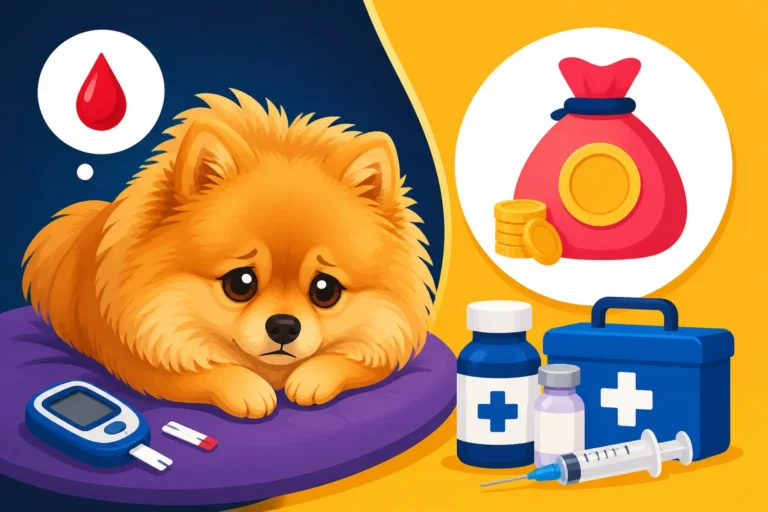
For example, a common cough suppressant like hydrocodone might cost anywhere from a modest sum to a significant amount per month, depending on the frequency and strength of the dose. Bronchodilators and anti-inflammatories also have their own price points. If your Pom requires an inhaler, the initial device can be pricey, and then the medication cartridges themselves are an ongoing expense.
| Medication Type | Typical Purpose | Monthly Cost Range (Estimate) | Adminstration |
|---|---|---|---|
| Cough Suppressants | Reduces coughing frequency/intensity | Low to Moderate | Oral liquid or tablet |
| Bronchodilators | Opens airways, eases breathing | Moderate to High | Oral tablet or inhaler |
| Anti-inflammatories | Reduces swelling in airways | Low to Moderate | Oral tablet or liquid |
| Antibiotics | Treats bacterial infections | Low to Moderate (short-term) | Oral tablet or liquid |
| Supplements | Supports respiratory/cartilage health | Low to Moderate | Oral capsule, powder, or liquid |
Remember, these are general estimates, and actual costs can differ significantly. It's always best to get a clear estimate from your vet when they prescribe new medications. When you're trying to keep up with monthly medications, services like Chewy can be a lifesaver, often offering auto-ship options for prescriptions and over-the-counter aids, sometimes even with a discount.
Beyond the Pills: Holistic Care and Other Expenses
Medication is just one piece of the puzzle. Effective long-term management often includes other expenses:
- Veterinary Consultations and Diagnostics: Regular check-ups are essential to monitor your Pom's condition and adjust medication as needed. These visits, along with any necessary X-rays or blood tests, add up. The Cost of Managing a Pomeranian's Trachea Long Term can be substantial.
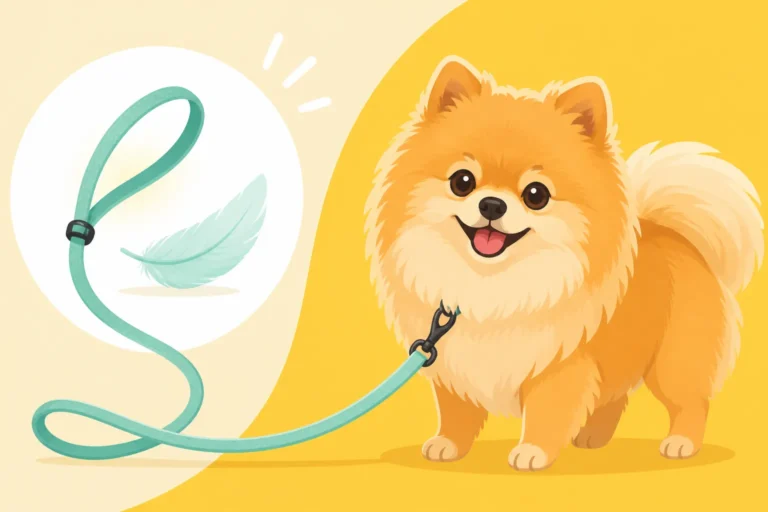
- Specialized Equipment: Switching from a collar to a harness is critical for Poms with tracheal issues. Harnesses Fitted for a Pomeranian's Windpipe help prevent further irritation. You might also consider ramps to prevent jumping, which can jar the trachea, or humidifiers to improve air quality.
- Dietary Adjustments: Sometimes, a weight management plan is crucial, as excess weight can worsen respiratory issues. Some owners opt for fresh food diets, like those offered by Ollie, believing they contribute to overall health and vitality, which might indirectly support respiratory function.
- Emergency Care: Despite best efforts, severe coughing fits or respiratory distress can still occur, leading to emergency vet visits. The Emergency Fees When a Pomeranian Cannot Breathe can be very high, especially outside of regular clinic hours.
Financial Planning and Support
The financial burden of chronic health conditions like a persistent cough can be daunting. Planning ahead can alleviate some stress:
- Pet Insurance: Many owners find peace of mind with pet insurance providers like Healthy Paws, which can help offset the significant costs of chronic conditions and ongoing prescriptions. It's wise to enroll your Pomeranian when they're young, before conditions like tracheal collapse or heart murmurs are diagnosed, as pre-existing conditions are typically not covered. Consider looking into What Insuring a Young Pomeranian Runs Monthly.
- Savings Account: Setting aside a dedicated emergency fund for your pet can be a wise strategy. Even a small amount put away each month can build up over time to cover unexpected vet bills or ongoing medication costs.
- Payment Plans and Assistance Programs: Don't hesitate to discuss payment options with your veterinary clinic. Many offer payment plans, or you can explore third-party credit services designed for veterinary care. There are also various charitable organizations that provide financial assistance for pet owners struggling with vet bills.
Administering Medication and Monitoring Effectiveness
Successfully giving medication to a small, often finicky Pomeranian can be an art form. Once the medication is in, knowing what to look for will help you and your vet gauge its effectiveness.
Tips for Giving Medication to a Tiny Dog
Pomeranians are small, and their medications often come in tiny pills or liquids. Here are some tips to make the process smoother:
- Pill Pockets or Food: For tablets, try using commercial pill pockets or a tiny piece of cheese, peanut butter (xylitol-free!), or cooked meat. Make it a treat they look forward to.
- Compounded Medications: If your Pom struggles with pills, ask your vet about having the medication compounded into a flavored liquid or a treat-like chew. This often makes administration much easier, though it can sometimes be a bit more expensive.
- Positive Reinforcement: Always follow medication time with praise, affection, or a favorite toy. Create a positive association with the process.
- Quiet Time: Choose a calm, quiet time when your Pom is relaxed. Rushing or forcing them will only increase their resistance.
- Watch for "Pill Spitting": Poms are masters of discreetly spitting out pills. Watch them carefully to ensure they've actually swallowed it. Sometimes, gently stroking their throat after giving the pill can encourage swallowing.
- Administering Liquids: For liquid medications, use a small syringe without the needle. Place the tip into the side of their mouth, between their cheek and gums, and administer slowly to avoid choking.
What to Watch For: Signs the Medication is Working, or Not Working
After starting medication, it's vital to closely observe your Pomeranian for signs of improvement or adverse reactions.
Signs of Improvement:
- Reduced Coughing Frequency and Intensity: This is the most obvious sign. Your Pom should be coughing less often, and the coughs they do have should be milder.
- Improved Breathing: Less wheezing, struggling, or open-mouth breathing.
- Increased Energy and Appetite: A dog who feels better will often show more interest in play and food.
- Better Sleep: If the cough was disturbing their sleep, medication should lead to more restful nights.
- Overall Brighter Demeanor: They might seem more like their old self, happier and more engaged.
Signs of Concern (Contact your vet if you observe these):
- Worsening Cough: If the cough becomes more frequent, severe, or productive.
- Increased Respiratory Distress: Labored breathing, blue-tinged gums, or extreme panting are emergencies.
- Side Effects: Excessive sedation, vomiting, diarrhea, loss of appetite, changes in thirst/urination (especially with steroids).
- No Improvement: If after the prescribed time, you see no change, the medication may not be effective or the diagnosis needs re-evaluation.
Keep a log of your Pomeranian's coughing episodes and any changes you notice. This information will be invaluable for your vet at follow-up appointments.
Regular Vet Check-ups
Long-term management of a chronic cough is a partnership between you and your veterinarian. Regular check-ups are essential for:
- Monitoring Progress: Your vet will want to assess how well the medication is controlling the cough and your Pom's overall health.
- Adjusting Dosage: As conditions change or your Pom ages, medication dosages may need to be tweaked.
- Detecting Side Effects: Regular blood work might be recommended, especially for Poms on long-term medications like corticosteroids, to monitor organ function and catch potential side effects early.
- Re-evaluating the Condition: Sometimes, the underlying condition can progress or new issues can arise. Ongoing assessments ensure the treatment plan remains appropriate.
- Environmental Factors: Your vet can also offer advice on managing environmental factors that contribute to coughing, such as humidity control or avoiding irritants like smoke. Humidity and a Pomeranian's Breathing can have a surprising impact.
Your commitment to consistent medication and regular veterinary care is the best way to ensure your Pomeranian lives a comfortable, happy life despite a chronic cough.
Disclaimer
This article is for general informational purposes only and does not constitute professional advice. Laws, prices and regulations vary by location and change over time. Consult a qualified professional for guidance on your specific situation.