Whether a Pomeranian Needs Pre-Anesthetic Bloodwork
Pre-anesthetic bloodwork for Pomeranians reveals internal health issues before procedures, protecting tiny bodies during anesthesia.
Know what to watch for.
Breed-specific conditions, screening and DNA tests, what surgery actually costs, and the daily habits that stretch a healthy lifespan.

Pre-anesthetic bloodwork for Pomeranians reveals internal health issues before procedures, protecting tiny bodies during anesthesia.

Vaccine timing for tiny Pomeranian puppies depends on maternal antibodies, high metabolism, and delicate immune systems.
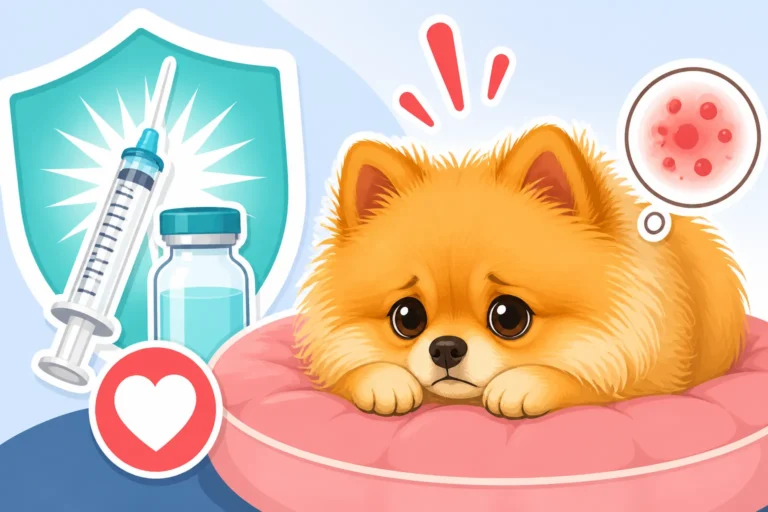
Vaccine reactions in miniature dogs occur because standard doses overwhelm small bodies with disproportionate antigen concentrations.
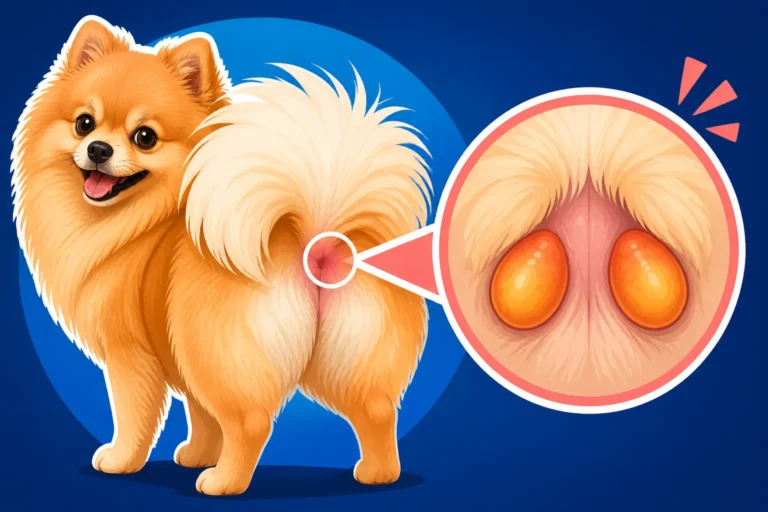
Impacted anal glands in Pomeranians cause scooting and licking, and this text explains why they happen and how to help your dog.

Pomeranian skin allergies, double coat risks, and environmental triggers explained with signs, causes, and relief methods.

Seizures in Pomeranians include focal and generalized types with distinct pre-ictal, ictal, and post-ictal phases requiring careful observation.
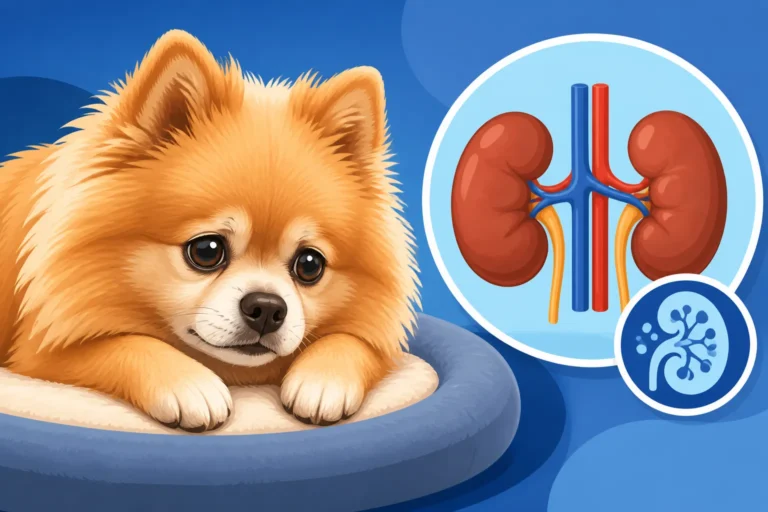
Kidney disease in senior Pomeranians and how failing nephrons, dental issues, toxins, and age lead to dangerous toxin buildups.
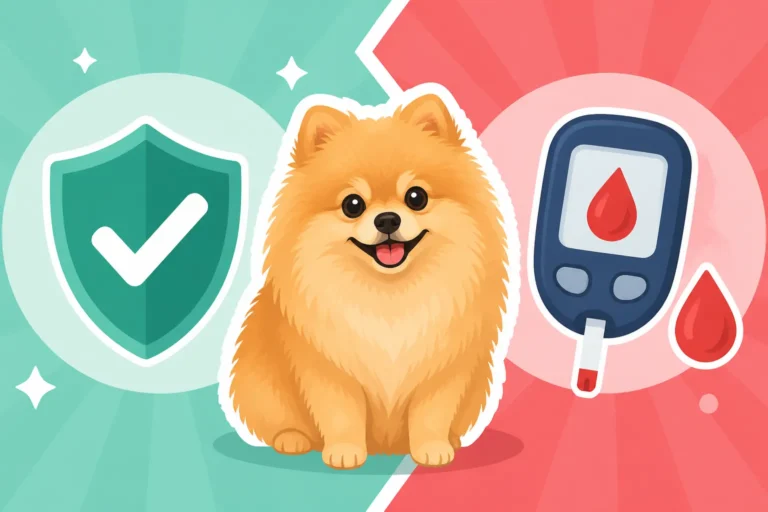
Pomeranians can develop diabetes mellitus, requiring owners to understand symptoms, risks, and insulin injection management.
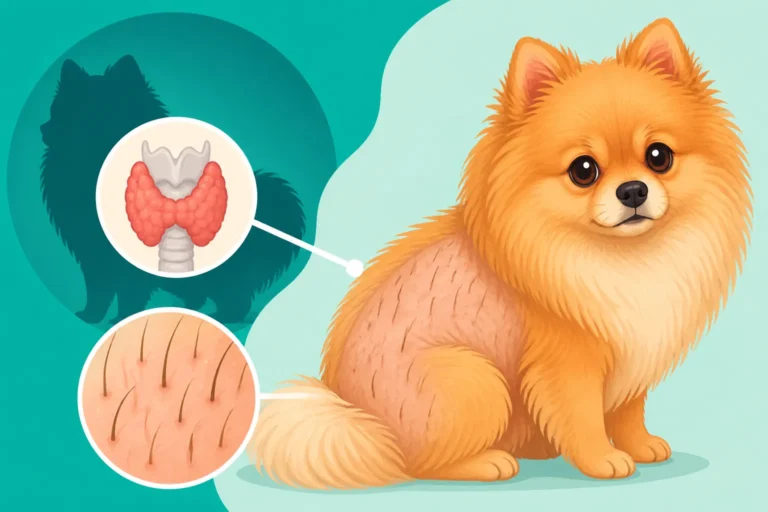
Pomeranian hair loss and skin darkening can indicate Alopecia X or other hormonal conditions requiring a thorough veterinary diagnosis.
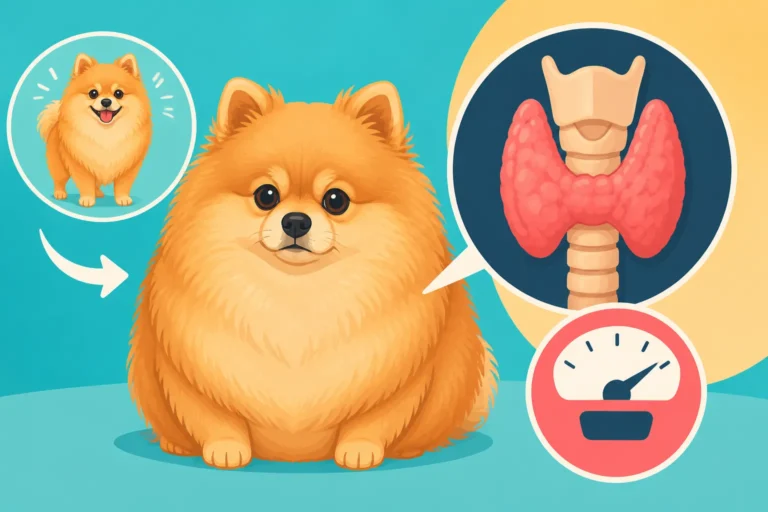
Pomeranian weight gain can indicate hypothyroidism, causing lethargy, cold intolerance, coat thinning, and severe stress on tiny joints.