A Pomeranian Whose Thyroid Has Slowed
Hypothyroidism in Pomeranians explains the symptoms, diagnosis, and management steps for this common canine endocrine disorder.
Know what to watch for.
Breed-specific conditions, screening and DNA tests, what surgery actually costs, and the daily habits that stretch a healthy lifespan.

Hypothyroidism in Pomeranians explains the symptoms, diagnosis, and management steps for this common canine endocrine disorder.

Pomeranian litters usually contain one to three puppies because these toy dogs weigh three to seven pounds and lack space.
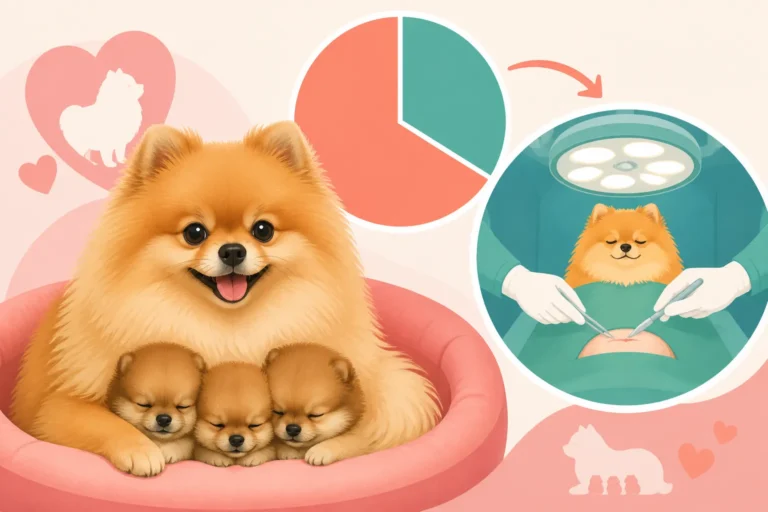
Cesarean sections in Pomeranians caused by narrow pelvic canals and large puppy heads, requiring immediate veterinary intervention.

Pomeranian birthing challenges include narrow pelvises and oversized puppies, making natural delivery risky due to potential cephalopelvic disproportion.
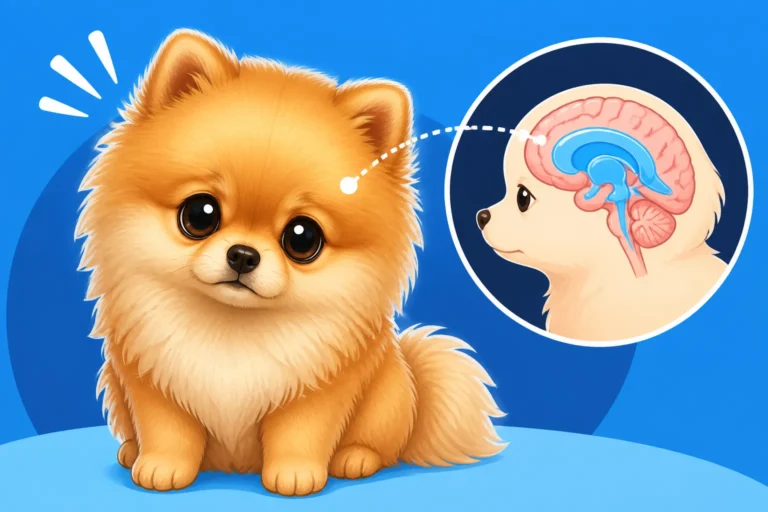
Cerebrospinal fluid buildup in tiny Pomeranian brains causes hydrocephalus, a serious neurological condition common in toy breeds.

Teacup Pomeranian health needs, marketing definitions, and specialized veterinary care for tiny dogs weighing under three pounds.

Two-pound Pomeranians face severe health challenges and fragility because their tiny size falls well below the standard weight.
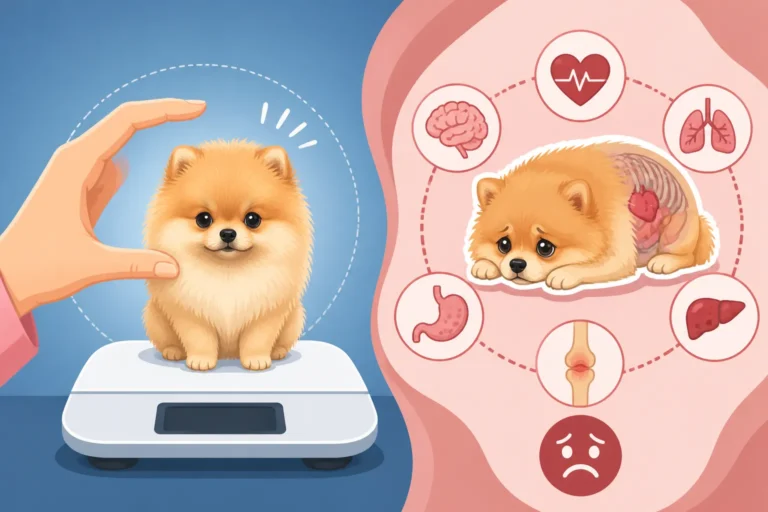
Breeding Pomeranians under three pounds creates severe health complications, fragile bones, and soaring veterinary bills for owners.

Teacup Pomeranian structural soundness and health challenges explain the hidden risks of buying dogs weighing under four pounds.

The merle gene in Pomeranians creates genetic risks like deafness and blindness, with a double merle inheritance chance of 25 percent.