Why a Shaved Pomeranian May Not Regrow
It's heartbreaking to look at your beautiful, fluffy Pomeranian and see a patchy, uneven mess where their glorious double coat once was. Maybe you thought you were doing them a favor in the summer heat, or perhaps a groomer misunderstood your request, but now you're left with a dog whose fur simply won't grow back the way it should. This isn't just a cosmetic issue; it's a deep concern for your beloved companion's health and comfort. This comprehensive guide will delve into the intricacies of the Pomeranian's unique coat, explain why shaving can cause such irreversible damage, discuss the potential health implications, and offer advice on managing a compromised coat, along with crucial tips for prevention.
The Pomeranian Double Coat: What Makes It So Special and Vulnerable
The Pomeranian's signature look — that magnificent, stand-off coat and proud ruff — isn't just for show. It's a marvel of natural engineering, meticulously designed to protect these small dogs from the elements. Understanding its structure is the first step to truly appreciating why it needs such specific care, and why shaving it down can lead to such devastating consequences.
The Anatomy of a Pomeranian's Double Coat
At first glance, a Pomeranian's coat appears to be one dense mass of fluff, but it's actually composed of two distinct layers, each with its own crucial function. The outer layer consists of long, coarse guard hairs. These are the stiff, straight hairs that give the Pomeranian its characteristic full, stand-off appearance. Their primary job is to repel water, dirt, and UV rays, acting as a protective shield against the outside world. They are the armor of the Pomeranian coat.
Beneath these guard hairs lies the second layer: the soft, dense, and fluffy undercoat. This downy layer is much shorter and serves as insulation, keeping the dog warm in cold weather and helping to regulate their body temperature in warmer climates by trapping a layer of air against the skin. Think of it like a natural air conditioner. The combination of these two layers creates a robust, protective barrier that works synergistically. You can learn more about this by reading The Double Coat That Makes a Pomeranian and Why It Stays On. It’s a complex system, and each hair type plays a vital role.
Why the Double Coat is Essential for Poms
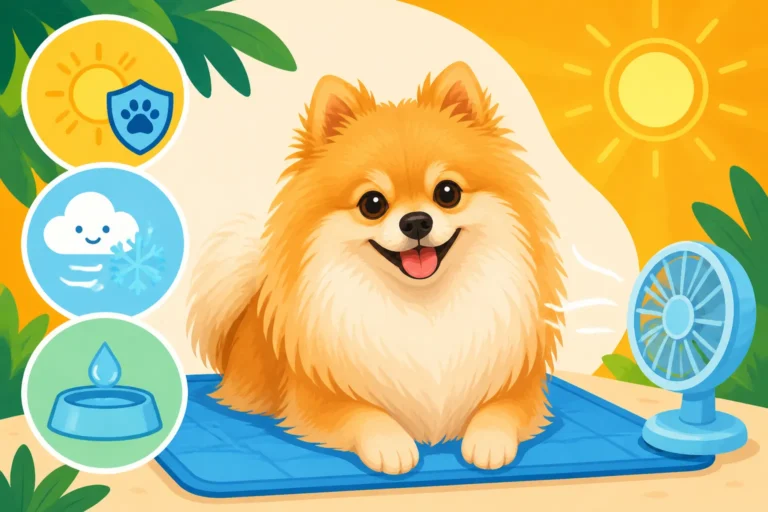
The double coat isn't just an aesthetic feature; it's fundamental to a Pomeranian's health and well-being. Firstly, it offers remarkable temperature regulation. In winter, the dense undercoat provides warmth, while in summer, it acts as an insulator, protecting the dog from excessive heat by allowing air to circulate close to the skin. It prevents sunburn and overheating, contrary to the common misconception that shaving helps them cool down. Without this insulation, a Pomeranian can actually become more susceptible to heatstroke as their skin is directly exposed to the sun's rays.
Secondly, this coat provides crucial skin protection. The guard hairs create a physical barrier against cuts, scrapes, insect bites, and environmental irritants. It also helps to prevent skin infections by keeping moisture and dirt away from the skin. When this protective barrier is removed, the delicate skin underneath becomes vulnerable to a host of issues, from sunburn to allergic reactions. Maintaining the integrity of these layers is key to keeping your Pomeranian healthy and comfortable. For more detail on these two layers, check out The Guard Hair and Undercoat of a Pomeranian.
The Shock of the Clippers: Why Shaving is So Damaging
Many well-meaning owners (and sometimes even uninformed groomers) believe that shaving a Pomeranian is a good idea, especially in hot weather or to manage mats. However, a clipper blade can cause significant trauma to the hair follicles, leading to a condition that can permanently alter the coat's regrowth. It’s not just a haircut; it's a potential biological shock.
The Trauma to the Follicle
When a Pomeranian’s double coat is shaved, particularly with very short blades, the action of the clippers can cause significant trauma to the delicate hair follicles. Unlike single-coated breeds where hair grows back uniformly, the Pomeranian's double coat has a specific growth cycle for both guard hairs and undercoat. The guard hairs grow slower and are thicker, while the undercoat grows faster and is softer. Shaving cuts both at the same level, often very close to the skin, which can damage the follicles and disrupt their natural pattern.
This trauma can essentially "shut down" or confuse the follicles, especially those responsible for the guard hairs. Instead of stimulating healthy regrowth, it can lead to a state where the follicles produce only soft, cottony undercoat, or worse, cease production altogether in certain areas. This is why you often see shaved Pomeranians growing back a dull, fluffy, often discolored coat that lacks the texture and protective qualities of their original fur. It's a fundamental insult to the system that generates their unique coat.
Disrupting the Natural Growth Cycle
A Pomeranian's coat grows in cycles, with resting, growing, and shedding phases. The guard hairs and undercoat have different lengths of these cycles. Shaving completely disrupts this delicate balance. When the coat is shaved, the undercoat, which naturally grows faster, tends to "take over" the regrowth. This leads to a coat that is all undercoat—soft, prone to matting, and lacking the protective qualities of the guard hairs. The slower-growing guard hairs often struggle to emerge through the faster-growing undercoat, or their follicles may simply fail to activate properly.
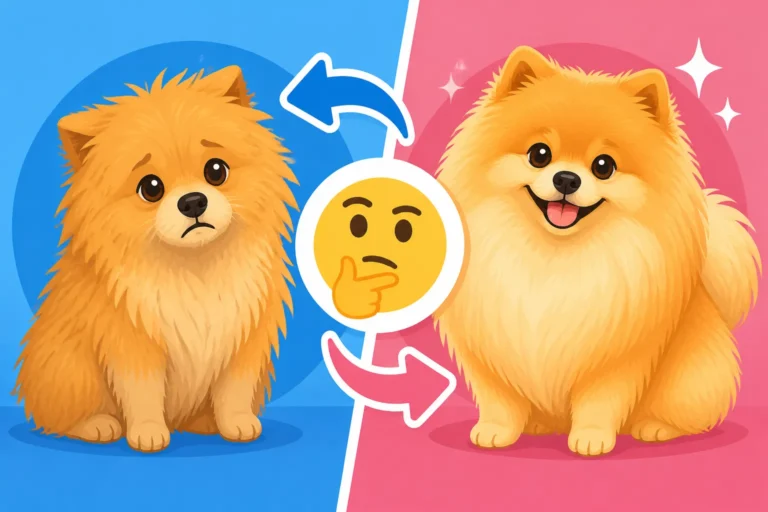
This disruption means the coat can grow back unevenly, in patches, or with a distinctly different texture and color. Some areas might grow back, others might not, creating a "moth-eaten" appearance. It's not uncommon for a dark orange Pomeranian to be shaved and then grow back a lighter, faded, or even grayish coat because the pigment-rich guard hairs are no longer developing properly. The natural cycle, once broken, can be incredibly difficult, if not impossible, to restore to its original glory.
Uneven and Patchy Regrowth (or Lack Thereof)
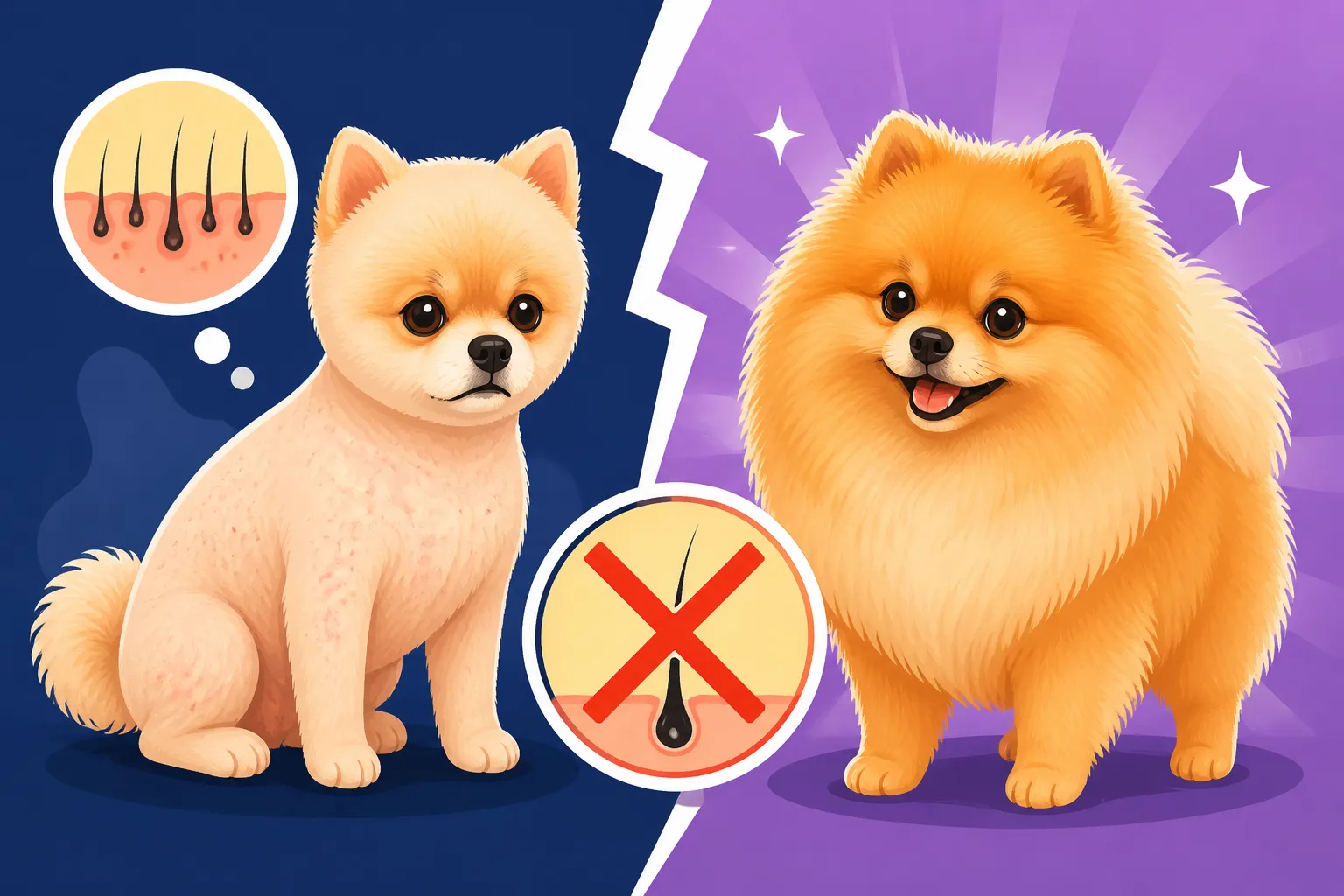
The most visible and frustrating consequence of shaving is often the uneven and patchy regrowth, or in many cases, a complete lack of it in certain areas. This condition is formally known as post-clipping alopecia, and it can leave a Pomeranian with bald spots or areas where only fine, sparse, and ineffective undercoat grows. It’s not just a matter of waiting for it to grow out; sometimes, it simply doesn't.
Imagine a Pomeranian with a full, thick coat. After being shaved, some areas, particularly on the back and flanks, might remain bald for months or even years. Other areas might grow back a wispy, cotton-like texture that mats easily and offers little protection. This can be incredibly disheartening for owners who realize they've inadvertently caused a long-term problem. The coat may never return to its original density, texture, or color, leaving the dog looking permanently "off" and less protected than before.
Post-Shave Coat Issues: Beyond Just Looks
While the visual aspect of a damaged coat is certainly distressing, the problems extend far beyond aesthetics. A shaved Pomeranian can face a range of health and comfort issues, impacting their physical well-being and even their temperament.
Increased Risk of Skin Problems
A Pomeranian’s double coat acts as a natural shield, protecting their delicate skin from a multitude of environmental hazards. When this coat is shaved, the skin becomes instantly vulnerable. One of the most common issues is sunburn. Just like humans, dogs can get sunburned, leading to pain, redness, peeling, and in severe cases, increasing the risk of skin cancer. Pomeranians with lighter skin or sparse regrowth are particularly susceptible, even during short periods outdoors.
Beyond sunburn, the exposed skin is more prone to environmental irritants, allergens, and insect bites. Chemicals in fertilizers, weed killers, or even certain pollens can directly contact the skin, leading to rashes, itching, and infections. Without the protective barrier, tiny nicks or scratches can easily become infected. Owners often report their shaved Pomeranians suffering from persistent skin irritations that were never an issue before the clippers came out.
Compromised Temperature Regulation
It’s a persistent myth that shaving a double-coated dog helps them stay cooler in the summer. In reality, it does the opposite. The Pomeranian’s double coat works as an insulator. In cold weather, it traps warm air, keeping them cozy. In hot weather, it traps a layer of cooler air against the skin, preventing the sun's direct heat from reaching them and allowing for air circulation. When you shave this coat, you remove this crucial insulating layer.
This leaves the dog's body temperature much more susceptible to external conditions. In summer, they can overheat more easily because their skin is directly exposed to the sun and heat, potentially leading to heatstroke. In winter, they lose their natural insulation and become much colder, much faster. Owners of shaved Poms often find their dogs shivering indoors or needing sweaters and coats even in mild weather, something their fluffy counterparts rarely require. It's a serious compromise to their natural ability to adapt to varying temperatures.
Behavioral Changes Due to Discomfort
The physical discomfort resulting from a shaved coat can often manifest as behavioral changes in a Pomeranian. A dog constantly feeling too hot, too cold, or suffering from itchy, irritated skin is not a happy dog. You might notice increased scratching, licking, or rubbing against furniture in an attempt to alleviate irritation. This incessant self-grooming can lead to further skin damage, hot spots, and infections.
Furthermore, a compromised coat can make a Pomeranian more anxious or withdrawn. They might be less inclined to go outside if it's too sunny or cold, or they may become more sensitive to touch due to tender skin. Some dogs become restless or vocal, barking more or pacing, simply because they are uncomfortable. It's a stressful situation for them, and their behavior often reflects their underlying physical distress. Understanding The Snorting Fit That Frightens Pomeranian Owners might give you an idea of how sensitive Poms are to discomfort.
What Happens When the Coat Doesn't Come Back (Post-Clipping Alopecia)
The most alarming outcome of shaving a Pomeranian is when the coat simply refuses to regrow fully, or at all. This condition, often mistaken for other skin issues, requires a deep understanding and a lot of patience.
Understanding Post-Clipping Alopecia (PCA)
Post-Clipping Alopecia (PCA), also sometimes referred to as "clipper alopecia" or "coat shock," is a condition specific to certain double-coated breeds, with Pomeranians being particularly prone. It occurs when the hair follicles, after being shaved, enter a prolonged resting phase (telogen) and simply fail to resume normal growth. Unlike typical shedding and regrowth, the follicles essentially "go dormant," producing little to no new hair.
The exact mechanism isn't fully understood, but it's believed to be related to the trauma of the clippers, changes in local blood supply to the skin, or a disruption of the natural hormone signals that regulate hair growth. The result is areas of baldness or very sparse, cottony, off-color fur that can persist for months, years, or even permanently. It's crucial to differentiate PCA from other forms of hair loss like Black Skin Disease and the Pomeranian Coat That Never Returns or Alopecia X, although PCA can sometimes trigger or exacerbate these conditions.
Factors Influencing Regrowth Success
Several factors can influence whether a Pomeranian’s coat recovers from shaving, and to what extent. The age of the dog can play a role; younger, healthier dogs might have a slightly better chance of eventual regrowth, though it's never guaranteed. The length of the blade used is also critical – the closer the shave, the greater the potential for follicle trauma. A #10 blade is notoriously problematic.
Underlying health conditions, such as hormonal imbalances (like hypothyroidism) or skin allergies, can also impede regrowth or make the coat quality even worse. Even factors like stress or seasonal changes might impact the coat's ability to recover. Sometimes, parts of the coat might grow back relatively normally, while other sections, particularly on the back and flanks, remain stubbornly bare. It's a lottery, and unfortunately, the odds are often against a full recovery. If you're wondering Whether a Pomeranian's Coat Grows Back After Alopecia X, the answer is complex and often heartbreaking.
The Emotional Toll on Owners
For owners, dealing with a shaved Pomeranian whose coat doesn't grow back can be incredibly distressing. It’s not just about vanity; it's about seeing their beloved pet uncomfortable, unprotected, and not looking like themselves. Many owners feel immense guilt, knowing they may have inadvertently caused this irreversible change. They worry about their dog's comfort, their ability to regulate temperature, and the increased vulnerability to skin issues.
The frustration can be compounded by the lack of clear solutions and the long, slow, often fruitless wait for regrowth. It can lead to countless vet visits, trying different supplements, and a constant battle against skin irritation or cold. This situation highlights how deeply entwined a Pomeranian's coat is with its identity and well-being, and how a seemingly minor grooming choice can have such profound, long-lasting emotional and physical repercussions.
Nursing a Shaved Coat Back to Health (If Possible)
If your Pomeranian has been shaved and is struggling with regrowth, there are steps you can take to support their skin and coat health, even if a full return to their former glory isn't possible. Patience, gentle care, and a focus on overall wellness are key.
Gentle Care and Support
The first priority is to protect the exposed and sensitive skin. This means ensuring your Pomeranian is shielded from harsh sun with appropriate shade or even dog-safe clothing that allows for airflow. In colder weather, sweaters or coats become essential to help them retain body heat. Avoid direct sun exposure during peak hours, and always make sure they have access to cool, shaded areas.
Gentle bathing with a hydrating, veterinarian-recommended shampoo can help soothe irritated skin, but avoid over-bathing which can strip natural oils. Look for products specifically formulated for sensitive skin. Regular, very gentle brushing with a soft brush, even on sparse areas, can help stimulate blood flow to the follicles, but avoid any harsh pulling or scrubbing that could further irritate the skin. Some owners find Shampoo That Will Not Flatten a Pomeranian's Coat useful, as maintaining any texture is important.
Nutritional Considerations for Coat Health
Diet plays a significant role in skin and coat health. Ensure your Pomeranian is on a high-quality, balanced diet rich in essential fatty acids (omega-3s and omega-6s), which are crucial for healthy skin and shiny fur. Look for foods that list meat as the primary ingredient and avoid excessive fillers. Brands like Ollie, which offer fresh, human-grade food, can provide excellent nutritional support for overall health, including skin and coat. You can explore a variety of high-quality options on Chewy, which often stocks specialized skin and coat formulas.
Supplements, under veterinary guidance, can also be beneficial. Fish oil (rich in EPA and DHA), borage oil, or evening primrose oil are popular choices for skin and coat support. Some owners report success with melatonin, though its efficacy varies and should always be discussed with your vet. Ensuring your Pomeranian gets The Protein a Pomeranian's Coat Needs is also vital, as hair is primarily protein. Proper hydration is equally important, so always make sure fresh water is readily available.
Professional Guidance and Patience
Navigating post-clipping alopecia requires a close working relationship with your veterinarian. They can rule out other underlying health issues that might be contributing to the hair loss, such as thyroid problems or Cushing's disease, which can sometimes mimic or worsen PCA. Your vet can also advise on specific skin treatments, topical medications, or supplements that might encourage regrowth or alleviate discomfort.
Beyond veterinary care, consulting with a professional groomer experienced with double coats is crucial for any subsequent grooming. They can advise on safe trimming practices, such as scissor-only trims for sanitary areas or paw tidying, ensuring no clippers ever touch the main body coat again. Patience is the hardest part. Coat regrowth, if it happens, can be excruciatingly slow, sometimes taking years. There are no quick fixes, and owners must manage expectations, focusing on their dog's comfort and health rather than a perfect coat.
Preventing the Problem: Smart Grooming Choices
The best way to deal with a shaved Pomeranian's coat issues is to prevent them from happening in the first place. Educating yourself and your groomer about the unique needs of a double coat is paramount.
Safe Trims for a Pomeranian
For double-coated breeds like Pomeranians, shaving the body coat should almost always be avoided. However, this doesn't mean your Pom can't have any trims. There are several safe trimming practices that can keep them neat and comfortable without compromising their coat. Sanitary trims around the rear are essential for hygiene. Trimming the hair between their paw pads helps prevent slipping and debris accumulation. You can even tidy up the feathering on their legs and trim errant hairs around their ears to give them a neater appearance.
These trims should always be done with scissors or clippers with a very long guard comb (never shorter than 1/2 inch) in specific, limited areas, not over the entire body. The goal is to neaten, not to remove the protective layers. Regular brushing, rather than cutting, is the primary method for managing their coat and preventing mats. If you're looking for ideas, check out Trims a Pomeranian Can Safely Have.
Educating Your Groomer
It’s astonishing how many professional groomers still recommend or perform full body shaves on double-coated breeds, often due to client requests or a lack of understanding about the specific breed’s coat biology. When choosing a groomer, it is absolutely vital to explicitly discuss your Pomeranian’s double coat. Ask about their experience with double-coated breeds and if they understand the risks of shaving.
Communicate clearly that you never want their body shaved. If you desire a shorter look, ask for a "puppy cut" or "teddy bear cut" that only involves scissor trimming the guard hairs to a uniform length, leaving the undercoat intact. Be firm and don't be afraid to switch groomers if they push for a shave or don't seem knowledgeable. It's your responsibility to advocate for your dog's health. Bringing a photo of What a Teddy Bear Trim Takes Off a Pomeranian can also help clarify your expectations.
Embracing the Natural Pomeranian Coat
The most beautiful and functional coat for a Pomeranian is its natural one. This means regular, thorough brushing to prevent mats and remove loose undercoat, which is what actually helps with temperature regulation and keeps the coat healthy. Aim for brushing sessions a few times a week, working in sections down to the skin, rather than just skimming the top coat. For guidance, see How Many Times a Week a Pomeranian Is Brushed. This promotes air circulation and prevents mats that can pull on the skin and cause discomfort.
Regular baths, followed by proper blow-drying (never air-drying, as this can lead to skin issues), are also important. The key is maintenance, not removal. Investing in high-quality grooming tools, available on Amazon or Chewy, such as a good slicker brush, pin brush, and a professional-grade pet dryer, will make at-home grooming much easier and more effective. By understanding and embracing the needs of your Pomeranian's unique double coat, you can ensure they remain happy, healthy, and fluffy for their entire lives.
| Feature | Healthy, Unshaved Pomeranian Coat | Shaved Pomeranian Coat (Post-Clipping Alopecia) |
|---|---|---|
| Layers | Guard hairs (outer) + Undercoat (inner) | Often only undercoat or sparse, patchy regrowth |
| Function: Insulation | Excellent; regulates temperature in hot and cold weather | Poor; increased susceptibility to heatstroke and cold |
| Function: Protection | Guards against sunburn, scratches, insect bites, environmental irritants | Minimal; skin highly vulnerable to external damage and irritation |
| Texture | Thick, stand-off, soft undercoat beneath coarser guard hairs | Often soft, cottony, dull, prone to matting; lacks body |
| Appearance | Full, fluffy, vibrant color | Patchy, uneven, dull, sometimes discolored or faded areas |
| Matting Risk | Moderate, with regular brushing | High; cottony texture mats easily, especially after bath |
| Skin Health | Protected; lower risk of irritation and sunburn | Compromised; high risk of sunburn, rashes, infections |
| Regrowth Timeline | Consistent shedding and growth cycles | Slow, unpredictable, often incomplete or non-existent |
Disclaimer
This article is for general informational purposes only and does not constitute professional advice. Laws, prices and regulations vary by location and change over time. Consult a qualified professional for guidance on your specific situation.