Nails, Ears and Feet on a Toy Sized Pomeranian
Oh, the tiny paws, the fluffy ears, the delicate nails of our precious Pomeranians! As a Pomeranian owner and a long-time blogger in the lifestyle sphere, I know firsthand the struggles and anxieties that come with keeping these delicate parts of our little furballs healthy and well-groomed. It’s not just about aesthetics; neglecting these areas can lead to pain, infection, and some truly miserable vet visits that nobody wants. This comprehensive guide is here to walk you through everything you need to know about caring for your Pomeranian's nails, ears, and feet, turning daunting tasks into manageable routines.
Understanding the Pomeranian's Unique Foot and Paw Structure
When you look at your Pomeranian, it’s easy to get lost in that magnificent double coat and those sparkling eyes. But take a moment to really look at their feet and ears. They're not just scaled-down versions of a larger dog's. Our Poms have specific anatomical quirks that make their care unique, and understanding these differences is the first step to becoming a confident groomer and a proactive owner.
The Delicate Nature of Pomeranian Paws
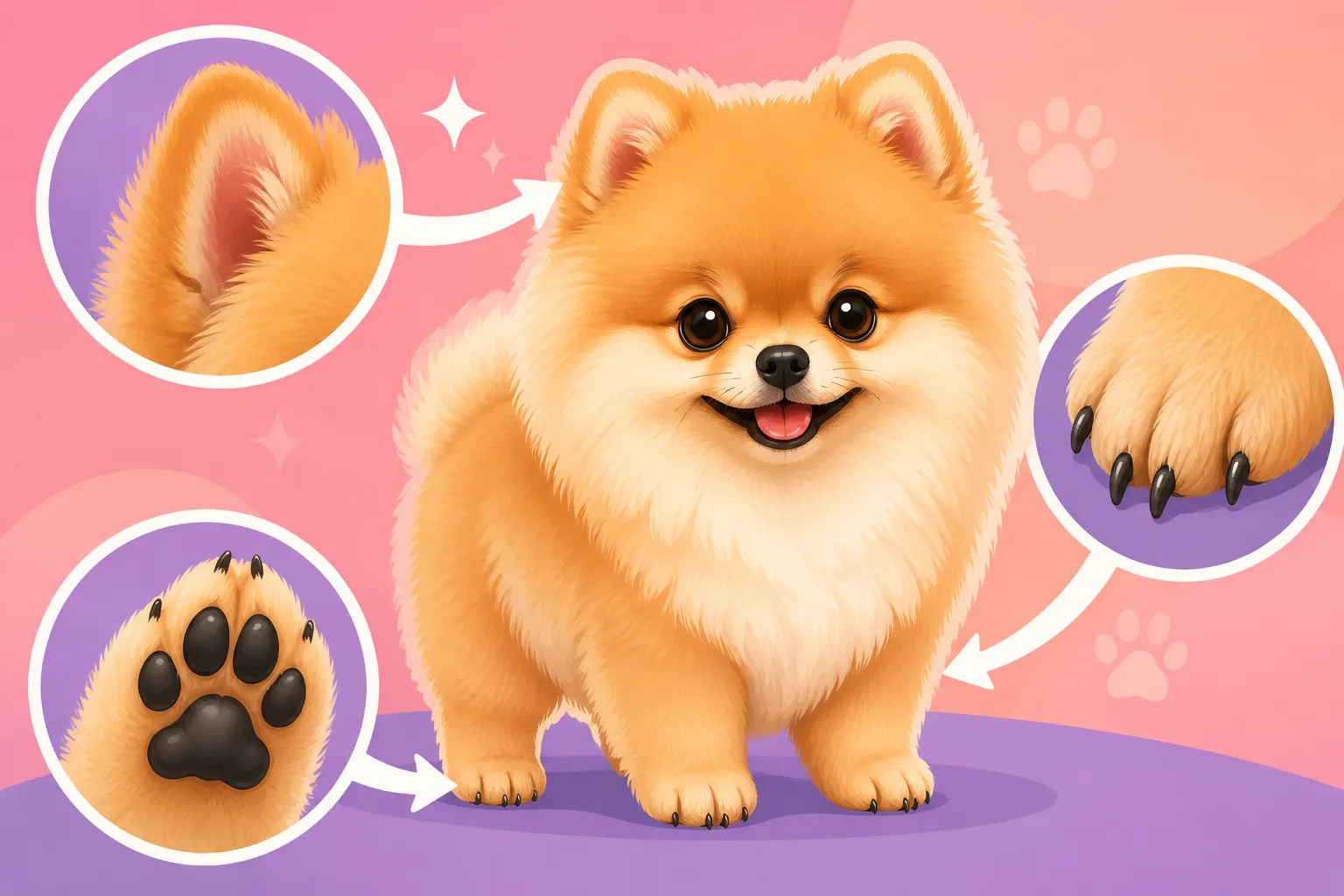
Pomeranian paws are small, almost dainty, but they carry the entire weight of a dog that often thinks it's much bigger than it is! These little paws are composed of tiny bones, ligaments, and tendons, all wrapped in that beautiful fur. Because they're so compact and often obscured by abundant feathering, it's easy to overlook issues until they become significant. Their paw pads, while tough, are also highly sensitive and prone to environmental damage. Think about how many steps your little Pom takes in a day, often on surfaces that aren't ideal – hot pavement, rough concrete, icy sidewalks. All of this impacts those small, hardworking paws.
The structure of their paw pads is crucial. They act as shock absorbers and provide traction. However, unlike larger breeds, a Pomeranian’s smaller surface area means concentrated pressure on these tiny pads. If the fur between the pads grows too long, it can spread the pads, reducing their grip and making them more susceptible to injury or collection of debris. It's a fine balance between keeping that lovely "snowshoe" look of their feet and ensuring practicality and health.
Identifying the "Quick" in Tiny Pomeranian Nails
One of the biggest fears for any dog owner, especially with a small breed like a Pomeranian, is "quicking" them during a nail trim. The quick is a vein and nerve ending inside each nail. If you cut into it, it's painful for your dog and can bleed quite a bit, making future nail trims a battle. In Poms, their nails are often black or very dark, which makes identifying the quick even harder than with clear nails. It's like trying to see a shadow in a dark room.
The quick grows with the nail, so if nails are allowed to get too long, the quick extends further down, making it impossible to trim them short enough without causing pain. This is a common frustration, and many owners feel like they're in a losing battle. The goal is to trim little bits off frequently so the quick recedes over time, allowing the nails to be kept at an ideal length where they don't touch the ground when your Pom is standing. Consistency is truly key here, even if it feels like you're only taking off a microscopic sliver each time.
The Importance of Paw Pad Health and Protection
A Pomeranian’s paw pads are their first line of defense against the ground, absorbing impacts and providing grip. Healthy pads are supple, resilient, and free from cracks or cuts. However, their small size and sometimes less robust nature compared to larger, working breeds mean they need extra attention. Imagine walking barefoot on rough terrain all day; that's what your Pom's pads endure!
Maintaining paw pad health isn't just about preventing injury; it's about comfort and mobility. Dry, cracked pads can be incredibly painful, leading to limping or reluctance to walk. Conversely, overly moist pads, especially if surrounded by long hair, can become a breeding ground for yeast or bacteria, leading to infections. Therefore, regular checks, proper grooming of the surrounding fur, and protective measures are all vital parts of your Pomeranian's overall well-being. Keeping those pads in tip-top shape contributes significantly to their quality of life.
Mastering Pomeranian Nail Trimming Without Fear
Nail trimming can be a stressful event for both you and your Pomeranian. I’ve seen enough frustrated owners (and heard enough indignant yelps from Poms) to know this is a universal challenge. But it doesn't have to be. With the right tools, technique, and a boatload of patience, you can turn nail trims into a routine that’s less about wrestling and more about bonding. It’s all about building trust and making it a positive experience, even if it takes time.
Essential Tools for Pomeranian Nail Care
Before you even think about cutting, gather your arsenal. Having the right tools makes a huge difference in efficiency and safety. For Pomeranians, due to their size, precision is key. You'll want small, sharp clippers designed for small dogs. There are two main types: scissor-style and guillotine-style. Many small dog owners find scissor-style clippers easier to maneuver for tiny nails. Make sure they are sharp; dull clippers can crush the nail, which is painful and can cause splitting.
Another absolute must-have is styptic powder, often sold under brand names like Kwik Stop, or even just cornstarch. This is your emergency brake. If you accidentally quick your Pom, a pinch of this powder applied with pressure will stop the bleeding quickly. Trust me, having it on hand reduces your own anxiety significantly, and that calm energy translates to your dog. Many pet supply stores, including big online retailers like Chewy and Amazon, offer these supplies. Don't forget high-value treats to reward calm behavior!
Step-by-Step Guide to Trimming Your Pomeranian's Nails
Alright, deep breaths. Here’s a gentle approach to trimming those tiny nails:
- Find a quiet time: Choose a moment when your Pom is relaxed, perhaps after a walk or a cuddle session. Avoid times when they're overstimulated.
- Positioning: Sit comfortably with your Pom in your lap, or have them lie down on a non-slip surface. Many owners find holding their Pom facing away from them, cradled in one arm, gives them good control over the paw while making the dog feel secure.
- Examine the paw: Gently separate the foot feathering to clearly see each nail. If the nails are dark, look for the small indent that marks the end of the quick, or simply aim for the very tip, just where the nail starts to curve. If you can see the quick, great; if not, assume it's further out than you think.
- The cut: Take only a tiny, tiny tip off each nail – a "dusting," if you will. It’s better to do frequent, small trims than one large one. Hold the paw firmly but gently, and snip quickly and confidently. If you're nervous, just do one or two nails a day, or even just one paw. The goal is positive association.
- Reward: Immediately after each successful snip (or even just touching the clipper to the nail without a yelp!), offer a high-value treat and praise. This builds a positive association over time.
Remember, consistency is more important than speed. It might take several weeks or even months to get your Pomeranian completely comfortable. If their nails are very long and the quicks have extended, you might only be able to take off tiny slivers for a while. Regular, small trims will encourage the quick to recede over time. Don't forget to check out articles like Teaching a Pomeranian to Accept Nail Trims for more detailed training tips!
Dealing with Anxiety and Accidental Quicking
It’s completely normal for both you and your Pomeranian to feel anxious about nail trimming. If your Pom is squirming, whining, or even growling, don't force it. That will only make future trims harder. Instead, take a break. Focus on desensitization: simply handle their paws, touch the clippers to their nails without cutting, and offer treats. Do this daily, gradually building up their tolerance. You can find excellent instructional videos on major platforms and pet supply sites that demonstrate these techniques.
If you do accidentally quick your Pomeranian, don't panic. It happens to the best of us, especially with those dark nails. Stay calm. Apply the styptic powder directly to the bleeding nail with firm pressure for a minute or two. The bleeding should stop fairly quickly. Afterwards, don't punish your dog for their reaction; reassure them gently. You might need to give them a few days or even a week before attempting another trim. If the bleeding doesn't stop, or if you're ever worried, don't hesitate to call your vet.
Keeping Pomeranian Ears Clean and Healthy
A Pomeranian’s ears are typically small, erect, and covered in charming fur. They're like little radars, constantly twitching and swiveling, picking up every sound. While generally healthy, these small ears can still be susceptible to issues, especially if neglected. Regular checks and gentle cleaning are important parts of your Pomeranian's routine care, just like their nails and teeth.
Recognizing Signs of Ear Issues in Pomeranians
Because their ears are so fluffy, problems can sometimes hide beneath all that gorgeous fur. It’s important to know what to look for. Healthy Pomeranian ears should be clean, free of odor, and pale pink inside. There shouldn't be excessive discharge, redness, or swelling. If your Pomeranian is shaking their head more than usual, scratching at their ears, or rubbing their ears on furniture or the carpet, these are big red flags that something isn't right.
Other signs to watch for include a foul smell coming from the ears, dark waxy buildup (which can sometimes look like coffee grounds, especially if ear mites are present), or if your Pom cries out when you touch their ears. Changes in behavior, such as being more irritable or withdrawn, can also indicate discomfort. Since Pomeranians are prone to other health issues like The Honking Cough of a Pomeranian's Collapsing Windpipe, it's good practice to observe their overall demeanor for any subtle changes that might indicate they're feeling unwell, even if it's not directly ear-related.
Gentle Cleaning Techniques for Small Pomeranian Ears
Regular, gentle cleaning can help prevent many ear problems. You generally don't need to deep clean a Pomeranian's ears frequently unless specifically advised by your vet. For most Poms, a quick wipe-down as part of their regular grooming routine is enough.
Here's how to do it:
- Gather supplies: You'll need a vet-approved ear cleaning solution (look for gentle, non-irritating formulas at pet stores or on Chewy or Amazon) and cotton balls or gauze. Avoid cotton swabs, as they can push debris further into the ear canal and potentially damage the delicate structures.
- Positioning: Have your Pomeranian sit or lie down comfortably. A helper can be useful to gently hold them steady.
- Application: Lift the ear flap. Squirt a small amount of ear cleaning solution into the ear canal. Don’t be afraid; it’s designed to be safe.
- Massage: Gently massage the base of the ear for about 20-30 seconds. You should hear a squishy sound, which means the solution is breaking up wax and debris.
- Wipe: Allow your Pom to shake their head (have a towel ready!). Then, use a cotton ball or gauze to gently wipe away any visible solution and debris from the outer part of the ear canal and the inside of the ear flap. Only clean as far as your finger can comfortably reach.
- Reward: Always end with praise and a treat to make it a positive experience.
Never go deep into the ear canal with anything. If you encounter resistance or pain, stop immediately.
When to Seek Veterinary Help for Ear Problems
While routine cleaning is great for maintenance, there are times when ear issues require professional veterinary attention. If you notice any of the red flags mentioned earlier—persistent head shaking, scratching, foul odor, excessive discharge, redness, or swelling—it's time to call your vet. Do not attempt to self-diagnose or treat an ear infection with home remedies, as this can often make the problem worse or mask underlying issues.
Your vet will be able to properly examine your Pomeranian's ears, often with an otoscope to look deep into the canal, and might take a swab to identify bacteria, yeast, or mites. Early diagnosis and treatment are crucial to prevent more severe infections or chronic ear problems. Remember, their hearing is vital, and painful ear conditions can significantly impact their quality of life. Don't let ear discomfort linger for your precious Pom. You can review articles like The Checkup Schedule a Pomeranian Should Keep to ensure you're on track with all their preventative health care.
Comprehensive Foot Feathering Care
The Pomeranian's magnificent double coat extends all the way down to their feet, creating those lovely "snowshoe" paws. While undeniably beautiful, this foot feathering requires special attention to prevent mats, collect debris, and ensure your Pom's comfort and mobility. Neglecting this area can lead to discomfort, skin irritation, and even infections, so let's dive into how to keep those fuzzy little feet pristine.
Trimming the Tufts Between a Pomeranian's Pads
The fur that grows between your Pomeranian's paw pads, often called "grinch feet" or "slippers," needs regular trimming. If left untrimmed, this hair can grow quite long, becoming a haven for dirt, burrs, tiny pebbles, and even parasites. Imagine walking with small stones perpetually stuck between your toes – that’s what it can feel like for your Pom. Plus, excessively long fur here reduces traction, making them prone to slipping on smooth floors, which is particularly risky for a breed prone to Slipping Kneecaps in a Five Pound Pomeranian.
Trimming these tufts helps maintain hygiene and provides better grip. You'll need small, blunt-nosed scissors designed for grooming. Gently spread the paw pads to reveal the excess fur and carefully trim it flush with the pads. Always point the scissors away from the pads and only cut the visible hair. It can be a delicate job, especially with a wiggly Pom, so ensure you have good lighting and take your time. If your Pom is very resistant, doing a little bit at a time, or even just one paw at a session, can help them get used to it.
Preventing Mats and Debris in Paw Hair
The long hair on a Pomeranian's feet and lower legs is prone to matting, especially behind the joints and where it meets the ground. Mats are not just unsightly; they can pull on the skin, causing pain and irritation. In severe cases, mats can restrict blood flow and lead to skin infections or hot spots hidden beneath the fur. Preventing mats is far easier than trying to remove them.
Regular brushing is your best defense. Use a slicker brush and a metal comb to gently work through the fur on their feet and legs daily or every other day. Pay extra attention to the areas around the toes and ankles. After walks, always check their feet for any debris – grass seeds, burrs, mud, or tiny twigs – that might have gotten caught in their fur. A quick wipe-down with a damp cloth can also help keep the hair clean and prevent debris from embedding. For more on managing their coat, you might find Building a Pomeranian's Tolerance for Combing Mats helpful.
Protecting Delicate Foot Feathers from the Elements
Pomeranian foot feathering, while beautiful, isn't always practical for all weather conditions. In winter, snow and ice can cling to the fur, forming painful ice balls between their pads and toes. These can cause frostbite or cuts from sharp ice. In summer, hot pavement can burn their sensitive paw pads, and the fur can pick up irritating particles.
There are several ways to protect their delicate feet. Paw balms, applied before walks, can create a protective barrier against harsh elements and help keep pads moisturized. Many brands, including those found on Amazon, offer excellent paw balms specifically formulated for dogs. For extreme weather, dog boots or booties can offer superior protection, though it might take some training for your Pom to get used to wearing them. On hot days, always check pavement temperature with the back of your hand; if it's too hot for you, it's too hot for their paws. Walking during cooler parts of the day or sticking to grassy areas can prevent burns.
Tackling Common Pomeranian Foot and Paw Challenges
Beyond routine grooming, Pomeranian owners often face specific challenges related to their dog's feet and paws. These aren't just minor annoyances; they can cause significant discomfort and, if left unaddressed, lead to more serious health issues. Being prepared for these common problems will allow you to act quickly and keep your Pom happy and healthy.
Dry Cracked Pads on a Pomeranian in January
Winter weather can be brutal on a Pomeranian's paw pads. Cold temperatures, dry indoor air, and exposure to snow, ice, and de-icing salts can lead to dry, cracked, and painful pads. Imagine walking on chapped hands; it's a similar feeling for your Pom. These cracks can become deep, bleed, and even get infected, making every step agony.
To combat this, prevention is key. Before winter walks, apply a protective paw balm generously to their pads. This creates a barrier against moisture loss and harsh chemicals. After walks, gently wipe down their paws with a warm, damp cloth to remove any salt or de-icer residue. These chemicals can be toxic if ingested (when they lick their paws) and highly irritating to the skin. Indoors, consider a humidifier if your home air is very dry. If cracks have already formed, continue applying balm to moisturize and soothe, and keep a close eye for signs of infection. If the cracks are deep or bleeding, a vet visit is warranted to prevent further complications.
Ice Balling Up in a Pomeranian's Foot Feathering
This is a classic winter woe for double-coated breeds like Pomeranians. The fine fur between their paw pads and around their lower legs acts like a magnet for snow and ice. As they walk, snow clings to the hair, melts slightly, and then refreezes into hard, painful ice balls that pull on their skin. These can be incredibly uncomfortable, making your Pom lift their paws, limp, or even refuse to walk.
The best defense here is preventative trimming of the fur between the pads and using paw balm. The balm creates a slippery surface that makes it harder for ice to stick. For Poms with very heavy feathering, dog boots are an excellent solution. If ice balls do form, never try to pull them out, as this can rip out fur and skin. Instead, bring your Pom inside and run their paws under lukewarm water or use a warm, damp cloth to gently melt the ice. You can then carefully comb out any remaining bits. Ensuring their paws are dry afterwards is also important to prevent chapping.
Addressing Ingrown Nails and Other Concerns
Ingrown nails can be a very painful issue for any dog, and Pomeranians are no exception. If nails are allowed to grow too long, especially the dewclaws (the "thumb" on the inside of the leg), they can curve around and grow into the paw pad. This is not only excruciating but can lead to severe infection. Regular nail trims are the only way to prevent this. Always check all four paws, including the dewclaws, which are often forgotten.
Other paw concerns include cysts between the toes, foreign objects embedded in the pads, or allergic reactions causing itchy, red paws. If you notice any swelling, redness, lameness, excessive licking of the paw, or a visible sore, examine the paw carefully. Sometimes, a tiny thorn or a piece of glass can be the culprit. If you can’t identify the problem or if it persists, a vet visit is crucial. Don't let your little Pom suffer in silence; paw pain can severely impact their mobility and overall happiness.
Establishing a Regular Grooming Routine for Long-Term Health
Consistency is truly the secret ingredient when it comes to Pomeranian grooming. It's not about doing everything perfectly every time, but about establishing habits that your Pom learns to accept and that keep them healthy in the long run. A routine makes grooming less stressful for everyone involved and helps you catch potential issues early.
Creating a Consistent Schedule for Nail and Ear Care
The key to preventing long quicks and painful ear infections is frequency. For most Pomeranians, a weekly nail check and trim is ideal. Even if you only take off the tiniest bit, doing it often prevents the quick from extending and keeps their nails at a healthy length. Think of it as a weekly pedicure! For ear care, a visual check a few times a week and a gentle wipe-down with a cotton ball and ear cleaner once a week or every two weeks (if needed) is usually sufficient.
Mark these dates on your calendar or set a reminder on your phone. Make it a non-negotiable part of your weekly schedule. The more regular you are, the more your Pomeranian will get used to it. They thrive on routine, and knowing what to expect can significantly reduce their anxiety. Gradually, these tasks will become less of a chore and more of a quick, normal part of your week.
Integrating Paw and Foot Checks into Daily Life
Beyond scheduled grooming, make it a habit to quickly check your Pomeranian’s paws and feet daily. This can be done during cuddle time, after a walk, or before bedtime. A quick visual inspection and gentle touch can tell you a lot. Look for any debris caught in the fur, redness between the toes, swelling, or cuts on the pads. Feel for any tenderness or heat.
This daily check not only helps you catch problems early, but it also reinforces positive handling for your Pom. They learn that having their paws touched isn't always associated with the nail clippers or ear cleaner. It becomes a gentle, reassuring interaction. This proactive approach is essential for preventing minor issues from escalating into major health concerns.
Training Your Pomeranian to Accept Handling
A calm Pomeranian makes all grooming tasks infinitely easier. Start early, especially if you have a puppy! Even if your Pom is older, it's never too late to work on desensitization. The goal is to make handling their paws and ears a positive, neutral, or even enjoyable experience.
Begin with very short sessions. Simply touch their paws, then immediately reward with a high-value treat and praise. Repeat this many times a day, gradually increasing the duration and intensity of the touch. Move from touching to gently holding, then wiggling a toe, then touching a nail with the clippers (no cutting!), all followed by rewards. The same applies to their ears: touch, lift the flap, gently rub, then treat. Always stop before your Pom gets too stressed. Patience and positive reinforcement are your greatest tools here. Articles like Teaching a Pomeranian to Be Picked Up Properly offer great insights into gentle handling practices that build trust, which is fundamental to successful grooming.
Specialized Considerations for Senior or Sensitive Pomeranians
As our beloved Pomeranians age, or if they have particular sensitivities, their grooming needs might change. What worked seamlessly for years could suddenly become a challenge. It's important to adapt your approach with empathy and understanding, ensuring their comfort and well-being remain paramount.
Adapting Grooming for Older Poms with Joint Issues
Senior Pomeranians often develop arthritis or other joint issues, such as worsened Slipping Kneecaps in a Five Pound Pomeranian. What was once an easy stance for a nail trim can become painful. Lying down for ear cleaning might be uncomfortable. When grooming an older Pom, prioritize their comfort above all else. Use soft, non-slip surfaces for them to stand or lie on. If they struggle to stand, consider grooming them while they're lying on your lap or on a soft bed.
Be extra gentle and slow. Avoid sudden movements that might jar their joints. You might need to break grooming sessions into even shorter segments, doing one paw at a time over several days, for example. Observe their body language carefully for any signs of discomfort or pain. If a position seems painful, try another. You might also want to consult your vet about pain management options for their arthritis, which could make grooming more tolerable for them.
Managing Sensitivity and Discomfort During Grooming
Some Pomeranians are naturally more sensitive to touch, sounds, or simply the grooming process itself. This isn't always age-related; some Poms are just more anxious or have had negative past experiences. For these sensitive souls, a calm environment is crucial. Turn off loud music, minimize distractions, and speak in a soothing voice.
Consider using calming aids. Some owners find pheromone diffusers or calming supplements helpful, but always consult your vet before introducing any new supplements. Desensitization, as discussed earlier, is vital here, but it might take longer and require even more patience. If your Pom reacts strongly to the sound of clippers, try a nail grinder (also available on Amazon or Chewy), which creates a different kind of vibration and sound. However, introduce it slowly, letting them associate the sound with treats before it even touches their nail.
Seeking Professional Grooming Assistance for Difficult Cases
Sometimes, despite your best efforts, grooming at home just isn't working out. This is nothing to be ashamed of. A professional groomer has specialized tools, techniques, and experience dealing with dogs who are anxious, sensitive, or have complex needs. They can often complete tasks quickly and efficiently, minimizing stress. For senior Poms with severe joint pain, or highly anxious individuals, a professional groomer can be a lifesaver.
When choosing a groomer, look for one with experience with toy breeds and a gentle, fear-free approach. Discuss your Pomeranian’s specific sensitivities and challenges beforehand. They might even offer "express" grooming services for quick tasks like nail trims, or provide tips for at-home maintenance. While professional grooming adds to the overall cost of owning a Pomeranian, as discussed in The Grooming Bill Nobody Warns a Pomeranian Owner About, it’s a worthwhile investment for your Pom's comfort and health if home grooming is too difficult.
Products and Aids to Simplify Pomeranian Foot and Ear Care
In the world of pet care, there's a fantastic array of products designed to make our lives easier and our Poms healthier. When it comes to nails, ears, and feet, having the right tools and solutions on hand can transform a dreaded task into a manageable part of your routine. Let's look at some essential aids you might want to consider.
Shampoos and Conditioners for Delicate Paws
While you might not think specifically about "paw shampoo," the shampoo you use for your Pomeranian's general bathing can significantly impact their paw and foot health. Harsh shampoos can strip natural oils from their paw pads, leading to dryness and cracking. When selecting a shampoo, look for gentle, moisturizing formulas, ideally pH-balanced for dogs. Oatmeal or aloe vera-based shampoos can be particularly soothing for sensitive skin.
If your Pomeranian's paw pads are very dry or cracked, you might consider a specialized paw soak or balm. Some balms are designed to deeply moisturize and heal. Always check ingredients to ensure they are pet-safe, as your Pom will inevitably lick their paws. Many reputable brands offer these products, and you can find a wide selection on pet retail sites like Chewy and Amazon. Just like we moisturize our own hands, those little paws need some love too!
Ear Cleaning Solutions and Wipes
As mentioned earlier, a good ear cleaning solution is crucial for maintaining ear hygiene. Look for solutions specifically formulated for dogs, preferably alcohol-free to avoid irritation. Many contain gentle drying agents to help prevent moisture buildup, which can lead to yeast infections. Some solutions also contain ingredients to help break down wax or have antimicrobial properties.
For quick clean-ups of the outer ear, ear wipes can be very convenient. These pre-moistened wipes are usually infused with gentle cleaning agents and can be used daily or as needed to remove dirt and debris from the visible parts of the ear. Again, ensure they are pet-safe and alcohol-free. Always follow the product instructions, and remember that these are for maintenance, not for treating existing infections, which require veterinary attention.
Protective Balms and Boots for Outdoor Adventures
For Pomeranians who enjoy outdoor adventures, especially in challenging weather, protective paw products are invaluable. Paw balms, like Musher's Secret or other natural wax-based balms, create a protective layer on the paw pads. They can shield against hot pavement, rough terrain, sand, salt, ice, and even allergens. Applied regularly, they also help keep pads moisturized and pliable, preventing cracks.
For more extreme protection, especially in heavy snow, ice, or on very rough terrain, dog boots are an excellent option. While some Poms might initially object to wearing them, consistent positive reinforcement can help them adapt. Ensure you choose boots that fit well—not too tight, not too loose—and have good traction. They should protect the paw without hindering natural movement. Amazon and Chewy offer a vast array of options, so you can find the perfect pair for your Pom's unique paw shape and your local environment. Don't let harsh conditions deter your little adventurer from enjoying their walks!
| Area of Care | Frequency (General Guideline) | Essential Tools | Key Benefits |
|---|---|---|---|
| Nail Trimming | Weekly | Small dog nail clippers (scissor-style), Styptic powder/cornstarch, High-value treats | Prevents quick from growing out, avoids painful ingrown nails, improves traction, reduces risk of injury to paws/joints |
| Ear Cleaning | Weekly (visual check), Every 1-2 weeks (cleaning as needed) | Vet-approved ear cleaning solution, Cotton balls/gauze, High-value treats | Prevents wax buildup, reduces risk of ear infections, addresses odor, ensures comfort |
| Foot Feathering Trimming | Monthly or as needed | Small, blunt-nosed grooming scissors, Slicker brush, Metal comb | Prevents mats, improves traction, reduces debris collection, promotes hygiene |
| Paw Pad Protection | Daily (especially before/after walks) | Paw balm, Dog boots (optional for harsh conditions) | Prevents dry/cracked pads, protects from heat/cold/salt/allergens, maintains comfort |
Disclaimer
This article is for general informational purposes only and does not constitute professional advice. Laws, prices and regulations vary by location and change over time. Consult a qualified professional for guidance on your specific situation.