Keeping a Pomeranian Light Enough to Breathe
It's heartbreaking to see your beloved Pomeranian struggling for breath, even after just a short walk or a burst of excited play. Many of us, myself included, have watched our fluffy companions wheeze or cough with that distinctive "honking" sound, wondering if their weight is playing a bigger role than we realized. This guide is dedicated to helping you understand why keeping your Pomeranian at a lean, healthy weight is absolutely crucial for their respiratory health, and how you can achieve this through practical, loving care.
Why Weight Matters So Much for a Pomeranian's Breathing
Our tiny Poms are bundles of energy and personality, but beneath all that fluff lies a delicate physical structure that can be easily compromised by excess weight. It's not just about looking good; it's about giving them the best chance to breathe freely and live a full, active life.
The Delicate Respiratory System of a Pom
Pomeranians, like many small breeds, are unfortunately predisposed to certain respiratory issues. Their tiny airways, from the nose to the lungs, are simply more fragile and compact than those of larger dogs. Think of their trachea, or windpipe, for instance. It's a series of cartilage rings, and in Poms, these rings can sometimes weaken and flatten, leading to a condition known as tracheal collapse. Even a perfectly healthy Pomeranian has a relatively small lung capacity compared to their energetic demands.
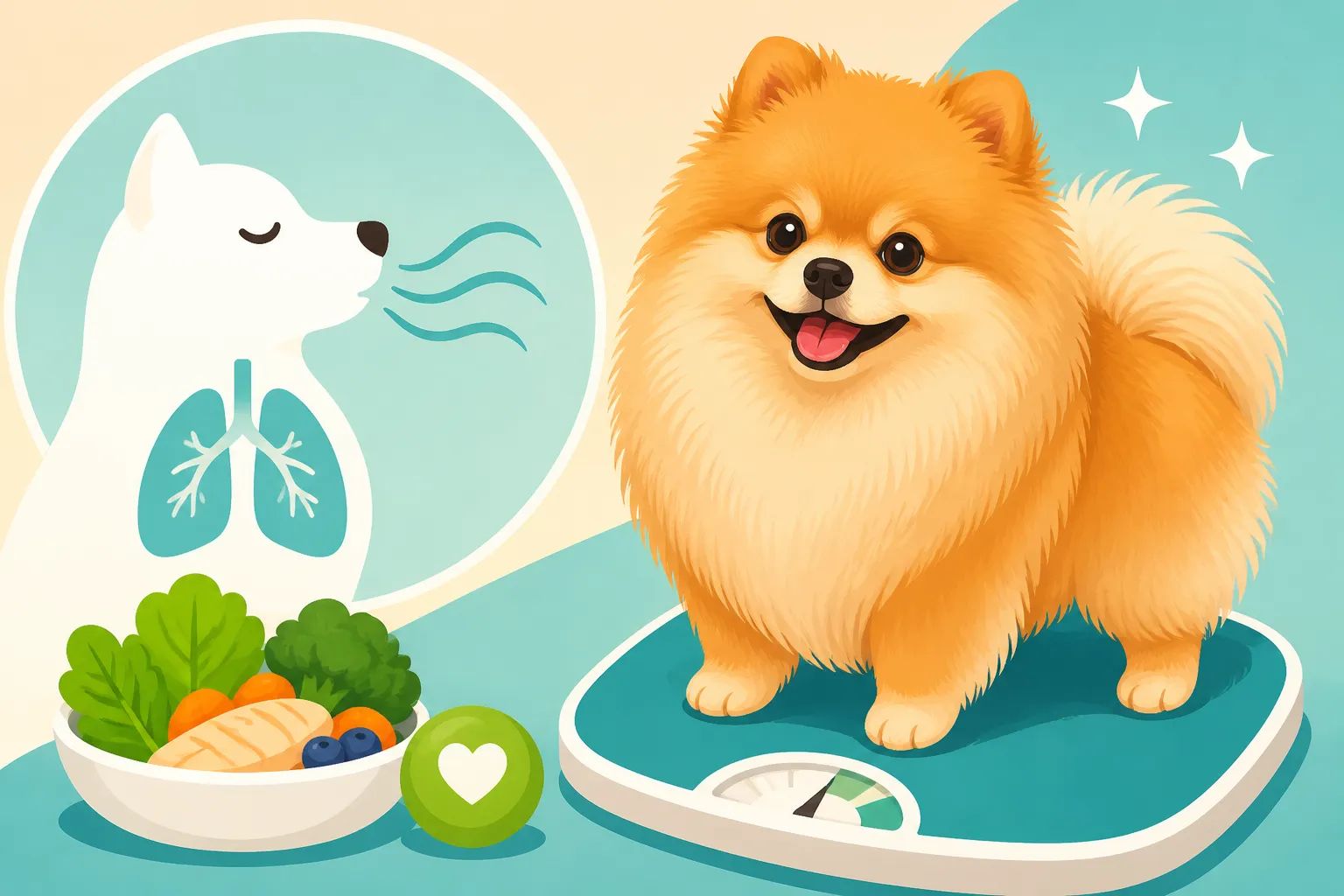
When you add even a little extra weight to this already delicate system, it's like asking someone to run a marathon with a heavy backpack on. The internal organs, including the lungs, have less room to expand. Fat deposits can build up around the trachea and chest cavity, putting additional pressure on these vital structures. This isn't just a theoretical problem; it manifests as noticeable difficulty breathing, especially during excitement, exercise, or even just temperature changes. We want our Poms to bark and play with gusto, not gasp for air.
How Extra Pounds Magnify Existing Issues
If your Pomeranian is already dealing with a predisposition to conditions like a collapsing trachea, or perhaps has developed a mild case over time, then carrying extra weight can turn a minor issue into a major crisis. Imagine a narrow straw; it's already harder to breathe through. Now imagine wrapping that straw in a thick, constricting band. That's what excess fat does to a Pomeranian's tiny airways. The pressure from internal fat around the neck and chest can exacerbate the flattening of the tracheal rings, making it much harder for air to pass through. This often leads to that distinctive The Honking Cough of a Pomeranian's Collapsing Windpipe, a sound that can be terrifying for any owner.
Furthermore, being overweight reduces a dog's overall stamina and endurance. A Pom that's carrying too many pounds will tire more quickly, overheat more easily, and be more prone to respiratory distress simply because their body has to work harder to move and function. This isn't about blaming the dog; it's about understanding the physiological realities and doing everything we can to support their fragile systems. It affects not just their breathing, but their entire quality of life, making everyday activities a struggle instead of a joy.
Beyond Just the Trachea: Other Organs Affected
While the trachea often gets the most attention when discussing weight and Pomeranian breathing, it's important to remember that the entire body is an interconnected system. Excess weight puts a strain on your Pomeranian's heart, forcing it to work harder to pump blood throughout a larger body mass. This increased workload can contribute to or worsen existing cardiac conditions, which, in turn, can further impact respiratory function. A struggling heart can lead to fluid buildup in the lungs or around them, making breathing even more labored.
Beyond the heart and lungs, carrying extra weight also impacts joints, especially those tiny kneecaps that can already be prone to slipping (luxating patellas). An overweight Pomeranian experiences more stress on their joints, potentially leading to or worsening conditions like Arthritis in a Pomeranian at Ten, which limits their mobility and willingness to exercise. Less exercise means fewer calories burned, creating a vicious cycle of weight gain and worsening health. It's truly a holistic problem, where one issue compounds another, making a healthy weight crucial for overall well-being.
Spotting the Signs Your Pomeranian Might Be Overweight
Sometimes it feels like our Pomeranians are just naturally fluffy, and it can be genuinely hard to tell if they're carrying a few extra pounds or if it's just their magnificent double coat. But learning to distinguish between healthy fluff and unhealthy fat is key to keeping them light enough to breathe easily.
The Visual Cues: More Than Just a Fluffy Coat
Pomeranians are renowned for their abundant, stand-off coats, which can make judging their body condition a real challenge. That glorious fur can hide a multitude of sins, so you need to go beyond just a quick glance. Start by observing your Pom from above. A healthy Pomeranian should have a distinct waist, where their body tucks in slightly behind the rib cage. If you look down and see more of a straight "sausage" shape, or even a bulging abdomen, that's a red flag.
Next, feel their ribs. This is where the fluffy coat can really trick you. Gently run your hands along their sides, applying a little pressure. You should be able to feel their ribs without having to press hard. If you can't easily feel the individual ribs and instead feel a thick layer of fat, your Pom is likely overweight. Similarly, check the base of their tail and along their spine; you shouldn't feel excessive fat padding there. It might take a bit of practice to learn Finding a Pomeranian's Ribs Through the Coat, but it’s an invaluable skill for any Pom parent. Their recommended weight range is typically The Three to Seven Pounds a Pomeranian Should Hold, but every dog is an individual, so body condition is often a better indicator than a number on the scale.
Behavioral Changes and Reduced Activity
Beyond what you see and feel, your Pomeranian's behavior can also give you strong clues about their weight. An overweight Pom often shows a noticeable decrease in energy and enthusiasm. They might be less inclined to play fetch, or they might tire out much more quickly during walks. What used to be a spirited dash across the living room might now be a slow waddle, followed by a long nap. You might notice them panting more heavily, even after minimal exertion, which is a direct sign that their respiratory system is under strain.
They might also become less eager to engage in activities they once loved, like chasing toys or going for car rides, simply because movement has become uncomfortable. Some owners report that their Poms become a bit grumpier or more irritable when overweight, possibly due to discomfort from their extra bulk or joint pain. If your once-lively companion seems to have lost a step, or if their happy panting has turned into concerning labored breathing, it's time to take a closer look at their weight. Whether a Fat Pomeranian Coughs More is a common observation, highlighting this direct link.
The Vet Visit: Getting an Official Assessment
The most reliable way to determine if your Pomeranian is at a healthy weight is to consult your veterinarian. They can provide an objective assessment using a body condition scoring chart, which considers muscle mass and fat distribution, not just a number on the scale. During your regular The Checkup Schedule a Pomeranian Should Keep, your vet will weigh your dog, palpate their ribs, spine, and hip bones, and visually assess their overall shape. They can also discuss your Pom's specific breed characteristics and any predispositions that might influence their ideal weight.
A vet can also help rule out any underlying medical conditions that might be contributing to weight gain, such as a slow thyroid or other metabolic issues, or identify health problems that excess weight could be aggravating. They can then work with you to develop a personalized weight management plan, including dietary recommendations and an appropriate exercise regimen. Don't hesitate to bring up your concerns during your next appointment; your vet is your best partner in ensuring your Pomeranian's long-term health and ability to breathe freely.
Crafting a Balanced Diet for Weight Management
Once you've identified that your Pomeranian needs to shed a few pounds, diet becomes your most powerful tool. It's not about drastic changes or starvation; it's about smart choices and consistent habits that support their small, energetic bodies.
Portion Control: The Golden Rule for Poms
For Pomeranians, who are so small, even a tiny amount of extra food can tip the scales into unhealthy territory. Precision in portion control is absolutely critical. Forget free-feeding; a Pomeranian should have clearly defined meal times and accurately measured amounts. Always follow your vet's recommendation for daily caloric intake, which will depend on your dog's current weight, target weight, age, and activity level. Invest in a small digital kitchen scale to accurately measure kibble or fresh food, rather than relying on measuring cups, which can be surprisingly inaccurate.
Divide their daily allowance into two or three small meals throughout the day. This not only helps manage their hunger but also stabilizes their blood sugar, which is particularly important for smaller breeds. Leaving food down all day can lead to overeating and also makes it harder to monitor their appetite, which can be an early indicator of health issues. Remember, Poms are masters of the "puppy dog eyes," but sticking to strict portion control is an act of love that prioritizes their health.
Choosing the Right Food: Quality Over Quantity
The type of food you offer your Pomeranian is just as important as the quantity. Look for high-quality, small-breed specific formulas. These foods are typically formulated with appropriate protein-to-fat ratios for smaller dogs and come in smaller kibble sizes that are easier for their tiny mouths to chew. Whether a Pomeranian Needs Small Breed Formula is a question many owners ponder, and generally, the answer is yes, due to both nutritional needs and kibble size. Brands like Chewy offer a vast selection of small-breed foods, making it easier to find one that suits your Pom.
Consider foods that are rich in lean protein to help maintain muscle mass while they lose fat. Some owners find success with fresh food options, which can be precisely portioned and often have higher moisture content, helping dogs feel fuller. Services like Ollie deliver pre-portioned fresh meals right to your door, which can simplify weight management if you're looking for that kind of convenience. Always check the ingredient list for whole, identifiable ingredients and avoid fillers that offer little nutritional value but contribute to calories.
Healthy Treats and Snacking Habits
We all love to spoil our Poms with treats, but these tiny calorie bombs can quickly derail a weight loss plan. It’s not about cutting out treats entirely, but about being mindful and making healthier choices. Opt for low-calorie, small-sized treats. Many fruits and vegetables can be excellent, safe options – think tiny pieces of apple (no seeds), green beans, baby carrots, or blueberries. Always research which human foods are safe for dogs before offering them.
When giving commercial treats, break them into even smaller pieces. A single treat often contains enough calories for several rewards for a Pomeranian. You can also use a portion of their daily kibble allowance as training treats. This way, they're still getting their favorite rewards without adding extra calories. Remember that every single morsel counts for a dog as small as a Pomeranian. Be consistent with your treat strategy, and make sure everyone in the household is on the same page.
Exercise Tailored for a Pomeranian's Needs
While diet is crucial, exercise plays a vital supporting role in weight management and overall health for your Pomeranian. It helps burn calories, builds lean muscle, and, most importantly, keeps their respiratory system strong and efficient.
Safe and Effective Daily Activity
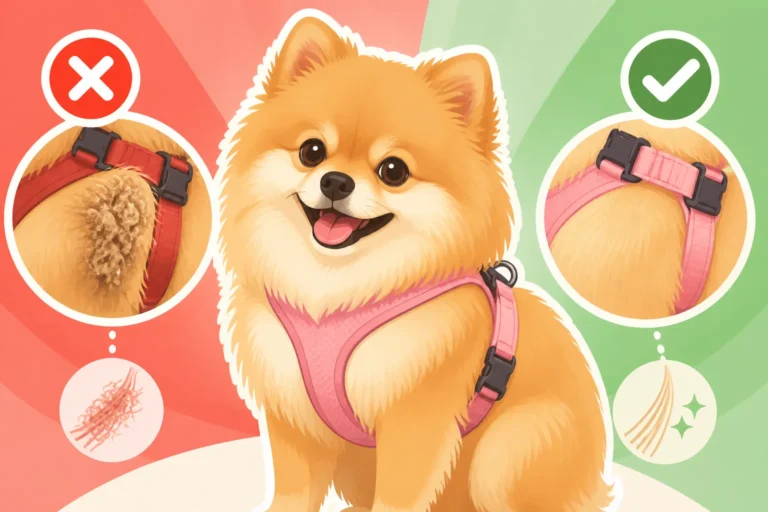
Pomeranians might be small, but they are surprisingly energetic and benefit greatly from regular, moderate exercise. The key is "moderate" and "consistent." Aim for two to three short walks a day, perhaps 15-20 minutes each, rather than one long, strenuous outing. This helps keep their metabolism active throughout the day. For Poms, it's particularly important to use a harness rather than a collar, especially if they have any predisposition to tracheal issues. A harness distributes pressure across their chest, protecting their delicate windpipe. Why a Collar Threatens a Pomeranian's Windpipe is a critical piece of knowledge for all Pom owners.
During walks, pay close attention to their breathing. If they start to pant excessively, wheeze, or show that characteristic honking cough, it's time to slow down or take a break. Overexertion, especially in warmer weather, can quickly lead to respiratory distress. Adjust the intensity and duration based on your individual Pom's fitness level and health. Even simple walks around the block can be incredibly effective for calorie burning and muscle toning, contributing to Exercise a Pomeranian Needs to Stay Trim.
Incorporating Play into Their Routine
Exercise doesn't have to be limited to walks; interactive play is a fantastic way to get your Pomeranian moving and mentally stimulated. Fetch, gentle tug-of-war, or even a good game of chase in a safe, enclosed space can burn calories and strengthen their cardiovascular system. Many Poms adore playing with small, squeaky toys or chasing a laser pointer (used responsibly and not frustratingly). These activities are especially good for days when the weather isn't cooperating for outdoor walks.
Puzzle toys, which require your Pom to work for their treats, can also provide mental stimulation and some light physical activity. Remember that consistency is more important than intensity. Short bursts of play throughout the day can add up to significant calorie expenditure and keep your Pom engaged and happy. This also strengthens your bond, making exercise a fun activity you can enjoy together.
Monitoring During Exercise: When to Stop
Knowing when your Pomeranian has had enough exercise is crucial, especially for those prone to respiratory issues or those just starting a weight loss journey. Always observe their breathing. Heavy panting, deep raspy breaths, or the "honking" cough are clear signals to stop and rest. Their tongue color can also be an indicator: a bright pink tongue is normal, but if it starts to turn a purplish or bluish tint, this is an emergency and indicates a lack of oxygen.
Heat can be a significant factor. Pomeranians with their thick double coats can overheat quickly, exacerbating any breathing difficulties. Avoid exercising during the hottest parts of the day. Carry water with you and offer frequent breaks, especially if you're out for more than a few minutes. If your Pom seems unusually lethargic or reluctant to move, respect their cues. It's always better to err on the side of caution and end an activity early than to push them to the point of distress. This careful monitoring ensures their exercise is beneficial, not harmful.
Lifestyle Adjustments to Support a Healthy Weight
Weight management for a Pomeranian isn't just about what's in their bowl or how many steps they take; it's about creating an entire lifestyle that supports their lean physique and helps them breathe easier. Small adjustments to daily habits can make a huge difference.
Preventing Scavenging and Begging
Pomeranians are notoriously charming and can be master manipulators when it comes to food. The moment you turn your back, they might be eyeing dropped crumbs or, worse, attempting to "clean up" forgotten snacks. This opportunistic scavenging can add significant, unnoticed calories to their day. Be vigilant about keeping floors clean and food put away. Consider using baby gates to block off kitchen areas during meal prep or dining if your Pom is particularly persistent.
Begging at the table is another common pitfall. While those big, pleading eyes are hard to resist, giving in even to tiny scraps can quickly undermine their diet. Human food, even in small amounts, can be very calorie-dense for a tiny dog and may upset their sensitive stomachs. Establish a clear rule: no human food from the table. If you want to share, do so with vet-approved, healthy dog treats or a tiny piece of their own kibble, given away from the table, as a reward for calm behavior. Consistency from all family members is key here to avoid confusing your Pom.
Consistent Routines for Success
Dogs thrive on routine, and a consistent daily schedule can be a powerful tool for weight management. Regular meal times help regulate their metabolism and manage hunger, making them less likely to beg or overeat. Predictable exercise times ensure they get their necessary activity without you having to constantly remember. This predictability reduces stress, which can sometimes play a role in metabolism and appetite.
A routine also allows you to more easily monitor changes in your Pomeranian's appetite or energy levels, which can be early indicators of health issues or whether their current plan is working. For instance, if your Pom is usually enthusiastic about their evening walk but suddenly seems uninterested, it might signal discomfort, overfeeding, or another underlying issue. Stick to a schedule for meals, walks, and playtime as much as possible, as this consistency truly underpins successful weight management.
Managing Multiple Pet Households
If you have more than one pet in your household, managing a Pomeranian's weight can become a bit trickier. Food competition or access to another pet's food can quickly lead to unwanted weight gain. If one pet is on a weight management diet and another isn't, or if you have a larger dog, free-feeding is definitely out of the question. Even a few nibbles from a larger dog's bowl can be a significant calorie boost for a tiny Pom.
Consider feeding your Pomeranian separately, perhaps in their crate or a designated room, to ensure they only eat their own portion. If you have different sized dogs, invest in slow-feeder bowls for all of them to prevent rapid consumption and allow for better monitoring. You can also use methods like elevated feeding stations for larger dogs that your smaller Pom can't reach. Products from Amazon can help you find various feeders and pet gates to create a secure feeding environment. This diligent approach helps prevent accidental overeating and ensures each pet receives the appropriate nutrition for their individual needs.
Addressing Underlying Health Conditions
Sometimes, despite our best efforts with diet and exercise, a Pomeranian might still struggle with weight or respiratory issues. In these cases, it’s crucial to consider if there are underlying health conditions at play that need veterinary attention.
Thyroid Issues and Other Metabolic Factors
Just like people, dogs can suffer from metabolic conditions that impact their weight. Hypothyroidism, an underactive thyroid gland, is one of the more common culprits. A dog with hypothyroidism might gain weight even on a moderate diet, and often displays other symptoms like lethargy, a dull coat, or skin issues. If you suspect your Pomeranian is struggling with weight despite your diligent efforts, your vet can perform simple blood tests to check their thyroid function. If diagnosed, hypothyroidism is usually manageable with daily medication, which can help regulate their metabolism and facilitate healthy weight loss.
Other, less common metabolic conditions can also affect weight. Sometimes, a dog's body simply processes food differently, or they might have an issue with nutrient absorption. This is where working closely with your veterinarian is essential. They can help diagnose these conditions and tailor a treatment plan that may include specialized diets or medications to get your Pomeranian back on track. It's frustrating when you're doing everything right and not seeing results, so don't hesitate to seek professional insight.
Arthritis and Mobility Challenges
As Pomeranians age, or if they have pre-existing joint issues like luxating patellas (slipping kneecaps), arthritis can set in. This can make movement painful, leading to reduced activity and subsequent weight gain. It's a cruel cycle: the less they move due to pain, the more weight they gain, and the more that weight exacerbates their joint pain. You might notice your Pom limping, being reluctant to jump on furniture, or showing stiffness after rest.
If joint pain is limiting your Pomeranian's ability to exercise, your vet can recommend solutions. This might include anti-inflammatory medications, joint supplements (like glucosamine and chondroitin), physical therapy, or even alternative therapies like acupuncture. Providing orthopedic beds, ramps to access furniture, and non-slip mats on hard floors can also make their environment more comfortable and encourage movement. By managing their pain, you can help them become more active, which is vital for Taking Weight Off a Pomeranian Without Starving It and supporting their breathing.
Working With Your Vet on a Holistic Plan
Ultimately, a truly effective weight management strategy for a Pomeranian, especially one with breathing concerns, requires a holistic approach and close collaboration with your veterinarian. They can help you create a comprehensive plan that addresses all aspects of your Pom's health: diet, exercise, and any underlying medical conditions. This might involve regular weigh-ins, specific dietary prescriptions, or a schedule for administering medication.
Your vet can also offer advice on special equipment, like a respiratory support harness, or discuss options if their breathing issues are severe. They are your best resource for monitoring progress, making adjustments to the plan as needed, and ensuring your Pomeranian remains as healthy and comfortable as possible throughout their life. Don't view your vet visits as just for vaccinations; they are partners in your Pom's ongoing well-being.
The Long-Term Benefits of Maintaining an Ideal Weight
Committing to keeping your Pomeranian at a healthy weight is a significant undertaking, but the rewards are truly priceless. It’s an investment in their quality of life, their longevity, and the joy they bring to your home every single day.
A Happier, More Energetic Pomeranian
When your Pomeranian is at their ideal weight, they simply feel better. They'll have more energy for playtime, more enthusiasm for walks, and a generally brighter disposition. Think about how good you feel when you're at a healthy weight and full of vitality; it's the same for them. They'll be more agile, able to move freely without discomfort, and better able to express their playful, spirited personalities. You'll likely see a return to their puppy-like exuberance, chasing toys with gusto and greeting you with lively bounces.
This increased vitality also contributes to better mental health. An active dog is a stimulated dog. They're engaging with their environment, burning off excess energy, and fulfilling their natural instincts. This can lead to fewer behavioral issues like excessive barking or destructive chewing, simply because they're content and well-exercised. A light and lean Pomeranian is a happy Pomeranian, ready to embrace every moment with you.
Reduced Risk of Serious Health Complications
The most profound benefit of maintaining an ideal weight is the dramatic reduction in the risk of serious health complications. For Pomeranians, this means significantly easing the burden on their already delicate respiratory system, reducing the likelihood and severity of issues like tracheal collapse. But the benefits extend far beyond breathing. A lean body reduces the strain on their tiny joints, protecting them from conditions like arthritis and patellar luxation.
Maintaining a healthy weight also lowers the risk of developing other chronic diseases common in overweight dogs, such as diabetes, heart disease, and certain types of cancer. It contributes to a stronger immune system and better overall organ function. Essentially, you're protecting your beloved Pom from a cascade of health problems that can be costly, painful, and significantly diminish their quality of life. It’s a proactive step that pays dividends in their health and your peace of mind.
Extending Their Lifespan and Quality of Life
Ultimately, keeping your Pomeranian at a healthy weight is one of the most impactful things you can do to ensure they live a long, happy, and vibrant life. Studies consistently show that pets maintained at a lean body weight live longer and experience fewer health problems in their senior years. This means more precious years of cuddles, laughter, and companionship with your furry best friend. You're not just adding years; you're adding quality years, where they remain active, comfortable, and full of joy.
Imagine your Pomeranian still zipping around, enjoying their walks, and greeting you with enthusiasm well into their senior years. While we know The Twelve to Sixteen Years a Pomeranian Lives is the average, striving for a healthy weight can push them towards the higher end of that spectrum, or even beyond. This commitment allows them to fully enjoy their golden years, free from the debilitating effects of obesity. It's a testament to your love and dedication, ensuring your precious Pom can breathe easy and thrive by your side for as long as possible.
| Aspect | Overweight Pomeranian | Ideal Weight Pomeranian |
|---|---|---|
| Breathing | Labored, honking cough, increased risk of collapse, less stamina | Easy, free breathing, reduced risk of collapse, good stamina |
| Energy Level | Lethargic, tires quickly, less enthusiastic for play | Energetic, playful, eager for activity |
| Joint Health | Increased strain, higher risk/severity of arthritis/luxation | Healthy joints, reduced risk of mobility issues |
| Heart Health | Increased workload, higher risk of cardiac issues | Healthy heart function, lower risk of disease |
| Overall Comfort | Often uncomfortable, grumpier, less agile | Comfortable, agile, happy, and content |
| Lifespan | Potentially shortened, more health complications | Potentially longer, fewer chronic illnesses |
Disclaimer
This article is for general informational purposes only and does not constitute professional advice. Laws, prices and regulations vary by location and change over time. Consult a qualified professional for guidance on your specific situation.