Whether a Pomeranian Enjoys Being Dressed Up
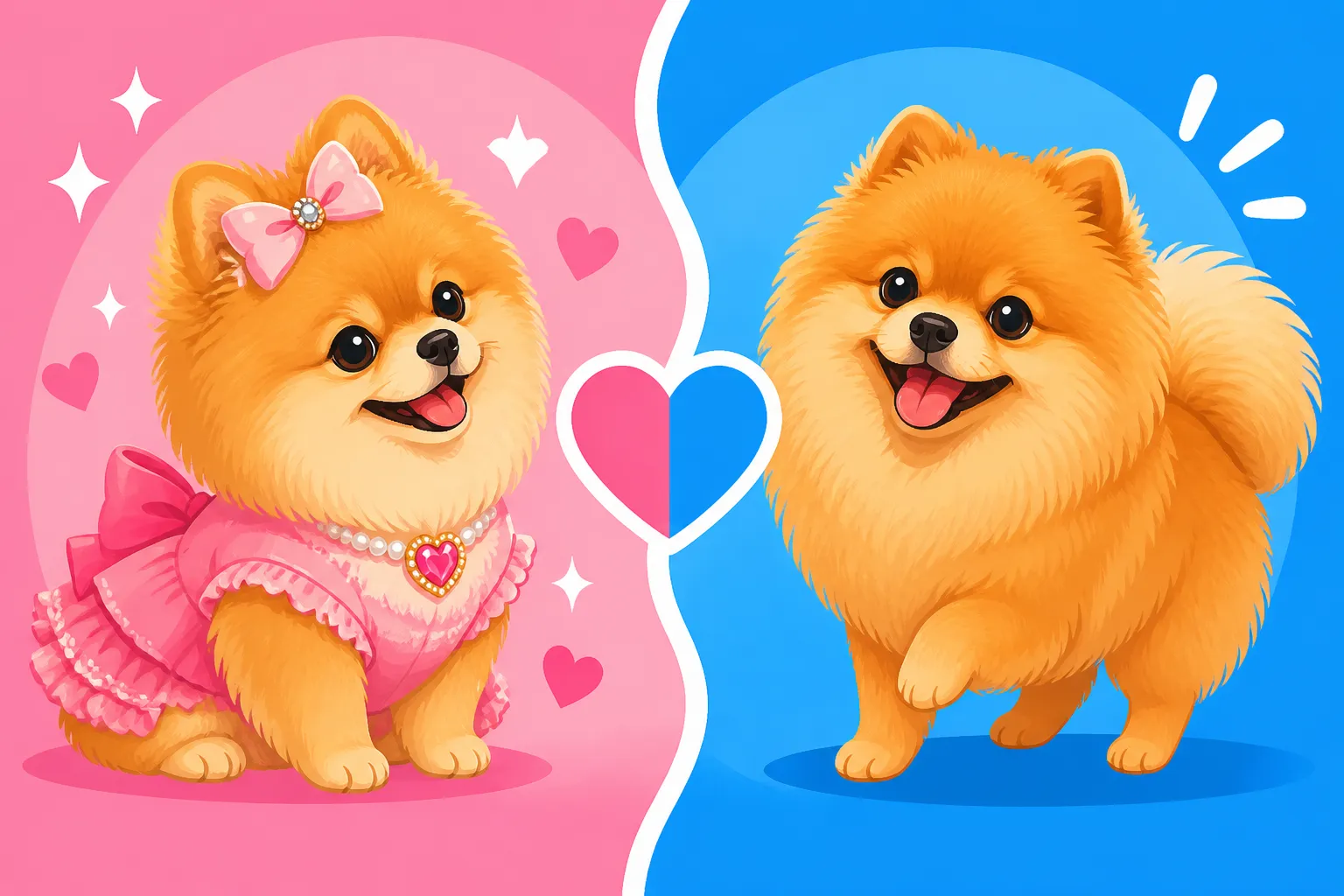
It's a common, utterly adorable sight on social media: a tiny Pomeranian sporting a cute little sweater, a festive bandana, or even a full costume. As pet parents, we often find immense joy in dressing up our furry companions, seeing them as extensions of our own style or simply wanting to celebrate a holiday in a fun, visual way. But for many Pomeranian owners, a nagging question remains: does my Pomeranian actually enjoy this, or am I just projecting my own fun onto them? This comprehensive guide will delve into the nuances of dressing up your Pomeranian, helping you understand their comfort levels, the practical considerations, and how to tell if it's truly a positive experience for your beloved little fluffball.
Understanding Your Pomeranian's Temperament and Tolerance for Clothing
Pomeranians are known for their vibrant personalities – they can be bold, curious, sometimes a little stubborn, and undeniably intelligent. Just like people, each Pom has a unique disposition that will heavily influence their reaction to wearing clothes. Some might tolerate it with a shrug, while others might view it as a grave injustice. It’s crucial to remember that what we find cute, they might find confusing, restrictive, or even uncomfortable.
Personality Traits Influencing Outfit Acceptance
Think about your Pom’s general demeanor. Is your dog the type who loves being the center of attention, soaking up every compliment and head scratch? Or are they more reserved, preferring their own space and a predictable routine? A naturally outgoing and confident Pomeranian might be more inclined to accept wearing an outfit, especially if it leads to extra praise and treats. They might even strut a little more, enjoying the fuss. Conversely, a more timid or sensitive Pom could find the sensation of clothing overwhelming or anxiety-inducing. Forcing them into an outfit could erode trust and create negative associations with handling, which can be detrimental to their overall well-being. It's not uncommon for Pomeranians, given their spirited Whether Spitz Independence Makes a Pomeranian Difficult, to vocalize their displeasure or try to wriggle out of anything unfamiliar.
The Importance of Positive Association with Clothing
When introducing clothing, the key is positive reinforcement. Never just yank a sweater over their head and expect them to be thrilled. Start small, perhaps with a lightweight bandana or a loose-fitting t-shirt, and offer high-value treats and enthusiastic praise. Associate the clothing with good things – a favorite toy, a short play session, or a delicious snack. If your Pom shows any signs of discomfort, fear, or attempts to escape, take the item off immediately. We want to build an association where wearing clothes means something fun is about to happen, or at least that they'll be rewarded for their patience. It's about gradual desensitization, much like teaching them to tolerate grooming tools or car rides. Think of it as a mini Training Session Length for a Pomeranian: short, sweet, and always ending on a positive note.
Practical Considerations for Dressing a Pomeranian
Beyond their personality, there are very real, physical considerations when deciding whether to dress your Pomeranian. Their unique anatomy and glorious coat demand careful thought to ensure their health and comfort aren't compromised.
Protecting That Glorious Double Coat
Pomeranians are famed for their magnificent double coat, a dense, fluffy undercoat providing insulation and a longer, coarser outer coat offering protection. This isn't just for show; it's a vital part of their natural temperature regulation. Clothing, especially if it's thick or poorly ventilated, can trap heat against their body, leading to overheating, particularly in warmer climates or indoors. Remember, their coat helps keep them cool in summer and warm in winter. Covering it inappropriately can interfere with this natural system. Furthermore, constant friction from clothing can rub and damage their delicate fur, leading to matting, breakage, and even skin irritation underneath. Mats can form quickly and be incredibly painful, pulling on their skin. A daily brush-out is already essential, but with clothing, you might need to increase how many times a week a Pomeranian is brushed, paying close attention to areas where clothing rubs. You don't want to inadvertently cause problems for The Double Coat That Makes a Pomeranian and Why It Stays On.
Size and Fit Challenges for Tiny Bodies
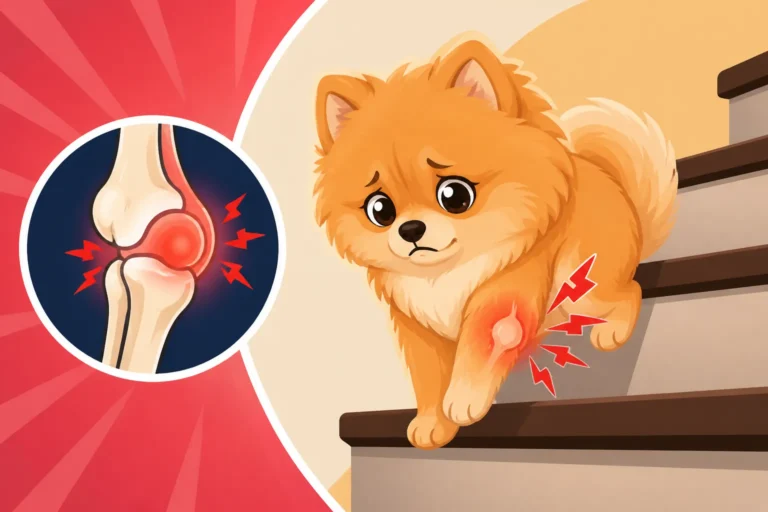
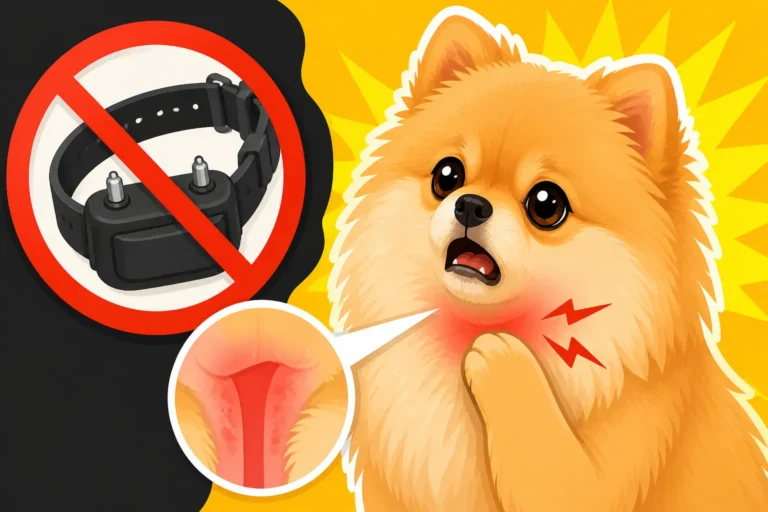
Pomeranians are small, typically weighing between 3 to 7 pounds, which makes finding perfectly fitting clothing a challenge. Clothing that is too tight can restrict their movement, chafe their skin, or even impede their breathing. For a breed already predisposed to issues like The Honking Cough of a Pomeranian's Collapsing Windpipe, anything that puts pressure on their throat or chest is an absolute no-go. Collars and harnesses, let alone clothing with restrictive necklines, need to be chosen with extreme care to avoid this delicate area. Conversely, clothing that is too loose can become a tripping hazard, entangling their tiny legs and potentially causing falls or injury, especially if they are prone to Slipping Kneecaps in a Five Pound Pomeranian. Always look for pet-specific sizing charts and read reviews, especially if purchasing from large online retailers like Amazon, where a huge variety of brands might have inconsistent sizing.
Health Implications of Constant Dress-Up
While an occasional cute outfit might seem harmless, constant dress-up can have unforeseen health implications. As mentioned, overheating is a significant concern. Pomeranians already have a thick coat, and adding layers can quickly push them past a safe temperature, especially indoors or during physical activity. Understanding The Temperature That Is Too Hot for a Pomeranian is crucial. Beyond temperature regulation, clothing can conceal skin issues, parasites, or injuries that might otherwise be noticed during regular grooming sessions. If a dog is always covered, you might miss a rash, a tick, a lump, or an area of hair loss until it becomes a more significant problem. It can also trap moisture, leading to skin infections or fungal growth, particularly in skin folds if the clothing isn't breathable or kept clean.
When Dressing Up Can Be Beneficial (or at least harmless)
Despite the potential pitfalls, there are definitely times and types of "clothing" where dressing up your Pomeranian can be perfectly fine, or even beneficial, as long as your dog is comfortable with it. The key is distinguishing between functional attire and purely aesthetic choices.
Functional Clothing: More Than Just Fashion
Sometimes, a bit of clothing isn't about fashion at all – it's about function and protection. For many Pomeranians, especially those living in colder climates or those with thinner coats due to age or health conditions, a lightweight sweater or coat can provide much-needed warmth during chilly walks. Similarly, a waterproof raincoat can keep them dry and prevent their dense fur from becoming waterlogged, which can be uncomfortable and lead to chills. Some owners also use protective vests or booties for specific outdoor activities, like hiking in rough terrain or walking on hot pavement, to shield their delicate paws and bodies. Think of it as a tool to enhance their comfort and safety, not just an accessory. Whether a Pomeranian Needs Clothing at All is a question that often comes down to these practical considerations.
Special Occasions and Short-Term Wear
There's no denying the joy of a Pomeranian in a tiny Santa hat or a festive bow tie for a holiday photo. For short bursts of wear, such as a quick photo session, a few minutes at a party, or a special family gathering, most well-adjusted Pomeranians can tolerate an outfit without significant stress, provided they've been positively conditioned. The emphasis here is on "short-term." It's about capturing a moment, not sustained wear. Always prioritize their comfort above all else. If the outfit is causing stress, remove it. The memory of your happy, comfortable Pom is far more precious than a perfectly staged photo.
Choosing the Right Attire and Brands
When you do decide to dress up your Pomeranian, making smart choices about the type of clothing and the brand is essential. Look for items specifically designed for small breeds, with soft, breathable fabrics like cotton or light fleece. Avoid anything with excessive embellishments that could be chewed off and swallowed, or small parts that could irritate their skin. Pay close attention to the neckline and armholes – they should be loose enough to allow full range of motion and prevent rubbing or pressure on the throat.
Many brands offer a range of sizes and styles. Retailers like Amazon provide a vast selection, making it easier to compare options and find something that might work for your specific Pom's measurements. Look for adjustable closures, such as Velcro or snaps, which can offer a more customized and comfortable fit than pull-over styles. For new puppy owners, integrating simple items like bandanas or lightweight t-shirts into their routine, perhaps with guidance from a training program like BAXTER & Bella, can help them become accustomed to the sensation of wearing something, should the need or desire arise later.
Here's a quick guide to help you make informed decisions:
| Aspect | Do | Don't |
|---|---|---|
| Fit | Ensure the clothing is loose enough to allow natural movement and breathing, but snug enough not to snag or trip your Pom. Two fingers should easily fit under any strap or neckline. | Choose items that are too tight, restricting movement or putting pressure on the trachea. Avoid anything so loose it can twist or get caught. |
| Material | Opt for lightweight, breathable, and natural fabrics like soft cotton, bamboo, or thin fleece. These minimize overheating and irritation. | Select heavy, bulky, or synthetic materials that don't breathe well. Avoid scratchy fabrics or those with excessive embellishments. |
| Duration | Limit wear to short periods for specific purposes (photos, chilly walks). Always supervise your Pom while they are dressed. | Leave clothing on for extended periods, especially unsupervised or overnight. This can lead to matting, skin issues, or overheating. |
| Pomeranian's Mood | Only dress your Pom when they appear happy, calm, and receptive. Use positive reinforcement and treats. | Force an outfit onto a reluctant or stressed Pomeranian. Ignore signs of discomfort like lip licking, ear flattening, or trying to remove the item. |
| Coat Health | Before and after dressing, perform a quick check for any mats or tangles, especially under the armpits or where the clothing sits. Brush your Pom regularly. | Neglect regular grooming when using clothing. Mats can form quickly and cause pain or skin problems if not addressed promptly. |
Recognizing Your Pomeranian's Cues and Setting Boundaries
Ultimately, the decision to dress up your Pomeranian should rest entirely on their comfort and willingness. They can't tell you in words if they hate that little reindeer costume, but they will certainly communicate it through their body language. Learning to read these subtle signals is paramount to being a responsible and empathetic pet parent.
Reading Body Language: Are They Happy or Stressed?
Your Pomeranian will give you clues if they're unhappy. Look for:
- Lip Licking or Yawning: Often a sign of stress or appeasement, not hunger or tiredness.
- Ears Pinned Back or Flattened: Indicates fear, anxiety, or submission.
- Tail Tucked or Held Low: A clear sign of discomfort or unhappiness.
- Freezing or Refusing to Move: They might just shut down, hoping the experience will end if they don't participate.
- Excessive Scratching, Biting, or Rubbing: Trying to get the offending item off.
- Whining, Growling, or Snapping: More overt signs that they want the clothing removed now.
- Avoidance: Turning their head away, trying to walk away, or hiding when they see the outfit coming out.
Any of these signals, even subtle ones, mean it's time to take the clothing off. Your Pomeranian's emotional well-being should always take precedence over a cute photo opportunity.
Gradual Introduction and Training
If you really want to dress your Pomeranian, start with short, positive training sessions. Begin by simply letting them sniff the item, rewarding them. Then, place it lightly over their back for a second, then remove and reward. Gradually increase the duration and the level of "dressing," always pairing it with treats and praise. Think of it as teaching them to accept handling for things like Building a Pomeranian's Tolerance for Combing Mats or nail trims. It requires patience and consistency. If they never truly warm up to it, that's okay. It simply means that particular activity isn't for them, and you should respect that. Programs like BAXTER & Bella offer excellent guidance on positive reinforcement training methods that can be adapted to help dogs feel more comfortable with various types of handling and novel experiences.
When to Say No to the Outfit
There will be times when, despite your best efforts, your Pomeranian simply doesn't like wearing clothes. And that's perfectly fine! There are countless ways to express your love and bond with your Pom that don't involve putting them in a tiny sweater. Their comfort, safety, and happiness are always more important than a fleeting fashion statement. If your Pomeranian consistently shows signs of stress, discomfort, or fear, or if the clothing causes matting, skin irritation, or restricts their natural movement, then the answer is a firm "no." Embrace their natural beauty and focus on activities they truly enjoy, like walks, playtime, or cuddles on the couch. There's nothing cuter than a happy, healthy Pomeranian in their own magnificent, natural coat.
Disclaimer
This article is for general informational purposes only and does not constitute professional advice. Laws, prices and regulations vary by location and change over time. Consult a qualified professional for guidance on your specific situation.