Whether a Pomeranian Puppy Should Meet Big Dogs
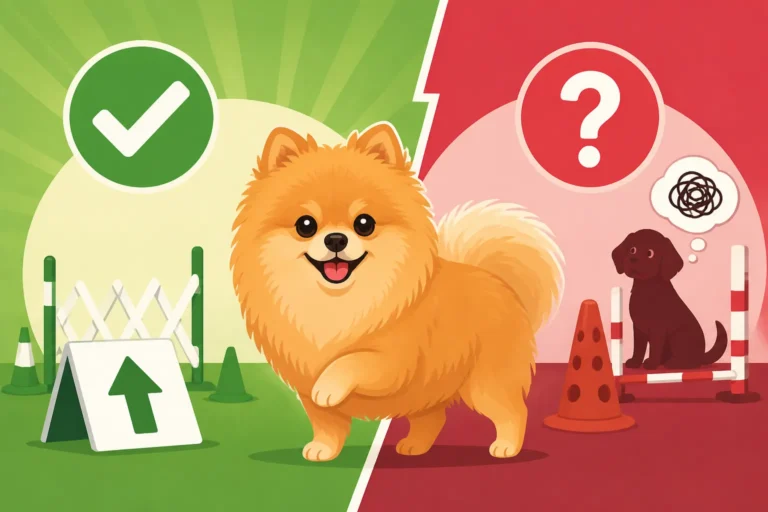
Bringing home a tiny Pomeranian puppy is an absolute joy, but it also comes with a unique set of worries, especially when you think about them interacting with the world. One of the biggest concerns I hear from new Pom parents is about introducing their little fluffball to larger dogs. It's natural to want your puppy to be well-socialized and friendly, but the sheer size difference can feel terrifying. This guide is here to walk you through the real risks, how to create safe opportunities for interaction, and how to ensure your tiny Pom puppy grows up confident, not fearful, around bigger canine friends.
The Unique Vulnerability of a Pomeranian Puppy
It's no secret that Pomeranians are small. Tiny, even! And while their spirited personalities often make them seem larger than life, their physical reality is quite delicate, especially as puppies. This inherent vulnerability means that while socialization is crucial, it needs to be approached with extreme caution, particularly when larger dogs are involved.
Physical Frailty: More Than Just a Size Difference
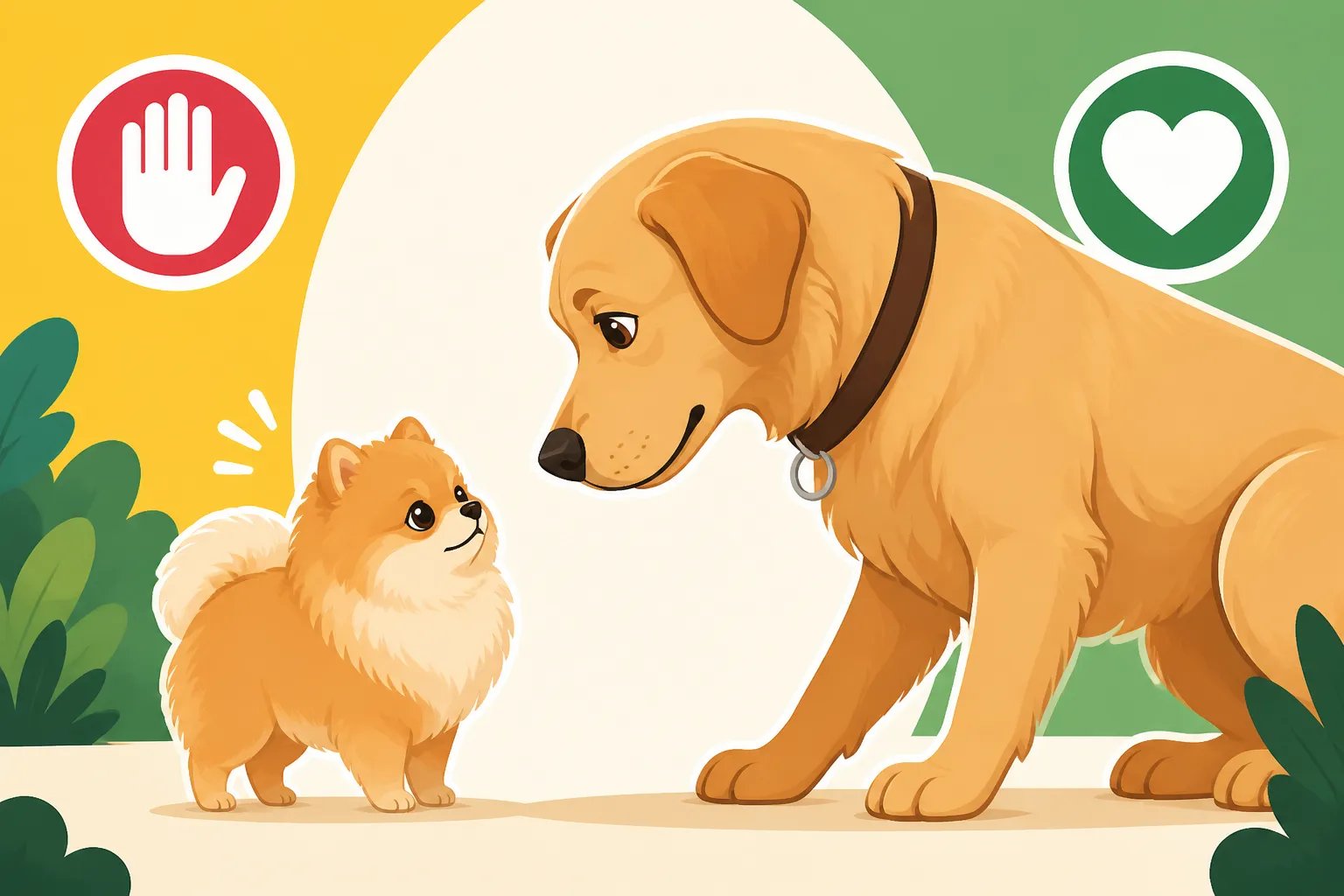
Imagine a playful, rambunctious Golden Retriever puppy, all paws and enthusiasm, just wanting to romp. Now picture your 3-pound Pomeranian puppy attempting to keep up. The difference isn't just a matter of scale; it's a matter of bone density, joint stability, and overall physical resilience. A playful bump or an accidental paw placement that wouldn't faze another large breed puppy could easily cause serious injury to a tiny Pom. Their bones are still developing, and they don't have the muscle mass to absorb impacts. Even a seemingly gentle mouth can inadvertently cause harm during play. This isn't about blaming larger dogs; it's about acknowledging the fundamental biological differences. Their delicate structures mean that even the best-intentioned play can turn dangerous in an instant. The Three to Seven Pounds a Pomeranian Should Hold is a good indicator of just how small they remain even as adults.
Overwhelm and Fear: Mental and Emotional Impact
Beyond the physical, there's the emotional and mental aspect. A giant, boisterous dog can be incredibly intimidating for a small puppy. Picture your Pom puppy, looking up at a dog ten or twenty times its size. If those initial encounters are too intense, too overwhelming, or even result in a perceived threat, it can instill deep-seated fear. This isn't just about a moment of fright; it can lead to lifelong anxiety, defensive barking, or even aggression towards larger dogs. We want our Pomeranians to be confident and well-adjusted, not to live in a constant state of apprehension. Negative early experiences can be incredibly difficult to undo and can impact your dog's quality of life for years to come.
The Accidental Mishap: When No One Means Harm
Most big dogs are truly gentle giants, not malicious aggressors. However, their sheer size and enthusiasm can lead to accidental injuries. A large dog might not even realize they've stepped on or knocked over a tiny Pomeranian puppy until it's too late. A wagging tail can be surprisingly powerful, a quick turn can send a small puppy tumbling, or a playful chase can end with your Pom being inadvertently tackled. It’s not about aggression; it’s about a lack of spatial awareness that comes with being a large animal. These aren't malicious acts, but the outcome can still be devastating. As owners, our job is to anticipate these scenarios and prevent them, recognizing that even the most loving bigger dog can be a danger to a fragile puppy without careful management. This is why Why a Dog Park Is Dangerous for a Pomeranian is a topic we often emphasize.
Creating Safe Socialization Opportunities
Socialization is incredibly important for any puppy, Pomeranians included. It helps them become well-adjusted, confident adults who aren't fearful of new experiences, people, or other dogs. However, with a Pomeranian puppy, this process requires careful planning and constant supervision, especially when it comes to larger canine companions.
Choosing Appropriate Playmates Wisely
When it comes to introducing your Pomeranian puppy to bigger dogs, discretion is absolutely key. Not all large dogs are suitable playmates for such a tiny, vulnerable creature. You need to seek out dogs who are known for their calm, gentle demeanor and have a proven track record of being good with small puppies. Think about a mature, well-socialized Golden Retriever or Labrador, perhaps one you know personally, who has a low prey drive and understands how to interact softly. Avoid dogs that are overly rambunctious, have a tendency to play rough, or who haven't been thoroughly vetted for their temperament around small animals. The best large-dog playmates are often older, a little slower, and have excellent impulse control. They should be dogs that are simply not interested in wrestling or chasing. You might even want to ask your veterinarian or a trusted local dog trainer for recommendations.
Establishing Controlled and Supervised Environments
The setting for any introduction between your Pomeranian puppy and a larger dog is paramount. You simply cannot let them loose in a free-for-all backyard and hope for the best. Instead, opt for a calm, neutral territory that is free from distractions. A living room with some clear space, a quiet, fenced yard, or even a puppy socialization class can work wonders. Crucially, these interactions must be short, highly supervised, and always have an easy exit strategy for your puppy. This might mean having your Pom on a lightweight harness and lead, or even a small, secure playpen that allows them to observe from a safe distance before direct contact. Utilizing tools like baby gates or an exercise pen, easily found on Amazon, can create a safe barrier during initial "sniff and see" introductions, allowing both dogs to acclimate without direct physical contact right away. Crate Work With a Pomeranian Puppy That Cries covers the importance of safe den spaces, which can also apply here.
The Art of the Controlled Introduction
A successful introduction isn't about throwing two dogs together. It's a gradual process, much like introducing new family members. Start by allowing them to be in the same room, each on their own side of a baby gate, just observing each other's presence. Positive associations can be built by giving them high-value treats (separately!) while they are calmly coexisting. When it’s time for direct contact, keep it brief and always on leash. Look for signals of comfort and curiosity from both dogs, and any signs of stress or fear from your Pomeranian puppy. The ideal interaction is calm, gentle sniffing, perhaps a soft tail wag, and then moving on. Never force an interaction, and if either dog seems uncomfortable, end the session immediately. The goal is positive, low-stress experiences, not forced playtime. Think of it as a brief "hello" rather than a full play date.
Understanding Puppy Body Language and Limits
One of the most powerful tools you have as a Pomeranian owner is the ability to read your puppy's body language. They communicate their comfort levels, fears, and intentions non-verbally, and understanding these signals is critical to ensuring their safety and positive development, especially around larger dogs.
Recognizing Signs of Stress or Fear
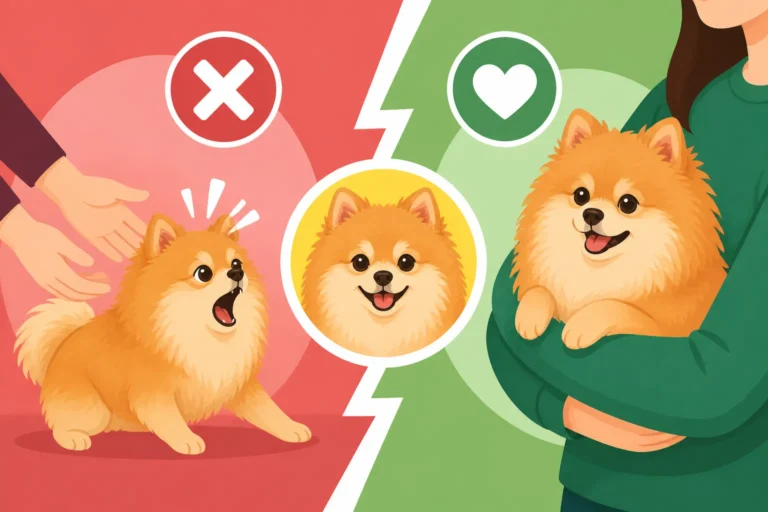
Your tiny Pomeranian puppy might not be able to voice their discomfort, but they will certainly show it. Look for subtle cues that indicate they are feeling overwhelmed or scared. These can include:
- Lip licking: Often a sign of appeasement or anxiety.
- Yawning (when not tired): Another stress signal.
- Turning head away/averting gaze: Trying to disengage from the interaction.
- Cowering or trying to hide: Clear signs of fear.
- Tail tucked tightly between legs: A classic fear indicator.
- Stiff body posture or freezing: Often precedes a flight response, or in some cases, a snap if they feel cornered.
- Ears flattened back: Indicates fear or submission.
- Subtle trembling: A direct sign of anxiety.
If you see any of these signs, even just one, it's a clear signal to intervene immediately and remove your puppy from the situation. Pushing them through their fear can backfire, leading to a much deeper aversion to larger dogs, or even defensive aggression in the future. Remember, a single negative experience can leave a lasting scar. It's better to end an interaction too early than too late.
Differentiating Play from Potential Problems
While the goal is safe, calm introductions, sometimes a bit of gentle, appropriate play can happen. How do you tell the difference between healthy puppy play and something that's starting to go wrong?
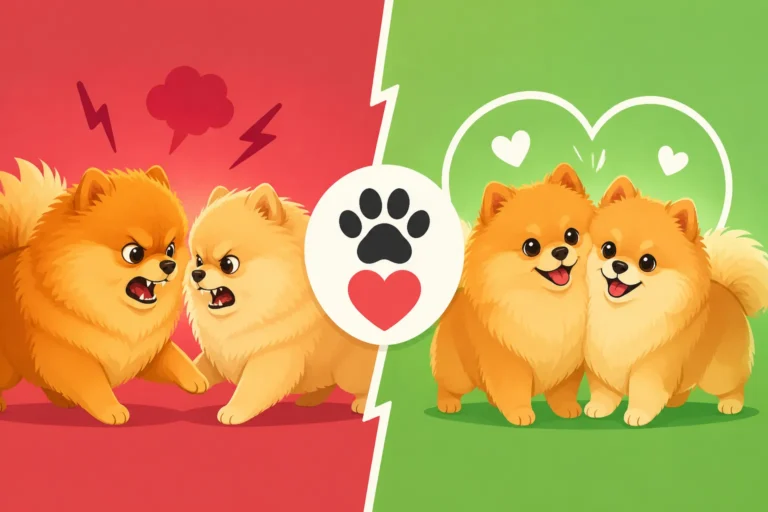
- Healthy play: Often involves 'play bows' (front end down, rear end up), loose, wiggly body movements, taking turns in chasing, and soft, inhibited mouthing. There should be pauses, where dogs shake off, sniff, and then re-engage. Your Pom puppy should appear happy, with a loose tail wag and soft eyes.
- Potential problems: Watch for overly boisterous play where the larger dog isn't self-handicapping (meaning they're not adjusting their strength to the puppy's size). If your Pom is constantly being chased without getting a chance to 'catch' or disengage, or if the larger dog is pinning them down without release, it's becoming unbalanced. Any yelping from your Pom that isn't instantly followed by the larger dog backing off is a red flag. Growling that seems tense rather than playful, or a larger dog blocking your puppy's escape route, also warrant immediate intervention.
| Interaction Type | Safe for Pomeranian Puppy | Key Characteristics & Precautions |
|---|---|---|
| Observation | ✅ Yes | Puppy observes larger dog from inside a secure pen or crate. No direct contact. Calm, quiet environment. High reward for calm behavior. |
| Parallel Walking | ✅ Yes (with care) | Both dogs walk separately on leashes, maintaining distance. Focus on positive experiences. Avoid direct nose-to-nose greetings initially. |
| Calm Sniffing | ✅ Yes (brief) | One-on-one, on-leash, highly supervised. Allow brief, soft sniff. Reward calm. Separate if any tension. |
| Structured Classes | ✅ Yes | Puppy classes with size-appropriate play groups or highly controlled interactions. Expert supervision is crucial. |
| Free Play (large dog) | ❌ No | High risk of accidental injury or fear-inducing overwhelm. Difficult to control impulses of a larger, unfamiliar dog. |
| Rough Play | ❌ No | Even seemingly innocent wrestling or chasing can be dangerous due to size difference and fragility. |
| Unsupervised Play | ❌ No | Never leave a Pomeranian puppy unattended with a larger dog, no matter how gentle you think the larger dog is. |
Knowing When to End an Interaction
You are your Pomeranian puppy's advocate and protector. Always err on the side of caution. If you have even a tiny inkling that things are not going well, or if your puppy shows any signs of stress, end the interaction. This could mean gently picking your puppy up, moving them to their safe space, or simply walking away. Keep these initial encounters very short—think a minute or two, tops. The goal is quality over quantity. A few positive, brief interactions are far more beneficial than one prolonged, stressful one. It's about building confidence incrementally. Remember, even if the larger dog is perfectly behaved, your puppy might still be feeling overwhelmed by the sheer presence. You are reading your puppy, not just the other dog.
Building Confidence Beyond Direct Play
While direct interactions with larger dogs can be tricky, there are many ways to build your Pomeranian puppy's confidence and ensure they are well-socialized to the wider world, including the presence of bigger canines, without putting them at undue risk.
Observational Learning: Safe Exposure
Your Pomeranian puppy doesn't always need to be nose-to-nose with a big dog to learn about them. Observational learning is incredibly powerful, especially for a small, sensitive breed. This means allowing your puppy to see and hear larger dogs from a safe, comfortable distance. Take your puppy, safely secured in a carrier or on a lead with a well-fitting harness (you can find many options on Amazon that protect their delicate trachea), to a park bench where you can watch dogs walk by. The key is distance. Your puppy should be able to observe without feeling threatened or overwhelmed. When they are calm and simply watching, offer them tiny, high-value treats. This creates a positive association: "Big dogs exist, and when I see them from a safe distance, good things happen!" This passive exposure helps normalize the presence of larger dogs without the physical risks of direct interaction. Harnesses Fitted for a Pomeranian's Windpipe explains why proper gear is so important for these outings.
Structured Training and Puppy Classes
One of the absolute best environments for safe socialization, especially for a small breed like a Pomeranian, is a well-run puppy training class. Look for classes that explicitly separate puppies by size or have very strict control over interactions. A good trainer understands the dynamics between large and small breeds and will facilitate appropriate play or, more often, structured parallel activities that build confidence. These classes also provide invaluable opportunities for your puppy to meet new people, experience different sights and sounds, and learn basic obedience commands in a controlled setting. An online puppy school, like BAXTER & Bella, can also provide you with the foundational knowledge and structured curriculum to confidently manage these real-world scenarios, giving you the tools to create safe learning environments at home before venturing out.
Enrichment at Home: Building a Secure Foundation
A confident puppy isn't just one that's met other dogs; it's one that feels secure, mentally stimulated, and loved in their home environment. Focus on building your Pomeranian puppy's confidence through positive reinforcement training, puzzle toys, and consistent routines. Teach them basic commands, play engaging games that don't involve other dogs, and expose them to various household noises and experiences. A puppy that feels safe and confident in their own world is much better equipped to handle new and potentially intimidating experiences outside of it. This foundation of security makes them more resilient and less likely to be fearful when they do encounter larger dogs or other new situations. Remember, their world at home is their base of operations, and a strong, positive base will serve them well. The Month a Pomeranian Puppy Stops Nipping and The Puppy Uglies a Pomeranian Goes Through are also important phases of a puppy's development where a strong home foundation is key.
Disclaimer
This article is for general informational purposes only and does not constitute professional advice. Laws, prices and regulations vary by location and change over time. Consult a qualified professional for guidance on your specific situation.