Whether a Pomeranian’s Recall Can Be Trusted
It's a common, heart-stopping moment for many Pomeranian owners: you call your little fluffball, and they either look at you as if you're speaking a foreign language or, worse, decide that a particularly interesting leaf or distant scent is far more captivating than your frantic pleas. The question of whether a Pomeranian's recall can truly be trusted is one that plagues many of us, and it often feels like a constant battle against their spirited independence. This guide will delve into the unique challenges of building a reliable recall with these intelligent, often stubborn, little dogs and provide actionable strategies to help you foster a safer, more responsive companion, recognizing that "trust" is built on consistent effort and realistic expectations.
The Pomeranian Personality and Recall Challenges
Let's be honest, Pomeranians are not your typical "eager to please" golden retrievers. They are intelligent, yes, but often with a fierce independence and a strong sense of self-preservation that can make recall training feel like an uphill battle. Understanding their inherent breed traits is the first step to setting realistic expectations and tailoring your training approach.
The Independent Spitz Spirit
Pomeranians descend from hardy Spitz breeds, historically working dogs used for herding and sled pulling in colder climates. While they've been bred down in size, that core "Spitz brain" remains. This means they are often highly intelligent, curious, and, crucially, independent thinkers. They were never bred to be solely reliant on human direction in the same way some other breeds were. They can make their own decisions, and sometimes those decisions involve exploring that fascinating smell or chasing that butterfly, regardless of your calls.
Imagine you're at the park, and your Pomeranian, Fluffy, is trotting a few feet away. Suddenly, a squirrel darts across their path. In Fluffy's mind, that squirrel is a prime target, an ancient instinct kicking in. Your voice, while familiar, often simply cannot compete with that primal drive. This isn't defiance; it's instinct. It’s why you might feel your Pomeranian has The Pomeranian That Turns Selectively Deaf at One – it's not deafness, it's prioritization. Their small size means they can cover ground surprisingly fast, and a moment of inattention on your part can lead to them being out of sight, and potentially in danger, quicker than you can react.
Distractions, Scents, and Small Prey Drive
Pomeranians have an excellent sense of smell and keen eyesight. Everything in the environment is a potential source of interest. A breeze carries a scent from a bush that an interesting animal recently visited, and suddenly, your Pomeranian is locked on, pulling towards it with surprising strength for their size. Their small stature also makes them naturally curious about things on the ground, often leading them to investigate cracks in the pavement, discarded food, or interesting patches of grass.
This combination of strong senses and a residual prey drive (remember those larger Spitz ancestors?) makes them highly susceptible to distractions. A rustling leaf, a distant dog bark, a child playing – any of these can instantly shatter their focus on you. For a tiny dog, the world is full of huge, overwhelming sensory input, and processing it can lead them to tune out your voice. It’s not that they don't love you or want to be with you; it's that their world is simply so interesting. This is a common frustration, especially when you're trying to enjoy a walk and they seem to have Whether a Pomeranian Is Stubborn or Just Bored, constantly pulling towards new stimuli.
The "Selective Hearing" Phenomenon
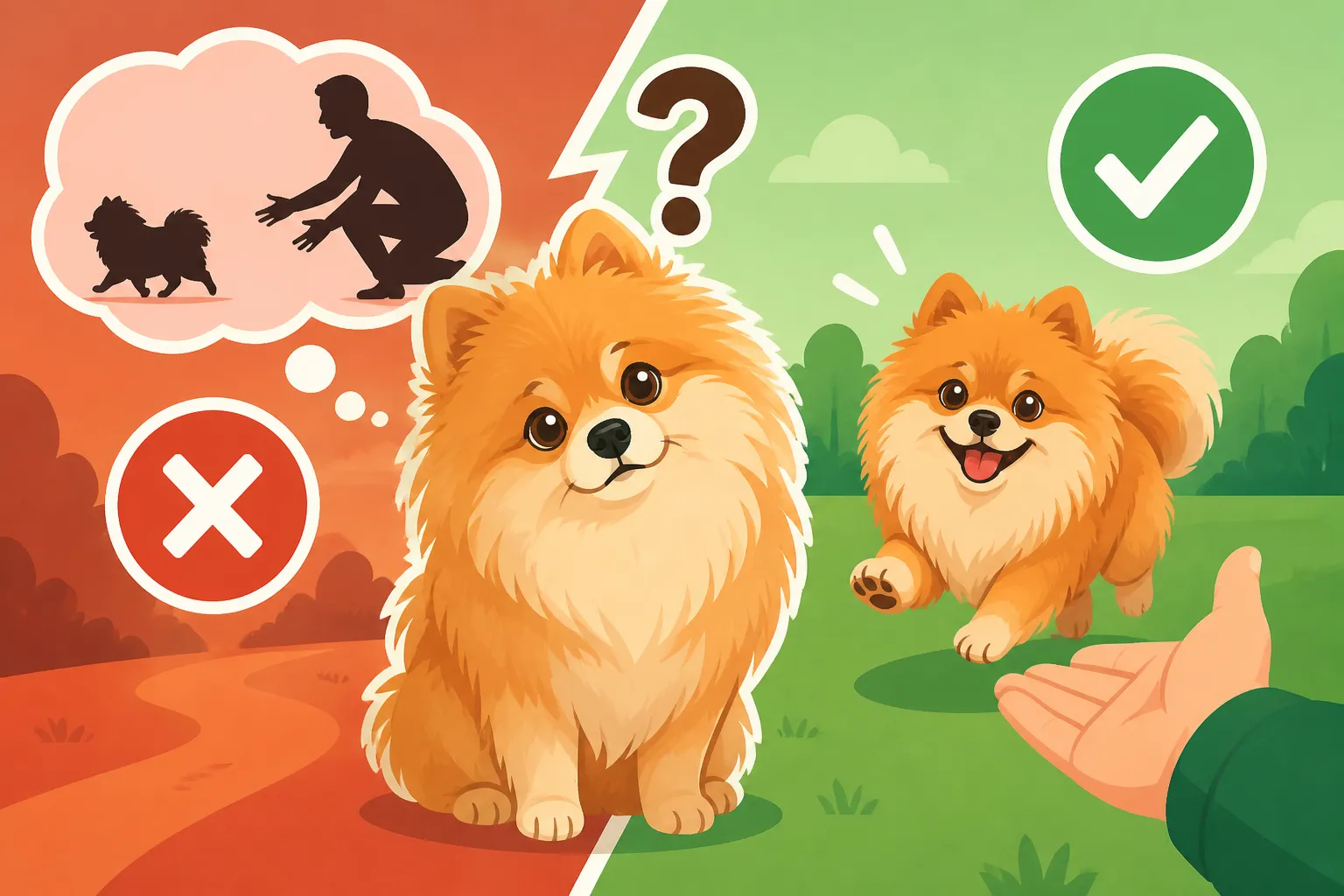
Ah, selective hearing – the bane of many a Pomeranian owner's existence. It's that moment when you call "Fido, come!" in your most cheerful, encouraging tone, and Fido glances at you, wags his tail, and then promptly continues sniffing the same spot as if you'd merely coughed. This isn't always outright disobedience; it's often a calculation. Pomeranians are smart. They weigh the perceived reward of coming to you against the immediate gratification of their current activity. If what they're doing is more fun or stimulating, or if your recall hasn't been consistently rewarded with something truly high-value, they might just decide it's not worth interrupting their important business.
This is where consistency and high-value rewards become absolutely critical. If "come" only sometimes means a lukewarm "good boy" and a pat on the head, but staying means another minute of sniffing an irresistible patch of grass, the grass wins every time. It’s a harsh truth, but our small companions are often highly pragmatic. Building a recall means making you the most rewarding, exciting, and interesting thing in their environment, even when faced with significant distractions.
Building a Rock-Solid Recall for Your Pomeranian
Despite their independent streak, building a reliable recall is absolutely possible with a Pomeranian. It requires patience, consistency, and a deep understanding of what motivates your tiny companion. This isn't about breaking their spirit but channeling their intelligence and drive into a behavior that keeps them safe.
Starting Early and Making It Fun
The earlier you start recall training, the better. Even a young Pomeranian puppy can begin learning the "come" cue in a low-distraction environment, like your living room or a securely fenced yard. Make it a game! Call their name, then "come!", and immediately reward them with an enthusiastic "YES!" and a delicious, pea-sized high-value treat when they reach you. Think tiny bits of cooked chicken, cheese, or hot dogs – whatever makes their eyes light up. The goal is to create a strong, positive association: "Coming to Mom/Dad means amazing things happen!"
Keep training sessions short and frequent, just a few minutes a few times a day, to match their attention span. Training Session Length for a Pomeranian is usually brief bursts of engagement. Avoid scolding or punishing them if they don't come; this will only teach them to associate "come" with something unpleasant, making them less likely to approach you in the future. Instead, simply reset and make the environment easier for them to succeed. If you find your Pomeranian ignoring you, go to them, pick them up, and bring them back to your starting point, then try again with less distance or fewer distractions. Consistency is the secret ingredient here; every single time you call them, they need to know what's expected and what awesome reward awaits.
Proofing Your Recall in Different Environments
Once your Pomeranian reliably comes to you in a quiet, familiar setting, it's time to "proof" their recall by gradually introducing distractions and new environments. This is where many owners get stuck, expecting their dog to perform perfectly in a busy park after only practicing in the living room. It simply doesn't work that way.
Start by practicing in a slightly more distracting area, like your backyard with some background noise. Then move to a quiet park or a friend's fenced yard. Increase the distance, add playful movements (like you jogging away), or have another family member gently walk by. Each time, ensure you're using those high-value treats and heaps of praise. The idea is to build up their ability to respond to your call despite competing stimuli. A long line (a lightweight, several-foot lead) is an invaluable tool for this stage. It allows your Pomeranian the illusion of freedom while giving you control and the ability to gently guide them back if they get too distracted. This also protects their fragile windpipe by preventing sudden jerks, which is crucial if you have a Pomeranian with The Honking Cough of a Pomeranian's Collapsing Windpipe.
When practicing, vary your location and the types of distractions. Don't always call them when they're sniffing something boring; sometimes call them away from something mildly interesting, rewarding them lavishly for their choice. This teaches them that "come" overrides all other activities. For structured, step-by-step guidance on this kind of progressive training, online programs can be incredibly helpful. Many owners find value in resources like those offered by BAXTER & Bella, which provide comprehensive dog training modules that can be adapted for small breeds like Pomeranians.
The Emergency Recall: A Lifeline
Beyond your standard "come," it's wise to establish an "emergency recall" cue. This should be a unique word or sound (like "HERE!" or a sharp whistle) that is only used for critical situations when your Pomeranian's life might be at stake. The key is that this cue is never overused and is always associated with the absolute highest value reward possible – a handful of their favorite treats, a spoonful of peanut butter, or a super-exciting toy.
Practice this emergency recall in a controlled environment, making it incredibly exciting and rewarding. Do not use it for everyday requests. The goal is that if your Pomeranian ever slips their leash and heads towards a busy street, or chases something into danger, this specific cue instantly triggers a "drop everything and run to owner" response without hesitation. It's a psychological failsafe, and because it's only used for emergencies, its power doesn't get diluted by routine use. You want their response to be automatic, primal, and unthinking.
Tools and Strategies for Enhancing Recall Safety
Even with the best training, recall is never 100% guaranteed, especially with a breed as curious and quick as a Pomeranian. Therefore, smart owners rely on appropriate tools and safety strategies to mitigate risks.
The Right Gear for Training and Safety
Choosing the correct equipment is paramount for a Pomeranian, not only for training effectiveness but also for their physical well-being. Their delicate tracheas make traditional neck collars risky, especially if they pull or dart unexpectedly.
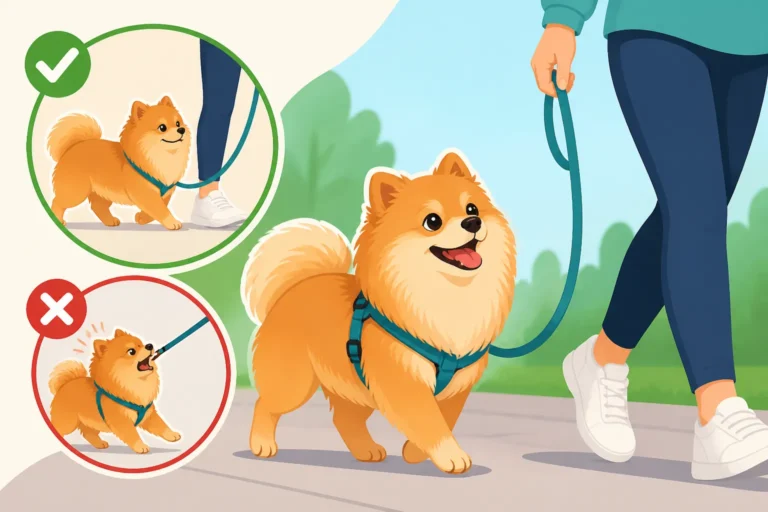
- Harnesses: A well-fitting harness that distributes pressure across their chest and shoulders, rather than their neck, is essential. Look for harnesses specifically designed for small breeds that don't put pressure on their throat. There are many excellent options available on Amazon, and taking the time to measure your Pomeranian accurately will ensure a comfortable and secure fit. Harnesses Fitted for a Pomeranian's Windpipe are a non-negotiable part of responsible ownership.
- Long Lines: As mentioned, long lines (ranging from 15 to 30 feet) are incredible tools for recall training. They allow your Pomeranian to explore safely while you maintain control. They should be lightweight, so as not to drag your small dog down, but durable. Always attach a long line to a harness, never a collar.
- High-Value Treats: We’ve talked about them, but it bears repeating: find what truly makes your Pomeranian tick. For some, it's tiny pieces of chicken. For others, it's specific soft training treats. Keep them varied so they don't get bored. You can find a huge variety of small, soft training treats on Amazon that are perfect for little mouths.
When to Use a Long Line vs. Off-Leash
This is a critical distinction for Pomeranian safety. A long line is a training tool and a safety measure. It allows you to practice recall in distracting environments while preventing your dog from truly bolting or getting lost. Think of it as a safety net. You're working towards building a recall that is so solid, you might consider short periods off-leash in highly controlled, safe environments.
However, for a Pomeranian, the decision to go off-leash should be approached with extreme caution. Their small size makes them vulnerable to larger dogs, birds of prey, and even careless pedestrians. They can also disappear into dense undergrowth incredibly quickly. For most Pomeranians, off-leash freedom should be reserved for securely fenced areas where you know there are no hidden dangers. Even then, continuous supervision is crucial. The rule of thumb for these tiny explorers should always be: if there's any doubt about their safety or the reliability of their recall in that specific moment and environment, they should be on a long line or a secure leash. Why Off Leash Is a Risk for a Pomeranian is not an exaggeration; it's a stark reality for these tiny dogs.
Understanding the Risks: When to Never Trust Recall
There are certain situations where, regardless of how well-trained your Pomeranian seems, you should never implicitly trust their recall. These are environments where the risks are simply too high for a small, easily distracted dog.
- Near Traffic: Roads, parking lots, and even quiet residential streets with occasional cars are absolute no-go zones for off-leash activity. A Pomeranian can dart into the road in a split second, with tragic consequences.
- Unfenced Areas with Unknown Dogs: You can't control other dogs. A large, playful dog might not mean harm but could easily injure a tiny Pomeranian by accident. Aggressive dogs pose an even greater threat.
- Areas with Wildlife: If your area has squirrels, rabbits, or even birds that trigger your Pomeranian's prey drive, the chances of them ignoring your recall in pursuit are incredibly high. The instinct is powerful, and they can be gone in a flash.
- Crowded Public Spaces: Festivals, busy markets, or even popular walking trails can be overwhelming for a small dog. They can get stepped on, lost in a crowd, or become overly stressed, making recall unlikely.
- Veterinary Offices: Even a well-behaved Pomeranian can be stressed or reactive in a vet clinic. Keep them on a short leash or in a carrier to ensure their safety and the safety of others.
The following table summarizes the key stages and reliability factors for recall training:
| Training Stage | Environment | Typical Reliability | Primary Goal | Key Tools |
|---|---|---|---|---|
| Foundation (Puppy) | Indoors, quiet, no distractions | Very High (80-90% +) | Build positive association with "come" | High-value treats, enthusiastic praise |
| Early Proofing | Fenced yard, mild distractions | Moderate-High (60-80%) | Generalize recall to varied settings | Long line, high-value treats, toys |
| Advanced Proofing | Quiet park, moderate distractions | Moderate (40-60%) | Increase distraction tolerance, distance | Long line, emergency recall cue, varying rewards |
| Real-World Scenarios | Busy park, high distractions | Low (20-40%) without long line | Constant reinforcement, safety awareness | Leash, harness, emergency recall, never fully off-leash |
| Emergency Use | Any environment (crisis) | High (should be 90%+ if trained) | Immediate, instinctual return in danger | Unique cue, highest possible value reward |
Remember, for a Pomeranian, "trusting recall" often means trusting yourself to use a long line or keep them leashed in any environment that isn't completely secure. Your vigilance is their ultimate safety net. While you can certainly build a fantastic recall, the world is a big, unpredictable place, and their tiny size makes them exceptionally vulnerable. Continuous, positive Building a Recall on a Pomeranian That Ignores You will always be part of responsible Pomeranian ownership.
Disclaimer
This article is for general informational purposes only and does not constitute professional advice. Laws, prices and regulations vary by location and change over time. Consult a qualified professional for guidance on your specific situation.