Whether Two Pomeranians Get Along
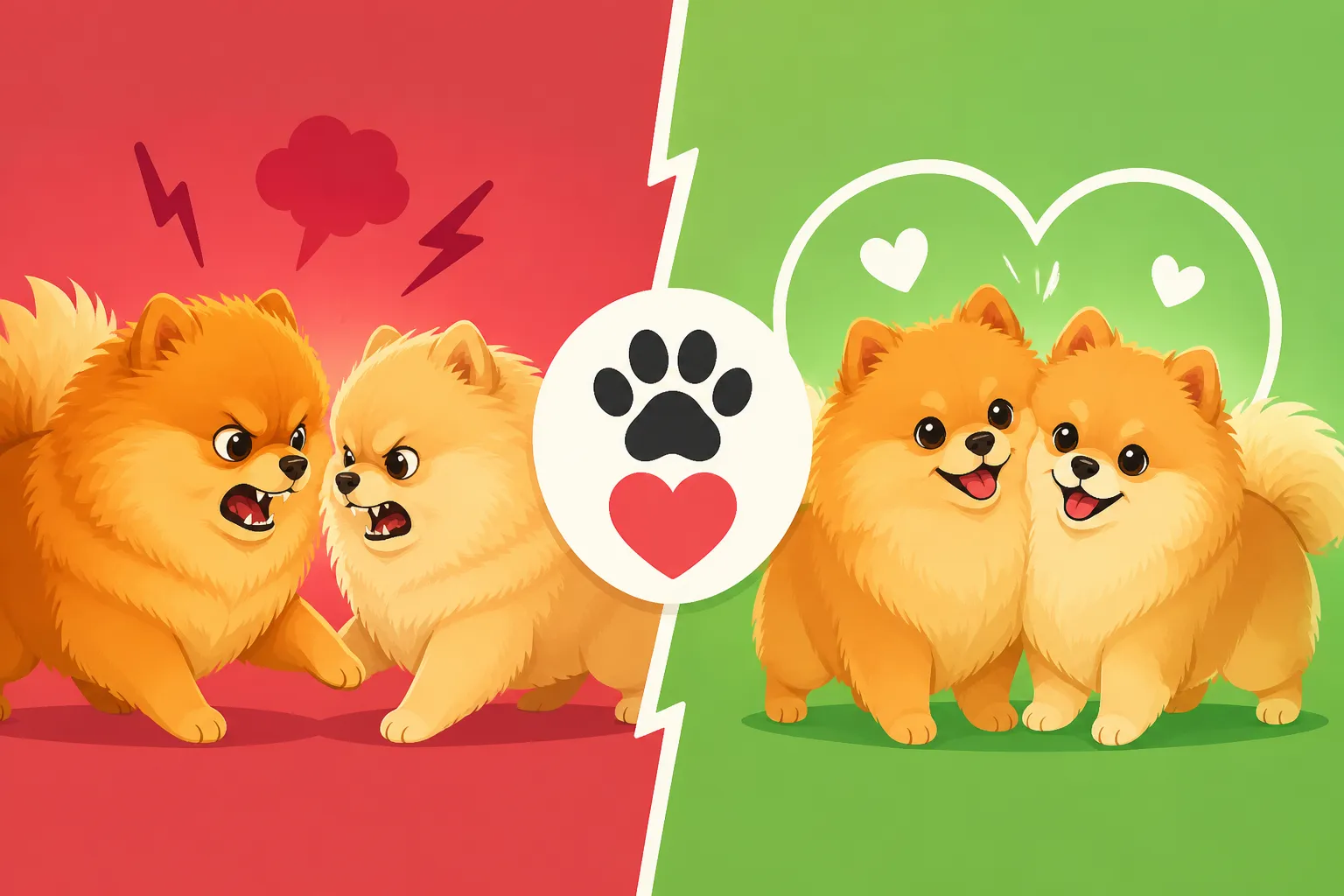
The idea of bringing a second fluffy Pomeranian into your home can feel incredibly exciting, a vision of two tiny, joyful furballs playing endlessly and snuggling together. But before you leap into that adorable scenario, it’s only natural to wonder if two Poms will truly get along, or if you're setting yourself up for a whirlwind of territorial squabbles and double the chaos. This guide will walk you through everything you need to consider, from initial compatibility factors to smooth introduction strategies, ensuring that adding another Pomeranian is a harmonious rather than a stressful experience for everyone involved.
Understanding Pomeranian Dynamics: More Than Just Breed
Many people assume that because two dogs are of the same breed, they’ll automatically be the best of friends. While Poms generally share certain traits – their vibrant personalities, intelligence, and often a bossy streak – each dog is an individual with its own temperament, history, and quirks. Thinking that two Pomeranians will simply click because they look alike is a common pitfall. Their shared heritage as spirited, confident little dogs can sometimes lead to clashes if not managed carefully, especially around resources or owner attention.
It's crucial to remember that a Pomeranian’s initial response to a new dog, even another Pom, can range from delighted curiosity to outright suspicion or territoriality. Their small size doesn't diminish their fierce spirit, and they can be surprisingly opinionated about who shares their space and their human's lap. This isn't about love or hate; it's often about instinct and establishing a social structure.
The Role of Temperament and Personalities
Before even considering a second Pomeranian, take a long, honest look at your current Pom’s personality. Is your existing dog laid-back and happy-go-lucky, or are they more on the anxious, possessive, or dominant side? A dog that tends to guard toys, food, or even your attention might struggle significantly with a newcomer. Conversely, a very shy or timid Pom might be overwhelmed by a boisterous puppy or a dominant adult.
You're essentially trying to find a compatible partner for your existing furry family member, not just another pet. Think about the dynamics you currently have and what kind of energy would complement, rather than clash with, that. Sometimes, opposites attract, but often, matching energy levels and general dispositions works best. For example, if your current Pom is a senior who enjoys quiet naps, bringing home a high-energy puppy might be disruptive for both of them, causing stress for your older dog and frustration for the youngster who wants to play.
Considering Age and Sex Combinations
The age and sex of your potential second Pomeranian are incredibly important factors in predicting how well they'll integrate into your home. There are certain combinations that tend to be more successful than others, though individual personalities always play the largest role.
Bringing in a very young puppy when you already have an older, established dog can be a mixed bag. The puppy's boundless energy can either rejuvenate a senior Pom or completely annoy them. A significant age gap (say, a 10-year-old and a 10-week-old) can prevent direct competition for resources or status, as their needs and play styles will be very different. However, the older dog might not appreciate the puppy's incessant desire to play or chew on their ears.
When it comes to sex, generally, a male-female pairing tends to be the most harmonious. Two females, especially if they are unspayed or of similar dominance levels, can sometimes be prone to more serious conflicts. Intact males can also challenge each other, though this can often be mitigated by neutering both dogs. Whether a Mixed Sex Pomeranian Pair Settles Better is a common question, and generally, the answer leans towards yes, primarily because it reduces same-sex competition for perceived resources and status. If you do consider two males or two females, ensuring both are spayed or neutered can significantly reduce hormonal-driven aggression or territoriality.
Preparing Your Home for a Multi-Pom Household
The preparation phase is critical for setting both your existing Pomeranian and the newcomer up for success. This isn't just about buying extra bowls; it's about creating an environment where both dogs feel secure, have their own space, and don't feel the need to compete for essentials. Rushing this step often leads to issues down the line that are much harder to resolve.
Think of it like preparing for a new baby – you wouldn’t just bring a newborn home without a crib, diapers, and a plan for feeding and sleeping. Similarly, your new Pomeranian needs their own designated items and areas, and your current Pom needs reassurance that their world isn't being completely upended.
Creating Separate Spaces and Resources
Every Pomeranian in your home should have their own dedicated space where they can retreat and feel safe. This might be a crate, a dog bed in a quiet corner, or even a pen. This is particularly important during the initial introduction phase and can remain vital for long-term harmony. These spaces should be respected by both dogs, meaning that if one Pom is in their bed, the other should not be allowed to bother them. Using baby gates to create distinct zones in your home can be incredibly helpful. You can find a wide variety of these, as well as separate beds and bowls, on platforms like Amazon, ensuring you have the right sizes for your tiny pups.
Beyond physical space, each dog needs their own set of resources:
- Food Bowls: Absolutely essential. Feeding dogs separately, even in the same room but a few feet apart, prevents resource guarding. Never allow one dog to eat from the other's bowl.
- Water Bowls: While sharing a communal water bowl is usually fine, having multiple bowls around the house can reduce competition.
- Toys: Provide a generous selection of toys for each dog. Observe if either dog shows signs of guarding specific toys. If so, put away high-value toys when not directly supervised.
- Beds/Crates: As mentioned, separate sleeping areas are paramount for comfort and security.
- Attention: This is often the trickiest resource to manage. Ensure you give individual attention to each dog every day, reinforcing their bond with you without the pressure of the other dog being present.
Scent Swapping and Gradual Introduction
The first impression is important, but it doesn't have to be a face-to-face meeting. Before your new Pomeranian even steps paw into your home, you can begin the introduction process through scent. This allows both dogs to get used to the idea of each other without the stress of direct interaction.
- Scent Swapping: Take a blanket or towel that has the scent of the new Pom (you can get this from the breeder or rescue). Bring it home and place it in your current Pom's sleeping area or near their food bowl. Let them sniff it, investigate it, and get used to the new smell at their own pace. Do the same for the new Pom with a scented item from your current dog. This desensitization helps immensely.
- Neutral Territory Meeting: The very first face-to-face meeting should ideally happen on neutral territory – somewhere neither dog has an established claim, like a park or a quiet street. Both dogs should be on leashes, and you should have another person to help manage each dog. Keep the first meeting short and calm. Focus on positive associations, like treats and praise for calm behavior. Avoid direct eye contact or nose-to-nose greetings initially; instead, allow them to walk parallel to each other at a distance, gradually decreasing the space.
- Supervised Home Introductions: Once they've had a few successful neutral territory meetings, bring the new Pom into your home, still on a leash if necessary, and supervise every interaction. Keep meetings short and positive. Use baby gates to separate them when you can't actively supervise. Feed them separately, give them separate toys, and ensure your existing Pom still gets plenty of one-on-one time and reassurance. Socializing a Pomeranian Before Its Shots Finish is often a concern for new puppies, but careful, controlled introductions with a known, healthy adult dog can be beneficial for early social skills.
Managing the Multi-Pom Household Long Term
Once your Pomeranians are living together, the work isn't over. Maintaining harmony requires ongoing management, clear boundaries, and consistent training. Small issues can escalate if ignored, so it's important to be observant and proactive.
Many challenges in a multi-dog home stem from resource guarding, whether it's over food, toys, sleeping spots, or even human attention. Establishing clear rules and ensuring fair access to everything can prevent most conflicts.
Preventing Resource Guarding
Resource guarding can manifest in subtle ways, like a stiff body, a direct stare, or a low growl, to more overt actions like snapping or biting. For small dogs like Pomeranians, these behaviors can still be intense and frightening.
- Feeding Time: Always feed your Poms in separate bowls, ideally in separate rooms or behind baby gates. Once they are done eating, pick up the bowls. This removes the resource and reduces the opportunity for guarding.
- High-Value Treats and Toys: Give high-value treats (like chews or special toys) to each dog in their individual crates or separate areas. Supervise carefully if they are out together, and if you notice any tension, put them away.
- Your Attention: This is a big one. Poms thrive on human attention. Make sure you dole it out equally, and intentionally spend one-on-one time with each dog daily. This might mean taking one for a short walk while the other rests, or having a dedicated cuddle session. This reduces the perception that they need to compete for your affection.
Consistent Training and Rules
Having two Pomeranians means doubling down on consistent training. Both dogs need to understand the house rules and respond to commands. This is where resources like online training programs, such as BAXTER & Bella, can be invaluable for maintaining structure and addressing any behavioral quirks that arise. Consistent training helps establish your role as the leader and provides a framework for both dogs to understand expectations.
- Individual Training Sessions: Even if it’s just 5-10 minutes a day, work with each Pomeranian individually on basic obedience commands like "sit," "stay," "come," and "leave it." This reinforces your bond with each dog and keeps their skills sharp.
- Group Training: Once both dogs are solid on individual commands, practice them together. Start with simple commands and gradually increase the difficulty. This teaches them to focus on you even when the other dog is present.
- House Rules: Are dogs allowed on the furniture? Do they need to wait for permission to eat? Whatever your house rules are, apply them consistently to both Poms. Inconsistency can lead to confusion and resentment.
- Barking: Whether Two Pomeranians Bark More Than One is a common concern. Often, yes, they can egg each other on! Address excessive barking consistently with both dogs, teaching a "quiet" command.
Individual Time and Exercise
Just like humans, dogs need individual attention and activities. While they may love playing together, ensure each Pomeranian also gets solo time with you. This could be a special walk, a dedicated cuddle session, or a one-on-one training game. This helps prevent one dog from always deferring to the other and strengthens your bond with each.
- Walks: If possible, take your Pomeranians for walks separately sometimes. This allows them to explore at their own pace and get your undivided attention. When walking together, ensure they both walk politely on a harness, remembering that Why a Collar Threatens a Pomeranian's Windpipe makes a harness essential for their delicate tracheas.
- Playtime: Provide toys and engage in play that suits each dog's preferences. Some Poms love fetch, others prefer tug, and some are content to chew quietly.
- Mental Stimulation: Puzzle toys and scent games are fantastic for mental exercise. Make sure you have options appropriate for two dogs, perhaps even giving them separate puzzle toys to work on simultaneously to avoid conflict.
Here's a quick comparison of the potential upsides and downsides of a multi-Pomeranian household:
| Aspect | Benefits | Challenges |
|---|---|---|
| Companionship | Poms have a built-in playmate, reducing loneliness. | Potential for inter-dog conflict, jealousy over owner. |
| Exercise & Play | Dogs can entertain each other, aiding exercise. | Play can escalate into squabbles if not supervised. |
| Mental Stimulation | Observing and interacting with another dog is enriching. | Need to manage individual personalities and needs. |
| Owner Time | Less guilt if you occasionally leave them home. | Requires double the attention, training, and management effort. |
| Costs | Sharing some items (beds), but overall more expensive. | Double vet bills, food, grooming, and potential training issues. |
| Barking | Can act as a "pack" to alert you. | Can egg each other on, leading to increased nuisance barking. |
When to Seek Professional Help
Even with the best intentions and preparations, sometimes two Pomeranians just don't see eye-to-eye, or new issues develop over time. It's not a sign of failure to seek professional guidance; it's a responsible step for the well-being of both your dogs and your household.
A certified professional dog trainer or a veterinary behaviorist can provide invaluable insight and create a tailored plan to address specific challenges. They can observe the dynamics in your home and identify triggers or subtle behaviors you might be missing. Don't wait until aggression becomes severe; early intervention is always best. The Pomeranian That Cannot Be Left Alone might benefit from a companion, but if that companion then causes more stress, professional help is key.
For situations involving significant resource guarding, fear, or aggression, a veterinary behaviorist is often the best choice, as they can assess for underlying medical conditions that might contribute to behavioral issues and can prescribe medication if necessary alongside behavior modification. A good trainer can also recommend specialized products or techniques, such as specific interactive toys or methods for desensitization that can be purchased from retailers like Amazon.
In conclusion, having two Pomeranians can be incredibly rewarding, filling your home with double the fluff and double the love. They can provide companionship for each other, enrich their lives, and give you endless moments of joy. However, it requires thoughtful planning, careful introduction, consistent management, and a deep understanding of each dog's individual needs and personality. With the right approach, your two Poms can absolutely get along and thrive together, bringing even more sparkle to your life.
Disclaimer
This article is for general informational purposes only and does not constitute professional advice. Laws, prices and regulations vary by location and change over time. Consult a qualified professional for guidance on your specific situation.