A Pomeranian That Growls at Visiting Kids
It’s incredibly disheartening when you’ve invited friends over, especially those with children, and your sweet little Pomeranian, usually the life of the party, turns into a growling, snapping ball of fluff. You just want everyone to get along, but instead, you're left apologizing and feeling confused about why your beloved companion acts so defensively around kids. This guide will walk you through the reasons behind your Pomeranian's growling and provide actionable strategies to help create a calmer, safer environment for everyone.
Understanding Why Your Pomeranian Growls at Kids
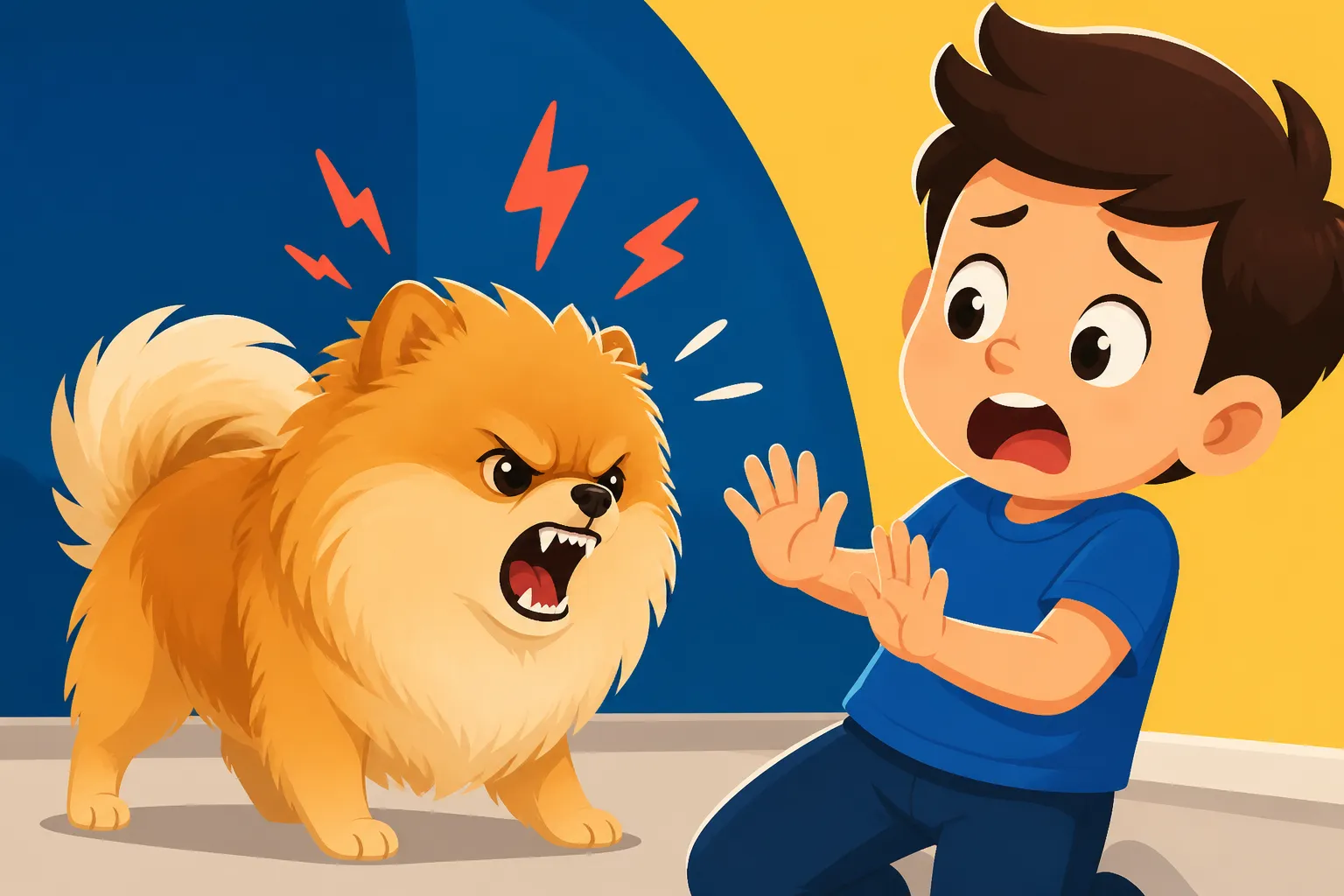
When a Pomeranian growls, it's not being "mean" or "naughty" – it's communicating a strong boundary or fear. Think of it as their way of saying, "I'm uncomfortable, please stop." Ignoring these early warnings can escalate the behavior, making it crucial to understand the underlying reasons.
The Pomeranian's Innate Wariness
Pomeranians, by their very nature, can be quite discerning. They are intelligent, alert, and often have a strong sense of self-preservation. Because they are so small, they can perceive larger beings, like children, as a potential threat, especially if those children are loud, unpredictable, or move quickly. A child's sudden movements, high-pitched squeals, or attempts to grab can trigger a Pomeranian's instinct to defend itself. It’s not a reflection of aggression as much as it is a natural, albeit sometimes intense, self-protective response. They might feel vulnerable, and their growl is an attempt to create distance and assert control over a situation where they feel powerless. Many owners find their Pomeranian's initial cautiousness to be charming, but it can quickly become problematic around children.
Negative Past Experiences or Lack of Socialization
Sometimes, a Pomeranian’s growling isn't inherent wariness but a learned response. Perhaps they had a negative interaction with a child in the past – maybe a child accidentally stepped on them, grabbed their tail, or startled them severely. These experiences can deeply embed a fear response. Even a lack of positive exposure to children during their critical socialization period as a puppy can lead to growling later in life. If your Pomeranian wasn't exposed to a variety of sights, sounds, and people, including calm, respectful children, when they were young, they might not have learned how to interpret and appropriately react to children's typical behaviors. This is particularly true if you have a rescue Pomeranian that arrives with bad teeth or other signs of past neglect, as their previous life might have included stressful encounters with children or general undersocialization.
Resource Guarding and Personal Space
Another common reason for growling is resource guarding. This isn't just about food or toys; for a Pomeranian, it can extend to their bed, their favorite person (you!), or even just the space around them. If a child approaches your Pomeranian when they are resting, eating, or snuggled on your lap, the Pomeranian might perceive this as an invasion of their personal space or a threat to their treasured resource. They might feel like they need to protect what's "theirs" from this new, unpredictable intruder. It’s a natural canine instinct, but in a small dog like a Pomeranian, it can seem amplified due to their size and perceived fragility. Understanding A Pomeranian That Guards a Toy From the Family can provide further insight into this type of behavior.
Creating a Safe and Structured Environment for Interactions
Addressing growling means taking proactive steps to manage interactions and ensure everyone feels safe and respected. This isn't just about training your dog; it's also about setting up the environment and educating the children.
Preparing for Children's Visits
Before any children even step through your door, you need a game plan. Start by creating a safe haven for your Pomeranian – a crate, a designated bed in a quiet room, or a playpen where they can retreat and feel secure. This isn't a punishment; it's their personal safe zone. Make sure it's stocked with a favorite chew toy or a puzzle feeder to make it a positive space. When children are expected, ensure your Pomeranian has had plenty of exercise. A tired Pom is often a calmer Pom. Consider a long walk or an engaging play session before guests arrive. This helps to burn off excess energy that might otherwise manifest as anxiety or hyperactivity during interactions. You might also want to have a special, high-value treat ready to reward calm behavior.
Managing On-Leash and Barrier Introductions
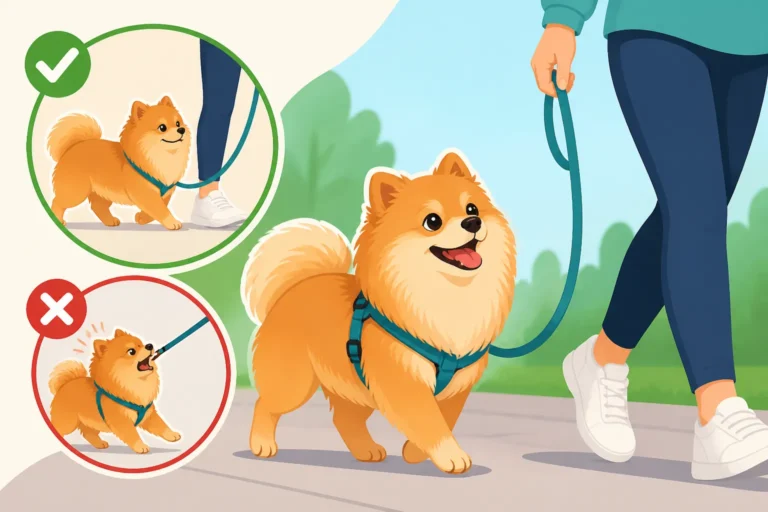
Initial introductions should always be managed and supervised. Keep your Pomeranian on a lightweight harness and leash, like those available on Amazon designed for small breeds, even inside your home. This gives you control without putting pressure on their delicate windpipe, which can be a concern for Pomeranians. Why a Collar Threatens a Pomeranian's Windpipe is a good read on this topic. When children arrive, keep your Pomeranian at a distance, perhaps behind a baby gate or in their crate, so they can observe from afar without feeling overwhelmed. Reward them with treats for calm observation. Gradually, as both the children and your Pomeranian settle, you can allow brief, controlled interactions.
It's crucial that your Pomeranian always has an escape route and isn't cornered. If the child is visiting your home, it's often helpful to introduce them on neutral territory first, if possible, like a quick, supervised walk outside before coming inside. This reduces the territorial aspect of the growling. Make sure any children understand that they are not to approach the Pomeranian if it's in its designated safe space.
Teaching Children How to Interact Respectfully
This is perhaps the most critical component. Children, especially young ones, often don't understand canine body language. It's up to the adults to teach them. Before the visit, talk to the children about how to interact with your Pomeranian.
Here's a simple table of rules you can share with children:
| Rule Number | Action to Take | Explanation for Kids |
|---|---|---|
| 1 | Be a Tree | If the dog gets too close or seems scared, stand still like a tree. Don't run or scream. |
| 2 | Be a Rock | If the dog jumps on you, fold your arms and look away, becoming boring like a rock. |
| 3 | Ask Permission | Always ask an adult before touching the dog, even if you know it. |
| 4 | Gentle Petting | Pet gently on the shoulder or chest, never on the head or tail. Use one hand. |
| 5 | Quiet Voices and Slow Movements | Talk softly and move slowly around the dog. Loud noises and fast movements can scare them. |
| 6 | No Chasing or Grabbing | Never chase the dog or grab its tail, ears, or legs. Dogs don't like to be grabbed. |
| 7 | Let the Dog Come to You | Let the dog sniff you first. If it walks away, it means it wants space. |
| 8 | Respect Their Space | If the dog is sleeping, eating, or in its bed, leave it alone. That's their quiet time. |
Emphasize to children that dogs communicate with barks and growls, and a growl means, "I need space." Teaching Children Not to Chase a Pomeranian is vital, as this can often be the trigger for a growl. Many online training platforms, such as BAXTER & Bella, offer resources for teaching children how to safely interact with dogs.
Training Strategies to Change Your Pomeranian's Reaction
Once you've managed the environment, it's time to work on changing your Pomeranian's emotional response to children through training. This is a gradual process requiring patience and consistency.
Positive Reinforcement and Desensitization
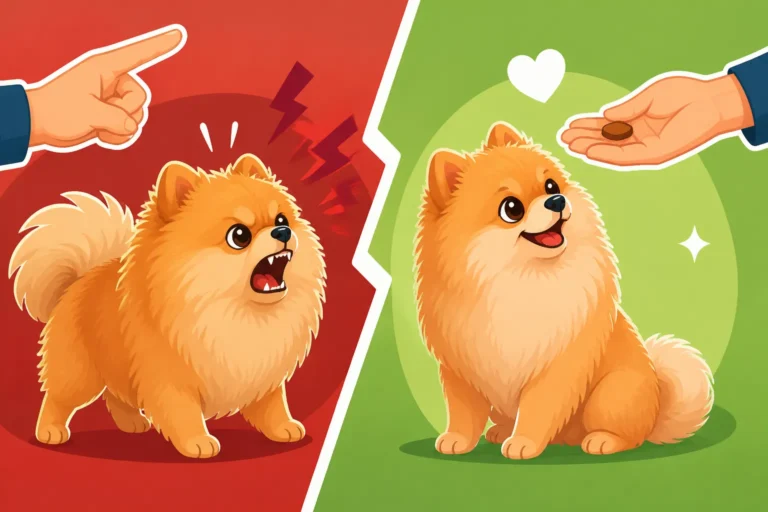
The goal is to change your Pomeranian's association with children from negative to positive. This involves careful desensitization. Start by having a child simply be in the same room, at a distance where your Pomeranian doesn't react (no growling). The moment your Pomeranian notices the child without growling, immediately reward them with a super high-value treat. This is called "pairing." The child is present, and something wonderful happens to your dog.
Gradually, over many sessions and days, you can decrease the distance or increase the level of activity (e.g., child sitting quietly, then child reading, then child playing calmly). Never push your Pomeranian past the point where they start growling or showing signs of stress like lip licking, yawning, or turning away. If they start to react negatively, you’ve moved too fast; increase the distance again. Remember, the key is to make every interaction with a child predictive of something good. For The Reward a Pomeranian Actually Cares About, think tiny pieces of cooked chicken, cheese, or specialized training treats that aren't part of their usual diet.
Importance of a Safe Retreat for Your Pomeranian
Always ensure your Pomeranian has a physical escape route and understands that they can use it. This goes hand-in-hand with their designated safe space. If they feel overwhelmed, they should be able to walk away to their crate or another room without being followed. Never force your Pomeranian to "tolerate" a child's presence if they are showing signs of stress. Forcing interaction can break trust and escalate the growling into snapping or biting.
Encourage your Pomeranian to use their safe space. For example, if a child is playing loudly, you can calmly lead your Pomeranian to their crate, give them a treat, and close the door, letting them observe or nap in peace. This teaches them that retreating is a valid and rewarded option when things get too much. It's a way of Building a Pomeranian's Independence and confidence in managing their own stress.
When to Seek Professional Help
If your Pomeranian's growling is intense, escalates quickly to snapping, or if you feel unsafe managing the interactions, it's absolutely crucial to seek professional help. This is not a sign of failure on your part, but a responsible decision. A certified professional dog trainer or a veterinary behaviorist can assess your specific situation, identify triggers, and develop a tailored training plan. They can also rule out any underlying medical conditions that might be contributing to the behavior, such as pain or discomfort.
Do not delay seeking help, especially if children are regularly in your home. Early intervention is key to preventing the behavior from becoming ingrained or escalating. Look for trainers who use positive reinforcement methods and have experience with fear-based or reactive behaviors in small breeds. Many trainers offer virtual consultations, allowing you to access expertise no matter where you live.
Long-Term Management and Prevention
Changing a Pomeranian's deep-seated reactions takes time, consistency, and a commitment to ongoing management. This isn't a one-and-done solution; it's a lifestyle adjustment.
Consistent Rules and Supervision
Consistency is paramount. Every adult and older child in the household needs to be on the same page regarding rules for your Pomeranian and interactions with visiting children. This means always supervising interactions between your Pomeranian and children, without exception. Never leave them alone, even for a moment. This helps prevent accidental negative encounters that can set back your training progress.
If you have your Pomeranian in A Pomeranian in a House With Small Children, establishing clear boundaries from day one is essential. Use baby gates to separate spaces, ensuring both the dog and child have their own areas. The rules for children, outlined in the table above, should be reinforced consistently by all adults.
Continued Socialization with Calm Children
Even after significant progress, it's important to continue positive, controlled socialization experiences. Seek out opportunities for your Pomeranian to interact with calm, dog-savvy children in a supervised setting. This could be friends' children who have been briefed on the rules, or even enrolling in a specialized dog-and-kids class if available. The goal is to build a strong history of positive interactions, reinforcing that children are not a threat but rather sources of good things.
Remember, socialization isn't just about exposure; it's about positive exposure. If your Pomeranian is continually stressed by children, even if they're not growling, you might need to re-evaluate the intensity and frequency of these interactions. Sometimes, for a particularly sensitive Pomeranian, their "happy place" might mean limited direct interaction with very young children, and that's okay. A Pomeranian That Hides From Children often indicates they are seeking this quiet refuge.
Understanding Your Pomeranian's Limits
Ultimately, you are your Pomeranian's advocate. You know them best. Some Pomeranians, despite all the training and effort, may simply never be comfortable with the unpredictable nature of very young children. This is a difficult truth, but it’s vital to acknowledge. For these dogs, strict management might be the long-term solution. This means separating them completely when children visit, using gates or crating them in another room, and ensuring they have a peaceful environment away from the chaos.
It's also important to understand that there's a difference between your Pomeranian tolerating a situation and genuinely enjoying it. Aim for comfort, not just compliance. If you find your Pomeranian consistently stressed by children, even with all your interventions, it might be that your home environment, while loving, isn't the best fit for their comfort around kids. This doesn't mean you love your dog any less; it means you're prioritizing their well-being and reducing their stress, which is the most loving thing you can do.
Disclaimer
This article is for general informational purposes only and does not constitute professional advice. Laws, prices and regulations vary by location and change over time. Consult a qualified professional for guidance on your specific situation.