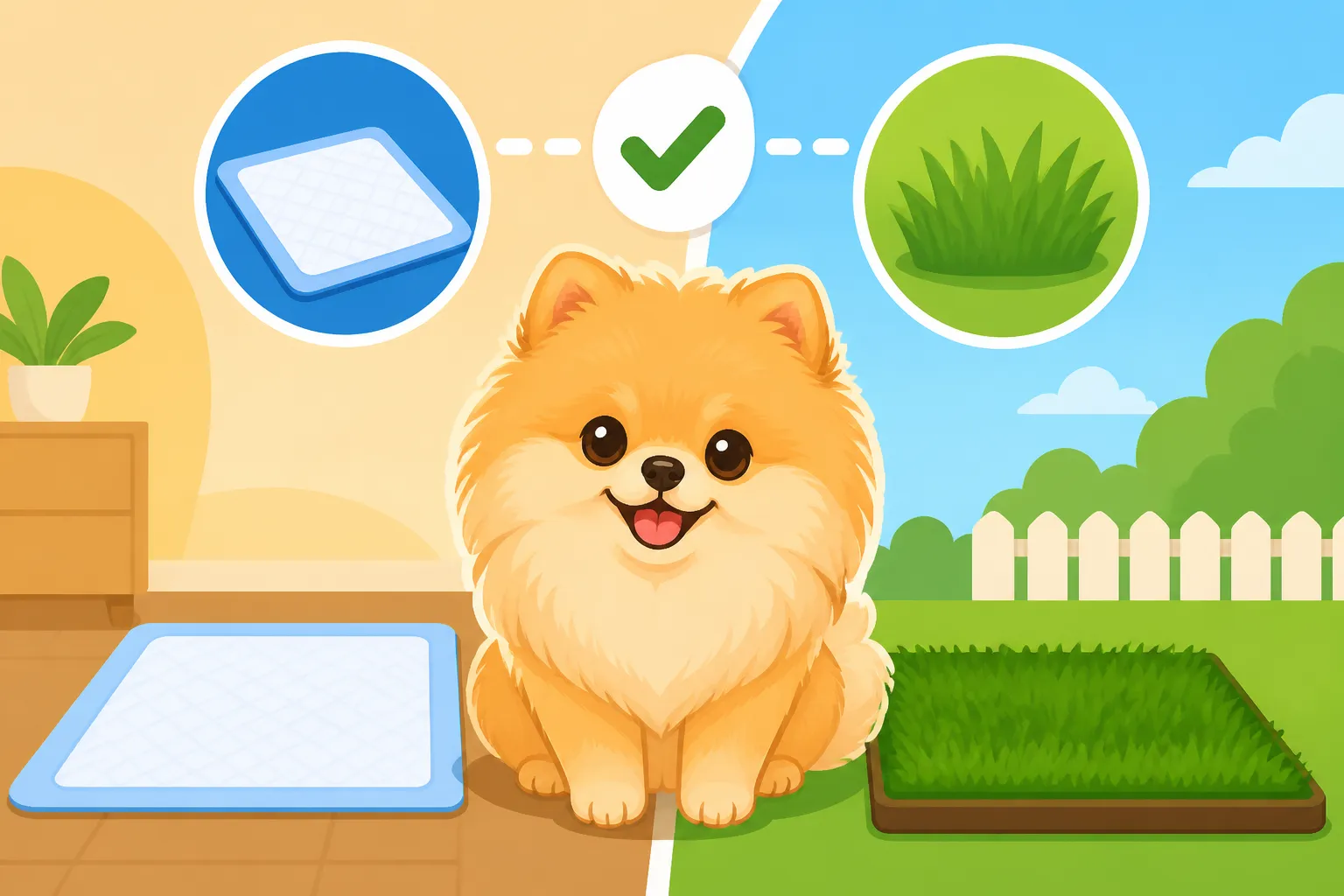
Whether a Pomeranian Puppy Should Use Pads and Grass Both
One of the trickiest parts of bringing home a tiny Pomeranian puppy is navigating the world of potty training. You hear conflicting advice everywhere – some swear by pads, others insist on immediate outdoor training, and then there's the thought, "Can I actually do both?" It's a common struggle, and many new Pom parents feel overwhelmed trying to decide the best path to a consistently clean home. This guide will help you understand the benefits and challenges of using both potty pads and outdoor grass, offering practical strategies to make this hybrid approach work for you and your little fluffball.
The Pros and Cons of a Dual Potty Training Approach
When you’re looking at those adorable, tiny paws and even tinier bladder, it’s easy to feel a bit lost. Should you commit entirely to one method or try to balance two? A dual approach, combining potty pads and outdoor relief, certainly has its appeal, but it also comes with its own set of considerations. Let's break down what works and what might make things a little more complicated.
The Benefits of Using Both Pads and Grass
For many Pomeranian owners, a hybrid training method seems like the most practical solution, and often, it really is. Think about those tiny bladders; a Pomeranian puppy simply cannot hold it for very long, especially in the early weeks. Having an indoor potty option, like a training pad, can be an absolute lifesaver for those frequent urges, particularly overnight or when you can't immediately get outside. It means fewer accidents on your carpet and less stress for both you and your puppy. This is especially true if you live in an apartment on a higher floor, or if you have limited mobility, making frequent, urgent trips outside a challenge.
Another huge benefit is safety and convenience. When your Pomeranian puppy is very young, they haven't completed their vaccination series, making public outdoor spaces a potential health risk from diseases like parvo. Potty pads provide a safe, sanitary place for them to go while they are still building their immunity. Additionally, during inclement weather – think pouring rain, freezing snow, or scorching heat – asking a tiny Pom to brave the elements multiple times a day is just not fair, and sometimes not safe. Imagine a blizzard outside; having an indoor option lets your puppy relieve themselves without risking frostbite or a full-on meltdown. This dual strategy also builds in flexibility for your lifestyle; if you're stuck in a long meeting or unexpectedly delayed, you know your puppy has an appropriate indoor spot to use rather than holding it uncomfortably or having an accident. It's about meeting your puppy where they are developmentally and environmentally. How Small a Pomeranian Puppy's Bladder Is will give you a better idea of just how often those trips need to happen.
The Potential Pitfalls of a Hybrid Method
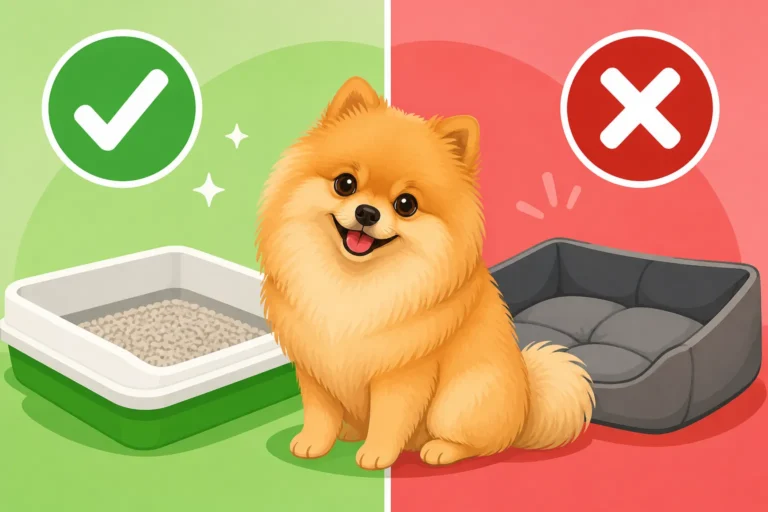
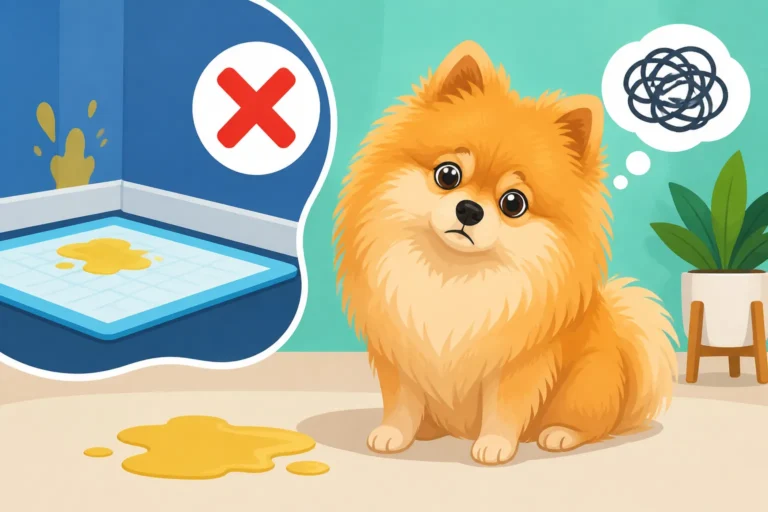
While a dual approach offers significant advantages, it's not without its challenges. The primary concern is often confusion for your puppy. Dogs are creatures of habit and routine; if you present two equally acceptable places to eliminate, a young puppy might struggle to understand the distinct difference between "go potty here" and "go potty only here." This can sometimes lead to your Pomeranian thinking that anything absorbent on the floor is fair game, like bath mats, rugs, or even a pile of laundry. It can be a frustrating cycle, as your carefully laid pad becomes indistinguishable from other household items in your puppy's mind. For more on this, check out Whether Indoor Pads Confuse a Pomeranian.
Another potential pitfall is delaying the development of solid outdoor habits. If the pads are too convenient, your puppy might become reliant on them, preferring the warmth and ease of an indoor spot over the effort of going outside, especially if they are a bit finicky about getting their feet wet or experiencing cold weather. This can prolong the overall house-training process, making it seem like How Many Weeks House Training a Pomeranian Takes is stretching on forever. You might find yourself with a perfectly pad-trained dog who still struggles with going on grass, or who takes a long time to "potty" once outside because they are holding out for the indoor option. The goal, ultimately, is usually for them to be reliably outdoor-trained, and an over-reliance on pads can sometimes hinder that transition.
How to Successfully Implement a Dual Potty Training Strategy
The key to making a hybrid potty training approach work is consistency, clear communication, and a well-thought-out plan. It’s not just about putting a pad down and hoping for the best; it’s about intentionally guiding your Pomeranian puppy toward understanding what you expect from them, both indoors and out.
Starting with Pads and Transitioning Outdoors
Many owners find success by starting primarily with potty pads, especially with very young puppies who have minimal bladder control. Begin by confining your puppy to a smaller, safe area like a playpen with their bed, toys, food, water, and a designated potty pad. Immediately after waking up, after eating, and after playtime, gently place your puppy on the pad and use a consistent verbal cue like "Go potty!" or "Pee-pee time!" When they go, offer immediate, high-value praise and a special treat. Playpens for a Pomeranian Puppy can be a great resource for setting up this initial safe space.
As your puppy starts to reliably use the pad, you can begin introducing the outdoor component. Take your puppy outside to a specific, designated potty spot in your yard (or a safe public area if fully vaccinated) at regular intervals, still using your verbal cue. Aim for times when they are most likely to go, such as first thing in the morning, after naps, and after meals. Again, reward instantly and generously when they relieve themselves outside. The crucial step is gradually phasing out the pads as outdoor reliability increases. You might start by moving the pad closer to the door, then eventually removing it, ensuring that you're consistently taking your puppy out at appropriate times. The goal isn't to confuse them by having two equal options indefinitely, but rather to use the pads as a stepping stone to outdoor success.
Consistent Cues and Location Training
One of the most powerful tools in any form of dog training, especially potty training, is consistency in your cues. Choose one specific phrase for potty time ("Go potty," "Do your business," etc.) and use it every single time you take your Pomeranian to a designated potty spot, whether it's the pad or the grass. This helps your puppy associate the words with the action. When they perform the action, immediate and enthusiastic praise, along with a delicious treat, reinforces the behavior. Remember, The Reward a Pomeranian Actually Cares About will be your strongest motivator!
Beyond verbal cues, consistent location training is also vital. When using pads, always place them in the same spot. If you move the pad around, your puppy won't learn a specific "potty area" indoors. Similarly, when taking them outside, always go to the same general area in your yard. Dogs learn through association, and a consistent spot helps them understand where they are expected to go. If you want to train your Pom to signal when they need to go out, consider teaching them to ring a bell by the door. You can find simple bells on places like Amazon that are easy for tiny paws to nudge. For guidance on this, look up Teaching a Pomeranian a Door Bell. The more predictable you make the potty routine, the faster your Pomeranian puppy will pick up on what's expected of them, reducing accidents and building good habits.
Overcoming Common Challenges with Pads and Grass
Even with the best intentions and a solid plan, potty training a Pomeranian can throw some curveballs. It’s important to anticipate these challenges and have strategies in place to address them, preventing frustration for both you and your puppy.
When Your Pomeranian Prefers One Over the Other
It's very common for a Pomeranian puppy to develop a strong preference for either the pads or the grass, especially if one was introduced more heavily or earlier. If your puppy prefers pads and is reluctant to go outside, you might need to make the outdoor experience more appealing and the indoor pads less so. Try spending more time outdoors in their designated potty spot, waiting them out patiently. When they finally go outside, make it a huge celebration – throw a mini party with their favorite treats and lots of happy praise. You can even try carrying a soiled pad outside and placing it in the grass; the scent might encourage them to go in that area. Gradually make the pads less accessible indoors, perhaps removing them for longer periods when you know you can reliably take your puppy out.
Conversely, if your Pomeranian absolutely loves going outside but is having accidents indoors because they refuse to use the pad, it might mean you're not getting them out often enough, or the pads feel too unfamiliar. Ensure you're taking them out on a very frequent schedule, especially during the critical periods like after waking, eating, and playing. If you need a temporary indoor solution, consider a more natural "grass patch" product rather than a traditional pad. These are often available from retailers like Amazon and can help bridge the gap by mimicking the texture and smell of real grass, which your outdoor-loving Pom might find more acceptable. Remember that Whether Cold Weather Sets Back a Pomeranian's Training can also play a role in outdoor reluctance, so bundle them up if needed!
Avoiding Confusion and Regression
The biggest challenge with a dual potty training approach is preventing your Pomeranian from becoming confused or experiencing regression in their training. The key is to be extremely clear about when and where each option is available. If your long-term goal is 100% outdoor potty habits, then the pads should always be seen as a temporary solution, gradually being phased out. Do not keep pads available indefinitely if you want outdoor reliability. Once your puppy is consistently using the pads and has had enough successful outdoor potties, start removing the pads at specific times or limiting their availability.
If you notice your house-trained Pomeranian starting to have accidents again, it's called regression. This can happen for many reasons: changes in routine, new environments, stress, or even just because you've become a little lax on the consistent schedule. Revert to square one: increase the frequency of outdoor trips, re-establish strict supervision, and perhaps temporarily bring back a pad if it helps prevent accidents while you reinforce outdoor habits. Never punish accidents, as this only teaches your Pomeranian to hide their potty breaks, making training even harder. Instead, clean up thoroughly with an enzymatic cleaner and redouble your efforts on positive reinforcement for appropriate elimination. Understanding The Age a Pomeranian Puppy Becomes Reliable Indoors can help manage expectations and reduce frustration during these periods.
Tools and Resources for Your Potty Training Journey
Navigating potty training, whether with one method or two, requires patience, consistency, and the right tools. Equipping yourself with the essentials can make a world of difference in your success and your sanity!
Essential Supplies for Pad and Grass Training
To successfully implement a dual potty training system, you'll need a few key items. First and foremost, high-quality potty pads are essential. Look for absorbent pads with an attractant to encourage your Pomeranian to use them. Many brands offer extra-thick or scented options, which can be found easily online or at pet supply stores, including large retailers like Amazon. Having a dedicated indoor potty area, such as a playpen or a small gated-off section of a room, is also crucial. This controlled environment helps your puppy understand where they are supposed to go.
For outdoor training, a sturdy, comfortable harness and a lightweight leash are must-haves. A harness is far better than a collar for a small Pomeranian, protecting their delicate trachea. A treat pouch or small bag filled with high-value treats that you can quickly access is also invaluable for immediate rewards after outdoor successes. You’ll also need a good enzymatic cleaner for any inevitable accidents; this type of cleaner neutralizes odors that might encourage your puppy to go in the same spot again. Lastly, consider a small, portable "potty bell" or a doorbell system if you plan to teach your Pom to signal when they need to go out.
Training Programs and Support
Sometimes, you need more than just supplies; you need a guiding hand or a structured program to keep you on track. Online puppy training courses can be incredibly helpful for new owners, offering step-by-step guidance on house training and general puppy manners. Programs like those offered by BAXTER & Bella, for example, provide comprehensive online training modules and live support, which can be invaluable when you're tackling something as fundamental as potty training. These programs often break down complex behaviors into manageable steps, offer troubleshooting advice, and can help you maintain consistency, which is the cornerstone of successful training.
Don't underestimate the power of connecting with other Pomeranian owners or a local professional dog trainer. A trainer can provide personalized advice based on your puppy's specific temperament and your home environment, helping you navigate challenges like "When a Pomeranian Will Not Get Its Coat Wet" in the rain, or what to do if your puppy is holding it for too long. Forums, social media groups, and breed-specific clubs are excellent places to share experiences and get tips from seasoned Pom parents. Remember, you're not alone in this journey. Potty training takes time and patience, but with the right tools and support, your Pomeranian puppy will master it.
| Potty Training Method | Pros | Cons | Ideal For |
|---|---|---|---|
| Pads Only | Convenient for high-rise living, bad weather; safe for unvaccinated puppies. | Can be confused with other indoor surfaces; delays outdoor habit formation; ongoing cost. | Apartment dwellers, owners with mobility issues, very young puppies. |
| Grass Only | Establishes outdoor habit quickly; no ongoing supply cost; less indoor odor. | Requires frequent outdoor trips regardless of weather; less convenient for some lifestyles. | Owners with easy yard access, older puppies, warmer climates. |
| Hybrid (Pads & Grass) | Offers flexibility for weather/schedules; safe initial indoor option; gradual transition. | Potential for confusion if not managed well; risk of over-reliance on pads; requires careful phasing. | Most Pomeranian owners, balancing convenience with long-term outdoor goals. |
Disclaimer
This article is for general informational purposes only and does not constitute professional advice. Laws, prices and regulations vary by location and change over time. Consult a qualified professional for guidance on your specific situation.