Whether a Pomeranian Barks in the Car
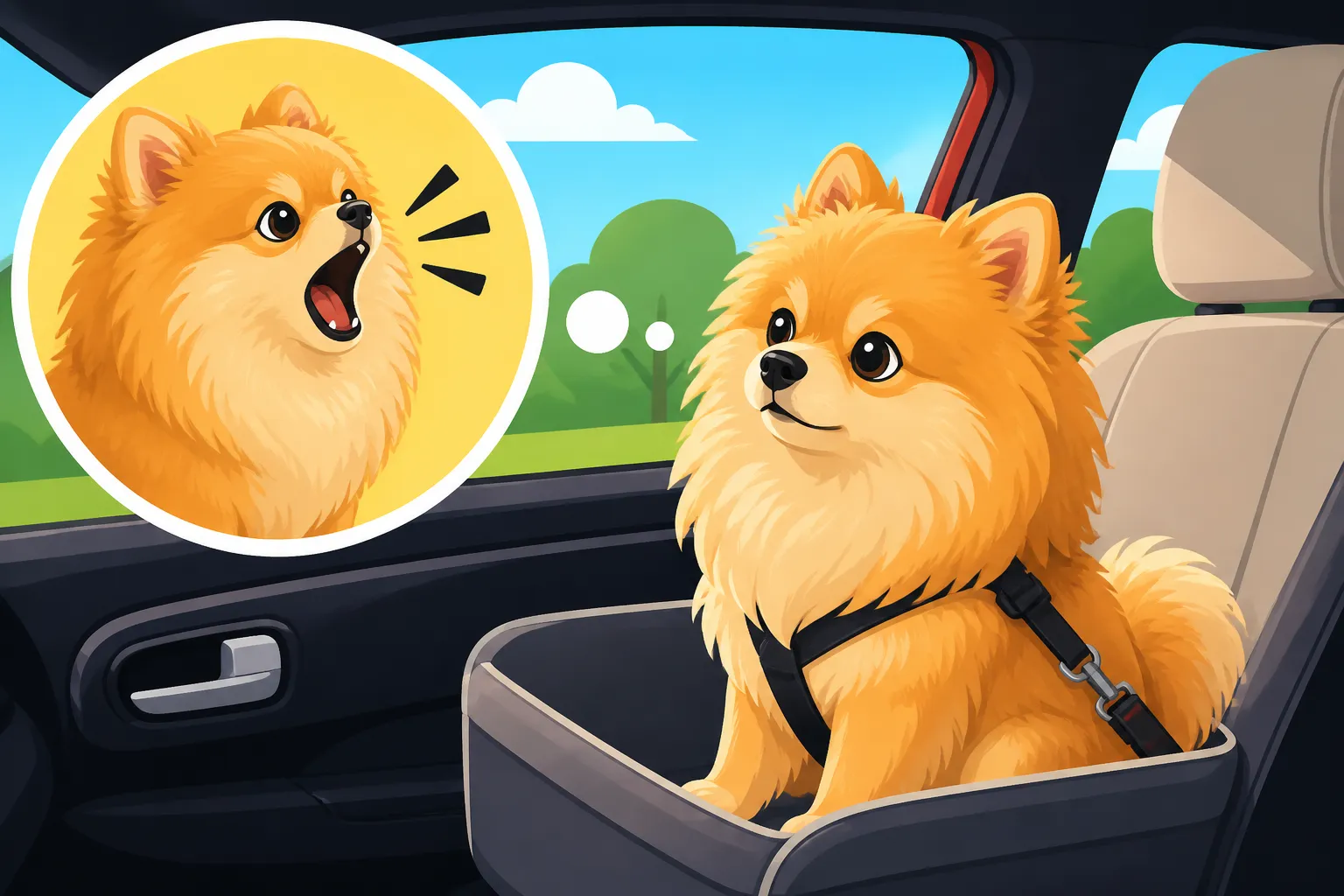
That relentless, high-pitched barking from the back seat can turn what should be a pleasant car ride into a stressful ordeal, not just for you, but for everyone else on the road and even your precious Pomeranian. It's frustrating when you just want to take your little companion along, only to be met with an incessant serenade of yaps that makes you want to pull over and scream. This guide is here to dive deep into why your Pomeranian might be barking in the car and, more importantly, to give you actionable, empathetic strategies to help quiet those car trips for good.
Understanding the 'Why' Behind Car Barking in Pomeranians
Before we can even think about solving the problem, we need to understand why your Pomeranian might be barking in the car. It’s never just for fun; there’s always an underlying reason, and once we pinpoint that, our approach to training becomes much clearer and more effective. Sometimes it's a mix of a few things, which makes it even trickier for us as owners to figure out!
Excitement and Overstimulation
One of the most common reasons a Pomeranian barks in the car is pure, unadulterated excitement. They see things whizzing by – other cars, people walking dogs, squirrels daring to cross the road – and their little brains go into overdrive. It's like they're trying to comment on everything they see, a miniature sportscaster narrating the world outside the window. This isn't necessarily a bad thing, but when it manifests as non-stop barking, it's definitely something we need to manage.
Imagine your Pom, tiny but mighty, sitting there, taking in the world. Every movement, every new scent (even if they're just smelling the air conditioning circulating), every sudden stop or start, can trigger a flurry of barks. They might just be expressing their sheer joy or fascination, but for us, it's disruptive. This kind of barking often sounds more high-pitched and rapid, almost like a declaration to the world, "Look what I see! Look what I see!" It's easy to mistake this for alarm, but sometimes it's simply a vocal overflow of energy.
Fear, Anxiety, or Motion Sickness
On the flip side, barking can also be a clear sign of distress. For some Pomeranians, car rides aren't fun adventures; they're scary, unsettling experiences. The motion, the enclosed space, the strange sounds, and being separated from you (even if you're right there, but driving) can all contribute to fear and anxiety. If your Pom curls up, drools excessively, pants, or even trembles before or during a ride, their barking is likely a desperate plea for help or an attempt to make the scary thing go away.
Motion sickness can also play a huge role here, and it's often overlooked. A dog feeling nauseous isn't going to enjoy the ride, and they might bark to express their discomfort. If your Pom has had bad experiences in the car, perhaps getting sick, or if they've only ever been in the car to go to the vet, they can develop a strong negative association. This isn't just a behavior problem; it's a welfare issue that needs gentle, understanding attention. Recognizing these signs is crucial because our response to fear-based barking needs to be very different from our response to excitement.
Territoriality and Alert Barking
Pomeranians are known for their alert nature; it's part of their Spitz heritage. They see themselves as protectors, tiny guardians of their domain. When they're in the car, they might perceive the vehicle itself, or even you, as their territory. Anything that approaches – another car, a pedestrian, a dog on the sidewalk – could be seen as an intrusion, prompting a flurry of territorial barks. They're essentially saying, "This is my car! This is my human! Keep your distance!"
This type of barking often sounds more insistent, sometimes deeper or more repetitive, compared to excited yaps. They're trying to ward off perceived threats, and from their perspective, they're doing a fantastic job. This can be especially pronounced if your Pom is usually a strong alert barker at home, at the front door, or when people pass by the window. The car simply becomes an extension of that territory, and the constant movement of the outside world provides endless "threats" to bark at. Whether a Pomeranian Barks From Fear or Habit can really help you understand these nuances.
Attention Seeking and Boredom
Let's be honest, Pomeranians are smart, and they learn quickly what gets our attention. If barking in the car has, at any point, resulted in you looking at them, talking to them, or trying to soothe them, they've learned that barking is a highly effective way to get your focus. Even negative attention is attention, and for a bored or lonely Pom, that can be enough to reinforce the behavior. They might simply be bored with nothing to do and decide to entertain themselves by communicating with the world (and you).
A long car ride with nothing stimulating can lead to boredom, and barking can be an outlet for that pent-up energy or mental under-stimulation. This is particularly true if your Pom isn't securely crated or harnessed and has free rein to wander and observe. If you find yourself constantly talking to them, making eye contact, or offering treats in an attempt to quiet them, you might inadvertently be teaching them that barking pays off.
Preparing Your Pomeranian for Calm Car Rides
The key to a peaceful car ride often starts long before you even turn the ignition. Preparation is paramount, especially for a sensitive breed like the Pomeranian. We need to build positive associations and ensure their safety and comfort.
Desensitization and Positive Association
The goal here is to change your Pomeranian's emotional response to the car from negative (fear, anxiety) or over-stimulated (excitement, territoriality) to neutral or positive. This is a gradual process, not a quick fix. Start small:
- Stationary Visits: Begin by simply sitting in the parked car with your Pom, not even turning it on. Offer high-value treats and praise. Let them explore the car's interior. You can even try playing some calming music or a podcast. The idea is that good things happen in the car.
- Engine On, No Movement: Once they're comfortable just sitting in the parked car, try turning the engine on for short periods. Again, treats, praise, and keep it brief. You want them to associate the sound and vibration with pleasant experiences, not with an impending stressful journey.
- Short Trips Around the Block: Progress to very short drives, literally around the block, then immediately back home. The destination should always be somewhere fun, like a park, or just back to the comfort of their home. Avoid making the vet the only destination, as this creates a negative association.
- Gradual Increase: Slowly increase the duration and distance of your trips as your Pomeranian shows signs of comfort. This might take weeks or even months, but patience is a virtue here. Whether a Pomeranian Travels Well is a great resource for this gradual desensitization.
Car Safety and Secure Containment
Safety should always be your top priority. An unrestrained Pomeranian isn't just a distraction; they're a projectile risk in an accident and can easily be injured by sudden stops. Beyond safety, secure containment can also significantly reduce barking by limiting their view and movement, which in turn reduces overstimulation and territorial barking.
There are a few excellent options for secure containment:
- Carriers: A sturdy, well-ventilated carrier is often the best choice for small dogs like Pomeranians. Choose one that's just big enough for them to stand up, turn around, and lie down comfortably. Secure the carrier with a seatbelt so it doesn't slide around. Placing a familiar blanket or a worn t-shirt with your scent inside can offer comfort. You can find many suitable options on Amazon. Crates Sized for a Pomeranian provides more detailed information on choosing the right size and type.
- Car Seats/Boosters: These allow your Pom to see out the window safely while remaining buckled in. For some Poms, having a view can be comforting or stimulating in a good way, while for others it might increase barking. You’ll need to observe your dog’s reaction. Ensure the seat is securely attached to the car seat and your dog is clipped in with a harness, not just a collar.
- Harnesses and Seatbelt Attachments: If you prefer your Pom to ride on the seat, a crash-tested car harness (never just a regular walking harness, and definitely not a collar) attached to a seatbelt clip is essential. This allows them some freedom of movement while keeping them safe. Remember, Harnesses Fitted for a Pomeranian's Windpipe are crucial for a breed prone to tracheal issues.
Crate Training for Travel
If your Pomeranian is already crate trained at home, extending this to the car is a natural next step. The crate provides a den-like space that many dogs find comforting and secure. Teaching a Pomeranian to Settle in a Pen is relevant here, as the principles are very similar to getting them comfortable in a car crate.
Start by placing their familiar crate in the car, perhaps in the back seat or cargo area, securely buckled in. Feed meals in the car crate, give high-value chew toys, and practice short, positive "crate time" sessions in the stationary car. Gradually increase the duration until they are comfortable in the car crate during short drives. This familiar "safe space" can work wonders for Poms prone to anxiety.
Immediate Strategies to Minimize Car Barking
Once you've done the groundwork with preparation, what do you do when the barking still happens on a drive? These strategies are about managing the behavior in the moment and redirecting your Pomeranian's focus.
Redirection and Distraction
The goal here is to interrupt the barking and offer a more acceptable alternative behavior.
- Chew Toys: A long-lasting chew toy or a puzzle toy filled with a smear of peanut butter or cream cheese can be incredibly effective. It keeps their mouth busy and their mind engaged. Make sure it's a safe chew that won't splinter or be a choking hazard. Present it before the barking starts, if possible, or immediately after a short pause in barking.
- Calming Chews or Treats: Some treats contain calming ingredients like L-Theanine or chamomile. While not a substitute for training, they can sometimes take the edge off for mildly anxious dogs. Always consult your vet before introducing new supplements.
- Interactive Toys: A soft toy that can be nudged around for a treat can also offer distraction. Think about toys you might find on Amazon that are specifically designed for small breeds.
The trick with redirection is timing. If you offer the chew after your Pom has been barking for five minutes, they might associate the treat with the barking. Try to anticipate when they might start barking (e.g., when you hit a busy intersection) and offer the distraction just before.
Environmental Control
Sometimes, simply changing their environment within the car can make a big difference.
- Cover the Carrier: If your Pomeranian is in a carrier, draping a light blanket over it can block visual stimuli that trigger barking. This creates a cozy, den-like space that many dogs prefer, reducing overstimulation and perceived threats.
- Window Shades: For dogs riding in car seats or harnesses, window shades on the side windows can limit their view of passing cars and people, reducing territorial or excited barking. However, make sure it doesn't make them more anxious by feeling too enclosed.
- Music or White Noise: Playing calming music or even a white noise app on your phone can sometimes mask external sounds that might trigger barking. Classical music or specifically composed "dog calming" tracks often work well.
- Adjusting Airflow: Some dogs get anxious if the car is too hot or stuffy. Ensuring good airflow and a comfortable temperature might subtly contribute to a calmer ride.
Using Specific Commands and Positive Reinforcement
If your Pomeranian knows basic commands like "quiet" or "settle," you can try to incorporate them into car rides.
- "Quiet" Command: Practice this command at home. When your dog barks, wait for a brief pause, say "quiet" gently, and immediately reward the silence with a treat. Gradually increase the duration of silence required. In the car, if they bark, wait for a moment of quiet, say "quiet," and reward. It’s critical that you reward the absence of barking, not the barking itself.
- "Settle" or "Place" Command: If your Pom has a designated spot in the car (their crate or car seat), use a "settle" or "place" command to encourage them to relax there. Reward them for staying in their spot calmly.
- Avoid Punishment: Never punish your Pomeranian for barking in the car. Yelling, startling them, or spraying them with water will only increase their anxiety or make them associate the car (and you) with negative experiences, potentially worsening the problem. Instead, focus entirely on positive reinforcement for calm behavior.
| Reason for Car Barking | Immediate Strategy | Long-Term Approach |
|---|---|---|
| Excitement/Overstim. | Puzzle toy, covered carrier/window shade | Desensitization, positive association, crate |
| Fear/Anxiety/Motion S. | Covered carrier, calming music, vet consult | Gradual desensitization, vet for medication |
| Territoriality | Covered carrier, window shade, redirection | Consistent training, limited visibility |
| Attention Seeking | Ignore barking, redirect to chew toy | Teach "quiet" command, reward silence only |
| Boredom | Interactive chew toys, puzzle feeders | Engage with toys before barking starts |
Long-Term Training and Management for Car Behavior
Solving car barking isn't usually a one-and-done deal. It requires consistency, patience, and sometimes a multi-faceted approach, addressing any underlying issues.
Consistency is Key
Whatever methods you choose, consistency across all family members and all car trips is absolutely vital. If one person allows barking and another tries to train it out, your Pomeranian will get confused, and the behavior will likely persist. Every car ride, even short ones, is a training opportunity.
This means being prepared every single time you get in the car. Have your treats ready, your puzzle toy loaded, and your carrier covered if that's your strategy. Don't skip steps or assume your Pomeranian "should be fine" this time. It’s like Training Session Length for a Pomeranian – short, positive, and frequent sessions yield the best results.
Seeking Professional Guidance
If you've tried everything and your Pomeranian's car barking is still severe, or if you suspect it's rooted in deep anxiety or genuine fear, it's time to bring in the pros.
- Veterinarian Consultation: Rule out any medical issues. Motion sickness, pain from an underlying condition (like Slipping Kneecaps in a Five Pound Pomeranian if they are constantly shifting uncomfortably), or even certain neurological conditions can manifest as behavioral problems. Your vet might also suggest anti-anxiety medication or calming supplements if the anxiety is severe.
- Certified Professional Dog Trainer or Behaviorist: A qualified professional can assess your specific situation, observe your Pomeranian's behavior, and develop a tailored training plan. They can teach you effective techniques for desensitization, counter-conditioning, and behavior modification. Organizations like BAXTER & Bella offer online programs and resources that can be incredibly helpful for owners struggling with specific behavioral challenges, including car etiquette. Sometimes, a fresh pair of eyes and expert knowledge are exactly what you need. Whether a Pomeranian Needs a Private Trainer can help you decide if this step is right for you.
Preventing Relapse
Even after your Pomeranian is a seasoned traveler, it's important to continue reinforcing good behavior.
- Maintain Routine: Stick to a consistent routine for car travel, including their safety restraint, pre-car potty breaks, and a calming activity like a chew toy.
- Keep Rides Positive: Don't let your Pomeranian's only car trips be to stressful places. Mix in fun outings to the park, a friend's house, or simply a short drive to get an ice cream cone (for you, not for them!).
- Address New Triggers: If new barking triggers emerge (e.g., they start barking at motorcycles after never doing so before), go back to basics with desensitization for that specific trigger.
Ultimately, your goal is to make car rides a positive, safe, and calm experience for your Pomeranian. It's a journey, not a destination, and with patience, consistency, and a little help, you can transform those stressful car trips into enjoyable outings for both of you.
Disclaimer
This article is for general informational purposes only and does not constitute professional advice. Laws, prices and regulations vary by location and change over time. Consult a qualified professional for guidance on your specific situation.