A Pomeranian That Hides From Children
It can be incredibly disheartening and worrying when your beloved Pomeranian, a breed known for its cheerful disposition, starts to actively avoid or hide from the children in your home. This isn't just a quirky behavior; it's a clear sign that your tiny companion is feeling stressed, fearful, or overwhelmed, and it’s a situation that requires a gentle, understanding, and proactive approach to ensure the safety and well-being of both your dog and your kids. This guide will walk you through understanding why your Pomeranian might be hiding, how to recognize their stress signals, and practical steps to build positive, safe interactions.
Understanding Why Your Pomeranian Hides from Children
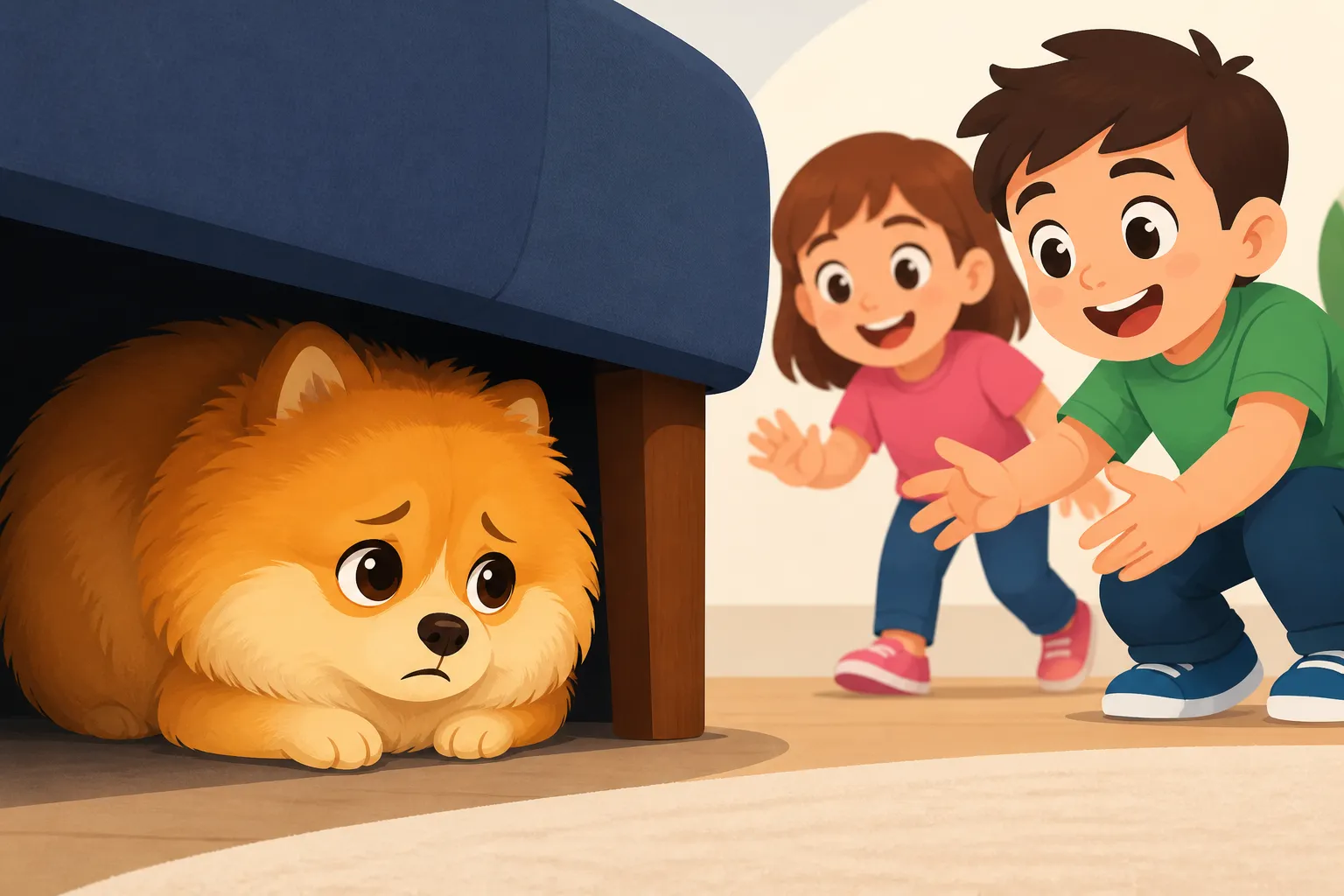
When a Pomeranian retreats and hides, especially from children, it's rarely out of spite or naughtiness. More often than not, it stems from a place of fear or discomfort. These little dogs, despite their bold personalities, are physically small and can feel incredibly vulnerable. Children, with their often unpredictable movements, loud noises, and different energy levels, can unintentionally appear threatening to a tiny dog.
Fear-Based Reactions
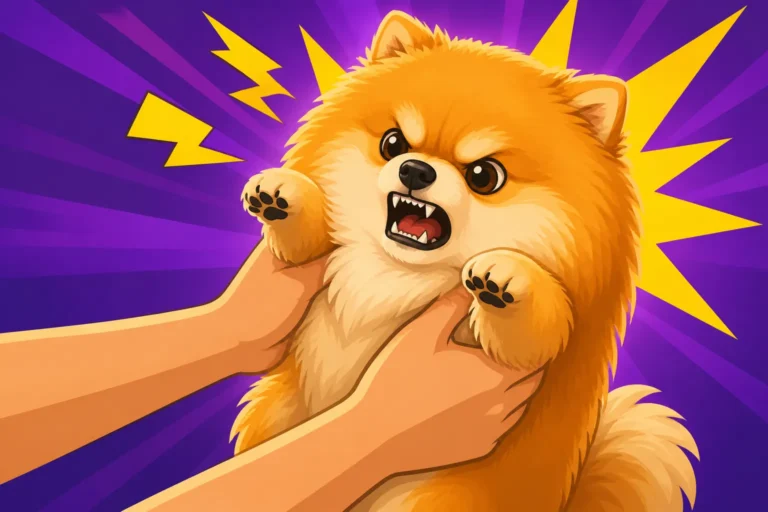
Imagine being tiny, no bigger than a child's knee, and suddenly a larger, unpredictable being is moving quickly, making loud noises, or trying to grab you. That's often how a Pomeranian perceives a child if they haven't been properly socialized or have had negative experiences. Their instinct kicks in, telling them to flee and find safety. This isn't a sign that your dog dislikes children; it's a profound, instinctual fear response. They might associate the presence of children with feelings of being cornered, overwhelmed, or even accidental pain, even if the children have never intentionally hurt them.
This fear can be exacerbated by the sheer difference in size. A child's loving hug, which might be perfectly appropriate for a larger, sturdier dog, can feel like a crushing grip to a delicate Pomeranian. A sudden squeal of delight, while innocent, can be perceived as an alarming, startling sound. Their small stature makes them physically vulnerable, and their brain knows it. They are trying to protect themselves the only way they know how: by disappearing.
The unpredictable nature of children is a huge factor. Adults tend to move with more purpose and predictability. Children, on the other hand, can dart, tumble, giggle loudly, or suddenly reach out. From a Pomeranian's perspective, this lack of predictability makes them a potential threat, and hiding becomes a survival mechanism. It’s their way of saying, "I need space, and I don't feel safe right now."
Lack of Early Socialization
Proper socialization during puppyhood is absolutely critical for any dog, but it's especially vital for small breeds like Pomeranians who can easily be overwhelmed. If your Pomeranian wasn't exposed to children, diverse sounds, and different environments in a positive way during their critical socialization period (roughly 3 to 16 weeks of age), they may view these things as scary or novel later in life. This isn't a fault of the dog, but often a missed opportunity during their formative months.
Puppies who grow up in quiet, adult-only homes might thrive in that specific environment, but then struggle immensely when introduced to a bustling household with children. They simply haven't learned that children can be safe and even enjoyable companions. Their world view is narrow, and anything outside that comfort zone can trigger anxiety. This isn't something that can't be overcome, but it does require patience and a structured approach to help them build those missing positive associations.
Even if they had some exposure, the quality of that exposure matters. A single negative experience, or even just being repeatedly overwhelmed without positive counter-conditioning, can cement a fear response. It’s like someone being thrown into a swimming pool before they’ve had a chance to learn to swim – they might develop a lifelong fear of water, even if no harm was truly intended. For your Pomeranian, every encounter with children becomes a test of their coping skills, and if they feel ill-equipped, hiding is the default.
Past Negative Experiences
Sometimes, a Pomeranian's fear of children isn't a blank slate; it's rooted in past trauma. This is particularly common with rescue dogs, or those from puppy mills or homes where they may have been neglected or mishandled. A dog that has been inadvertently stepped on, roughly grabbed, or even taunted by children in a previous home will carry that memory and generalize their fear to all children. They learn that children equal pain or discomfort, and their hiding behavior is a direct result of this learned association.
Imagine if you had a painful experience with a particular type of person. It would be natural to feel apprehension around similar people, even if those new individuals are perfectly kind. Dogs are no different. Their past experiences heavily influence their present reactions. If a Pomeranian was constantly picked up by the scruff, dropped, or had their tail pulled by a child, they will naturally avoid children to prevent a recurrence of that perceived threat. This isn't just a slight dislike; it’s a deep-seated protective mechanism.
Even seemingly minor incidents can leave a lasting impact on a sensitive Pomeranian. A child trying to pull them out from under the couch, or repeatedly chasing them around the house, can feel like harassment and significantly erode trust. Rebuilding that trust takes time, consistency, and a carefully managed environment where the dog feels entirely safe and in control of their interactions. It’s about creating new, overwhelmingly positive memories to overwrite the old, fearful ones.
Recognizing the Signs of Stress and Fear in Your Pomeranian
Before your Pomeranian fully retreats, they are likely sending you a whole host of signals that they're uncomfortable. Learning to "read" your dog's body language is one of the most important skills a pet parent can develop, especially when dealing with such a small and sensitive breed. These signals are their way of communicating long before they escalate to hiding or, in rare cases, defensive snapping. Ignoring these early signs means your dog feels unheard and pushes them to more extreme measures to get their message across.
Subtle Body Language Cues
Pomeranians, like many dogs, display a range of subtle calming signals and stress signs. These might be easy to miss if you're not specifically looking for them. Watch for lip licking when there's no food around, excessive yawning, or turning their head away from the child. They might suddenly become very still, almost frozen, or move very slowly, as if trying not to draw attention to themselves. Their ears might be pulled back slightly, or their tail, while typically carried high, might droop just a little.
Another common subtle sign is what's called "whale eye," where you can see the whites of their eyes around the iris, indicating they are scanning their environment for threats and feeling anxious. Their fur might also appear a bit ruffled, or they might scratch themselves excessively, not because of an itch, but as a displacement behavior due to stress. These are all attempts to de-escalate a situation or express discomfort without resorting to overt actions. They're asking for space with their posture and expression.
If you see your Pomeranian suddenly become very rigid or tense, even if they aren't actively trying to get away, that's a huge indicator of stress. They might also begin panting rapidly even when it's not hot, or their breathing might become shallow and quick. Remember, these are dogs that are genetically wired to be alert and aware, so their responses to perceived threats, even minor ones, can be quite pronounced. Learning to recognize these quiet pleas for space is key to preventing further fear development.
Overt Avoidance Behaviors
When the subtle signals are missed or ignored, a Pomeranian will escalate to more overt avoidance. Hiding is the most obvious example, but it's often preceded by other clear actions. They might actively turn their body away from a child, try to put furniture or objects between themselves and the child, or simply walk away from any interaction. If a child approaches, they might flatten themselves to the ground, trying to make themselves as small and invisible as possible.
Running away the moment a child enters the room, or specifically seeking out a quiet, elevated, or enclosed space where children can't easily reach them, are undeniable signs of fear. This isn't a game; it's genuine fear driving their actions. A Pomeranian who barks excessively at children, or even lets out a low growl when approached, is giving you a very clear warning that they feel threatened and are trying to create distance. This is typically a last resort before a potential snap or bite, and should never be ignored or punished.
It's important to understand that these behaviors aren't about being "naughty" or "stubborn." They are survival instincts. A Pomeranian's primary goal in these situations is self-preservation. When they hide, they're not trying to be difficult; they're trying to protect themselves from what they perceive as a threat. Punishing hiding or growling will only teach your Pomeranian to suppress these warnings, making them more likely to escalate to a bite with no prior notice. Instead, the goal is to alleviate the fear itself.
Here’s a quick reference table for common stress signals:
| Stress Signal | Description | What it Means |
|---|---|---|
| Lip Licking | Tongue flicks out quickly, often when no food is present. | "I'm stressed/uncomfortable, please give me space." |
| Yawning | Wide, drawn-out yawn, not necessarily due to tiredness. | "I'm trying to calm myself down." |
| Head Turn/Aversion | Dog turns head or body away from the perceived threat. | "I don't want to engage. Please look away." |
| Whale Eye | Whites of the eyes are visible, dog's eyes are wide. | "I'm anxious and scanning for escape routes." |
| Tail Tucked/Low | Tail held low between legs, or barely wagging stiffly. | "I'm fearful or submissive." |
| Body Freezing/Stiff | Dog stops movement, becomes rigid, or moves very slowly. | "I'm extremely uncomfortable/scared and preparing to flee or fight." |
| Panting (no heat) | Rapid, shallow breathing when not overheated or exercised. | "I'm feeling anxious or stressed." |
| Cowering/Flattening | Body lowered to the ground, head down, trying to appear small. | "I'm trying to be invisible, please don't notice me." |
| Hiding/Retreating | Seeking shelter under furniture, in another room, behind owner. | "I need to escape this situation entirely." |
| Growling | Low vocalization, often accompanied by a stiff body. | "Back off, or I will bite." (Serious warning) |
Creating a Safe Haven for Your Pomeranian
One of the most immediate and impactful things you can do for a Pomeranian who hides from children is to create clear, designated safe spaces where they can retreat and feel completely unbothered. This isn't about isolating your dog, but empowering them with the ability to escape potentially overwhelming situations. Knowing they have a secure sanctuary can significantly reduce their overall stress and build their confidence.
Designated Retreat Spaces
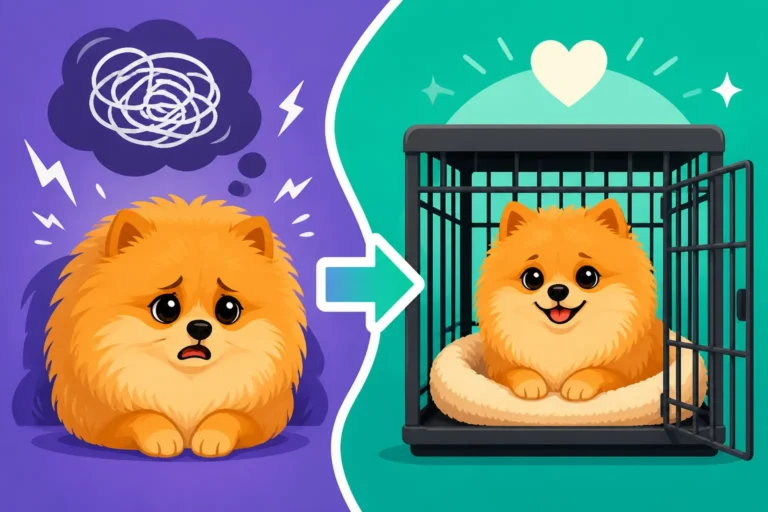
Your Pomeranian needs a place that is entirely their own, a refuge from the hustle and bustle, especially when children are present. This could be a cozy crate with a soft bed and blanket, a dog playpen, or even a specific dog bed tucked away in a quiet corner that is strictly off-limits to children. The key is that this space is consistent, always available, and respected by everyone in the household. Think of it as their "bedroom" – a place where they can go to decompress without fear of intrusion.
For a Pomeranian, a crate isn't just a kennel; it's a den. Covered with a blanket, it can become a private, secure nook where they feel safe. Place it in a low-traffic area, perhaps in a bedroom or a quiet part of the living room, but never in a chaotic zone. Introduce it with positive reinforcement, feeding meals inside and offering high-value treats. You can find excellent options for Crates Sized for a Pomeranian on platforms like Amazon, ensuring it's appropriately cozy for their small stature. Teach your children that when the Pomeranian is in their crate, they are not to be disturbed, touched, or even looked at directly.
Beyond a crate, a secure playpen can offer a larger safe zone where your Pomeranian can stretch out but still be protected. This is particularly useful for puppies or dogs who aren't yet fully crate-trained, or for adult dogs who need a bit more room to feel comfortable. A pen can provide a physical barrier between your dog and curious hands, allowing your Pomeranian to observe the children from a safe distance without feeling trapped. Teaching your dog to settle quietly in this space is also part of building their independence, as explored in Teaching a Pomeranian to Settle in a Pen. This also ensures they aren't constantly being carried or handled, which can contribute to their anxiety.
Establishing Clear Boundaries
Creating physical boundaries is just as important as having designated safe spaces. Children, especially young ones, often struggle with impulse control and understanding personal space. It's up to us as adults to enforce these boundaries for the safety and comfort of our Pomeranian. This might mean using baby gates to block off certain rooms or areas where the Pomeranian can roam freely without child access, or creating "child-free zones" within shared spaces.
For example, you might gate off the living room, allowing your Pomeranian to relax on the couch while the children play in an adjacent, separate area. This separation allows the Pomeranian to feel secure and relax, knowing that they won't be unexpectedly approached or chased. It reduces the constant vigilance your dog might feel they need to maintain, which is exhausting and stressful. Over time, as trust grows, these boundaries can be slowly adjusted, but in the initial stages, they are paramount for building a sense of security.
Beyond physical barriers, it’s crucial to establish behavioral boundaries for children. Teach them that they should never approach the Pomeranian while it's eating, sleeping, or in its designated safe space. Instill the rule of "let sleeping dogs lie" – and hiding dogs too! This empowers the Pomeranian to seek solitude when needed, reinforcing that their decision to retreat will be respected. This respect for boundaries is a fundamental step in helping your Pomeranian feel safe, secure, and less likely to hide.
Implementing a Gradual Introduction Plan
Once your Pomeranian has a safe haven, the next step is to slowly and carefully introduce positive interactions with children. This is not a process to be rushed; patience and consistency are your best friends here. The goal is to change your Pomeranian's emotional association with children from fear to positive anticipation, building trust one tiny step at a time. Think of it as slow, careful desensitization paired with counter-conditioning.
Supervised, Controlled Encounters
All interactions between your Pomeranian and children must be 100% supervised, with an adult actively present and engaged. Start with very brief, highly controlled encounters. Initially, this might mean the child is simply in the same room, calmly playing with a toy or reading a book, while the Pomeranian is on a leash with you, receiving high-value treats. The dog observes the child from a comfortable distance, and every time the child is present, something wonderful happens for the dog.
Keep these sessions short, just a few minutes, ending them before your Pomeranian shows any signs of stress. The moment the child leaves, the treats stop. This helps your Pomeranian associate the child's presence with positive rewards, like their favorite treat or a gentle pet from you. Gradually, as your Pomeranian seems more relaxed, you can slowly decrease the distance between them and the child, always ensuring the dog remains calm. Remember, quality over quantity when it comes to these interactions. It’s better to have several very short, successful sessions than one long, stressful one.
Consider using a harness and leash even indoors during these initial interactions. This gives you control and allows you to quickly and calmly guide your Pomeranian away if they show signs of discomfort, preventing them from feeling cornered or overwhelmed. Always ensure your children are also on their best behavior during these sessions. A quiet, calm child is far less intimidating to a fearful Pomeranian. For effective training, knowing The Reward a Pomeranian Actually Cares About is vital for successful positive reinforcement.
Positive Reinforcement and Desensitization
The core of this plan is positive reinforcement and desensitization. Desensitization means gradually exposing your Pomeranian to the sight and sound of children at a low intensity that doesn't trigger a fear response. Counter-conditioning means changing your dog's emotional response by pairing the presence of children with something highly positive. Every time a child is calmly present, your Pomeranian gets a treat or praise.
For example, when a child walks into the room, immediately give your Pomeranian a treat. If the child sits quietly, keep giving treats. If the child makes a sudden movement, stop the treats until the child is calm again, then resume. This teaches your dog that children predict good things, not scary things. It transforms their perception from "child = threat" to "child = yummy snacks." Consistency is key. Every single time a child is around, ensure a positive outcome for your Pomeranian.
You might also consider using an online dog training program, such as those offered by BAXTER & Bella. They provide structured lessons that can help you implement positive reinforcement techniques effectively, often with guidance on managing real-world scenarios like dog-child interactions. These programs can offer valuable support and step-by-step instructions to ensure you're setting both your Pomeranian and your children up for success. Remember that training sessions, even for something as sensitive as fear, should be kept short and positive. Training Session Length for a Pomeranian is usually brief, around 5-10 minutes, to maintain engagement and prevent overwhelm.
Educating Children on Safe Interaction with a Small Dog
While we focus a lot on training our dogs, it’s equally, if not more, important to educate children on how to interact safely and respectfully with a small dog like a Pomeranian. Their small size makes them incredibly vulnerable to accidental injury, and their fear can escalate quickly if they feel threatened. Teaching children appropriate behavior is paramount for fostering a positive relationship and ensuring the Pomeranian feels safe enough to stop hiding.
Gentle Hands and Quiet Voices
Children need to understand that Pomeranians are delicate creatures, not toys. Teach them the concept of "gentle hands" – demonstrating how to offer a slow, open hand for the dog to sniff, and how to pet softly on the shoulders or chest, avoiding the top of the head or reaching over their face. Explain that sudden grabs, tugs, or rough petting can cause pain or fear. Emphasize that their tiny bodies can be easily injured, and why Why a Toddler Can Injure a Pomeranian by Accident is a very real concern.
Beyond physical touch, children also need to learn about "quiet voices" and calm movements around the dog. Loud shrieks, running, or boisterous play can be incredibly frightening to a small dog with sensitive hearing. Encourage them to use a soft, calm tone when speaking to the Pomeranian and to move slowly and predictably. Practice "tree statues" – where they freeze like a tree if the dog seems scared – teaching them to give the dog space immediately. Role-playing these interactions can be very effective, using a stuffed animal to demonstrate appropriate touch and behavior.
It’s crucial to make these lessons positive and engaging, not punitive. Frame it as "being a good dog friend" or "helping our puppy feel safe." Praise children heavily when they interact gently and respectfully. This encourages them to repeat the desired behaviors and understand the importance of being calm around their furry family member.
Respecting the Pomeranian's Space
One of the most vital lessons for children is to respect the Pomeranian's personal space and boundaries. This means teaching them not to approach the dog when it's eating, sleeping, or in its designated safe space (crate, bed, or playpen). These are sacred zones where the Pomeranian should feel completely secure from intrusion. It's also important to teach children not to follow the dog if it walks away or tries to hide. That's the dog's way of saying, "I need space right now."
Instill the "ask first" rule: children should always ask an adult if it's okay to approach or pet the Pomeranian, even if the dog is out in the open. The adult can then assess the dog's body language and decide if the interaction is appropriate and safe at that moment. This teaches children responsibility and respect for the dog's autonomy, while also giving the adult control over interactions. It's especially crucial for a small dog in A Pomeranian in a House With Small Children.
For young children who might want to pick up the Pomeranian, teach them that only adults can do that, and only when the dog is willing and calm. If they absolutely must hold the dog, teach them the proper way to support their body, making sure to be gentle and secure, as detailed in Teaching a Child to Hold a Pomeranian. This ensures the dog feels safe and supported, reducing the risk of a fearful reaction or injury. Remember, the goal is for the Pomeranian to feel empowered and safe, not constantly on edge.
Seeking Professional Help and When to Do It
Sometimes, despite your best efforts, a Pomeranian's fear of children can be deeply ingrained or stem from complex issues that require expert intervention. Knowing when to call in a professional isn't a sign of failure, but a responsible and loving step toward ensuring your dog's well-being and the harmony of your household. Early intervention from a qualified expert can make a world of difference.
When to Consult a Veterinarian
Before assuming behavioral issues, it's always wise to rule out any underlying medical conditions that might be contributing to your Pomeranian's fear or anxiety. Pain, discomfort, or an undiagnosed illness can significantly alter a dog's temperament, making them more irritable, fearful, or withdrawn. A dog experiencing chronic pain might hide to avoid being touched, especially by children whose movements might be less predictable.
Schedule a thorough check-up with your veterinarian. Explain all the behavioral changes you've observed, particularly the hiding and fear responses around children. Your vet can perform a physical exam, and possibly recommend blood work or other diagnostics, to ensure there isn't a medical reason for the change in behavior. For example, joint pain, dental issues, or even vision problems could make a Pomeranian more sensitive and reactive. Ruling out these possibilities is an important first step and can help guide the best course of action, whether it's medical treatment or a behavioral intervention.
Sometimes, a vet might also recommend anti-anxiety medication if the fear is severe and debilitating. This isn't a standalone solution but can be a helpful tool in conjunction with behavior modification. Medication can help take the edge off the intense fear, making your Pomeranian more receptive to learning new, positive associations with children. Your vet can discuss the pros and cons and help you make an informed decision based on your individual dog's needs.
Working with a Certified Professional Dog Trainer or Behaviorist
If medical issues have been ruled out, or if the fear is deeply entrenched, working with a certified professional dog trainer or a veterinary behaviorist is highly recommended. These experts have the knowledge and experience to assess your Pomeranian's specific situation, identify the root causes of their fear, and develop a tailored behavior modification plan. They can also observe your interactions and provide hands-on guidance, which is often invaluable.
A certified professional dog trainer, particularly one specializing in fear and anxiety, can teach you positive reinforcement techniques, desensitization protocols, and management strategies to help your Pomeranian feel more comfortable around children. They can also help you refine your children's interactions, ensuring everyone in the family is consistent in their approach. Look for trainers who use force-free, positive reinforcement methods, as punishment-based techniques will only exacerbate fear in an already anxious dog. For instance, online platforms like BAXTER & Bella can connect you with trainers or provide resources that teach you similar positive methods from home.
For severe cases, especially if there's any history of growling or snapping, a veterinary behaviorist is the gold standard. These are veterinarians who have specialized training in animal behavior and can combine medical knowledge with behavioral science to address complex issues. They can prescribe medication if necessary and develop a comprehensive plan that tackles both the emotional and behavioral aspects of your Pomeranian's fear. They can help navigate challenging scenarios and provide strategies to gently encourage a fearful dog to accept children as part of their environment, ensuring a happier and safer home for everyone.
Disclaimer
This article is for general informational purposes only and does not constitute professional advice. Laws, prices and regulations vary by location and change over time. Consult a qualified professional for guidance on your specific situation.