A Pomeranian That Guards a Toy From the Family
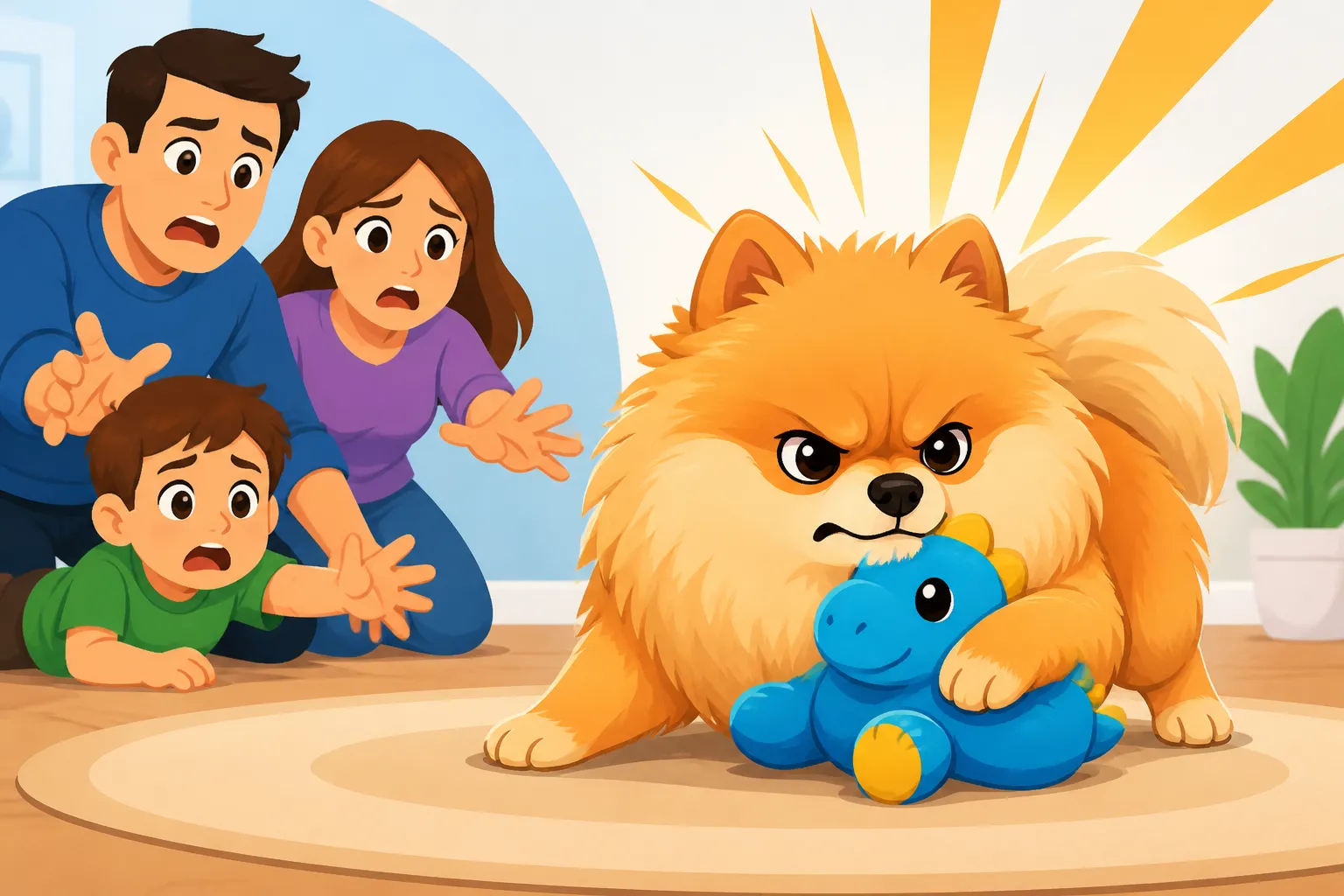
It can be quite disheartening and frankly, a little alarming, when your sweet Pomeranian suddenly turns into a snarling guard dog over a favorite squeaky toy. You reach down to pick up a slobbery plush, and out comes a growl you never thought such a small dog could produce, maybe even a snap. This guide is here to help you understand why your beloved Pom might be exhibiting this resource guarding behavior, what signals they're sending, and how you can gently but effectively work to manage it, ensuring a peaceful home for everyone.
Understanding Resource Guarding in Pomeranians
Resource guarding, sometimes called possession aggression, is a natural canine instinct. While it might feel personal when your Pomeranian guards a toy from you, it's rarely about malice. It's about protecting something they perceive as valuable from a perceived threat, which unfortunately, sometimes includes their loving family members. It’s a behavior rooted in survival, and in our domestic world, it manifests over food, sleeping spots, or, yes, toys.
What Resource Guarding Looks Like
Resource guarding in a Pomeranian can manifest in a spectrum of behaviors, from subtle signals to overt aggression. It often starts with more subdued warnings. You might notice your Pom freezing over a toy, tensing their body, or quickly moving to position their body over the item. Their eyes might become hard or stare directly at you, and their ears might flatten or be pulled back slightly. These are all early indicators that your dog is feeling uneasy about your proximity to their prized possession.
If those initial warnings are ignored, or if your Pomeranian feels particularly threatened, the behaviors can escalate. You might hear a low growl, a snarl, or even a sudden bark directed at you. Some Poms will quickly snatch the toy and move away, while others might bare their teeth or snap in the air or even at your hand. It’s crucial to understand that these are not "bad" behaviors, but rather distress signals from a dog trying to communicate their boundaries. They are essentially saying, "Please, leave my toy alone."
Why Pomeranians Resource Guard
There are several reasons why a Pomeranian might develop resource guarding behavior. One significant factor can be their inherent genetics and breed traits. Pomeranians, despite their small size, are descendants of larger Spitz-type dogs, which were bred for vigilance and guarding. This ancestral trait, combined with their sometimes confident and sassy personalities, can lead to a strong sense of possessiveness. They are often very attached to their belongings and can feel quite strongly about protecting them.
Past experiences also play a huge role. If a Pomeranian was once in a situation where they had to compete for resources, perhaps in a crowded litter, a rescue environment, or even in a home where they felt their items were constantly taken away, they might learn that guarding is an effective strategy. It’s a learned behavior to ensure they keep what they value. Sometimes, even unintentional actions from owners, like constantly snatching toys away without a trade, can inadvertently teach a Pomeranian that they need to guard their items more fiercely. They might also pick up on anxiety from their human family, leading them to feel the need to be more protective.
The Difference Between Mild and Severe Guarding
It's important to differentiate between mild resource guarding and more severe forms. Mild guarding might involve a subtle stiffening, a quick glance, or a low, almost imperceptible growl when you approach a toy. Your Pomeranian might simply move away with the toy when you get too close. These behaviors, while still needing attention, indicate that your dog is trying to communicate their discomfort without resorting to physical aggression. This is often easier to address with consistent positive reinforcement and management techniques.
Severe guarding, however, involves more overt displays of aggression, such as snapping, biting, or prolonged, intense growling and snarling that is difficult to interrupt. If your Pomeranian is drawing blood, launching themselves at you, or if you feel genuinely unsafe around them when they have a toy, the guarding has crossed into a more serious territory. In these cases, it's not only upsetting but can be dangerous, particularly if there are children or other pets in the home. It’s at this point that professional intervention becomes absolutely critical to ensure everyone's safety and well-being.
Common Triggers and Warning Signs
Recognizing the specific triggers and subtle warning signs is key to effectively managing and preventing resource guarding. Being observant of your Pomeranian's behavior in different situations can help you anticipate and de-escalate potential issues before they become full-blown conflicts. It’s all about understanding their language.
Specific Objects That Spark Guarding
Not all toys are created equal in the eyes of a Pomeranian. Often, guarding behavior is triggered by "high-value" items. For some Poms, this might be a squeaky toy they absolutely adore, especially if it’s new or particularly engaging. For others, it could be a specific comfort item, like a stuffed animal they've had since puppyhood. Chews, particularly long-lasting ones like bully sticks or dental chews, are almost universally high-value and are frequent culprits for triggering guarding.
Even items that aren't traditional toys, such as a dropped sock, a crumpled piece of paper, or a stolen tissue, can become guarded treasures. The perceived rarity or "forbidden" nature of the item can sometimes increase its value in your Pomeranian's eyes. Knowing which items your Pom is most likely to guard allows you to manage access to those items and implement preventative strategies, making sure they only get them in a controlled environment.
Body Language to Watch For
Your Pomeranian will almost always give you signals before a growl or snap. Learning to "read" your dog's body language is one of the most powerful tools you have. When guarding a toy, a Pom might exhibit:
- Freezing: They stop all movement, becoming rigid.
- Hard Stare: Direct eye contact, sometimes with dilated pupils, rather than soft, blinking eyes.
- Tense Body: Muscles visibly tightened, sometimes with a low head position over the item.
- Lip Licking/Yawning: These can be appeasement signals, indicating stress or discomfort.
- Ears Back/Flattened: A sign of anxiety or feeling threatened.
- "Whale Eye": Where the whites of their eyes are visible, often a sign of fear or discomfort.
- Quick Snatch and Run: Grabbing the item and darting away to a secluded spot.
These are all attempts at communication. Your Pomeranian is trying to tell you, "I'm uncomfortable with you near my thing." Ignoring these early warnings can often lead to an escalation of behavior, as the dog feels they need to be more explicit in their communication.
Situational Factors That Escalate Guarding
Beyond the specific item, certain situations can heighten your Pomeranian's tendency to guard. For instance, if your Pom is tired or feeling unwell, their tolerance for perceived threats might be lower, making them more prone to guarding. A noisy or chaotic environment, with lots of people coming and going, can also increase stress and trigger guarding behaviors. This is especially true if there are children present who might unknowingly approach the dog too quickly or try to take the toy. Teaching Children Not to Chase a Pomeranian is vital in such scenarios.
Furthermore, if your Pomeranian feels cornered or trapped, they might feel a greater need to defend their resources. For example, if they have a favorite toy under the coffee table and someone approaches directly, they might feel they have no escape route and resort to guarding. Conversely, being in an open, safe space where they feel secure and have options for retreat can reduce guarding tendencies. It’s also worth noting that changes in routine, new pets, or even just feeling overwhelmed can make a Pomeranian more likely to guard.
Strategies for Managing Toy Guarding
Addressing toy guarding requires a patient, consistent, and positive approach. The goal isn't to punish your Pomeranian for guarding, which can actually worsen the problem, but to change their emotional association with you approaching their resources. We want them to feel good about you being near their toys, not threatened.
Establishing Trust and Positive Associations
The foundation of managing any resource guarding is building a strong, trusting relationship with your Pomeranian. Your Pom needs to learn that your approach to their toys means good things happen, not that the toy will be taken away. This means avoiding forceful removal of items and instead focusing on positive reinforcement. When your Pomeranian has a toy, especially a high-value one, simply walk by and drop a super tasty, high-value treat (like a tiny piece of cooked chicken or cheese) near them, but not on them. Don't try to touch the toy, just drop the treat and walk away.
Repeat this many times over several days or weeks. Your Pomeranian will start to associate your presence near their toy with getting something even better. This changes their internal narrative from "Oh no, they're going to take my toy!" to "Oh boy, they're coming! Maybe I'll get a yummy treat!" This can be a slow process, but consistency is key. Always use treats that are more enticing than the toy itself. For more insights on motivation, check out The Reward a Pomeranian Actually Cares About.
The "Trade Up" Method
The "trade up" method is a fantastic tool for teaching your Pomeranian to willingly give up an item without confrontation. This technique relies on the principle that your dog will be happy to surrender one item if they believe they're getting something even better in return. Start by having a very high-value treat ready – think boiled chicken, bits of hot dog, or cheese – something your Pom absolutely adores. When your Pomeranian has a toy they are guarding, approach calmly and offer the high-value treat.
As they take the treat, gently take the toy. Immediately give the toy back to them after they've swallowed the treat, or offer another, equally high-value toy or treat. The key is to make it a positive exchange, not a theft. Over time, your Pomeranian learns that giving up a toy isn't a loss, but an opportunity for something better. Practice this in various situations, always ensuring the trade is a beneficial one for your Pom. It takes patience, but it’s incredibly effective. You can find excellent quality training treats on platforms like Amazon that can help make these trades irresistible.
Creating a Safe Space for Toys
Sometimes, managing the environment is the simplest and most effective strategy. If your Pomeranian tends to guard specific high-value toys, designate a special, low-traffic area where they can enjoy these items undisturbed. This might be their crate, a cozy bed in a quiet corner, or even a designated playpen. Teaching a Pomeranian to Settle in a Pen can be very useful here. The idea is to create a sanctuary where they feel completely secure with their possessions and won't feel the need to guard against family members approaching.
When your Pomeranian is in their designated safe space with a high-value toy, family members should respect that boundary and avoid approaching or interacting with them directly. This reduces the opportunities for guarding behavior to occur and helps reinforce that their space and belongings are safe. You can also rotate toys, only offering high-value items when you can closely supervise or when your Pom is in their safe zone, and put them away when not in use. This manages the temptation and potential for conflict.
Preventing Resource Guarding in Puppies
Prevention is always better than cure, especially when it comes to resource guarding. Starting good habits early with your Pomeranian puppy can significantly reduce the likelihood of them developing guarding behaviors as an adult. Puppyhood is a critical window for learning that sharing and handling are positive experiences.
Early Socialization and Handling
The more positive experiences your Pomeranian puppy has with being handled and with people being around their food and toys, the less likely they are to guard. From day one, make it a point to gently touch your puppy all over their body, including their paws, ears, and mouth. Offer tasty treats while doing so to create positive associations. When they are playing with a low-value toy, gently touch the toy, then give a treat. The goal is to make your presence and interaction with their items a predictor of good things.
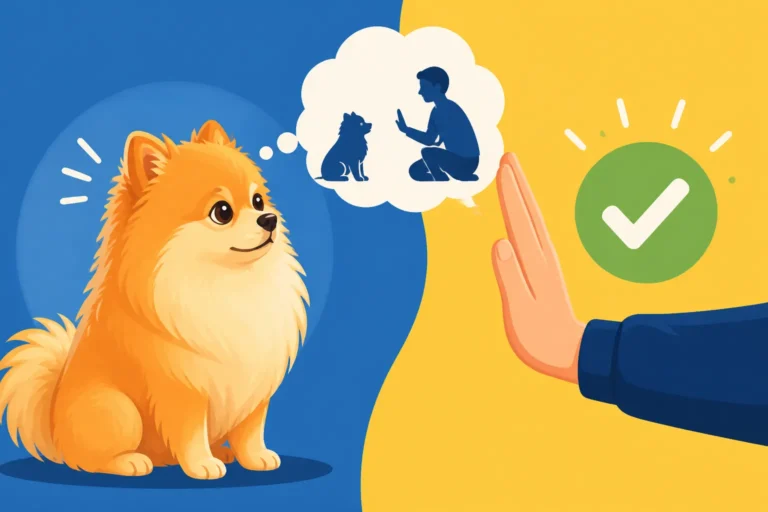
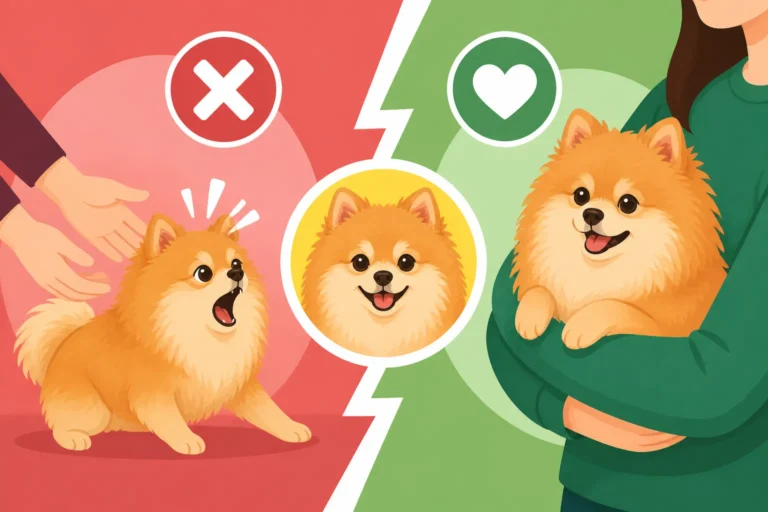
Expose your puppy to a variety of people, sights, and sounds in a positive way. Ensure visitors, especially children, are taught how to appropriately interact with a small puppy. Teaching a Pomeranian to Be Approached calmly and gently is crucial. Supervise all interactions closely, ensuring no one is snatching items from your puppy, which can unintentionally teach them to guard. Puppy classes are fantastic for this, providing structured opportunities for positive socialization in a safe environment.
Teaching "Drop It" and "Leave It" From the Start
Two commands that are invaluable in preventing and managing resource guarding are "Drop It" and "Leave It." Start teaching these early, even before guarding behaviors appear. For "Drop It," use the "trade up" method described earlier. When your puppy has a toy, offer a higher-value treat right near their nose. As they open their mouth to take the treat, say "Drop It" and gently remove the toy. Immediately give the toy back or offer another treat. Practice often, gradually increasing the duration they hold the toy before you ask them to drop it.
"Leave It" teaches your Pomeranian to ignore something they want. Start with a low-value treat in your hand. Say "Leave It" and cover the treat with your hand. When your puppy looks away from your hand, immediately mark the behavior (with a clicker or a verbal "Yes!") and reward them with a different, higher-value treat from your other hand. Gradually, you can introduce more tempting items and increase the distance and duration. Consistent, positive reinforcement is key, and remember that Training Session Length for a Pomeranian should be short and fun to maintain engagement. Many online training programs, like those offered by BAXTER & Bella, include detailed guides for teaching these essential commands effectively.
Managing High-Value Items
A proactive approach to high-value items can prevent many guarding issues from ever starting. For a puppy, this means closely supervising them when they have items they might consider very special, like certain chews or particularly exciting toys. If you notice any nascent guarding behavior, immediately engage in positive trade-ups rather than confrontation. Make sure high-value items are only given in appropriate, safe environments where your puppy feels secure and is unlikely to be disturbed.
Consider giving extra special treats or chews when your puppy is in their crate or a designated "safe zone" where they won't feel the need to defend them. This reinforces that these spaces are positive and secure. It also helps to limit access to these types of items when you cannot actively supervise, preventing accidental guarding scenarios. By being mindful and intentional about how and when your Pomeranian puppy interacts with their most prized possessions, you can help them grow into an adult who trusts that their resources are safe and that you are not a threat to them.
When to Seek Professional Help
While many cases of mild resource guarding can be managed with consistent, positive training techniques at home, there are situations where seeking professional help is not just recommended, but essential. It's crucial to know when you've reached that point, for your safety and your Pomeranian's well-being.
Recognizing When Guarding Becomes Dangerous
If your Pomeranian's resource guarding has escalated to the point where they are consistently snapping or biting, especially if the bites are breaking skin or causing injury, it’s a dangerous situation that requires immediate professional attention. Similarly, if the guarding is unpredictable, happening without clear warning signs, or if it's directed at children or vulnerable adults in the household, it's beyond the scope of home management. Whether Corrections Backfire on a Pomeranian is a serious consideration here, as any harsh punishment can worsen the behavior and make your dog more fearful and aggressive.
Other red flags include if the guarding behavior is expanding to include more and more items, or if it's becoming generalized to different family members or even visitors. If you feel genuinely afraid to approach your Pomeranian when they have certain items, or if the household is constantly walking on eggshells around them, that's a clear sign that expert guidance is needed. Your Pomeranian, too, is likely feeling stressed and anxious, and a professional can help alleviate that underlying tension.
Finding a Qualified Trainer or Behaviorist
When seeking professional help, it’s vital to find someone who uses positive reinforcement and force-free methods. Avoid trainers who advocate for dominance theory, alpha rolls, or any kind of punitive measures, as these can severely damage your relationship with your Pomeranian and exacerbate resource guarding. Look for certified professional dog trainers (CPDT-KA) or certified dog behavior consultants (CDBC). A veterinary behaviorist, a veterinarian with specialized training in animal behavior, is often the best choice for severe cases, as they can diagnose underlying medical conditions and prescribe medication if necessary.
Ask for referrals from your veterinarian or trusted friends who have successfully resolved behavior issues with their dogs. Interview potential professionals about their methods, philosophy, and experience with resource guarding, particularly in small breeds. A good behaviorist will conduct a thorough assessment of your Pomeranian in their home environment to understand the triggers and context of the guarding. They will then develop a tailored, step-by-step plan for you to implement, providing ongoing support and adjustments as needed.
What a Professional Intervention Might Involve
A professional intervention for resource guarding typically involves a multi-faceted approach. It will often begin with a detailed behavioral history and an observation of your Pomeranian's guarding in a controlled setting. The behaviorist will help you identify all triggers and warning signs, and teach you how to respond appropriately. This often includes implementing strict management strategies to prevent guarding incidents from occurring in the first place, such as temporarily removing all high-value toys or only allowing them in a secure space.
The core of the intervention will focus on counter-conditioning and desensitization. This means gradually exposing your Pomeranian to the triggers (e.g., your hand approaching a toy) while pairing it with highly positive experiences (e.g., incredibly delicious treats). The goal is to change your Pomeranian's emotional response from fear or anxiety to anticipation of something good. This process is slow and requires immense patience and consistency. The behaviorist might also teach you advanced obedience commands, confidence-building exercises, and strategies for reducing overall stress in your Pomeranian's life, all designed to foster a more secure and trusting relationship between you and your cherished companion.
Disclaimer
This article is for general informational purposes only and does not constitute professional advice. Laws, prices and regulations vary by location and change over time. Consult a qualified professional for guidance on your specific situation.