Getting a Pomeranian Used to a Blow Dryer
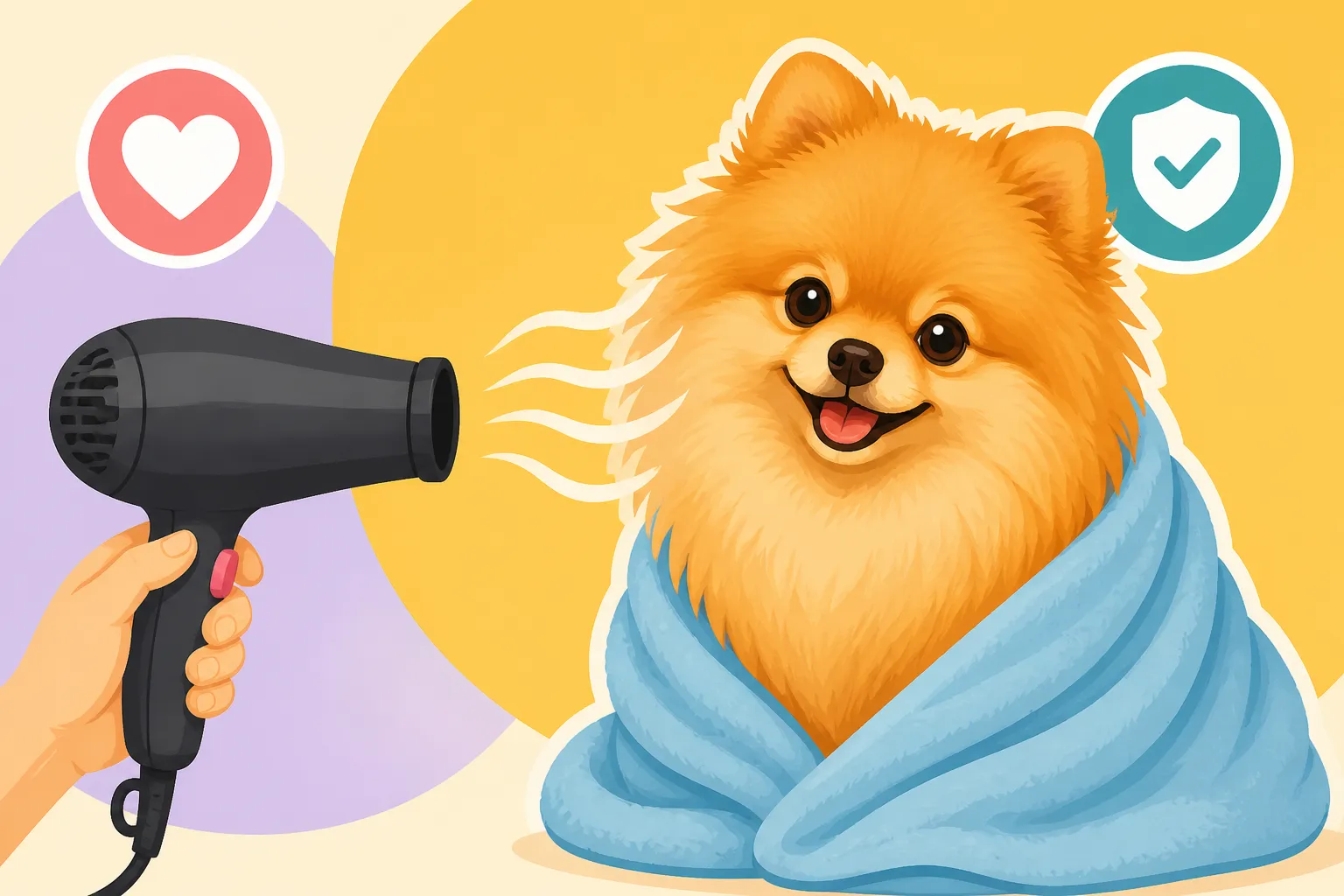
It’s a scenario many Pomeranian parents know all too well: bath time is over, your little fluffball is a damp, shaking mess, and then you pull out the dreaded blow dryer. What often follows is a flurry of frantic attempts to escape, terrified yips, or a full-blown wrestling match, leaving both you and your sweet Pom stressed and exhausted. This guide is here to walk you through a gentle, patient process to help your Pomeranian become comfortable, or at least tolerant, of the blow dryer, transforming a stressful chore into a manageable part of their regular grooming routine.
Understanding Why Blow Dryers Are Scary for Pomeranians
Before we dive into solutions, it’s really helpful to put ourselves in our Pomeranian’s tiny paws for a moment. What might seem like a simple tool to us can be a truly overwhelming experience for a small, sensitive dog with acute senses. Understanding the root causes of their fear is the first step toward effective desensitization.
The Sensory Overload: Noise, Heat, and Airflow
Imagine being tiny, surrounded by what feels like a roaring monster that blasts hot air and makes you feel vulnerable. That's often what a blow dryer can feel like to a Pomeranian.
First, there's the noise. Pomeranians have incredibly sensitive hearing. What sounds like a whir to us can be a high-pitched, jarring shriek or a deep, rumbling roar to them. The suddenness of the sound, especially if they haven't been slowly introduced to it, can trigger their startle reflex and activate their fight-or-flight response. It’s not just loud; it’s an unfamiliar, potentially threatening sound coming from an object they can’t understand.
Then, there's the heat. A human blow dryer, even on a low setting, can get surprisingly hot, especially close to a dog's delicate skin. Their dense double coat, while beautiful, can trap heat, making the drying process uncomfortable or even painful if the temperature isn't carefully managed. They don't have the ability to articulate "ouch, that's too hot," so their only recourse is to try and escape the source of discomfort. Overheating can happen quickly with a small dog, and a bad experience with heat can create a lasting aversion.
Finally, the airflow itself can be alarming. Imagine a strong, directed gust of wind suddenly hitting you, particularly around your face or ears. For a Pomeranian, this unexpected sensation can be startling and feel like an aggressive force. It can push their fur in unnatural ways, tickle sensitive areas, or even make it difficult for them to see or smell clearly, adding to their sense of confusion and vulnerability. The combination of these three factors creates a perfect storm of sensory overload that can be truly terrifying for our little companions.
Past Negative Experiences and Conditioning
Just like people, dogs learn through association. If their very first experience with a blow dryer was a negative one, that memory can stick with them, making every subsequent encounter difficult.
Perhaps they were held too tightly, or the dryer was used too close to their face or ears, causing discomfort or pain. Maybe a groomer, trying to get the job done quickly, didn't have the time to slowly acclimate them, leading to a rushed, frightening session. This single bad experience can lead to classical conditioning, where the mere sight or sound of the dryer, or even the act of being bathed, triggers an immediate fear response. It's not about them being "stubborn" or "misbehaving"; it's a learned survival mechanism.
It’s also common for the blow dryer to be associated with the bath itself, which many Pomeranians aren't thrilled about to begin with. If the bath is already a source of stress, then the follow-up act of drying, especially if done poorly, simply piles on the negative associations. Over time, your Pomeranian might learn to dread the entire grooming process, not just the dryer, because of these accumulated bad experiences. This is why starting with a clean slate and building positive associations is so crucial.
Essential Tools and Preparation for Success
Getting your Pomeranian comfortable with a blow dryer isn't just about technique; it's also about having the right equipment and setting up the environment for success. Think of it as preparing your little furry client for a spa day, not a torture session!
Choosing the Right Dryer and Grooming Space
The type of blow dryer you use is paramount. Please, please resist the urge to use your own human hair dryer on your Pomeranian. Human dryers often get far too hot, lack sufficient airflow control, and can burn your dog's skin or damage their delicate double coat. Instead, invest in a dedicated pet dryer or a low-heat, quiet-setting human dryer that you only use for your dog. Many pet dryers are specifically designed to have lower heat settings, stronger but safer airflow, and reduced noise levels, which is exactly what a sensitive Pomeranian needs. Look for models marketed as "quiet" or "low noise" dog dryers, readily available on platforms like Amazon.
When it comes to your grooming space, choose an area that is quiet, free from distractions, and feels safe to your Pomeranian. A small, enclosed bathroom or laundry room often works well. Avoid high-traffic areas where other pets or family members might inadvertently startle your dog. Using a grooming table or an elevated surface can also make a huge difference. This not only saves your back but also helps to contain your Pomeranian and signals that this is "work time," reducing their ability to simply run away. Just ensure the surface is non-slip for their safety. Having everything within reach means you won't have to leave them unattended, even for a second, which builds trust and maintains focus.
Gathering Your Supplies: Treats, Brushes, and Calming Aids
Preparation is key to a smooth and successful desensitization process. Before you even think about turning on the dryer, gather all your essential supplies.
First and foremost, have a generous supply of high-value treats readily available. These aren't your everyday kibble; these are the irresistible, drool-worthy treats that your Pomeranian absolutely adores – think tiny pieces of cooked chicken, cheese, or specialized training treats. These treats will be your primary tool for creating positive associations with the dryer. Remember, the goal is to make them think, "Wow, the blow dryer means delicious snacks!" rather than "Oh no, the blow dryer means terror." You might even want to try a lick mat smeared with peanut butter to keep them distracted and happy during short sessions.
Next, have your grooming brushes at hand. A good slicker brush and a pin brush are indispensable for a Pomeranian's dense double coat. You'll need to brush through their coat during and after drying to prevent mats and ensure thorough drying. For advice on brushing, see our guide on The Slicker and Pin Brush a Pomeranian Needs. Also, grab a few highly absorbent towels for the initial towel-drying stage; the less water the dryer has to contend with, the shorter the overall drying time will be.
Finally, consider incorporating calming aids if your Pomeranian is particularly anxious. Pheromone sprays, diffusers, or calming treats can help take the edge off their anxiety, making them more receptive to the training. You might spray a calming mist on a towel or a bandana, or plug in a diffuser in the grooming area a little while before you start. Remember, these are aids, not solutions, but they can create a more relaxed atmosphere for your training sessions. Products like those offered by BAXTER & Bella, which often include behavioral guidance, might also touch on how to best introduce new grooming routines.
The Step-by-Step Desensitization Process
This isn't a race; it's a marathon. Patience and consistency are your two best friends here. The goal is to gradually introduce the dryer in tiny, non-threatening steps, building positive associations along the way. Rushing this process will only set you back.
Introducing the Dryer Without Noise or Air
The very first step is to introduce the dryer as a benign, non-threatening object. Don't even turn it on yet! Simply bring the dryer into the room where your Pomeranian spends time. Place it on the floor, on a table, or wherever they can see it and sniff it without feeling cornered. The idea is to normalize its presence.
As they investigate the dryer, offer praise and immediately reward them with high-value treats. If they ignore it, that's fine too. Just leave it out in plain sight for short periods each day. You want them to start seeing it as just another piece of furniture, not a monster in waiting. During this phase, you can also pick up the dryer, hold it, and move it around gently, all while remaining calm and giving treats. The clicking or rattling sounds of the dryer being handled are also part of what they need to get used to, so make those sounds and immediately follow with a treat. The trick is to never force interaction. If they seem hesitant, just place the dryer down, toss a treat near it, and let them approach at their own pace.
This stage might take a few days, or even a week, depending on your Pomeranian's initial level of anxiety. The key is to progress only when your dog shows no signs of fear or hesitation in the current step. When they can calmly walk past it, sniff it, and take treats near it without batting an eye, you're ready to move on.
Gradual Exposure to Sound and Airflow
Now it’s time to introduce the sounds and sensations of the dryer, but in a controlled, non-threatening way. This is where most people make the mistake of going too fast.
Start by turning the dryer on for just a second or two, away from your Pomeranian, and on the absolute lowest, coolest setting. The dryer should be across the room, or even in another room with the door slightly ajar. The moment it turns on (and off), immediately give your Pomeranian a high-value treat and lavish them with praise. Repeat this many, many times over several sessions. The idea is to create the association: "Dryer sound = tasty treat." You're building positive reinforcement for simply tolerating the sound. Once they are comfortable with the sound from a distance, slowly decrease the distance over several days, always keeping the dryer on the lowest, quietest setting and rewarding profusely.
Next, introduce the airflow. Still on the lowest, coolest setting, direct the airflow onto your hand first, letting your Pomeranian watch. Let them sniff the air coming out. Then, for a split second, direct the airflow onto a non-sensitive part of their body, like their back or hindquarters, immediately followed by a treat and praise. Do not aim for their face, ears, or paws initially, as these areas are much more sensitive. Keep the sessions incredibly short – just a few seconds of exposure – and always end on a positive note, even if it means you only managed a single puff of air. This gradual exposure helps them to understand that the air is not harmful and that good things happen when it's present.
Integrating the Dryer into the Grooming Routine
Once your Pomeranian is tolerating the sound and brief bursts of air directed at their body, you can start integrating the dryer into their post-bath routine. Remember, your goal is to dry them thoroughly without causing stress, because a damp undercoat can lead to skin issues. See Drying a Pomeranian Without Damaging the Coat for more context.
After their bath, towel-dry your Pomeranian as much as possible. This reduces the time you'll need the dryer and makes the overall process quicker and less intimidating. Then, with your dog on the grooming table, start with the dryer on the lowest, coolest setting, directing the air at their back. Work in very short bursts—five to ten seconds at most—followed by immediate treats and praise. If your Pomeranian tolerates it, gently brush through their coat with a slicker brush as you dry. This helps to separate the double coat and allows the air to reach the undercoat, speeding up the process and preventing mats. Our article Working a Pomeranian's Coat in Sections to the Skin offers great tips here.
As they become more comfortable, you can gradually increase the duration of the drying bursts and slowly move to other parts of their body, always avoiding direct airflow to their face and ears initially. Use a soft voice, continue to offer treats, and watch their body language closely. If they show any signs of stress – lip licking, yawning, tail tucking, or trying to move away – immediately stop, give them a break, and go back to a step where they were comfortable. The idea is to build up their tolerance over many sessions, not to get them fully dry in one go. Keep the entire session as positive and calm as possible, ending it before they get too anxious.
| Desensitization Step | Goal | Action | Reward Strategy |
|---|---|---|---|
| 1. Object Introduction | Dryer is a neutral, non-threatening object. | Leave dryer in common areas. Allow sniffing. Hold, move dryer calmly. | Treat/praise for calm observation or interaction. |
| 2. Sound Introduction (Distant) | Dryer sound means good things. | Turn dryer on (lowest/coolest) in another room for 1-2 seconds. | Immediate treat/praise the moment sound stops/starts. |
| 3. Sound Introduction (Closer) | Tolerates dryer sound nearby. | Gradually move dryer closer (still off dog), brief on/off. | Treat/praise for remaining calm. |
| 4. Airflow Introduction (Indirect) | Airflow is not scary. | Direct air (lowest/coolest) onto your hand, then briefly onto dog's back/legs. | Treat/praise immediately after brief exposure. |
| 5. Integrated Drying | Tolerates dryer during post-bath grooming. | After towel dry, short bursts on back/sides, brushing gently. Avoid face/ears. | Constant treats/praise during and after short bursts. |
| 6. Increased Duration/Areas | Comfortable with longer drying, more body parts. | Gradually increase burst duration, move to neck/tail. Slowly introduce higher airflow/warmth if needed. | Continuous positive reinforcement. |
Common Challenges and Troubleshooting Tips
Even with the best intentions and a solid plan, you might hit some bumps in the road. It's completely normal for a Pomeranian to be resistant, and it doesn't mean you've failed. It just means you need to adjust your approach.
Dealing with Fear, Anxiety, and Resistance
Pomeranians, with their lively personalities, can be very expressive when they're scared or uncomfortable. You might see signs like tucked tails, flattened ears, excessive panting, lip licking, yawning (out of stress, not tiredness), pacing, trying to hide, or even growling or snapping if they feel truly cornered. These aren't signs of a "naughty" dog; they're clear indicators of fear and anxiety. If you see these signs, it's crucial to stop immediately. Pushing a fearful dog will only deepen their negative associations and can erode the trust between you.
If your Pomeranian is showing significant resistance or fear, don't hesitate to go back a step or two in the desensitization process. Perhaps they need more time with the dryer simply being present in the room, or more sessions with the sound on from a distance. Sometimes, reducing the session length to just 30 seconds of actual dryer time can make a huge difference. Consistency with very short, positive interactions is far more effective than infrequent, long, stressful ones. Remember, it's about building positive experiences, not just getting the job done.
For severe anxiety, you might consider enlisting the help of a professional. A certified dog trainer or a veterinary behaviorist can offer tailored strategies and hands-on guidance. They might also suggest counter-conditioning techniques or even mild anti-anxiety medication in extreme cases, under veterinary supervision, to help your Pomeranian cope. Companies like BAXTER & Bella offer online puppy school and training resources that often cover common behavioral challenges like fear of grooming tools, providing structured guidance you can follow from home. Don't forget that handling their body can also be a challenge, so read up on Teaching a Pomeranian to Stand Still for the Brush for related advice.
Maintaining a Positive Association
The foundation of successful desensitization is maintaining an overwhelmingly positive association with the blow dryer. Every interaction, even if it's just looking at the dryer, should be followed by something good.
Never punish your Pomeranian for showing fear or trying to escape. This will only teach them to be more fearful of both the dryer and you. Instead, if they react negatively, calmly disengage, take a break, and re-evaluate your approach. Perhaps the dryer was too close, too loud, or the session was too long. Break the process down into even smaller, more manageable micro-steps. Maybe for one session, you just turn the dryer on in another room and give a treat. For the next, you open the door a crack. It’s all about tiny victories.
Consistency is also incredibly important. Try to have short, positive "dryer training" sessions frequently, even if your dog isn't getting a full bath. You can simply turn the dryer on for a few seconds, give treats, and turn it off. This helps to reinforce the positive association outside of the stress of bath time. The goal is to build up a large reservoir of positive experiences so that any occasional, unavoidable discomfort is outweighed by the overall positive conditioning. Always end on a positive note, even if it means finishing a session with a game of fetch or a favorite cuddle, so your Pomeranian leaves the experience feeling happy and secure.
The Benefits of a Blow-Dryer Tolerant Pomeranian
While the desensitization process might seem like a lot of effort, the payoff for both you and your Pomeranian is immense. A dog that is comfortable with the blow dryer makes grooming less stressful, leads to a healthier coat, and can even save you money and headaches in the long run.
Healthier Coat and Skin
The Pomeranian's magnificent double coat is one of its most defining features, but it requires diligent care. This dense coat consists of a soft, fluffy undercoat and longer, harsher guard hairs. If the undercoat isn't properly dried after a bath, it can remain damp for a surprisingly long time. This creates a warm, moist environment that is a breeding ground for bacteria and yeast, leading to uncomfortable skin infections, hot spots, and unpleasant odors. Think about how bad a mildewy towel smells – now imagine that on your dog's skin, under a thick layer of fur!
A blow dryer, used correctly, is essential for thoroughly drying the undercoat. By using a slicker brush and directing the airflow down to the skin, you can effectively lift and separate the hairs, allowing air to circulate and dry every layer. This not only prevents painful matting, which can pull at the skin and restrict movement, but also promotes healthy skin and a beautiful, fluffy coat. A properly dried coat will stand off the body, giving your Pomeranian that characteristic "puffball" appearance. For more on this, check out The Double Coat That Makes a Pomeranian and Why It Stays On. The minutes spent ensuring a proper dry will save you hours of struggling with mats and potential vet visits for skin issues.
Easier Professional Grooming and Vet Visits
Imagine taking your Pomeranian to the professional groomer. If your dog is terrified of the dryer, the groomer will have a much harder, and potentially more dangerous, job. A fearful dog might snap, struggle, or try to jump off the table, putting themselves and the groomer at risk. This not only makes the grooming experience unpleasant for everyone involved but can also lead to higher grooming fees if the dog requires extra time or handling.
A Pomeranian that is comfortable with the blow dryer is a dream client for any groomer. They can be dried efficiently and safely, resulting in a better quality groom and a less stressful experience for your pet. This also means you'll likely have more options when choosing a groomer, as some may decline to work with highly aggressive or fearful dogs due to safety concerns. Similarly, during vet visits, if your Pomeranian is accustomed to loud noises and being handled, routine examinations or even minor procedures involving clippers or dryers (e.g., for surgical prep) will be much less traumatic. Anything you can do to reduce stress for your dog during professional care makes their life, and the lives of the professionals caring for them, much easier. It's an investment in their overall well-being and a testament to your responsible pet ownership.
Disclaimer
This article is for general informational purposes only and does not constitute professional advice. Laws, prices and regulations vary by location and change over time. Consult a qualified professional for guidance on your specific situation.