What a Spitz Brain Lets a Pomeranian Learn
It’s easy to look at a fluffy, adorable Pomeranian and assume that their primary purpose in life is to look cute and perhaps warm a lap. But anyone who has lived with one knows that beneath all that fluff lies a sharp, active mind that’s constantly observing, assessing, and often, making its own decisions! Many owners feel frustrated when their Pom seems stubborn, but it’s often a sign of intelligence, not a lack thereof. This guide will delve into the unique "Spitz brain" of your Pomeranian and explore just how much they are truly capable of learning.
Understanding the Pomeranian's Spitz Heritage
Before we talk about what your Pomeranian can learn, it's really helpful to understand where their intelligence comes from. Our little Poms aren't just fluffy fashion accessories; they descend from tough, northern working dogs, the Spitz family. Think huskies, malamutes, and Samoyeds – dogs bred for jobs that required independent thinking, resilience, and a keen awareness of their surroundings. While selective breeding has dramatically reduced their size over centuries, that core Spitz brain, with all its inherent traits, is still very much present in your tiny companion.
Instinctual Traits Inherited from Northern Ancestors
When you see your Pomeranian stand alert at the window, barking at a leaf blowing by, or maybe meticulously arranging their toys, you’re witnessing echoes of their ancestors. These larger Spitz breeds were often used for herding, guarding, and pulling sleds, roles that demanded intelligence, watchfulness, and a certain degree of independence. They weren't bred to be blindly obedient followers but rather partners capable of making sound judgments on their own. This translates to your Pomeranian as a highly observant nature, a strong sense of territory, and a tendency to alert you to anything they deem unusual. They have a deep-seated desire to understand their environment and react to it, which is why The Doorbell and the Pomeranian Response is such a common topic among owners.
This heritage also gives them an incredibly strong prey drive, even if they've never seen a real fox. That quick dart after a squirrel or a sudden intense focus on a bird outside is not just naughtiness; it's an ingrained instinct. Their senses are sharp, and they process information rapidly, which can sometimes make them seem overreactive or "nervous." In reality, they're simply being diligent little guardians, assessing every shift in their world. This awareness, while sometimes loud, is a testament to their intelligent design.
The Intelligence Behind Their "Big Dog" Attitude
Many Pomeranian owners lovingly refer to their Poms as having a "big dog attitude" in a small package. This isn't just a cute saying; it's a reflection of their cognitive abilities. They're problem-solvers. If there's a perceived threat, they'll strategize how to best address it (often by barking very, very loudly!). If they want something, they'll figure out how to get it, whether it's by charming you with their cuteness, nudging your hand, or even learning to open cabinets.
Their independent streak, often mistaken for stubbornness, actually showcases their ability to think for themselves. They aren't always looking for your direct command; sometimes they're evaluating a situation and deciding on the best course of action from their perspective. This makes training them less about brute force and more about convincing them that your idea is the best idea. Once you tap into this, you'll find an eager, intelligent partner.
Dispelling the Myth of the Untrainable Toy Breed
It’s a common misconception that toy breeds like Pomeranians are inherently difficult to train or simply not as intelligent as larger dogs. Many people assume their small size means a smaller brain, or that their "cuteness" makes them exempt from rigorous training. This couldn't be further from the truth. In fact, Poms are highly intelligent, and any perceived "untrainability" often stems from misinterpretations of their behavior or inconsistencies in the training approach, rather than a lack of mental capacity on their part.
Why Some Pomeranians Seem Stubborn
When your Pomeranian seems to ignore a command or chooses to do something entirely different, it's rarely because they don't understand you. More often, it's a calculated decision on their part. They might be weighing the reward for compliance against the satisfaction of doing what they want, or they might simply not see the value in what you're asking. This is where their Spitz independence shines through, and it's why Whether a Pomeranian Is Stubborn or Just Bored is such a relevant discussion. They aren't just stubborn; they're discerning.
Perhaps the reward isn't high enough, or the distraction is too compelling. A Pomeranian isn't going to perform just because you're bigger; they need a compelling reason. This is why understanding The Reward a Pomeranian Actually Cares About is absolutely vital for training success. It might be a specific high-value treat, a favorite squeaky toy, or even just genuine, enthusiastic praise from you. They're smart enough to know what they want and to hold out for it.
The Impact of Owner Expectations on Training Success
A significant factor in perceived training difficulties with Pomeranians is often the owner's own expectations. Because they're small, some owners don't feel the same urgency to train them as they would a large, powerful dog. A 70-pound untrained dog can be a menace, but a 7-pound untrained dog? People often shrug it off as "cute" or "just being a Pom." This can lead to a lack of consistency and clarity in training, which then makes the dog appear less trainable.
Another common pitfall is underestimating their intelligence. Thinking, "Oh, they're too small for that," or "They couldn't possibly understand," limits their potential. Pomeranians thrive on mental stimulation, and if they're not given appropriate outlets for their intelligence, they can channel it into less desirable behaviors, such as excessive barking or destructive chewing. Setting high, yet realistic, expectations and providing consistent training is key to unlocking their full potential.
Basic Obedience: Beyond Sit and Stay for Your Pom
While "sit" and "stay" are certainly important, basic obedience for a Pomeranian goes far beyond these foundational commands. Given their intelligence and independent nature, these little dogs truly benefit from a solid understanding of how to navigate the human world safely and politely. It's not just about showing off; it's about building a common language, strengthening your bond, and ensuring their well-being. Think of it as teaching them the rules of engagement for a happy life together.
Mastering Essential Cues for Safety and Control
For a Pomeranian, mastering cues like "come," "leave it," and a solid "stay" can literally be life-saving. Their small size makes them vulnerable in many situations – a quick dart into the street, a curious sniff of something dangerous on the ground, or an unexpected encounter with a larger dog. A reliable recall, for instance, means you can confidently call them away from potential hazards, whether it's an open gate or a dropped pill. "Leave it" is equally crucial for preventing them from snatching toxic foods or objects.
Beyond safety, consistent obedience training creates a more enjoyable relationship. Imagine being able to walk your Pomeranian on a loose leash without them pulling or constantly reacting to every squirrel. Imagine having guests over and your Pom settles quietly instead of barking incessantly. These are not pipe dreams; they are achievable with consistent, positive reinforcement. An online program like BAXTER & Bella can be incredibly helpful for teaching these essential cues right from your living room, providing structured lessons that cater to a dog's learning pace.
Making Training Fun and Engaging for a Pomeranian's Attention Span
Pomeranians, while intelligent, can have relatively short attention spans, especially for repetitive drills. This means that training sessions need to be kept brief, upbeat, and exciting to hold their interest. Think five to ten-minute bursts of activity rather than long, drawn-out lessons. This allows them to stay focused and prevents them from becoming bored or frustrated. Variety is also your friend; don't just do "sit" twenty times in a row. Mix it up with different commands, locations, and rewards.
Incorporating play into training is another fantastic strategy. Turn a "come" command into a game of chase, or make "stay" lead to a fun retrieve. Pomeranians love to feel like they're engaging with you, and making it playful capitalizes on their natural energy and desire for interaction. They are performers at heart, and if you make training feel like a performance with big payoffs, they'll be much more enthusiastic participants. Remember, Training Session Length for a Pomeranian is usually shorter than you might think, but consistency every day is what truly counts.
Advanced Tricks and Skills: Unleashing Your Pomeranian's Potential
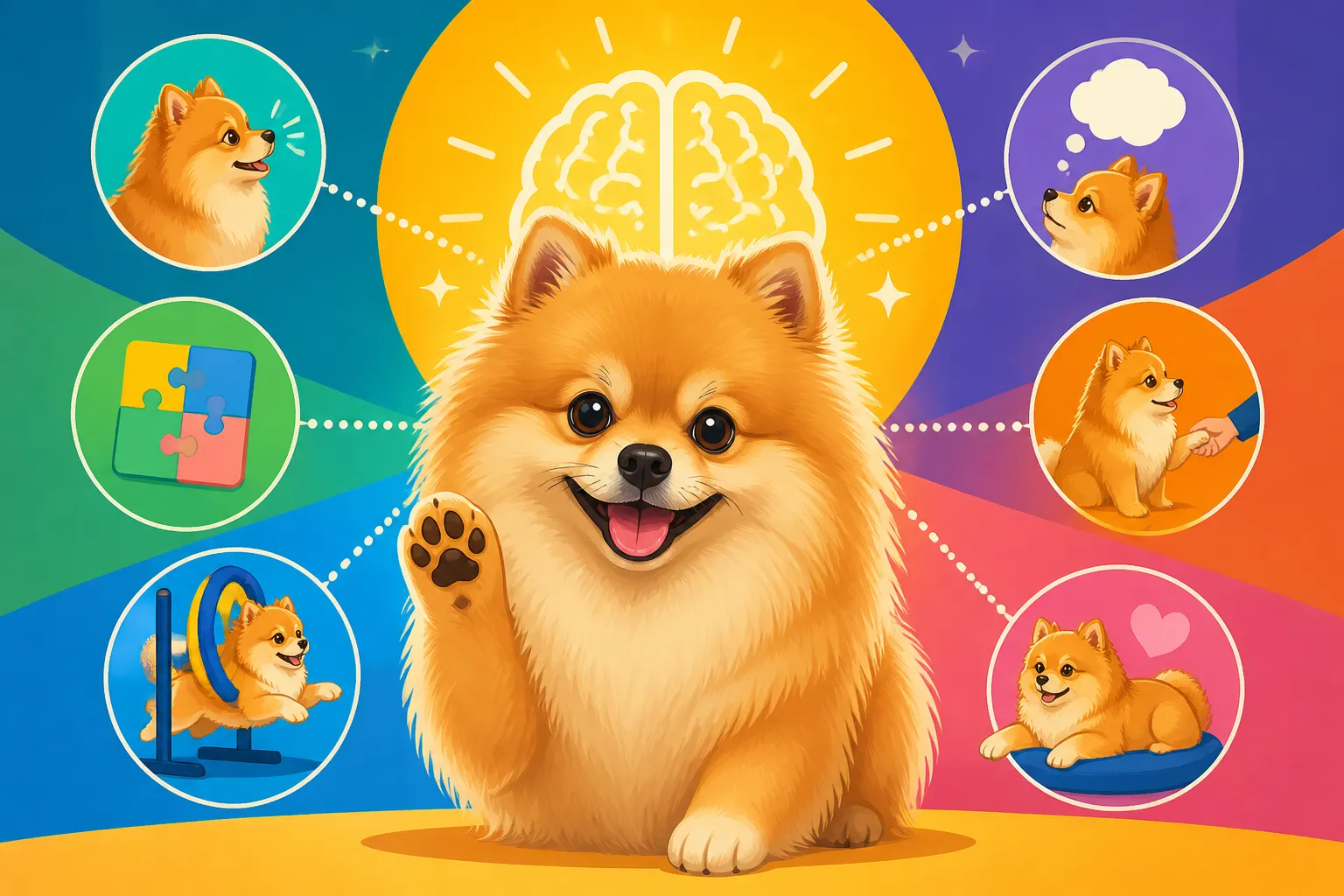
Don't let their small stature fool you; Pomeranians are absolute sponges for learning advanced tricks and skills. Their keen intelligence, combined with their desire to please (especially for the right reward!), makes them excellent candidates for a wide range of activities that go far beyond basic obedience. If you're looking to truly challenge your Pom's "Spitz brain," there's a whole world of possibilities waiting to be explored.
Agility, Rally, and Other Dog Sports
Many people are surprised to learn that Pomeranians excel in dog sports like agility and rally obedience. Agility, with its tunnels, jumps, and weave poles, plays right into their natural athleticism, quick thinking, and desire to follow a leader (when the leader is clear and rewarding!). Their compact size and nimbleness actually give them an advantage on many courses, allowing them to zip through obstacles with incredible speed. It's a fantastic way to burn off both physical and mental energy. Whether a Pomeranian Enjoys Agility isn't a question of capability, but of finding the right instructor and making it a positive, fun experience.
Rally obedience, on the other hand, combines obedience exercises with a course that the dog and handler navigate together, performing various skills at different stations. It requires teamwork, focus, and precision. Poms, with their desire for engagement and their ability to learn complex sequences, often thrive in rally. These sports not only build confidence in your dog but also deepen the bond you share, as you work together towards common goals. It’s truly incredible to watch a little Pomeranian navigate a full agility course with purpose and joy.
Complex Chains and Problem-Solving Games
Beyond formal sports, Pomeranians can learn incredibly complex chains of behaviors. You can teach them to retrieve specific items by name ("Go get your red ball!"), to put their toys away in a basket, or even to perform multi-step routines. The key is breaking down the desired behavior into tiny, achievable steps and rewarding each successful approximation. They are smart enough to connect these steps into a longer sequence once they understand the "game."
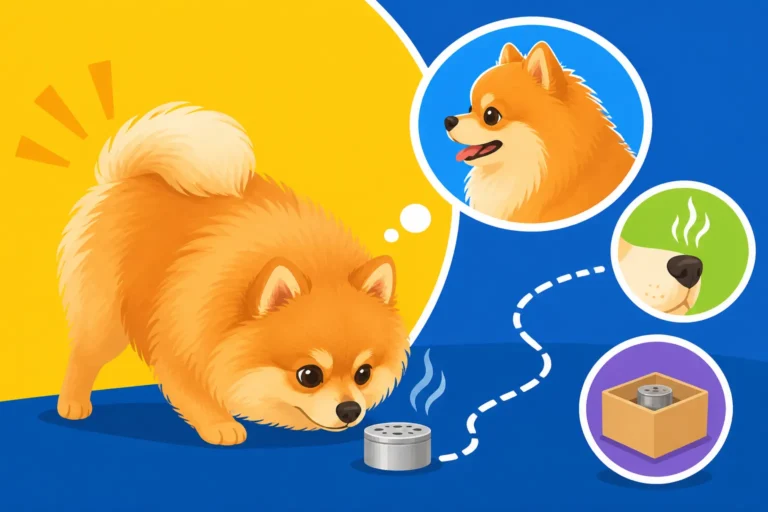
Problem-solving games are also fantastic for stimulating their Spitz minds. Think about puzzle toys where they have to manipulate parts to get a treat, or scent games where they use their noses to find hidden rewards. Items like snuffle mats or treat-dispensing toys, readily available on platforms like Amazon, are wonderful for this. These activities tap into their natural curiosity and provide a valuable outlet for their intelligence, preventing boredom and potential destructive behaviors. Providing these kinds of mental challenges keeps their brains sharp and their spirits high.
Addressing Common "Behavioral" Challenges Through Training
Many behaviors that owners label as "problems" are, in fact, perfectly natural dog behaviors that simply aren't compatible with human living. For a Pomeranian, these can often be traced back to their Spitz heritage and their acute intelligence. The good news is that with the right training approach, patience, and understanding, most of these challenges can be effectively managed and even transformed into more desirable behaviors. It's all about redirecting that clever "Spitz brain" towards positive outlets.
Managing the Mighty Pomeranian Bark
Ah, the Pomeranian bark. It's legendary, isn't it? For such a small dog, they possess a surprisingly powerful and persistent vocalization. Often, this is rooted in their ancestral role as alarm barkers. They are highly alert and feel it's their job to tell you about everything – the mail carrier, the squirrel, the leaf, the neighbor's cat, the distant siren, or simply the fact that you stopped petting them. The Doorbell and the Pomeranian Response is a classic example. It's not malicious; it's instinct.
Managing this requires a multi-faceted approach. First, identify the triggers. Is it every time someone walks by the window? Every new sound? Then, work on desensitization and counter-conditioning. For example, when the doorbell rings, instead of letting them bark, immediately reward them for quietness with a high-value treat. You can also teach them a "speak" command and then a "quiet" command, giving them an outlet for their barking and then teaching them when to stop. Consistency is key here, and remember, a bark collar is generally not recommended for a Pomeranian due to their delicate windpipes.
Overcoming House Training Hurdles
House training a Pomeranian can sometimes feel like an uphill battle, leading many owners to believe their little one is difficult or "just can't get it." This is often a misunderstanding of their tiny bladders, their quick metabolism, and sometimes, the sheer convenience of finding a hidden spot indoors. Why House Training a Pomeranian Drags On isn't usually due to a lack of intelligence, but often a lack of consistent, clear guidance from their humans. They are perfectly capable of learning where to go, but they need an impeccable routine and constant supervision, especially as puppies.
Successful house training hinges on frequent potty breaks, especially after waking, eating, and playing. Positive reinforcement is crucial: lavish praise and a special treat immediately after they go to the bathroom outside. Avoid punishment for accidents, as this can make them fearful of eliminating in front of you, leading to more sneaky indoor accidents. Consider setting up a designated potty area in your yard or using indoor pads initially, then gradually transitioning to outside only. A consistent schedule and learning to read their subtle signals (like sniffing around or circling) will make a huge difference.
The Role of Socialization and Mental Stimulation
A truly well-adjusted, confident, and trainable Pomeranian isn't just one who knows a lot of tricks; it's one whose "Spitz brain" has been adequately stimulated and whose social experiences have been broad and positive. Just like a human child, a Pomeranian needs exposure to the world, opportunities to learn new things, and plenty of mental exercise to prevent boredom and foster a resilient temperament. Neglecting these aspects can lead to fearfulness, reactivity, or destructive behaviors, regardless of how intelligent they naturally are.
Early Exposure and Continued Learning
Socialization is paramount, especially for a small breed that can easily become overwhelmed or fearful if not properly introduced to a variety of sights, sounds, people, and other animals. Starting early, during their critical puppyhood window, is ideal. This means carefully managed positive exposures to different surfaces, noises, hats, umbrellas, children, friendly adults, and other well-vaccinated, calm dogs. Puppy classes are excellent for this, providing a safe and structured environment for them to learn appropriate social skills. Consider enrolling your Pom in classes to help with Puppy Class Fees for a Three Pound Pomeranian.
But socialization isn't a one-and-done event. It needs to continue throughout their lives. Regular outings to dog-friendly stores, walks in new neighborhoods, or visits to friends' houses keep their minds engaged and prevent them from becoming stagnant or fearful of novelty. Continued learning, whether it's practicing known commands or teaching new ones, also keeps their intelligence sharp. A well-socialized Pomeranian is generally a more confident and adaptable one, making them a joy to live with.
Enrichment Activities for a Sharp Spitz Mind
Pomeranians need more than just physical exercise; they crave mental stimulation. A bored Pomeranian is often a creative Pomeranian, and their creativity might not always align with your household rules (think chewing things they shouldn't, or relentless barking). Providing a variety of enrichment activities is essential for their mental well-being and prevents them from finding their own, less desirable, forms of entertainment.
Consider a rotation of puzzle toys, which encourage them to use their brains to get a treat. Brands available on Amazon offer a wide range of options, from simple sniff mats to more complex contraptions. Scent games, where you hide treats around the house for them to find, tap into their natural hunting instincts. Interactive play sessions, like fetch or tug (played constructively), not only provide physical exercise but also mental engagement as they respond to your cues. Even just letting them sit by a window where they can safely observe the world outside can be mentally stimulating. These activities truly help keep their intelligent Spitz brains healthy and happy.
Finding the Right Training Resources and Support
You've got an intelligent Pomeranian with a fantastic "Spitz brain," and you're ready to harness that potential. But how do you go about it? Finding the right training resources and support is crucial for building a strong foundation and addressing any specific challenges that might arise. It's about empowering you as the owner to effectively communicate with and guide your clever little companion.
Choosing a Training Method That Resonates With a Pomeranian
Pomeranians, like all dogs, respond best to positive reinforcement. This means rewarding desired behaviors with something they love – treats, praise, toys, or even a quick game of tug. Harsh corrections, scolding, or punishment-based methods are not only ineffective for a sensitive and intelligent breed like a Pom, but they can also damage your bond and lead to fear or anxiety, which can manifest as aggression or further behavioral issues. Instead, focus on making training a positive, rewarding experience that your Pomeranian actively wants to participate in.
Clicker training is an excellent method for Pomeranians because it provides clear, instantaneous feedback. The click marks the exact moment they perform the correct behavior, followed by a reward. This precision helps their smart brains quickly understand what you're asking. Short, frequent sessions are more effective than long, drawn-out ones, keeping their attention and enthusiasm high. Consistency across all family members is also paramount; everyone needs to be on the same page with commands and expectations.
When to Seek Professional Guidance
Even the most dedicated owner can encounter a training roadblock, and there's absolutely no shame in seeking professional help. In fact, it's a sign of a responsible owner who wants the best for their dog. If you're struggling with persistent issues like excessive barking, aggression towards other dogs, or severe separation anxiety A Pomeranian That Screams the Moment You Leave, a certified professional dog trainer or a veterinary behaviorist can provide invaluable guidance. Sometimes a dog's behavior might have underlying medical causes, so always consult your vet first to rule those out.
Look for trainers who use positive reinforcement methods and have experience with small breeds. An online program like BAXTER & Bella can be a great starting point for foundational training and behavioral issues, offering a structured curriculum and access to trainers. For more complex or ingrained problems, an in-person behaviorist might be needed. Remember, professional help isn't a failure; it's an investment in your Pomeranian's well-being and a calmer, happier household for everyone. Understanding What a Behaviorist Charges for a Barking Pomeranian can help you budget for this important step.
Smart Solutions for Your Pomeranian's Active Mind
To sum up, your Pomeranian's "Spitz brain" is a gift, not a challenge. Embracing their intelligence, independence, and alert nature allows you to provide them with the mental stimulation and clear guidance they need to thrive. Here's a quick look at how their traits influence different types of learning:
| Learning Type | Pomeranian Trait Advantage | Common Challenge | Effective Training Approach |
|---|---|---|---|
| Obedience Commands | Quick learners, eager for rewards | Independent streak, short attention | High-value rewards, short fun sessions, clear cues |
| House Training | Can learn quickly with routine | Small bladder, stealthy accidents | Frequent breaks, lavish praise for outdoor success, routine |
| Problem Solving | Naturally curious, persistent | Can devise "bad" solutions too | Puzzle toys, scent games, rewarding good choices |
| Socialization | Observant, adaptable (with exposure) | Can be fearful/reactive if isolated | Early, positive, diverse exposures, continued practice |
| Trick Training | Enjoys engagement, intelligent | May get bored if repetitive | Keep it fun, interactive, mix up tricks, use clicker |
By understanding these nuances, you'll find that your Pomeranian isn't stubborn, but rather a brilliant little partner waiting for you to unlock their full potential.
Disclaimer
This article is for general informational purposes only and does not constitute professional advice. Laws, prices and regulations vary by location and change over time. Consult a qualified professional for guidance on your specific situation.