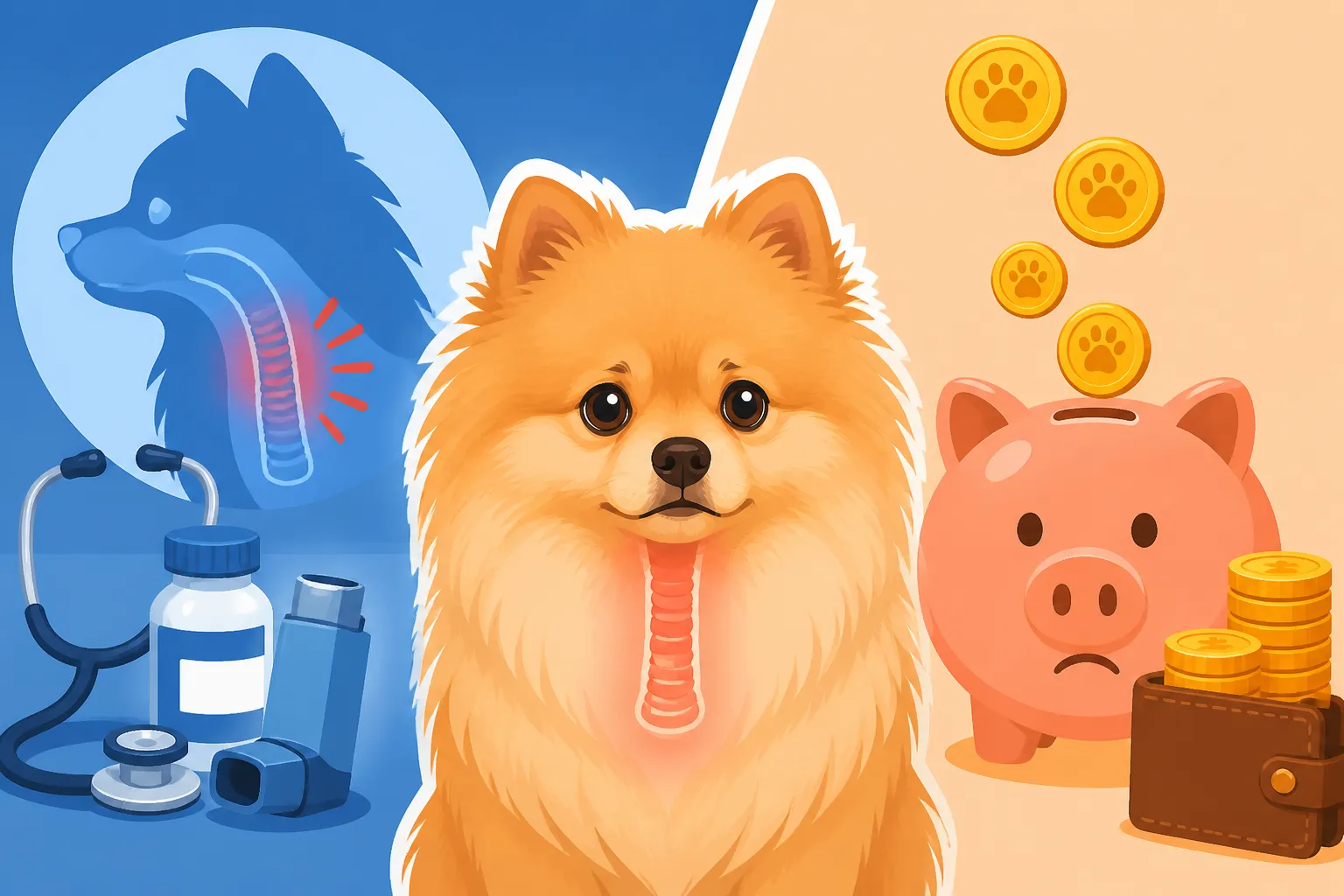
The Cost of Managing a Pomeranian’s Trachea Long Term
That distinct, alarming honking cough from your beloved Pomeranian can send a shiver down any owner's spine. It's not just a passing irritation; for many Poms, it's the tell-tale sign of tracheal collapse, a chronic condition that can leave you feeling helpless and worried. Beyond the emotional toll, managing this condition long-term comes with a significant financial commitment. This guide is here to walk you through the various costs you can expect when caring for a Pomeranian with a collapsing trachea, so you can be prepared and provide the best possible life for your furry family member.
Understanding Tracheal Collapse: More Than Just a Cough
When you first hear that goose-like honk, it's natural to panic. You might wonder if it's just a temporary cough, or something more serious. For Pomeranians, due to their delicate bone structure and breeding history, a collapsing trachea is unfortunately a common reality. It’s a condition where the cartilage rings that normally hold the windpipe open weaken and flatten, making it difficult for air to pass through.
The Progressive Nature of the Condition
One of the hardest truths about tracheal collapse is that it's often a degenerative condition. This means it typically progresses over time, rather than improving or disappearing entirely. It’s not something you "fix" once and forget about. Instead, it requires ongoing management and vigilance. Imagine constantly feeling like you’re breathing through a pinched straw – that’s often what your Pom might be experiencing, especially as the condition advances. The weakening of the tracheal rings usually starts gradually, and while some Poms might show symptoms early, others might not until later in life. The Age a Pomeranian's Trachea Starts Collapsing can vary, but once it starts, the focus shifts to slowing its progression and improving comfort.
As the condition advances, the collapse can become more severe, affecting larger sections of the trachea, and in some cases, even the bronchi (the tubes leading into the lungs). This leads to increased respiratory effort, more frequent coughing, and potentially more serious episodes of respiratory distress. It's a journey, not a sprint, and understanding this progressive nature is key to managing expectations and budgeting for the long haul.
Diagnosing and Initial Assessment Costs
Before you can even begin long-term management, you need a proper diagnosis. This isn't always a straightforward process, as other conditions can mimic a tracheal cough. Your vet will start with a thorough physical examination, listening to your Pom’s chest and often gently palpating their trachea, which can sometimes trigger the characteristic cough. They might also want to do some imaging.
X-rays are usually the first line of diagnostic tools. These can help visualize the trachea, especially during both inhalation and exhalation, to see if the collapse is evident. Sometimes, a single X-ray might not capture the collapse, leading to the need for multiple views or even a more advanced diagnostic called fluoroscopy, which is essentially a real-time X-ray video of your dog’s breathing. This allows the vet to see the trachea collapsing as your dog breathes, coughs, or snorts. These initial diagnostic steps, including vet consultations, radiographs, and possibly sedatives to get good images, all incur costs. It's crucial to rule out other issues, like kennel cough or even heart conditions, that can present with similar symptoms. Telling a Pomeranian's Trachea From Kennel Cough is vital for proper treatment. These initial expenses are just the beginning of your financial commitment to managing this condition.
The Regular Rhythm of Medical Management
Once diagnosed, the day-to-day management of a collapsing trachea often revolves around medication and routine veterinary care. This forms the backbone of controlling symptoms and maintaining your Pomeranian's quality of life.
Daily Medications and Supplements
Many Pomeranians with tracheal collapse will require a cocktail of medications to keep their symptoms under control. These aren't one-off prescriptions; they are often lifelong commitments that require regular refills.
- Cough suppressants: These are frequently prescribed to reduce the frequency and severity of coughing fits, which can irritate the trachea further and perpetuate the cough cycle. Your vet might prescribe options like hydrocodone or butorphanol.
- Anti-inflammatories: Steroids, often given in low doses, can help reduce inflammation and swelling in the airways, making breathing easier.
- Bronchodilators: These medications help to open up the airways, providing relief, especially if there's an element of bronchial collapse or reactive airway disease.
The cost of these medications can accumulate over time. While individual pills might seem inexpensive, a monthly supply adds up. You'll find yourself needing regular refills, and exploring options for cost-effective procurement becomes a smart move. Many owners use reputable online pet pharmacies, sometimes in conjunction with their vet's prescription, to manage these ongoing costs. For example, platforms like Chewy often offer competitive pricing and convenient delivery for prescription medications, which can be a real help when you're stocking up on something your Pom needs daily. Always discuss with your vet before purchasing medications from sources other than their clinic pharmacy. Cough Suppressants for a Pomeranian are a common tool, but their effectiveness can vary, and dosages may need adjustment over time.
Beyond prescriptions, many vets also recommend supplements to support respiratory health, cartilage, or to provide antioxidant benefits. While not always medically necessary, these can add another layer to your monthly expenses.
Routine Vet Visits and Monitoring
Even if your Pomeranian is stable and their cough is well-managed, regular check-ups are non-negotiable. These aren't just for emergencies; they are crucial for proactive care. Your vet will want to monitor the progression of the condition, assess the effectiveness of current medications, and make adjustments as needed.
Typically, you might expect routine visits every three to six months, sometimes more frequently if your Pom's condition is less stable or if new symptoms emerge. Each visit will involve a physical examination, discussions about your dog’s breathing, activity levels, and any changes you've observed at home. These visits allow your vet to catch potential issues early, preventing them from escalating into more severe, and more expensive, crises. Imagine the alternative: waiting until an emergency arises. Those emergency visits are significantly more costly than a planned, routine check-up. These appointments ensure that your Pom's health plan remains optimized for their specific needs as the condition evolves.
Managing Secondary Conditions
Tracheal collapse doesn't always act alone. The chronic irritation and stress on the respiratory system can lead to or worsen other health issues, which in turn, add to your long-term costs.
For example, many Poms with collapsing tracheas develop chronic bronchitis, an inflammation of the bronchial tubes. This can result in additional coughing, phlegm production, and a need for further medications. In severe cases, particularly if bacteria settle in the compromised airways, pneumonia can develop, requiring aggressive antibiotic therapy, nebulization, and potentially hospitalization. Furthermore, the constant strain on the lungs and heart to compensate for restricted airflow can put a greater load on your Pomeranian’s cardiovascular system, sometimes exacerbating or even leading to heart problems.
Each of these secondary conditions will require its own set of diagnostics (e.g., more X-rays, blood tests, or even cardiac evaluations), medications, and specialist consultations, further compounding your expenses. It's a domino effect, and managing the primary tracheal collapse effectively can often mitigate the risk and cost of these secondary complications.
Lifestyle Adjustments and Environmental Control
Beyond medications, creating an optimal environment and adjusting your Pomeranian's daily routine are vital for managing tracheal collapse. These adjustments also come with their own set of costs.
Specialized Equipment and Gear
One of the most immediate changes you'll need to make is ditching the traditional neck collar. A collar puts direct pressure on the trachea, which can trigger a coughing fit or even cause further damage. Instead, a well-fitting harness is essential.
- Harnesses: You'll need to invest in a comfortable, non-restrictive harness that distributes pressure across your Pom's chest and shoulders, completely avoiding the neck. These can range in price, and it's worth getting a good quality one that fits perfectly. You might even need a few over your dog's lifetime as they wear out. Why a Collar Threatens a Pomeranian's Windpipe cannot be overstated, so a harness is not an optional extra, but a mandatory piece of equipment.
- Ramps and steps: Pomeranians are known for their love of jumping on and off furniture. However, the impact from these jumps can put undue stress on their neck and trachea, worsening their condition. Investing in small ramps or steps for beds and sofas can prevent these jarring movements.
- Humidifiers and air purifiers: Dry air can irritate sensitive airways, while allergens or pollutants in the air can trigger coughing. A humidifier, especially in dry climates or during winter, can add moisture to the air. An air purifier can help remove airborne irritants, providing a cleaner, more lung-friendly environment for your Pom. These are upfront costs, but contribute significantly to your dog’s comfort and can potentially reduce the need for more frequent medication.
Diet and Weight Management
Weight management is perhaps one of the most critical, yet often overlooked, aspects of managing tracheal collapse. An overweight Pomeranian will have more fat pushing on its windpipe, making breathing significantly harder and worsening their cough.
Maintaining an ideal body weight means careful attention to diet and portion control. This might involve:
- High-quality food: Investing in a nutrient-dense, high-quality dog food can help keep your Pom satisfied with smaller portions. You might even consider specialized weight management formulas if your vet recommends it.
- Controlled portions: It's easy to overfeed a tiny dog, especially with those adorable begging eyes! Precise measuring of food and limiting treats becomes paramount.
- Regular weigh-ins: Keeping track of your Pom's weight at home with a small pet scale, or at your vet during routine visits, helps ensure they stay within a healthy range.
The cost here isn't necessarily higher-priced food, but rather the discipline and consistency required. If you're looking for controlled, high-quality nutrition, services like Ollie offer fresh, customized meal plans delivered to your door, which can be an excellent way to ensure your Pom is getting perfectly portioned meals tailored to their needs, helping maintain that crucial healthy weight. However, these services typically come with a higher price tag than traditional kibble, so it's a budget consideration. Remember, even a small amount of excess weight can make a big difference in a tiny Pomeranian's breathing. Whether Weight Gain Worsens a Pomeranian's Windpipe is a definite yes, so this is an area where your efforts directly impact your Pom's comfort and long-term health.
Stress Reduction and Controlled Exercise
Excitement, stress, and over-exertion can all trigger a severe coughing episode in a Pomeranian with tracheal collapse. This means you need to adjust their lifestyle to minimize these triggers.
- Calm environment: While Poms can be active, a home environment that minimizes sudden loud noises, excessive rough play, or highly stimulating situations can help.
- Training for calm: Working with a trainer on impulse control and teaching your Pom to settle down quickly can be invaluable. This might be an additional cost, but it's an investment in their long-term well-being.
- Controlled exercise: Gone are the days of long, strenuous hikes. Instead, focus on shorter, gentle walks on a harness. Avoid walks during extreme heat or humidity, as these can exacerbate breathing difficulties. Whether a Pomeranian's Cough Worsens in Heat is a common concern for owners. The goal is regular, moderate exercise that keeps them fit without causing respiratory distress. This might mean investing in indoor games or puzzle toys to provide mental stimulation without physical overexertion.
Preparing for the Unexpected: Emergency and Advanced Care
While daily management aims to prevent crises, the reality is that emergencies can still happen. Being prepared for these situations, both emotionally and financially, is crucial.
Emergency Vet Visits and Hospital Stays
Despite your best efforts, your Pomeranian might experience a severe coughing fit or go into respiratory distress. This is a terrifying experience for any owner, and it means an immediate trip to the emergency vet. These situations are unpredictable and, unfortunately, very costly.
During an emergency, your Pom might need:
- Oxygen therapy: To help them breathe more easily.
- Emergency medications: Stronger cough suppressants, anti-inflammatories, or sedatives to calm them down and reduce breathing effort.
- Overnight observation or hospitalization: If their condition is severe, they may need to stay at the clinic for continuous monitoring and treatment.
The bills for emergency care can quickly escalate, often reaching hundreds or even thousands of dollars for a single incident. Emergency Fees When a Pomeranian Cannot Breathe are a stark reality, and it's essential to understand that these situations require immediate, intensive care that comes at a premium. Having an emergency fund or a robust pet insurance policy can provide immense peace of mind during these critical moments.
Surgical Interventions: Stents and Tracheal Ring Repair
For Pomeranians with very severe tracheal collapse that doesn't respond to medical management, surgery might be considered. The most common surgical option is the placement of a tracheal stent.
- Tracheal stent: This is a wire mesh tube inserted into the collapsed part of the trachea to hold it open. It's a highly specialized procedure, typically performed by a board-certified veterinary surgeon. The cost of a tracheal stent placement is substantial, including the surgery itself, anesthesia (Anesthesia Charges on a Five Pound Pomeranian), pre-operative diagnostics, and post-operative care.
- Tracheal ring repair: In some cases, external rings might be placed to support the trachea, though this is less common for diffuse collapse and often carries its own risks and high costs.
It's important to understand that a stent is not a cure. It's a management tool that can significantly improve a Pom’s quality of life, but it comes with its own set of potential complications, such as stent fracture, granulation tissue formation, or continued cough. There will still be ongoing medical management even after surgery. Tracheal Collapse Surgery Outcomes in Pomeranians vary, and your veterinary surgeon will discuss the pros, cons, and realistic expectations. The decision for surgery is a serious one, both medically and financially, and it's something to discuss thoroughly with your vet and a specialist.
Pet Insurance Considerations
Given the chronic nature of tracheal collapse and the potential for high emergency and advanced care costs, pet insurance is a resource many owners consider invaluable.
- How it helps: A good pet insurance policy can cover a significant portion of veterinary bills for accidents, illnesses, and chronic conditions. This can include regular medication, diagnostics, emergency visits, and even surgical interventions.
- Pre-existing conditions: This is the critical detail: most pet insurance policies will not cover conditions that were diagnosed before you purchased the policy or during a waiting period. This means it's best to get pet insurance for your Pomeranian as early as possible, ideally when they are a puppy, before any signs of tracheal collapse emerge.
- Policy details: Always read the fine print. Look for policies with good coverage for chronic conditions, a high reimbursement rate, and a manageable deductible. Companies like Healthy Paws are often mentioned by owners seeking comprehensive coverage for long-term health issues, but it's vital to research any provider's specific terms regarding chronic conditions and waiting periods. Whether a Policy Covers a Pomeranian's Trachea will depend entirely on when the policy was enacted relative to the diagnosis. Don't wait until your Pom is showing symptoms to consider insurance; by then, it may be too late for coverage of this specific condition.
Summary of Potential Long-Term Costs
Managing a Pomeranian with tracheal collapse is a lifelong commitment, and the costs can fluctuate significantly based on the severity of the condition and the chosen treatment plan. Here’s a general overview of the types of expenses you might encounter:
| Category | Description | Frequency | Potential Cost Impact |
|---|---|---|---|
| Diagnostics | Initial vet exams, X-rays, fluoroscopy, blood tests to confirm diagnosis | Initial, then as needed | Moderate to High |
| Medications | Cough suppressants, anti-inflammatories, bronchodilators, antibiotics | Daily/Monthly | Moderate to High |
| Supplements | Respiratory support, joint care, antioxidants | Daily/Monthly | Low to Moderate |
| Routine Vet Visits | Follow-up exams, monitoring condition, medication adjustments | Quarterly/Bi-annually | Low to Moderate |
| Specialized Equipment | Harnesses, ramps, steps, humidifiers, air purifiers | One-time/As needed | Low to Moderate |
| Dietary Management | High-quality food, prescription diets, portion control, weight management | Daily/Monthly | Low to Moderate |
| Behavioral Training | To reduce excitement and stress | As needed | Low to Moderate |
| Emergency Care | Urgent vet visits, oxygen therapy, hospitalization, crisis medications | Unpredictable | High |
| Surgical Procedures | Tracheal stent placement, post-op care, specialist consultations | One-time (if chosen) | Very High |
| Pet Insurance Premiums | Monthly payments for coverage | Monthly | Low to Moderate |
As you can see, the financial commitment for a Pomeranian with a collapsing trachea is substantial and ongoing. It requires a thoughtful approach to budgeting and a deep commitment to their well-being. But with careful planning, proactive veterinary care, and loving home adjustments, you can help your precious Pom live a comfortable and happy life, minimizing those heartbreaking honking coughs as much as possible.
Disclaimer
This article is for general informational purposes only and does not constitute professional advice. Laws, prices and regulations vary by location and change over time. Consult a qualified professional for guidance on your specific situation.