What Insuring a Young Pomeranian Runs Monthly
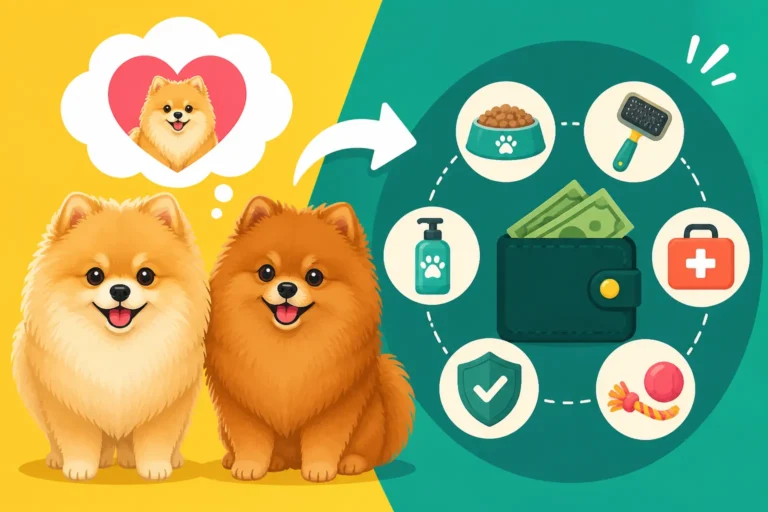
Bringing a new Pomeranian into your life is an absolute joy, but it also comes with a lot of considerations, especially when it comes to their long-term health and the associated costs. One big question that often pops up is about pet insurance for these little fluffballs, and specifically, what kind of monthly commitment you're looking at when insuring a young Pomeranian. It can feel like a maze trying to figure out premiums, coverage, and what's truly best for your tiny companion, but this guide is here to break down all the factors that influence those monthly insurance costs so you can make an informed decision for your beloved Pom.
The Unique Factors Influencing a Young Pomeranian's Insurance Premiums
When you’re looking into insuring your precious young Pomeranian, it’s not just about their adorable face. Insurance providers look at a whole host of factors, and many of these are directly tied to the unique characteristics of the breed itself. Understanding these can help you anticipate what your monthly premiums might look like.
Breed-Specific Health Concerns and Their Impact
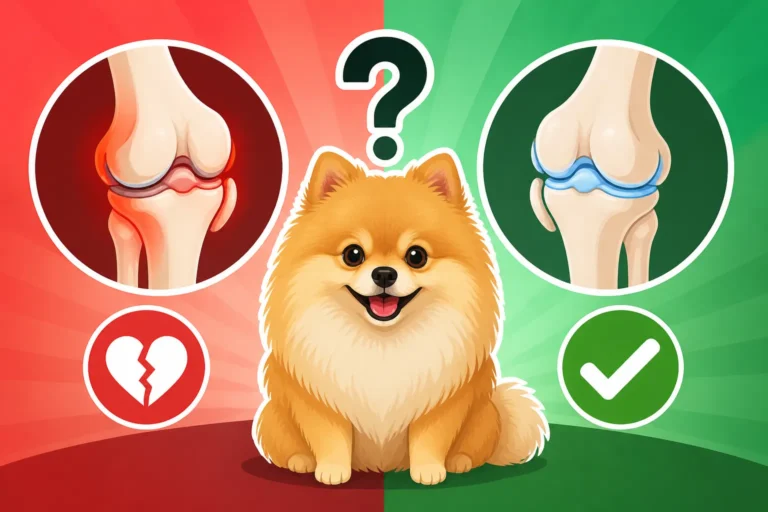
Pomeranians, for all their charm, are predisposed to certain health conditions that insurance companies definitely take into account. We love them fiercely, but we also have to be realistic about these potential vulnerabilities. Conditions like luxating patellas – those slipping kneecaps that can cause a skip in their step – are quite common. Then there's the notorious tracheal collapse, which can lead to that distinctive honking cough we sometimes hear. The Honking Cough of a Pomeranian's Collapsing Windpipe is a serious concern for many Pom parents. Dental disease, in a mouth so tiny and often crowded, is another big one; it's practically a given for many Poms as they age. And let's not forget about The Heart Defect Found in Pomeranian Puppies, like Patent Ductus Arteriosus (PDA), which can sometimes be detected early on.
While a young Pomeranian might not be showing symptoms of these conditions yet, the mere fact that they are a Pomeranian means the statistical likelihood is higher than for some other breeds. Insurance companies use this breed-specific data to help calculate risk, and thus, your premiums. They're essentially preparing for the possibility that these issues could arise later down the line. It's a pragmatic approach, albeit one that can feel a bit unfair when your puppy is bouncing around seemingly invincible. Providers like Healthy Paws, for example, build their models around these known breed predispositions.
Age and the Start of Coverage
This is where having a young Pomeranian really works in your favor when it comes to insurance. Generally speaking, the younger your dog is when you enroll them, the lower your monthly premiums will be. Why? Because a puppy or young adult is statistically less likely to have developed any serious health conditions yet. This means fewer "pre-existing conditions" for the insurance company to exclude or charge extra for.
The golden rule of pet insurance, especially for breeds with known health predispositions like Pomeranians, is to enroll them as early as possible. If you wait until your Pom is five years old and suddenly starts showing signs of Slipping Kneecaps in a Five Pound Pomeranian or Dental Disease in a Mouth the Size of a Pomeranian's, those issues will likely be classified as pre-existing conditions and won't be covered by a new policy. This can leave you footing significant bills later on. Starting early essentially "locks in" coverage for a broader range of potential future ailments. It’s about being proactive and giving yourself peace of mind throughout The Twelve to Sixteen Years a Pomeranian Lives.
Navigating Coverage Types and Cost Variables
The monthly cost of insuring your young Pomeranian isn't just a flat fee; it's a dynamic figure influenced by the choices you make regarding the type of coverage and how you structure your policy. It’s like picking out a new car – you can go for the basic model, or you can add all the bells and whistles, and the price tag will reflect that.
Accident-Only vs. Accident & Illness Plans
This is usually the first big decision you'll make, and it has a significant impact on your monthly premium.
- Accident-Only Plans: These are typically the most affordable option. As the name suggests, they cover unexpected injuries resulting from accidents. Think about your young Pomeranian happily zooming around the house and then suddenly twisting a paw jumping off the sofa, or perhaps getting into a tussle with a larger dog at the park (which, frankly, is something to be very careful about with Poms!). These plans would generally help with the vet bills for such unforeseen events. However, they don't cover illnesses, chronic conditions, or breed-specific ailments that aren't accident-related. For a breed like a Pomeranian, which has several known genetic predispositions, Why Accident Only Cover Fails a Pomeranian becomes clear quickly.
- Accident & Illness Plans: This is the most comprehensive and, consequently, the more expensive option. These plans cover everything from accidents to a vast array of illnesses, including those breed-specific issues we discussed, like patellar luxation, tracheal collapse, and heart conditions. They also often cover chronic conditions, cancer treatments, and sometimes even behavioral therapies. For most Pomeranian owners, this type of plan offers the most robust safety net. Given the potential for issues like The Honking Cough of a Pomeranian's Collapsing Windpipe or early-onset dental problems, the peace of mind offered by an accident and illness plan is often worth the higher monthly investment.
Some providers also offer Wellness Add-ons or separate wellness plans. These aren't typically rolled into the core accident & illness premium but can be purchased to cover routine care like vaccinations, annual check-ups, and preventative dental cleanings. While they add to your overall monthly cost, they can help budget for routine expenses that every Pomeranian needs.
Deductibles, Reimbursement Rates, and Annual Limits
These three elements are like levers you can pull to adjust your monthly premium. They determine how much you pay out of pocket versus what the insurance company covers.
- Deductible: This is the amount you pay first before your insurance coverage kicks in. You can usually choose from various deductible amounts (e.g., a few hundred dollars to over a thousand dollars). A higher deductible generally means a lower monthly premium, because you're agreeing to cover more of the initial costs yourself. For example, if your Pomeranian needs treatment for a minor injury costing $500 and you have a $250 deductible, you'd pay $250, and the insurance would cover a percentage of the remaining $250.
- Reimbursement Rate: This is the percentage of eligible vet costs that the insurance company will pay back to you after your deductible has been met. Common reimbursement rates are 70%, 80%, or 90%. If you choose a lower reimbursement rate (e.g., 70%), your monthly premium will likely be lower because the insurance company pays out less. Conversely, a higher reimbursement rate (e.g., 90%) means a higher premium. The Deductible That Suits a Pomeranian and your chosen reimbursement rate should align with your comfort level for out-of-pocket expenses.
- Annual Limit: Most plans have an annual limit, which is the maximum amount the insurance company will pay out in a given policy year. This could range from a few thousand dollars to unlimited coverage. Plans with lower annual limits tend to have lower monthly premiums, as the insurance company's potential payout is capped. However, for a serious illness or multiple conditions, these limits can be reached surprisingly quickly. Imagine your young Pom needing surgery for Slipping Kneecaps in a Five Pound Pomeranian and then developing a respiratory issue; those bills add up. It's crucial to consider if a lower limit truly offers enough protection.
Let’s look at how these choices create different premium levels:
| Coverage Choice | Impact on Monthly Premium | Your Out-of-Pocket Cost |
|---|---|---|
| Accident-Only Plan | Lowest | High for illnesses |
| Accident & Illness Plan | Higher | Lower for illnesses |
| Higher Deductible | Lower | More on initial claims |
| Lower Deductible | Higher | Less on initial claims |
| Lower Reimbursement (e.g., 70%) | Lower | More on claims |
| Higher Reimbursement (e.g., 90%) | Higher | Less on claims |
| Lower Annual Limit | Lower | Risk of maxing out |
| Higher/Unlimited Annual Limit | Higher | Less risk of maxing out |
Geographic Location and Provider Choices
Where you live and which company you choose to insure your Pomeranian with also play a substantial role in determining your monthly premiums. It's not just about the dog; it's about the entire ecosystem of veterinary care in your area and the competitive landscape of insurance providers.
How Your Address Affects Premiums
Just like human health insurance, pet insurance premiums can vary significantly based on your geographical location. This isn't arbitrary; it's directly tied to the average cost of veterinary care in your area. For instance, if you live in a bustling metropolitan area like New York City or Los Angeles, where the cost of living (and consequently, the cost of veterinary services, rent for clinics, and staff wages) is higher, your pet insurance premiums will likely reflect that. Vets in these areas often charge more for routine visits, diagnostics, and procedures than their counterparts in more rural or less expensive suburban regions.
Insurance companies factor these regional veterinary costs into their pricing models. If a typical knee surgery for a Pomeranian in one city costs twice as much as it does in another, the insurance provider in the higher-cost area has to set their premiums accordingly to cover those potential payouts. So, don't be surprised if a friend in another state pays a different monthly rate for a seemingly identical policy for their young Pom; your zip code really does matter.
Comparing Different Insurance Providers
This is perhaps one of the most crucial steps in finding the right policy and managing your monthly costs. The pet insurance market has grown, and there are many providers out there, each with their own pricing structures, coverage specifics, and reputations. What Pet Insurance Runs on a Pomeranian for one company might be quite different for another.
- Get Multiple Quotes: Don't settle for the first quote you receive. It's highly recommended to get quotes from at least three to five different providers. Platforms often feature comparisons, and some providers, like Healthy Paws, allow you to get a quick estimate online. You might even find pet insurance options integrated into broader pet supply sites like Chewy, making comparison shopping more convenient. Each company assesses risk a little differently, so their pricing for your specific young Pomeranian can vary.
- Scrutinize the Fine Print: Beyond the monthly premium, delve into the details of what each policy covers, especially concerning breed-specific conditions. Does Whether a Policy Covers a Pomeranian's Trachea fully cover it? What about Whether a Pomeranian's Knees Count as Pre-Existing if it's diagnosed after enrollment but before symptoms? Some companies have specific waiting periods for orthopedic conditions, for example, which is vital for a Pom.
- Check Reviews and Customer Service: A lower premium isn't worth it if the claims process is a nightmare or customer service is nonexistent. Look for reviews and feedback on how responsive and fair different providers are. While some pet-focused brands like Ollie are primarily known for food, they often partner with or recommend insurance providers, highlighting the integrated approach many companies are taking to overall pet wellness.
- Consider Customization: Many providers allow you to customize your plan by adjusting deductibles, reimbursement rates, and annual limits, as discussed earlier. Play with these options to see how they affect your monthly premium and find a balance that fits your budget and risk tolerance. You want to feel confident that you’ve explored all the angles.
Maintaining Coverage and Managing Future Costs
Once you've chosen a policy for your young Pomeranian, the journey doesn't end there. Understanding how coverage evolves and how to make the most of your investment is key to managing costs over their lifetime.
The Impact of Claims and Renewals
Pet insurance isn't like car insurance where a claim might automatically spike your rates. Most pet insurance providers operate on a different model: your premiums generally increase incrementally each year as your Pomeranian ages. This is because older dogs naturally have a higher risk of developing health issues, regardless of whether you've filed claims or not. However, if your Pomeranian develops a chronic condition that requires ongoing treatment, that condition will continue to be covered under your existing accident and illness policy (as long as it wasn't pre-existing when you enrolled). This is a huge benefit and a primary reason why many owners choose insurance.
It’s important to understand that if you cancel your policy and then try to get a new one later, any conditions diagnosed under the old policy or developed in the interim would be considered pre-existing by the new provider. This could mean they won't be covered, or you might face higher premiums. This is a common pitfall people face, which is why consistent, uninterrupted coverage from a young age is so valuable for a Pomeranian. Keep a close eye on your renewal notices, and don't hesitate to contact your provider if you have questions about any changes to your premium or coverage terms.
Lifetime Value and Peace of Mind
While the monthly cost of insuring a young Pomeranian might seem like just another bill, it's truly an investment in their long-term health and your financial peace of mind. Think about the potential for unexpected emergencies. A sudden accident, even for a young, energetic Pom, can result in thousands of dollars in veterinary bills overnight. For instance, if your Pomeranian needs an emergency visit for a sudden choking incident or a fall, Emergency Fees When a Pomeranian Cannot Breathe can be substantial. Knowing that you have coverage can alleviate the impossible choice between your dog's health and your bank account.
Furthermore, early enrollment helps to avoid the heartbreak of a beloved pet developing a chronic condition that then becomes uninsurable. Imagine discovering your Pom has early-stage Dental Disease in a Mouth the Size of a Pomeranian's or a tendency for Slipping Kneecaps in a Five Pound Pomeranian when they're just a few years old. If you'd waited to insure them, these issues might be excluded. By insuring them when they're young and healthy, you ensure that future breed-specific issues are covered, providing a lifeline for their care. This proactive approach allows you to focus on loving and caring for your Pomeranian, rather than constantly worrying about the financial implications of their health. It truly is about protecting your furry family member for How Long a Well Bred Pomeranian Actually Lives.
Disclaimer
This article is for general informational purposes only and does not constitute professional advice. Laws, prices and regulations vary by location and change over time. Consult a qualified professional for guidance on your specific situation.