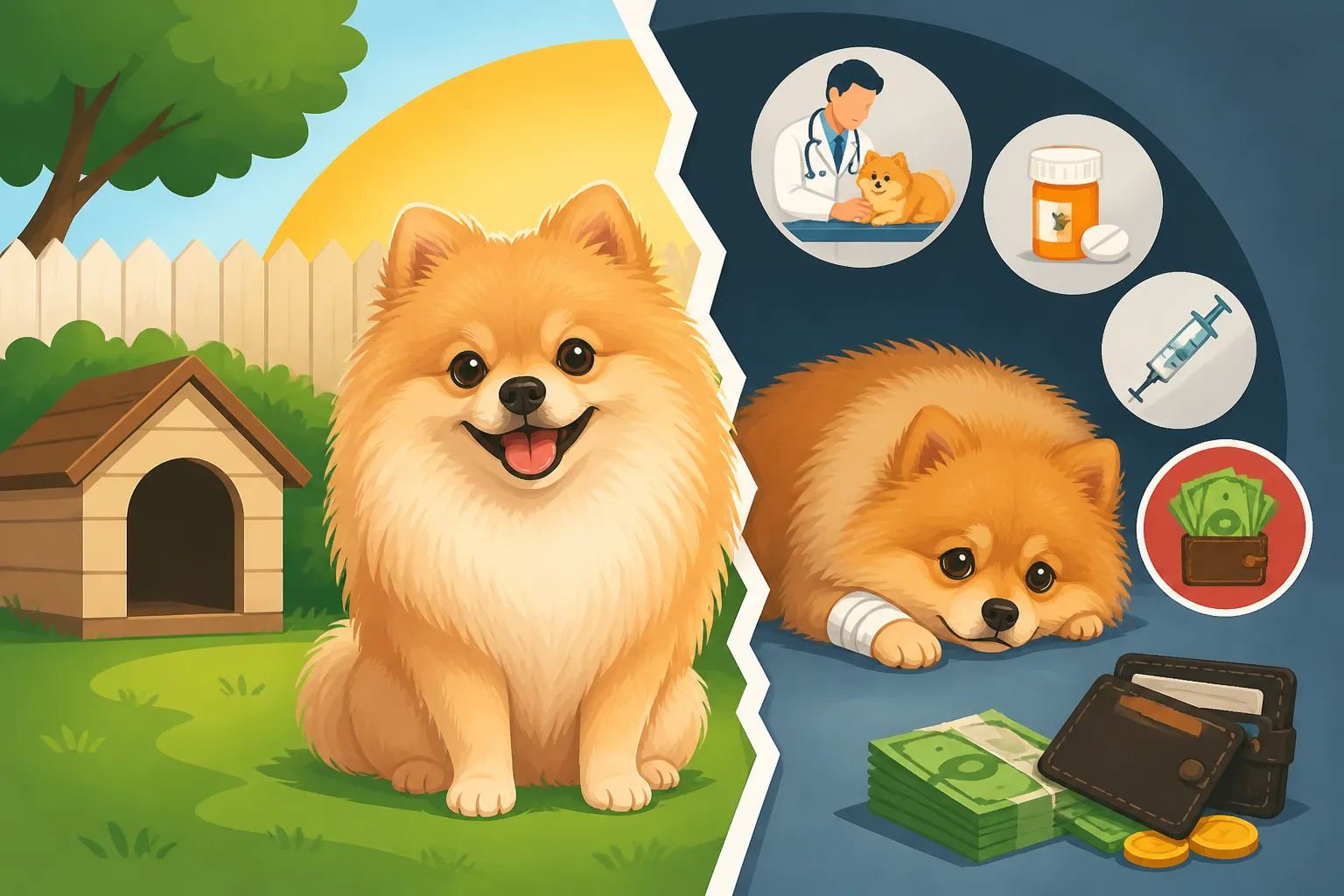
What a Backyard Bred Pomeranian Costs Later
It’s a heart-wrenching reality many hopeful Pomeranian owners face: the initial thrill of a seemingly "good deal" on a puppy can quickly dissolve into a quagmire of unexpected, expensive, and emotionally draining challenges down the road. This comprehensive guide will pull back the curtain on the true financial and emotional costs that often come with acquiring a backyard-bred Pomeranian, equipping you with the knowledge to understand what you might really be signing up for beyond that tempting low price tag.
The Illusion of Savings: Why a Cheap Pomeranian Isn't Cheap
When you’re looking for a new furry family member, seeing a Pomeranian puppy advertised at a price significantly lower than what reputable breeders ask can feel like a stroke of luck. It's understandable to be tempted by a more accessible upfront cost, especially when considering that a healthy, well-bred puppy can represent a substantial initial investment. The internet is awash with ads that promise purebred Pomeranian puppies for what seems like a fraction of the going rate. But these initial "savings" are almost always an illusion, masking a host of potential issues that will manifest as far greater costs over the dog's lifetime.
The Hidden Costs of Poor Breeding Practices
A reputable breeder invests heavily in the health, temperament, and welfare of their dogs. This includes extensive health testing on parent dogs to screen for genetic conditions common in the breed, providing proper nutrition and veterinary care for the mother and puppies, and ensuring the puppies are raised in a stimulating, clean environment. When these corners are cut, usually to reduce costs, the burden inevitably falls on the new owner. A backyard breeder often skips these vital steps, either out of ignorance or a desire to maximize profit, leading to unforeseen expenses for the unwitting buyer.
Think about it: the reason Why a Health Tested Pomeranian Starts at Fifteen Hundred is because of all the preventative work that goes into ensuring a healthy start. When that work isn't done, the costs don't disappear; they just shift from the breeder to the owner, often with interest.
Missing Health Clearances and Guarantees
One of the biggest red flags with a backyard breeder is the absence of health clearances for the parent dogs. Reputable breeders will gladly provide documentation for hip, elbow, eye, and cardiac screenings, among others, relevant to the Pomeranian breed. A backyard breeder typically has none of this, or offers vague assurances without proof. Furthermore, their health "guarantees" are often weak, short-lived, or nonexistent, leaving you completely exposed if the puppy develops a serious illness shortly after coming home. This isn't just about a potential vet bill; it's about the emotional toll of watching a new puppy struggle and the despair of knowing you're entirely responsible for treatments that could cost thousands.
For example, if your puppy develops The Heart Defect Found in Pomeranian Puppies, a condition that should be screened for, you could be looking at significant diagnostic and treatment costs. Without a solid health guarantee, you're left holding the bag.
Medical Meltdowns: Common Health Issues and Their Hefty Price Tags
Pomeranians, like all purebreds, are prone to certain genetic conditions. Reputable breeders work diligently to minimize these risks through careful selective breeding. Backyard breeders, however, often breed indiscriminately, sometimes even breeding related dogs, which significantly increases the chances of these issues appearing in their puppies. The result? A "cheap" puppy can quickly become a medical money pit, demanding continuous veterinary care, medications, and sometimes even complex surgeries.
Orthopedic Nightmares: Kneecaps and Windpipes
Two of the most common and expensive orthopedic issues in Pomeranians are luxating patellas (slipping kneecaps) and tracheal collapse (a collapsing windpipe).
A puppy from a backyard breeder might show signs of Slipping Kneecaps in a Five Pound Pomeranian as early as a few months old, or it might manifest later as they grow. This condition can range from mild, requiring conservative management like joint supplements and pain medication, to severe, needing surgical correction on one or both knees. Each surgery can cost many thousands of dollars, not including follow-up care and rehabilitation. Imagine your little Pom yelping in pain every time they try to jump, or exhibiting The Skip in a Pomeranian's Back Leg that signals a problem. It's heartbreaking and costly.
Similarly, The Honking Cough of a Pomeranian's Collapsing Windpipe is another genetic predisposition often exacerbated by poor breeding. While some Poms might manage with medication and lifestyle adjustments, severe cases can require a tracheal stent or other surgical interventions, which carry an equally steep price tag. These aren't minor ailments; they are chronic, debilitating conditions that require ongoing veterinary attention and significant financial commitment.
Dental Disasters and Hypoglycemia Risks
Pomeranians have tiny mouths, and even in well-bred dogs, dental care is crucial. However, backyard-bred Poms often have even worse dental conformation, leading to severe crowding, retained baby teeth, and early onset dental disease. This means multiple dental cleanings under anesthesia, often with extractions, throughout their lives. You'd be surprised at Dental Disease in a Mouth the Size of a Pomeranian's and how quickly it can become painful and problematic. While brushing your Pomeranian's teeth daily can help, genetic predisposition can override even the best home care, leading to bills for professional dentals that can easily run into hundreds or even thousands of dollars per procedure over the dog's lifespan.
Furthermore, small, poorly bred puppies are at a higher risk for Blood Sugar Crashes in a Pomeranian Puppy. Hypoglycemia can be life-threatening if not recognized and treated quickly. While diligent feeding and careful monitoring can prevent severe episodes, the initial veterinary visits to diagnose and manage this can add up, not to mention the constant worry. These puppies often lack the robust health of a puppy from a responsible breeder, making them more fragile and prone to these emergency situations.
The Role of Pet Insurance and "Pre-Existing Conditions"
This is where pet insurance, like policies from Healthy Paws, becomes absolutely critical for any dog owner, but especially one considering a Pomeranian. However, a major hurdle for backyard-bred Poms is the issue of "pre-existing conditions." If your puppy shows symptoms of a genetic condition before you get insurance, or even shortly after, that condition may be excluded from coverage. This means if your Pom needs knee surgery for luxating patellas that were present from a young age, your policy might not cover it, leaving you to pay the full cost out of pocket. This financial risk can be immense, potentially wiping out any initial "savings" many times over. It’s a stark reminder that pet insurance is most effective when acquired for a young, healthy puppy before any issues arise.
Behavioral Bottlenecks: Temperament and Training Troubles
Beyond physical health, backyard breeding often neglects temperament. Responsible breeders prioritize breeding dogs with sound, stable temperaments, socializing puppies from birth, and matching them with appropriate homes. Backyard breeders often lack this insight and dedication, leading to puppies with behavioral issues that are difficult and expensive to correct.
Fear, Anxiety, and Aggression
Pomeranians from chaotic or neglectful environments, common with backyard breeders, can develop fear, anxiety, or even aggression. They might be undersocialized, leading to extreme shyness, fear biting, or reactivity towards strangers or other dogs. For instance, a Pomeranian might develop significant separation anxiety or bark excessively at every sound, like The Doorbell and the Pomeranian Response. Addressing these issues often requires professional help from a certified dog trainer or a veterinary behaviorist. These services are not cheap, with consultations and training packages often running into hundreds or thousands of dollars. The ongoing stress on the owner, the disruption to the household, and the potential liability of an aggressive dog add further non-monetary costs.
House Training Hurdles and Socialization Setbacks
Poorly bred puppies might also come from environments where house training was never initiated or consistently reinforced. This can lead to prolonged battles with accidents inside the house, requiring specialized cleaning products, frequent carpet cleanings, and endless frustration. Some owners find Why House Training a Pomeranian Drags On due to these early disadvantages. Furthermore, puppies not exposed to a variety of sights, sounds, and people during their critical socialization period (often missed by backyard breeders) can become fearful and reactive adults. This limits their ability to enjoy walks, visit friends, or even feel comfortable in their own home, leading to a much lower quality of life for both dog and owner.
You might find yourself needing special equipment, like playpens for a Playpens for a Pomeranian Puppy to help with training and safety, adding another layer to the expenses.
The Long-Term Burden: Ongoing Care and Quality of Life
The financial impact of a backyard-bred Pomeranian isn't a one-time hit; it's a cumulative burden that can last throughout the dog's life. From specialized diets to constant medication and frequent vet visits, these dogs often require more intensive, and therefore more expensive, ongoing care than their well-bred counterparts. This isn't just about money; it’s about the emotional toll of constant worry and the limits it can place on your shared life.
Special Diets and Medications
Many health issues prevalent in backyard-bred Pomeranians necessitate special diets or ongoing medications. A Pom with chronic gastrointestinal problems might require a veterinary prescription diet, which often costs more than standard kibble. Brands like Ollie, known for fresh, high-quality, and often customized dog food, could be a great option for sensitive stomachs, but these premium foods come at a premium price. Dogs with collapsing tracheas might need daily cough suppressants and anti-inflammatory drugs. Those with severe allergies might require expensive allergy medications or even injections. These recurring costs become part of your monthly budget, and unlike a one-time surgery, they continue indefinitely. Sourcing these specialized items might mean frequent orders from online retailers like Chewy, which can offer convenience but also add up over time.
Frequent Vet Visits and Emergency Care
It's not uncommon for a backyard-bred Pomeranian to be a "frequent flyer" at the vet's office. Chronic conditions require regular check-ups, medication adjustments, and diagnostic tests. Then there are the emergency visits. A severe hypoglycemic episode, an acute respiratory crisis from tracheal collapse, or complications from dental disease can send you rushing to an emergency clinic, where bills can skyrocket within hours. The cost of Emergency Fees When a Pomeranian Cannot Breathe is a stark reminder of these possibilities. These unexpected emergencies can be financially devastating, especially if pet insurance doesn't cover the underlying condition.
Ultimately, the goal is to provide your beloved pet with the best possible quality of life. This often means making difficult decisions about expensive treatments, particularly when you consider The Eighteen Thousand Dollar Lifetime of a Pomeranian as an average figure. For a backyard-bred dog with multiple health issues, that figure could be significantly higher. It’s a testament to our love for our furry friends that we stretch our budgets, but it's important to go into ownership with open eyes about these potential demands.
Table: Comparing Potential Costs for Well-Bred vs. Backyard-Bred Pomeranians
To give you a clearer picture, here’s a comparison of how costs can diverge depending on your Pomeranian's background. Remember, these are generalized cost shapes and can vary widely.
| Category | Well-Bred Pomeranian (from reputable breeder) | Backyard-Bred Pomeranian (from unknown source) |
|---|---|---|
| Initial Purchase Cost | Higher (e.g., several thousand dollars) | Lower (e.g., a few hundred to a thousand dollars) |
| Health Guarantees | Strong, often for genetic issues, providing peace of mind | Weak or non-existent, owner bears full risk |
| Health Screenings | Parents screened for common conditions (knees, heart, eyes); lower puppy risk | Parents usually unscreened; significantly higher puppy risk |
| Orthopedic Issues | Lower likelihood of severe luxating patellas or tracheal collapse | Higher likelihood and severity, potentially needing expensive surgeries (thousands) |
| Dental Care | Regular maintenance (annual cleanings, good conformation); moderate cost | Frequent issues (crowding, retained teeth, early disease); higher cost (thousands over lifetime) |
| Hypoglycemia Risk | Low, especially after puppyhood | Higher risk, particularly in small puppies; potential emergency vet bills |
| Behavioral Training | Often minimal, for basic obedience; relatively low cost | Potentially extensive for fear/aggression; high cost (hundreds to thousands) |
| Special Diets/Meds | Typically standard food, minimal meds; low ongoing cost | Frequent need for prescription diets or daily meds; moderate to high ongoing cost |
| Pet Insurance Claim | Easier to get full coverage for new issues if bought early | Higher risk of "pre-existing condition" exclusions, limiting coverage |
| Overall Lifetime Cost | Substantial, but predictable and manageable (e.g., around $18,000) | Potentially much higher due to medical crises and behavioral issues, less predictable |
This table isn't meant to scare you, but to illustrate the financial realities. The phrase "The 600 to 6,000 Spread on Pomeranian Puppies" truly highlights the difference in initial outlay, but the hidden costs can quickly invert those figures over time.
A Lifetime of Love: Investing Wisely in Your Pomeranian
Bringing a Pomeranian into your life is a joyful commitment, and they truly give back so much love and companionship. However, overlooking the potential long-term costs of a poorly bred puppy can lead to significant financial strain and emotional heartache. While there's no guarantee against any health issues with any dog, choosing a puppy from a reputable, health-testing breeder drastically reduces the risk of encountering these common, expensive, and often preventable problems.
It's about making an informed decision, understanding that the initial price tag is just the very beginning of your journey together. A lower upfront cost can often be a warning sign, not a bargain. Investing in a well-bred Pomeranian at the outset is often the most financially responsible and humane choice in the long run, setting you and your future furry companion up for a healthier, happier life together.
Disclaimer
This article is for general informational purposes only and does not constitute professional advice. Laws, prices and regulations vary by location and change over time. Consult a qualified professional for guidance on your specific situation.