The Day You Decide for an Old Pomeranian
The time eventually comes for every pet owner, and it's perhaps the most painful part of sharing your life with a beloved animal: recognizing when their quality of life has diminished to a point where the kindest thing you can do is help them find peace. Watching your vibrant Pomeranian, once full of playful mischief, slowly fade can be an agonizing journey, often leaving you wrestling with guilt, doubt, and overwhelming sadness. This guide is designed to help you navigate this heart-wrenching period, offering insights into how to objectively assess your senior Pomeranian's well-being and approach the difficult decision of euthanasia with compassion and dignity.
Recognizing the Subtle Signs It Might Be Time
When your dear Pomeranian has spent years as a vibrant, feisty companion, seeing them slow down is tough enough. But there comes a point where "slowing down" crosses over into persistent discomfort or a significant loss of joy. It's a nuanced line, and often, the earliest indicators are easy to overlook or explain away. We want to believe they're just having an off day, or that a new supplement will turn things around. However, truly observing these subtle shifts is crucial for their well-being, even if it brings painful realizations.
Physical Decline Beyond Management
As Pomeranians age, their bodies naturally start to wear down. You might notice they struggle with things they once did effortlessly. Perhaps they hesitate before jumping onto the sofa, or they can't quite make it up the stairs anymore, even with the help of ramps or steps. While some of these changes can be managed – for example, by ensuring they have comfortable, accessible beds or using a sling for walks – there comes a point where the physical ailments become overwhelming. We might be doing everything we can, from joint supplements to pain medication, but the fundamental decline continues. Their small bodies, which once seemed so robust, become fragile, and simply moving around can become an effort. This is often when you start to notice The First Signs a Pomeranian Is Aging, such as difficulty rising or a reluctance to engage in their usual activities.
It’s not just about mobility, either. You might observe changes in their appetite, or perhaps they start having more accidents in the house. This isn't usually due to a lapse in house training but rather a physical inability to hold it as long, or the discomfort of moving to their designated potty spot. Sometimes, even basic bodily functions become difficult. They might strain to defecate or urinate, or their digestion might simply not be what it used to be. These are all critical indicators that their physical health is impacting their daily existence in a profound way, even when we are Helping an Old Pomeranian Onto the Couch.
Persistent Pain and Discomfort
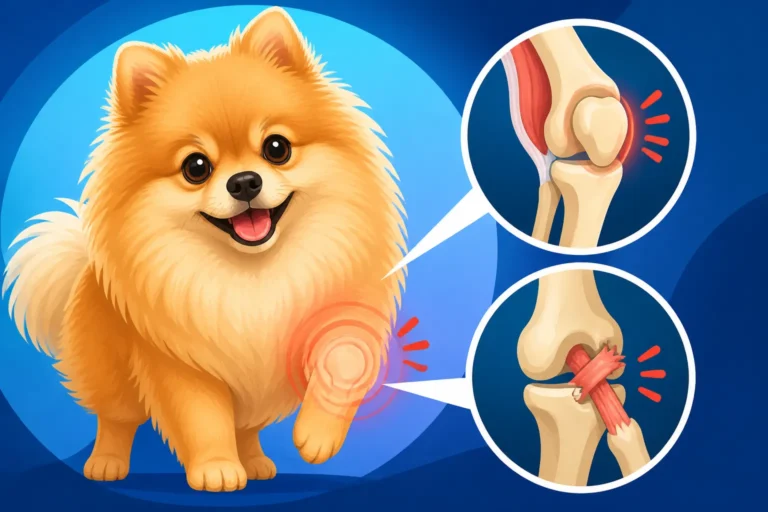
Pain in a Pomeranian, especially an older one, can be incredibly hard to assess. They are masters at hiding discomfort, often due to their instincts as small prey animals. You might not hear a yelp or see an obvious limp. Instead, pain often manifests as changes in behavior. They might become less tolerant of being handled, especially in certain areas. Perhaps they flinch when you try to pick them up, or they suddenly don't want their belly rubbed like they used to. A common issue is Arthritis in a Pomeranian at Ten, which can make every movement an ache.
Beyond obvious lameness, look for subtle signs: a hunched posture, restless pacing, panting when not hot or exercising, difficulty getting comfortable, or an unwillingness to lie down in their usual relaxed positions. They might lick a particular joint excessively, or simply seem withdrawn and less engaged. If they're on pain medication and still showing these signs, it's a clear indication that their discomfort is no longer adequately controlled. It's a cruel reality, but sometimes, despite our best efforts with medication and supportive care, the pain becomes chronic and unmanageable, overriding any moments of peace. An Old Pomeranian That Wanders at Night could also be a sign of discomfort or cognitive dysfunction, indicating a decline in their overall well-being.
Loss of Joy and Quality of Life
This is perhaps the most heartbreaking sign to observe: when your Pomeranian no longer finds joy in the things that once made their tail wag. Think about what truly defines your Pomeranian's personality. Is it greeting you at the door with an excited dance? Chasing a favorite toy? Snuggling on your lap? If these cherished activities diminish or disappear entirely, it speaks volumes about their internal state. An old Pomeranian that typically enjoys mealtime might start turning its nose up at food, or only picking at it. Even if they eat, the enthusiasm might be gone, especially if you are Feeding an Old Pomeranian With Few Teeth.
They might become disengaged from the family, choosing to sleep in another room rather than being with you. An Old Pomeranian That Stops Responding to Its Name might do so not because they're being stubborn, but perhaps due to cognitive decline or a general lack of interest in their surroundings. This isn't just about physical ability; it's about their spirit. Are their eyes still bright and alert, or do they seem dull and distant, perhaps from Clouding Eyes in a Pomeranian Past Ten? Do they still react to your voice with excitement, or do they barely stir? When the spark that makes your Pomeranian your Pomeranian begins to dim, it's a profound indicator that their quality of life has severely deteriorated, regardless of specific physical ailments. Sometimes, they might even seem to lose interest in their favorite toys or treats, which can be particularly telling for a breed known for its spirited nature.
The Emotional Toll on Pet Parents
Making the decision to euthanize a beloved pet is often described as the last act of love, but it's an incredibly heavy burden. The emotional toll it takes on us, as their human companions, is immense. It's not just about grief, which will undoubtedly come, but also about navigating the intense guilt, doubt, and sadness that often precedes the decision itself. We question ourselves endlessly, trying to find another solution, another day, another moment.
Navigating Guilt and Self-Doubt
The guilt can be crushing. We ask ourselves: "Is it too soon? Am I giving up on them? What if they could have had more good days?" This self-doubt is entirely natural, born from the deep love we have for our pets. You’ve likely spent years providing the best possible care, ensuring they get their regular check-ups, maybe even investing in pet insurance like Healthy Paws to cover unexpected health issues or chronic conditions. Now, to be faced with a choice that ends their life feels like a betrayal of that commitment.
It's important to remember that this guilt comes from a place of compassion. You are not choosing to end their life out of convenience, but out of a profound desire to end their suffering. This is a crucial distinction. Our pets trust us implicitly to protect them, and sometimes, protection means sparing them from a future filled with only pain and struggle. Talk to trusted friends, family, or your vet about these feelings. They can often provide an objective perspective and reassurance that you are making a difficult but loving choice. No one wants to regret making the decision too early, but the greater regret is often waiting too long and allowing your cherished companion to endure unnecessary suffering.
Seeking Support and Understanding
This journey is not one you should undertake alone. It's vital to lean on your support system, whether that's your partner, family members, close friends, or even online communities dedicated to pet loss. Many people don't fully understand the depth of the bond we share with our pets, and well-meaning but insensitive comments can sometimes make the pain worse. Seek out those who truly empathize.
Your veterinarian and their staff are also incredible resources. They’ve witnessed countless families go through this and can offer not just medical advice but also emotional support. They can help you understand the stages of your Pomeranian's decline and confirm if the signs you're seeing genuinely point to a diminished quality of life. Don't be afraid to ask them to be brutally honest, even if it hurts. They are there to advocate for your pet's comfort and dignity. Remember, it's perfectly normal to grieve, and there are resources like pet bereavement counseling available if you find yourself struggling deeply. Even with the best pet insurance from providers like Healthy Paws, which helps cover treatments, there are unfortunately times when the best medical care can only delay the inevitable.
Assessing Your Pomeranian's Quality of Life
Objectively assessing a pet's quality of life can feel impossible when your heart is involved. We see them through a lens of love, and every tiny spark of their old self can give us false hope. This is why having tools and consulting with professionals becomes so important.
The HHHHHMM Scale and Similar Tools
To help pet parents evaluate their pet's well-being more objectively, veterinarians often refer to quality of life scales. One popular one is the HHHHHMM scale, which stands for Hurt, Hunger, Hydration, Hygiene, Happiness, Mobility, and "More good days than bad." While it sounds clinical, it's a practical way to systematically observe and score different aspects of your Pomeranian's daily life.
- Hurt: Is their pain adequately controlled? Are they on medication and still showing signs of discomfort?
- Hunger: Are they eating enough? Do they still show interest in food, or do you have to coax them constantly? Feeding an Old Pomeranian With Few Teeth can be particularly challenging.
- Hydration: Are they drinking enough? Are they dehydrated?
- Hygiene: Can they keep themselves clean, or are they having accidents and soiling themselves? Can you easily keep them clean without causing stress?
- Happiness: Do they still enjoy their favorite activities, or do they seem withdrawn and depressed? This goes back to the loss of joy.
- Mobility: Can they move around on their own? Can they get up, walk, and position themselves comfortably? You might be Helping an Old Pomeranian Onto the Couch, but is it still an effort for them to move generally?
- More Good Days Than Bad: This is often the most critical factor. Are the majority of their days filled with moments of peace, comfort, or even fleeting joy, or are the bad days—those filled with pain, confusion, or suffering—outnumbering the good ones?
By giving a score to each of these categories, you can get a clearer, less emotionally clouded picture of your Pomeranian's overall state. It helps put things into perspective beyond just one good moment or one bad day.
| Quality of Life Indicator | High Quality (Score 3) | Moderate Quality (Score 2) | Low Quality (Score 1) |
|---|---|---|---|
| Hurt | No obvious pain, comfortable on meds | Mild pain, manageable with meds | Persistent pain despite meds |
| Hunger | Eats eagerly, consistent appetite | Picks at food, inconsistent | Refuses food, force-fed |
| Hydration | Drinks normally, no dehydration | Drinks less, mild dehydration | Dehydrated, requires intervention |
| Hygiene | Clean, no accidents, self-sufficient | Occasional accidents, needs help | Frequent soiling, difficulty cleaning |
| Happiness | Engaged, playful, seeks interaction | Occasional engagement, withdrawn | No interest, depressed |
| Mobility | Walks, moves easily, some slowing | Struggles, needs assistance, reluctant | Cannot stand/walk, severe difficulty |
| Good Days vs. Bad | Mostly good days, few bad | Equal good and bad days | Mostly bad days, few good |
Scoring: A higher total score (max 21) indicates better quality of life. A consistently low score (e.g., below 7-10) might indicate significant suffering.
Consulting Your Veterinarian
Your vet is your most important ally in this process. They have the medical knowledge and an objective perspective that can be invaluable. Don't hesitate to schedule a dedicated "quality of life" consultation. This isn't just about a routine exam, which your Pomeranian should have adhered to with The Checkup Schedule a Pomeranian Should Keep; it's about an open, honest discussion regarding your Pomeranian's current condition and prognosis. Bring your notes from the HHHHHMM scale or any observations you've made.
During this consultation, your vet can perform a thorough physical exam, evaluate blood work (especially important for monitoring conditions like Kidney Disease in an Aging Pomeranian or The Leaking Valve in an Older Pomeranian's Heart), and discuss diagnostic options if there's any uncertainty. They can also tell you if there are any new treatments or palliative care options you haven't considered. Sometimes, the conversation might shift from "how can we fix this?" to "how can we keep them comfortable?" Your vet can help you understand when the latter becomes the only humane path forward, and when conditions like Congestive Heart Failure in a Pomeranian or advanced Clouding Eyes in a Pomeranian Past Ten begin to truly impede their daily existence. Trust their professional opinion, even if it's difficult to hear. Discuss whether An Old Pomeranian Should Have a Dental is still a viable option, given their overall health.
Making the Decision with Compassion
Once you've exhaustively assessed your Pomeranian's quality of life and consulted with your veterinarian, the decision often becomes clear, albeit profoundly painful. This final act of love is about giving them a peaceful, dignified exit from a body that is no longer serving them.
Euthanasia at Home vs. Clinic
This is a very personal choice, and both options have their pros and cons.
-
At-Home Euthanasia: Many veterinary services now offer in-home euthanasia, and for a small, sensitive breed like a Pomeranian, this can be incredibly comforting. Being in their familiar environment, surrounded by the scents and sounds of home, can significantly reduce stress and anxiety for both your pet and you. They can be in their favorite bed, on your lap, or curled up by the fireplace. The experience is often more private and allows for a less rushed goodbye. This is often the preferred option for pets who are particularly stressed by vet visits or for owners who want to avoid the clinic environment. You can call services like Lap of Love or CodaPet, which specialize in this deeply personal service. Even if you have comprehensive coverage like Healthy Paws, at-home euthanasia costs are often out-of-pocket, but many find the peace of mind worth every penny.
-
Clinic Euthanasia: For some, going to the clinic is more practical or feels more appropriate. Clinics are equipped with all necessary medical supplies and offer a professional, supportive environment. Many clinics have a quiet, dedicated room for euthanasia to ensure privacy and comfort. While it might be more stressful for some pets, a clinic setting ensures that medical support is immediately available if unexpected issues arise, though these are rare. Some clinics also have partnerships with cremation services, simplifying arrangements after the procedure. It's important to choose a clinic where you feel comfortable and supported by the staff.
Regardless of where you choose, plan ahead. Ask about the process, what to expect, and what options are available for aftercare (cremation, burial). Knowing these details in advance can alleviate some stress on the day itself.
Understanding the Process
The euthanasia process itself is typically very peaceful. Your veterinarian will usually explain each step as it happens, allowing you to be present and informed.
- Sedation: Often, the vet will administer a sedative first. This is usually given as an injection, typically in the muscle, and will help your Pomeranian relax, feel drowsy, and eventually fall asleep. This step is crucial for minimizing any anxiety or discomfort during the final stage. Your Pomeranian will slowly drift off, becoming calm and peaceful. You'll have time to cuddle them and say your quiet goodbyes as the sedative takes effect.
- Euthanasia Solution: Once your Pomeranian is deeply sedated and unconscious, the veterinarian will administer the euthanasia solution. This is usually a concentrated anesthetic, often sodium pentobarbital, given intravenously (into a vein, often in a leg). It works very quickly and painlessly, causing the heart and brain to cease function. It's essentially an overdose of anesthesia, allowing your pet to simply "drift away" without pain or awareness.
- Final Moments: During this final injection, your Pomeranian will often take a deep breath or two, and their muscles might twitch. Their eyes will typically remain open. These are natural physiological responses and do not indicate pain or distress; they are simply reflexes as their body shuts down. The vet will then listen for a heartbeat to confirm that your pet has passed.
It's a profound moment, filled with both sorrow and a sense of relief that their suffering is over. Allow yourself to feel whatever emotions come. Your presence is a comfort to your Pomeranian in their last moments, and your love is the greatest gift you can give them.
Caring for Yourself After the Loss
The silence after your Pomeranian is gone can be deafening, and the grief can feel overwhelming. It's crucial to acknowledge this pain and allow yourself to mourn. Your bond with your Pomeranian was unique and profound, and the loss deserves to be honored.
Grieving and Memorializing Your Pomeranian
Grief is not linear, and there's no right or wrong way to experience it. Give yourself permission to feel the sadness, anger, numbness, or even relief. Don't let anyone tell you how long you "should" grieve for a pet. Your pet was family, and the loss is real.
Many people find comfort in memorializing their pet. This can take many forms:
- Cremation or Burial: Deciding on aftercare, whether it's cremation (individual or communal) or burial, can provide a sense of closure. Many cremation services offer an urn with your pet's ashes, a paw print impression, or a lock of fur.
- Creating a Memorial: This could be a photo album, a framed portrait, a special spot in your garden, or even a piece of custom jewelry with their name or image. Some people donate to a local shelter in their pet's name or plant a tree.
- Sharing Stories: Talk about your Pomeranian. Share favorite memories with family and friends who understand. Speaking their name and recounting their antics keeps their spirit alive in your heart.
- Keeping a Routine: While difficult, try to maintain some semblance of your daily routine. This can provide structure when your world feels chaotic.
It’s okay to cry, to miss them, and to feel their absence keenly. Remember, the depth of your grief is a testament to the depth of your love for your little companion.
Finding Resources for Support
You don't have to navigate this grief alone. There are many resources available to help you process your loss:
- Pet Bereavement Hotlines and Support Groups: Many veterinary schools and animal organizations offer phone hotlines or online support groups where you can talk to trained counselors or connect with others who are experiencing similar grief. The Association for Pet Loss and Bereavement (APLB) is an excellent resource, as is the ASPCA.
- Online Communities: Forums and social media groups dedicated to pet loss can provide a sense of community and understanding from people who truly "get it."
- Books and Articles: There are numerous books and articles on pet loss that can offer comfort, validation, and strategies for coping.
- Counseling: If your grief feels overwhelming or prolonged, consider seeking professional counseling. A therapist specializing in grief can provide tools and strategies to help you cope.
Remember, the love you shared with your Pomeranian is a beautiful thing that time cannot erase. While the pain of their absence is acute, eventually, it softens into cherished memories. Focusing on Keeping a Pomeranian Going Past Fourteen means celebrating every moment you shared, even the last, most difficult ones.
Disclaimer
This article is intended for informational purposes only and does not constitute medical advice. Always consult with a qualified veterinarian for any health concerns or before making any decisions regarding your Pomeranian's care.