Whether an Old Pomeranian Should Have a Dental
It's an agonizing question many loving Pomeranian owners face: is it truly safe to put my precious senior Pom under anesthesia for a dental cleaning? The thought of potential risks, especially with an older, smaller dog, can be terrifying, leading many to postpone or even forgo necessary dental care, unknowingly allowing painful infections to fester. This comprehensive guide will walk you through everything you need to know to make an informed decision, weighing the risks against the profound benefits of good oral health for your aging companion.
Understanding the Dental Health Landscape for Senior Pomeranians
As our little fluffballs age, their dental health often becomes one of the most pressing, yet frequently overlooked, concerns. What starts as a minor buildup can quickly escalate into a serious health threat that impacts much more than just their breath.
The Silent Threat of Periodontal Disease
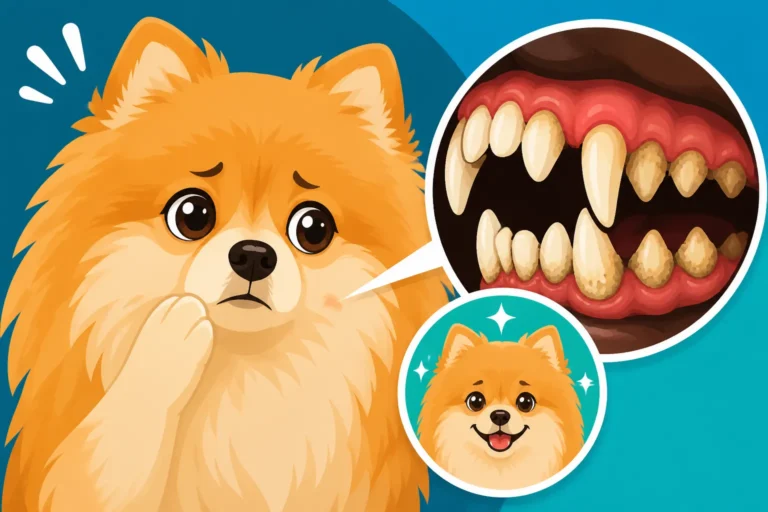
Periodontal disease isn't just a fancy term for bad breath; it's a progressive, painful infection of the gums and the structures supporting your Pomeranian's teeth. In senior Pomeranians, this condition is incredibly common, often exacerbated by years of plaque and tartar accumulation. Their tiny mouths, often crowded with teeth, create perfect nooks and crannies for bacteria to thrive. You might notice your Pom's breath getting worse, maybe some redness along the gum line, or even a visible brown crust on their teeth. But the real danger lies beneath the surface.
This bacterial onslaught doesn't stay confined to the mouth. The constant inflammation and infection can release bacteria into your Pom's bloodstream, circulating throughout their body and potentially wreaking havoc on vital organs. This systemic spread of bacteria can contribute to or worsen conditions like heart disease, kidney disease, and liver issues. It's a silent threat because while the pain and infection might be severe, our stoic Poms often hide their discomfort, making it hard for us to know just how much they're suffering until the problem is advanced. Understanding how deeply serious this can become might change your perspective on Dental Disease in a Mouth the Size of a Pomeranian's.
Recognizing the Signs of Advanced Dental Issues
Sometimes, the signs are subtle, especially if your Pomeranian is a master at masking pain. But there are definite clues that your senior Pom is struggling with advanced dental problems and urgently needs attention. Watch for changes in their eating habits; they might chew only on one side of their mouth, drop food, or suddenly prefer softer kibble or wet food. A complete refusal to eat, or a sudden disinterest in their favorite crunchy treats, is a huge red flag.
Beyond eating, look for visible signs. Red, swollen, or bleeding gums are clear indicators of inflammation. Pus around the gum line, especially if it looks like cottage cheese, signals a serious infection. Loose or missing teeth are also common in advanced cases. Sometimes, you might even notice swelling on their face, particularly under an eye, which could indicate an abscessed tooth. A persistent bad odor, far beyond typical "dog breath," often suggests significant bacterial buildup. If your Pom is displaying any of these symptoms, it’s not just about a cleaning anymore; it’s about addressing a painful, health-compromising infection. You can also learn more about What a Pomeranian's Breath Says About Its Gums.
Assessing the Risks of Anesthesia in Older Pomeranians
The biggest hurdle for most owners considering a dental for their senior Pomeranian is the fear of anesthesia. It’s completely valid to be worried, especially given their small size and age. However, veterinary medicine has come a long way, and modern protocols significantly mitigate these risks.
Pre-Anesthetic Screening and Its Crucial Role
For a senior Pomeranian, comprehensive pre-anesthetic screening isn't just recommended; it's absolutely crucial. Your vet will typically recommend a full panel of blood tests, including a complete blood count (CBC) to check for infection or anemia, and a chemistry panel to assess organ function (kidneys, liver, blood sugar). These tests help ensure that your Pom’s internal organs are functioning well enough to process anesthetic drugs and recover effectively.
Beyond bloodwork, an electrocardiogram (ECG) might be performed to check heart rhythm, and in some cases, chest X-rays may be recommended to evaluate the heart and lungs, especially if a heart murmur has been detected. For a tiny breed like a Pomeranian, understanding Anesthesia Risk in a Four Pound Pomeranian is paramount, and these screenings give your veterinary team the best possible picture of your pet's health, allowing them to tailor the anesthesia plan to minimize risks. They can identify any underlying conditions that need to be managed before anesthesia, ensuring your Pom is as healthy as possible going into the procedure. Many pet insurance providers, like Healthy Paws, emphasize the importance of preventative care and pre-anesthetic testing, often covering the costs of diagnostics that lead to vital treatments.
Modern Anesthesia Protocols and Monitoring
Veterinary anesthesia today is incredibly sophisticated, especially for geriatric and toy breed patients. Instead of older, more unpredictable injectable anesthetics, most practices now utilize inhalant (gas) anesthesia, which allows for precise control over the depth of anesthesia and a much faster, smoother recovery. During the procedure, your Pomeranian will receive intravenous fluids to help maintain blood pressure, support organ function, and provide quick access for emergency medications if needed.
Perhaps most importantly, continuous monitoring is standard. A dedicated veterinary technician will be with your Pom throughout the entire procedure, monitoring vital signs like heart rate, respiratory rate, blood pressure, oxygen saturation (via pulse oximetry), and body temperature. Specialized equipment tracks these parameters in real-time. If any vital sign deviates from the norm, the anesthesia can be adjusted immediately. This level of personalized care and constant oversight makes the process significantly safer than it once was, transforming a once-feared procedure into a routine one for most healthy seniors. It’s comforting to know that clinics are more prepared than ever to handle tiny patients, making that decision a little easier.
Weighing the Benefits Against the Risks: Why Dental Care Matters
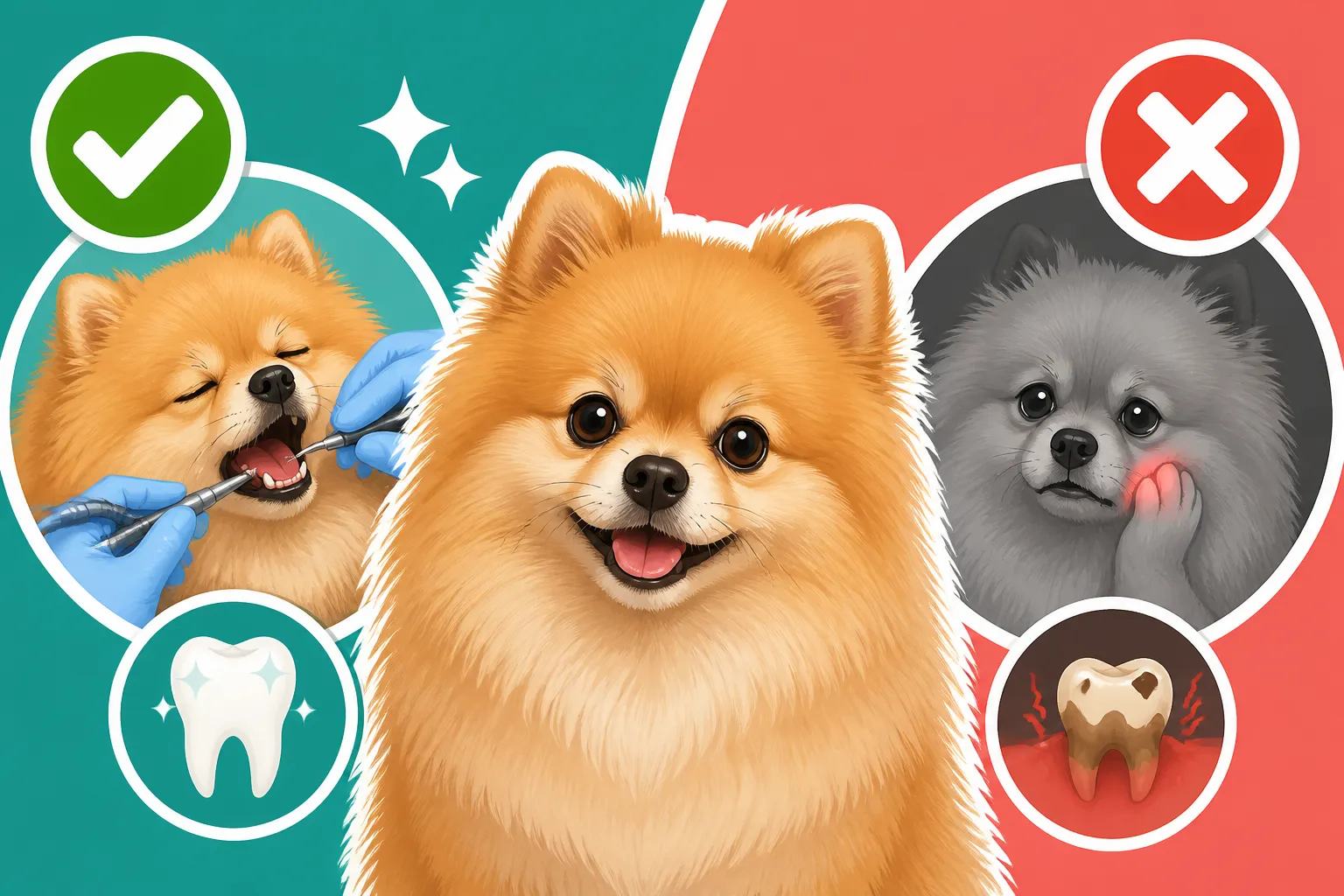
Even with the advancements in veterinary medicine, the decision to put an older Pomeranian under anesthesia for a dental is still a deeply personal one. However, it's crucial to understand just how impactful a healthy mouth is on their overall well-being and lifespan.
Improved Quality of Life and Comfort
Imagine living with a constant toothache, infected gums, or sharp shards of broken teeth in your mouth. That's the reality for many senior Pomeranians with untreated dental disease. They might be in chronic pain, making eating, playing, and even cuddling uncomfortable. After a thorough dental cleaning, which often includes extractions of irreparably damaged teeth, owners frequently report a dramatic improvement in their Pom’s demeanor. They become more energetic, playful, and affectionate. Their appetite returns, and they often gain weight because eating is no longer an ordeal.
Resolving this chronic pain and infection can literally give your beloved senior Pom a new lease on life. They might start playing with toys again, run around with renewed vigor, or simply snuggle closer without flinching. This boost in comfort and happiness isn't just anecdotal; it's a profound change in their daily quality of life, allowing them to fully enjoy their golden years. This can greatly impact Keeping a Pomeranian Going Past Fourteen.
Preventing Systemic Health Complications
As mentioned, the bacteria from severe dental disease don't just stay in the mouth. They can travel through the bloodstream and colonize vital organs. Studies have shown a clear link between advanced periodontal disease and conditions like endocarditis (inflammation of the heart lining), kidney disease, and liver dysfunction. By performing a professional dental cleaning, removing tartar, and addressing infected teeth, you're not just improving their breath; you're actively preventing or slowing the progression of these serious systemic diseases.
Think of it as a crucial preventative measure that can add years to your Pomeranian's life and significantly improve its overall health trajectory. While pet insurance companies like Healthy Paws are there to help with unexpected illnesses, proactive dental care can prevent some of those more severe health crises from ever developing. Regular dental check-ups and cleanings, when needed, are an investment in their long-term health and well-being. This is especially relevant if you are concerned about Kidney Disease in an Aging Pomeranian.
Making the Decision and Preparing for a Senior Dental
The decision about whether to proceed with a dental for an older Pomeranian is never easy, but by gathering information and working closely with your vet, you can make the best choice for your unique companion.
Consulting with Your Veterinarian and Specialists
The most important step is to have an open, honest discussion with your veterinarian. They know your Pomeranian’s medical history best and can assess their current health status through physical examination and pre-anesthetic testing. Don't hesitate to ask every question that comes to mind: What are the specific risks for my dog? What kind of monitoring will be in place? What are the potential complications? How will pain be managed?
In some complex cases, especially if your senior Pom has significant underlying health conditions like a severe heart murmur or advanced kidney disease, your vet might recommend a consultation with a veterinary internal medicine specialist or a veterinary dentist. These specialists have advanced training and equipment to provide even more precise diagnostics and treatment plans, ensuring the safest possible outcome. They can help you understand the severity of the dental disease, the feasibility of the procedure, and any alternative management strategies if anesthesia is deemed too risky. The Checkup Schedule a Pomeranian Should Keep should always include a thorough dental exam.
Here's a table to help you visualize the considerations:
| Aspect | Risks (if undergoing dental) | Benefits (if undergoing dental) | Risks (if not undergoing dental) |
|---|---|---|---|
| Anesthesia | Allergic reactions, respiratory issues, cardiac complications (rare with modern protocols) | Allows for thorough cleaning, extractions, and pain management without stress or pain. | Avoids immediate anesthesia risks, but prolongs existing pain and infection. |
| Infection/Pain | Minimal post-operative pain managed with medication; risk of infection from procedure is low. | Eliminates chronic pain and infection; improves comfort and quality of life. | Chronic pain and infection worsen; bacteria spread systemically to organs. |
| Organ Health | Stress on organs during anesthesia (mitigated by pre-screening and monitoring). | Reduces systemic inflammation; prevents or slows damage to heart, kidneys, and liver. | Increased risk of heart, kidney, and liver disease due to bacterial spread. |
| Recovery | Short-term discomfort from extractions; requires monitoring and medication for a few days. | Fast return to normal eating; improved energy and appetite; enhanced overall well-being. | Continued difficulty eating; progressive weight loss; lethargy and decreased quality of life. |
| Cost | Upfront cost for procedure, diagnostics, and medications. | Long-term savings on treating secondary organ diseases; improved lifespan. | Potentially higher costs later to treat advanced systemic diseases and emergency care for dental abscesses. |
Post-Dental Care and Long-Term Oral Health Strategies
The care doesn't stop once your Pomeranian comes home from their dental. Your vet will provide specific instructions for post-operative care, which might include pain medication, antibiotics, and guidance on feeding softer foods for a few days, especially if extractions were performed. Monitoring their appetite, energy levels, and incision sites (if any) is important.
For long-term oral health, the goal is to prevent the rapid recurrence of plaque and tartar. This is where home care really comes into play. Daily tooth brushing is the gold standard and, yes, even an old Pomeranian can learn to tolerate it if introduced gently and with positive reinforcement. Special dental diets, water additives, and dental chews (always choose those recommended by your vet and sized appropriately for a small dog) can also help reduce buildup. Products like OraVet dental chews or dental water additives can complement daily brushing. Regular check-ups with your vet will allow them to monitor your Pom’s oral health and recommend future cleanings as needed, often less frequently if home care is diligent. This continued dedication ensures that the benefits of that initial dental procedure last as long as possible. You can find out more about Brushing a Pomeranian's Teeth Every Day.
Disclaimer
The information provided in this article is for general informational purposes only and is not a substitute for professional veterinary advice, diagnosis, or treatment. Always seek the advice of your veterinarian or other qualified animal health provider with any questions you may have regarding a medical condition or treatment for your Pomeranian.