The Health Cost of Breeding Pomeranians Under Three Pounds
It's incredibly frustrating and heartbreaking when you fall in love with a tiny, adorable Pomeranian puppy, only to find yourself facing a cascade of health issues and soaring vet bills that could have been avoided. The desire for a miniature companion often leads to the breeding of Poms under three pounds, a practice that, while appealing to some, carries significant health risks for these fragile creatures. This guide will meticulously unpack the true health cost associated with breeding Pomeranians to such tiny sizes, exploring the common ailments, the financial burden, and how to make informed choices for a healthier pet.
The Allure and Danger of the "Teacup" Pomeranian Trend
The term "teacup" has a certain charm, conjuring images of dainty, pocket-sized companions. However, in the world of Pomeranians, this label often signifies an animal bred to extremes, pushing the boundaries of what is healthy and sustainable for the breed. It's a marketing term, not a recognized breed standard, and it frequently comes with a hidden price tag in terms of your dog's well-being.
The Misleading "Teacup" Label and Its Origins
When you see a Pomeranian advertised as "teacup," it's important to understand that you're looking at a dog that falls significantly below the breed standard set by organizations like the American Kennel Club (AKC), which typically specifies a weight range of 3 to 7 pounds. The term "teacup" isn't an official designation; it's a commercial tag used to describe unusually small dogs, often those weighing under 4 pounds, and sometimes even as little as 1 or 2 pounds. This trend originated from a public demand for ever-smaller pets, fueled by celebrity culture and social media, where tiny dogs are often perceived as more fashionable or convenient.
The problem arises when breeders intentionally strive for these minuscule sizes, often by breeding the runts of litters together, or by employing questionable breeding practices. These animals are often born with inherent vulnerabilities, the very qualities that make them "teacup" also making them prone to severe health complications. It's a critical distinction: a healthy, albeit small, Pomeranian is one thing, but an undersized one bred purely for its diminutive stature is often another. You might be interested in learning more about Whether a Teacup Pomeranian Is Just a Runt.
Why Breeders Aim for Tiny Sizes
The motivation for breeding Pomeranians under three pounds is almost exclusively market-driven. There's a high demand for these miniature dogs, and unfortunately, this demand often correlates with higher price tags. A breeder can often charge significantly more for a "teacup" Pomeranian than for one that falls within the standard weight range. This financial incentive can overshadow ethical considerations and the long-term health of the animals. Some breeders might genuinely believe they are producing a desirable pet, unaware or unconcerned with the underlying health issues.
However, the reality is that breeding for extreme miniaturization often involves compromises on health and genetic integrity. Rather than focusing on robust health, sound structure, and good temperament—the hallmarks of responsible breeding—the sole focus becomes size. This can lead to a perpetuation of genetic weaknesses and an increased likelihood of health problems that will inevitably become the owner's burden. It’s a tragic cycle where the pursuit of a perceived aesthetic or novelty directly harms the very animals being produced.
The Ethical Dilemmas of Breeding for Extreme Miniaturization
The ethical implications of breeding Pomeranians under three pounds are profound. By deliberately creating animals outside the healthy parameters of the breed standard, breeders place these dogs at an immediate disadvantage. Imagine being so tiny that your internal organs don't have enough space to develop properly, or your bones are so fragile they can easily fracture from a small jump. This isn't just about convenience; it's about the quality of life for these sentient beings.
Furthermore, these breeding practices can impact the wider Pomeranian gene pool, potentially introducing or concentrating genes linked to severe health conditions. Responsible breeders prioritize genetic diversity and health screening to produce strong, resilient dogs. When the focus shifts to extreme size reduction, these crucial health considerations often fall by the wayside. The animal welfare community widely criticizes the "teacup" trend for these very reasons, advocating for adherence to healthy breed standards that ensure a good quality of life for dogs. It raises serious questions about The Health Cost of Breeding Pomeranians Under Three Pounds (this is the current article, just to be sure to link something different) and What Teacup Breeding Costs a Pomeranian more broadly.
Common Health Conditions Plaguing Undersized Pomeranians
The sheer physical fragility that comes with being significantly undersized makes these "teacup" Pomeranians vulnerable to a host of serious health problems. These aren't minor inconveniences; they are often life-threatening conditions that require constant vigilance, specialized care, and can lead to immense emotional and financial strain for their owners.
Hypoglycemia and Metabolic Fragility
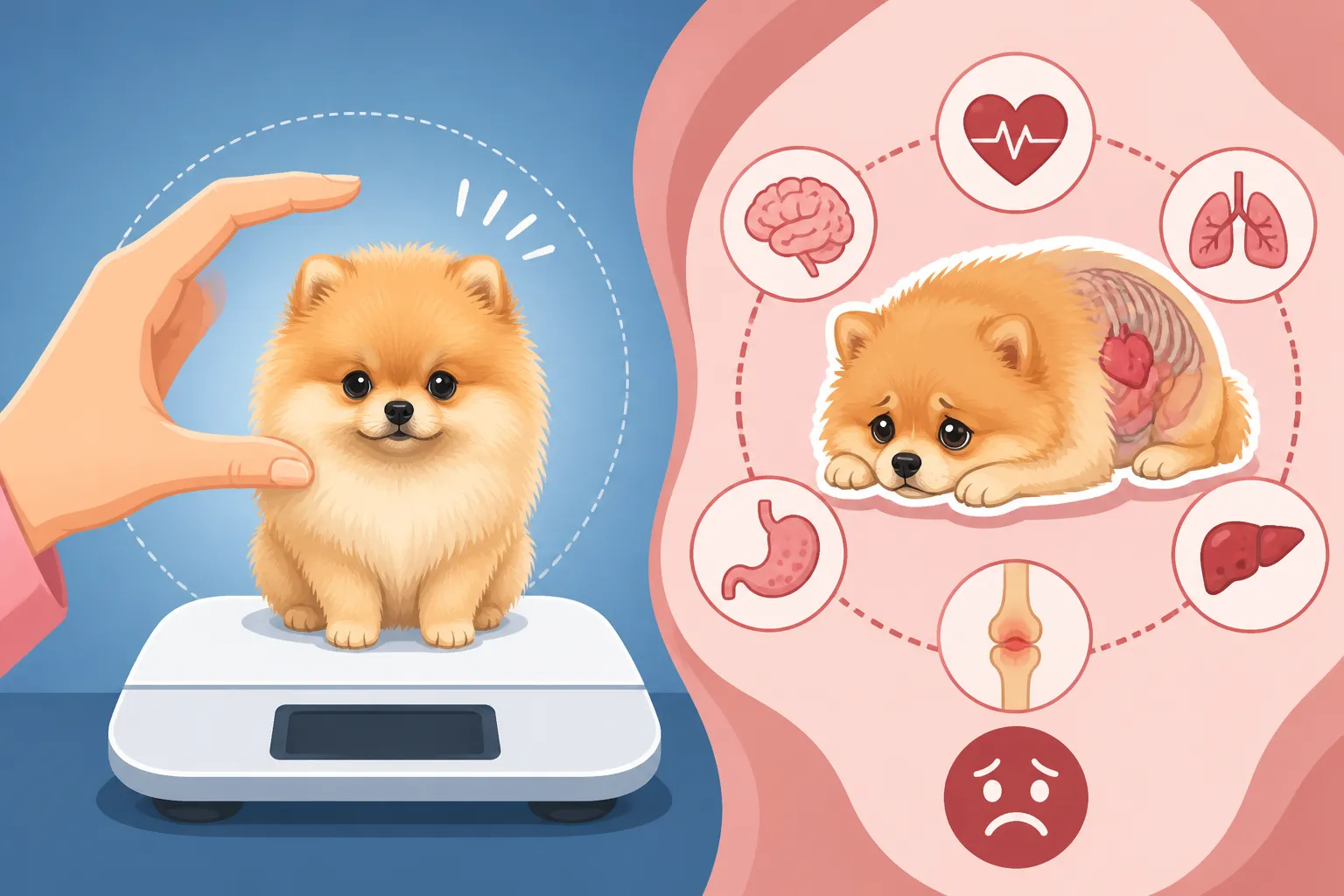
One of the most immediate and dangerous risks for very small Pomeranian puppies, especially those under three pounds, is hypoglycemia, or critically low blood sugar. Their tiny bodies have limited reserves of fat and muscle, making it incredibly difficult for them to regulate their blood glucose levels. A skipped meal, a moment of stress, or even just being a bit too playful can quickly deplete their energy stores and send them into a hypoglycemic crisis.
Symptoms can appear suddenly: lethargy, trembling, confusion, weakness, stumbling, and in severe cases, seizures and unconsciousness. This isn't just a puppy problem, either; while puppies are most susceptible, adult Pomeranians who are severely undersized can also struggle. Owners often have to feed them small meals very frequently, sometimes every 2-3 hours, to prevent these crashes. It’s a constant tightrope walk, and emergency vet visits for hypoglycemia are far too common for these tiny dogs. Knowing Recognizing a Hypoglycemic Pomeranian is crucial for any owner of a very small Pom.
Orthopedic and Structural Weaknesses
Being so small also means their bones, joints, and skeletal structure are inherently more delicate. The most common orthopedic issue seen in Pomeranians, and particularly exacerbated in "teacup" lines, is luxating patellas, or slipping kneecaps. In these tiny dogs, the grooves in their femurs where the kneecap normally tracks are often shallow or poorly formed, allowing the kneecap to easily pop out of place. This causes pain, lameness, and over time, can lead to severe arthritis.
Beyond luxating patellas, these tiny dogs are at higher risk for bone fractures from even minor falls or jumps. A simple leap off a sofa, which a standard-sized Pomeranian might manage with ease, can be catastrophic for a 2-pound dog. Their skeletal fragility extends to their spines and skulls as well. Conditions like hydrocephalus, an accumulation of fluid in the brain, are more prevalent in extremely small Pomeranians due to genetic factors often linked to extreme miniaturization. This condition can cause neurological symptoms, developmental delays, and require lifelong management or surgical intervention. You can read more about Whether a Teacup Pomeranian Is Structurally Sound.
Cardiovascular and Respiratory Challenges
The hearts and lungs of these miniature Poms are also frequently compromised. Patent Ductus Arteriosus (PDA) is a congenital heart defect where a vessel that should close shortly after birth remains open. This can lead to inefficient blood circulation, heart strain, and eventually congestive heart failure. While PDA can occur in any Pomeranian, the stress on an already tiny and fragile cardiovascular system in an undersized dog can make it even more critical. Learning about The Heart Defect Found in Pomeranian Puppies is vital.
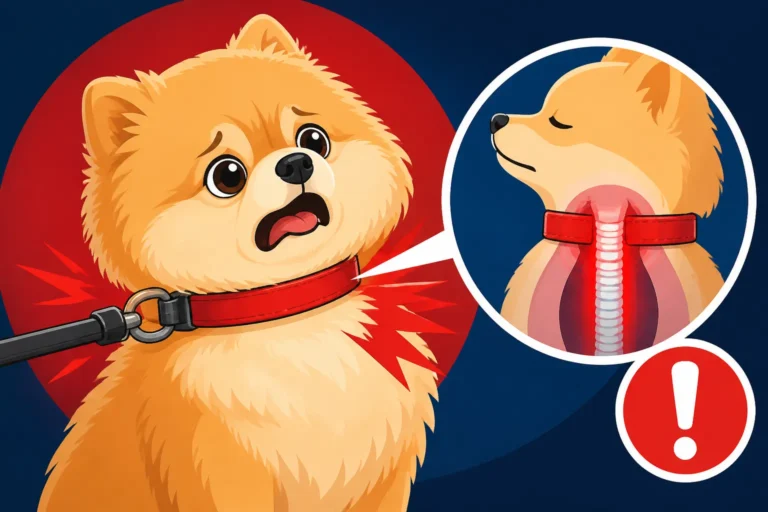
Additionally, respiratory issues are common. Tracheal collapse, a weakening of the windpipe cartilage, is a well-known problem in Pomeranians, but it can be more severe and present earlier in life in undersized dogs. Their tiny windpipes are even more susceptible to collapse, leading to a distinctive honking cough, difficulty breathing, and increased risk during excitement or exercise. Anesthesia for any procedure, even a routine dental, becomes a significantly higher risk for these tiny dogs due to their fragile respiratory and cardiovascular systems and their difficulty regulating body temperature. Owners often face agonizing decisions when a tiny Pom needs surgery, balancing the risks with the necessity of the procedure.
Dental and Oral Health Crises
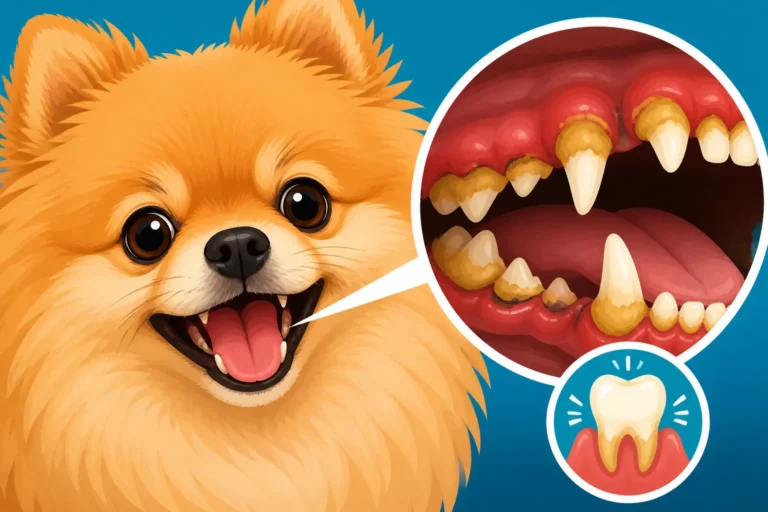
It might seem like a minor point, but dental health in undersized Pomeranians is a significant and often painful issue. These dogs have the same number of teeth as a larger dog, but they're crammed into a much smaller jaw. This overcrowding leads to food and bacteria getting easily trapped, rapidly accelerating the development of plaque, tartar, and severe periodontal disease.
Many undersized Pomeranians develop dental disease at a very young age, often needing multiple extractions before they are even two or three years old. Retained deciduous (baby) teeth are also more common, where the baby teeth don't fall out as the adult teeth erupt, causing further overcrowding and misalignment. These issues can lead to chronic pain, infections that can spread to other organs, and a constant need for expensive dental cleanings under anesthesia. This is a common and costly problem that significantly impacts their quality of life. Understanding Dental Disease in a Mouth the Size of a Pomeranian's is extremely important.
The Financial and Emotional Toll on Owners
Bringing home a "teacup" Pomeranian often means signing up for a journey filled with anxiety, emergency vet visits, and financial burdens that far exceed the initial purchase price. The hidden health costs can quickly accumulate, transforming the dream of a tiny companion into a stressful and emotionally draining reality.
Skyrocketing Vet Bills and Emergency Care
Let's be blunt: the veterinary bills for an undersized Pomeranian can be astronomical. From the moment you bring them home, you're likely to be on high alert for signs of hypoglycemia. This often means more frequent vet check-ups, specialized diets, and having emergency glucose syrup on hand. If a hypoglycemic crisis does occur, you're looking at emergency clinic fees, intravenous fluids, blood tests, and overnight stays, which can easily run into hundreds or even thousands of dollars per incident.
Then there are the ongoing issues. Luxating patellas might require expensive surgery, potentially on both knees, with post-operative rehabilitation. Heart conditions may necessitate regular cardiac evaluations, medications, and potentially life-saving but costly procedures. Dental issues, as mentioned, often require annual or bi-annual professional cleanings, which for a tiny dog under anesthesia, plus extractions, can cost well over $1,000 per visit. Many owners find themselves navigating complex treatment plans, managing multiple medications, and making difficult financial decisions. This constant medical management is not just a burden on the wallet but also on your peace of mind.
The Daily Demands of Special Needs Care
Beyond the financial aspect, the daily care for an undersized Pomeranian can be incredibly demanding. You're not just a pet owner; you often become a full-time nurse. Imagine having to monitor your dog's food intake meticulously, often feeding tiny meals every few hours to prevent blood sugar crashes. Or perhaps you're constantly supervising their play, ensuring they don't jump off furniture or engage in roughhousing that could lead to a broken bone.
The emotional toll is significant. The constant worry about their fragility, the fear of an unexpected health crisis, and the emotional stress of watching your beloved pet struggle can be overwhelming. It can limit your ability to travel, require special arrangements for pet-sitters who understand their unique needs, and generally impact your lifestyle. These dogs require an extraordinary level of commitment and vigilance that many prospective owners simply aren't prepared for. This is certainly a factor to consider when thinking about The Eighteen Thousand Dollar Lifetime of a Pomeranian.
Insurance Considerations for Tiny Poms
Given the high likelihood of extensive veterinary care, pet insurance becomes an almost essential consideration for owners of undersized Pomeranians. Reputable providers like Healthy Paws can offer a lifeline, helping to mitigate the financial shock of unexpected emergencies and ongoing treatments. However, it's crucial to understand what policies cover and what they exclude.
Many policies will not cover pre-existing conditions, meaning if your Pomeranian develops a luxating patella before you get insurance, or has a documented heart murmur, those issues may not be covered. This highlights the importance of getting pet insurance as early as possible, ideally when your puppy is very young and has no documented health problems. When choosing a plan, look carefully at the deductible, reimbursement percentage, and annual limits. A comprehensive plan from Healthy Paws or similar providers can help manage the significant costs associated with chronic conditions, multiple surgeries, or emergency care, potentially saving you thousands of dollars over your dog's lifetime. Always do your research and compare plans, but don't underestimate the value of having a safety net for these fragile little ones.
Here's a comparison of common Pomeranian sizes and their associated health risks:
| Size Category | Weight Range (approx.) | Common Health Considerations | Veterinary Costs (Potential) | Care Demands |
|---|---|---|---|---|
| Standard Pom | 3-7 lbs | Luxating Patella, Tracheal Collapse, Dental Disease | Moderate to High | Typical |
| Undersized/"Teacup" Pom | < 3 lbs | Severe Hypoglycemia, Hydrocephalus, Extreme Dental, Severe Luxating Patella, Anesthesia Risk, Organ Fragility | Extremely High | High to Intensive |
| "Throwback" Pom | 8-14 lbs (or more) | Obesity (if not managed), Joint issues, Less common for breed-specific issues | Moderate | Standard |
How to Navigate the Search for a Healthy Pomeranian
The key to avoiding the heartache and financial burden of an undersized Pomeranian with severe health issues lies in making informed choices and prioritizing health over perceived cuteness. A responsible approach to puppy selection can make all the difference for you and your future furry family member.
Prioritizing Health Over Size
It's natural to be drawn to the smallest, most adorable puppy in a litter, but when it comes to Pomeranians, a healthy size is far more important than a tiny one. The AKC breed standard for Pomeranians is 3 to 7 pounds, with most healthy adult Poms falling happily within this range. A dog within this standard is more likely to have a robust constitution, fewer orthopedic problems, and a better ability to regulate its own body systems.
Don't let marketing terms like "teacup" sway you. Instead, look for a puppy that appears energetic, has clear eyes, a clean coat, and a confident demeanor. Observe the parents if possible – do they look healthy and well-adjusted? Are they within the breed standard for size? A slightly larger Pomeranian (even one at the upper end of the standard) is often a much healthier and happier companion in the long run, saving you from a lifetime of worry and expensive vet visits. Remember, a healthy Pomeranian, regardless of being 3 pounds or 7 pounds, will bring immense joy without the constant fear of fragility.
What to Look for in a Responsible Breeder
Finding a responsible breeder is paramount to ensuring you bring home a healthy Pomeranian, particularly when avoiding the pitfalls of undersized breeding. A truly ethical breeder will never intentionally breed for "teacup" sizes. They will prioritize health, temperament, and adherence to the breed standard.
Here’s what to look for:
- Health Clearances: Ask for proof of health testing on both parent dogs. This should include OFA (Orthopedic Foundation for Animals) certifications for patellas (kneecaps) and cardiac clearances. Reputable breeders will be transparent about their dogs' health histories.
- Knowledge and Transparency: A good breeder will be highly knowledgeable about the Pomeranian breed, its genetics, and common health concerns. They will be eager to answer your questions and will also ask you plenty of questions to ensure you can provide a good home. They'll readily share medical records, vaccination schedules, and deworming history for the puppy.
- Environment: Visit the breeder's home (or video call if a visit isn't possible) to see where the puppies are raised. It should be clean, safe, and stimulating. The puppies should be well-socialized and appear happy and healthy.
- No "Teacup" or "Micro" Labels: A responsible breeder will actively discourage the use of these terms. They will explain the breed standard and the importance of healthy sizing.
- Contract and Health Guarantee: Expect a comprehensive contract that outlines responsibilities, return policies, and a health guarantee for genetic conditions.
- Waiting Lists: Reputable breeders often have waiting lists because they breed infrequently and carefully. Be wary of breeders who always have puppies available or offer multiple litters at once.
- Relationship with a Vet: They should have a good relationship with their veterinarian and be able to provide vet references.
Never purchase a puppy from a pet store, online ad from an unknown source, or a "backyard breeder" who cannot provide health clearances or allow you to see the living conditions. These sources are often where undersized, unhealthy puppies originate.
Understanding the Breed Standard
Familiarizing yourself with the official Pomeranian breed standard is one of the best ways to protect yourself and ensure you're supporting ethical breeding practices. The breed standard, as set by organizations like the AKC, describes the ideal characteristics of a Pomeranian, including size, weight, conformation, and temperament.
For Pomeranians, the standard typically specifies a weight between 3 and 7 pounds. Dogs falling significantly below this, like those under 3 pounds, are considered outside the healthy standard and are prone to the health issues we’ve discussed. The standard isn't just about aesthetics; it's developed over many years to describe a functional, healthy, and typical representation of the breed. When breeders deviate significantly from this standard, especially to achieve extreme miniaturization, they often compromise the dog's well-being. By choosing a Pomeranian within the established healthy weight range, you are not only getting a dog that is more likely to be robust and healthy but also supporting breeders who uphold the integrity and welfare of the breed.
Disclaimer
This article is intended for informational purposes only and does not constitute veterinary advice. Always consult with a qualified veterinarian for any health concerns or before making any decisions about your pet's care.