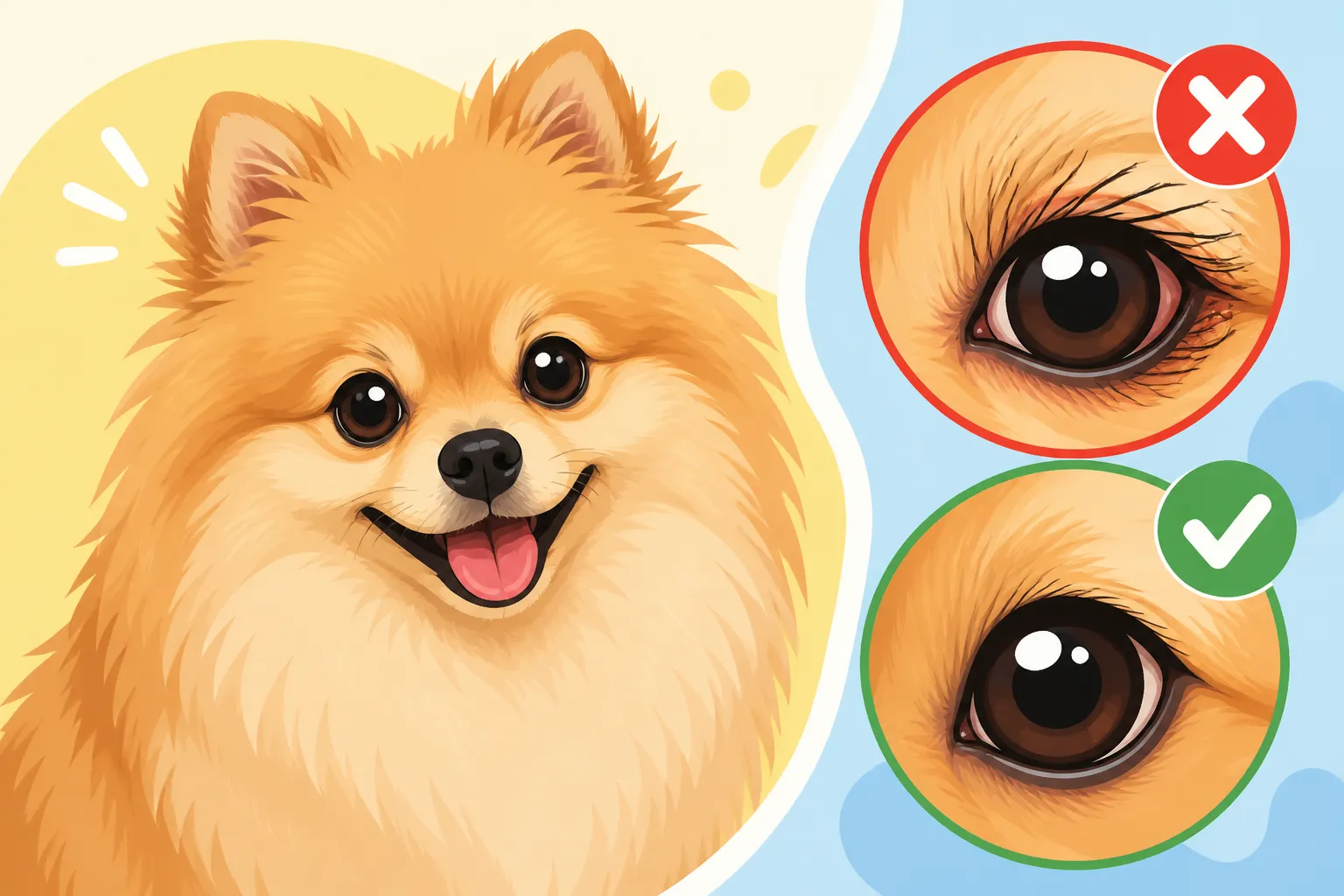
Whether a Pomeranian Gets Distichiasis
Few things are more heartbreaking than seeing your beloved Pomeranian squinting, rubbing at their face, or constantly tearing up. While these fluffy bundles of joy bring immense happiness, they can sometimes face specific health challenges, and eye issues are unfortunately among them. One such condition that often causes confusion and concern for Pom parents is distichiasis, a genetic anomaly where extra eyelashes grow in irritating places. This guide will delve deep into whether Pomeranians are susceptible to distichiasis, how to spot the signs, and what you can do to ensure your little companion's comfort and eye health.
Understanding Distichiasis in Pomeranians: What It Is and Why It Matters
When we think of eyelashes, we usually picture them growing neatly from the outer edge of the eyelid, doing their job of protecting the eye from dust and debris. But for some dogs, including certain breeds that are predisposed, nature takes a slightly different course. This is where distichiasis comes in, a condition that might sound complex but is essentially about eyelashes growing where they shouldn't.
The Anatomy of a Pomeranian's Eyelids and Eyelashes
To truly grasp distichiasis, it helps to understand what's considered "normal." A Pomeranian, like most dogs, has eyelashes that originate from follicles on the outer skin layer of the eyelid. These lashes are typically soft and curve away from the eye, providing a protective barrier without causing irritation. Inside the eyelid, along the margin, are tiny oil glands called Meibomian glands, which secrete an oily substance that helps keep tears from evaporating too quickly. These glands are usually hairless.
Distichiasis, however, is characterized by the presence of extra eyelashes (called distichia) that emerge from these Meibomian glands, often directly along the inner edge of the eyelid margin. Instead of pointing outwards, these rogue lashes can point inwards, directly rubbing against the delicate surface of the cornea (the clear front part of the eye) or the conjunctiva (the pink membrane lining the eyelids). Imagine a tiny, stiff hair constantly poking your own eye – that's essentially what your Pomeranian could be experiencing. It’s not just a cosmetic oddity; it’s a source of genuine discomfort and can lead to more serious medical complications if left unaddressed.
How Common Is Distichiasis in Pomeranians?
While distichiasis is a recognized condition across many dog breeds, Pomeranians are indeed among those that can be affected. It's often considered a genetic or inherited trait, meaning if a Pom’s parents carried the gene, there’s a higher chance their offspring might develop it. While not every Pomeranian will have distichiasis, it’s prevalent enough that it’s something responsible breeders screen for and something owners should be aware of.
Breeds like Cocker Spaniels, Bulldogs, Poodles, and Shih Tzus are also commonly noted for their susceptibility to distichiasis. For Pomeranians, the impact can sometimes be exacerbated by their profuse facial fur, which can make it harder for owners to spot the subtle signs of eye irritation. The presence of these extra lashes can range from just one or two hairs to a whole row of them, and their thickness and stiffness can also vary. A single, fine distichia might cause minimal irritation, while multiple thick ones could lead to chronic pain and significant damage. Understanding this predisposition is the first step in proactive care for your little fluffball. If you’re ever wondering about other common health concerns, we’ve got a comprehensive guide on The Eye Problems a Pomeranian Carries.
Recognizing the Signs and Symptoms of Distichiasis
One of the biggest challenges for Pomeranian owners when it comes to eye health is simply seeing what’s going on behind all that beautiful fur! Their expressive faces and thick coats can easily mask subtle indicators of discomfort, making it crucial to be vigilant and know exactly what to look for.
Subtle Clues: Early Indicators of Eye Irritation
In its early stages or when the distichia are fine and sparse, the signs of irritation can be incredibly subtle. You might notice your Pomeranian blinking a little more frequently than usual, or perhaps they'll occasionally paw at their face as if trying to clear something from their eye. There might be a slight redness along the eyelid margin or a barely perceptible increase in tear production that just dampens the fur below the eye. These minor cues are often dismissed as allergies or just "being a dog," but for a Pomeranian with distichiasis, they're significant.
The constant, albeit gentle, rubbing of an extra lash against the delicate cornea or conjunctiva is what causes this irritation. Over time, this can lead to inflammation, and while it might not seem like much initially, persistent irritation can escalate. Because Pomeranians are so small and their comfort is paramount, paying attention to these seemingly minor behaviors is crucial. Don't wait for obvious distress if you suspect something is amiss.
Clearer Warning Signs: When to See the Vet
As the condition progresses, or if the distichia are particularly stiff or numerous, the symptoms will become more pronounced and impossible to ignore. This is when immediate veterinary attention is vital to prevent more severe complications.
Here’s what to look for:
- Excessive Tearing (Epiphora): You’ll notice constant wetness around the eyes, often leading to tear staining on their light-colored fur. While some Poms have tear stains for other reasons, a sudden increase in tearing, especially unilaterally (in one eye), should be a red flag.
- Squinting (Blepharospasm): This is a clear indicator of pain or significant discomfort. Your Pom might keep one or both eyes partially or fully closed.
- Frequent Eye Rubbing/Pawing: Your dog will be trying desperately to relieve the irritation by rubbing their face on furniture, carpeting, or pawing at their eyes with their front paws.
- Eye Discharge: While some minor clear discharge might be normal, distichiasis can lead to increased clear, watery discharge, or even thicker, mucousy discharge if a secondary bacterial infection develops due to the constant irritation.
- Redness and Inflammation: The whites of the eyes (sclera) might appear red and bloodshot, and the conjunctiva might be swollen.
- Corneal Ulcers: This is a serious complication. The constant friction from the distichia can abrade the surface of the cornea, creating painful sores or ulcers. If your Pomeranian is squinting severely and the tearing is profuse, it's possible an ulcer has formed, which can lead to vision loss if not treated promptly.
If you observe any of these clearer warning signs, it’s not something to put off. A trip to the veterinarian is necessary. Early diagnosis and treatment can prevent chronic pain, potential infections, and irreversible damage to your Pomeranian's vision.
Diagnosis and Treatment Options for Pomeranian Distichiasis
Dealing with eye issues can be daunting, but the good news is that distichiasis is a manageable condition. The key lies in accurate diagnosis and choosing the most appropriate treatment path for your individual Pomeranian's needs.
The Veterinary Examination: What to Expect
When you bring your Pomeranian in with suspected eye issues, your veterinarian will perform a thorough ophthalmic examination. This isn't just a quick glance; it's a detailed inspection of the entire eye structure. They'll use specialized equipment like a magnifying ophthalmoscope or a slit lamp, which allows them to see the tiny, often transparent, distichia that are otherwise invisible to the naked eye. Sometimes, the lashes are so fine they are incredibly difficult to spot without proper magnification.
The vet will gently evert (roll out) the eyelids to get a clear view of the eyelid margins where the Meibomian glands are located. They may apply a topical anesthetic to numb the eye and make the examination more comfortable for your dog, especially if the eye is already irritated. A fluorescein stain test is often performed to check for corneal abrasions or ulcers. This harmless orange dye will stick to any damaged areas on the cornea, making them glow bright green under a blue light, indicating potential damage from the irritating lashes. Don't be surprised if your Pomeranian's tears are green for a little while after this test – it's completely normal!
Managing Mild Cases: Conservative Approaches
For Pomeranians with very few, extremely fine, and non-irritating distichia, your vet might suggest conservative management. This typically involves using lubricating eye drops or artificial tears regularly to create a protective barrier between the lash and the eye surface. These drops can help reduce friction and keep the eye moist, offering some relief. Keeping the fur around the eyes meticulously trimmed, perhaps as part of The Grooming Schedule a Pomeranian Runs On, can also help prevent additional irritation from other hairs.
It's important to understand that conservative approaches are generally palliative, meaning they manage the symptoms rather than curing the underlying problem. The distichia are still there and can potentially cause irritation if the drops aren't administered consistently or if the lashes become stiffer or more numerous over time. For many Pomeranians, a more definitive treatment is eventually needed to provide lasting comfort.
Definitive Treatment: Surgical and Electrocautery Solutions
For most cases of distichiasis that cause genuine discomfort or corneal damage, a more permanent solution is required. These procedures aim to remove or destroy the hair follicles producing the extra lashes. All definitive treatments require general anesthesia, which is a significant consideration for a small breed. If your Pomeranian is nearing or past ten years old, or has other health concerns, you might want to read up on Anesthesia Risk in a Four Pound Pomeranian and Whether a Pomeranian Needs Pre-Anesthetic Bloodwork to prepare for discussions with your vet.
Here are the common definitive treatment methods:
- Manual Epilation: This is the simplest and least invasive method, but it's only a temporary fix. The veterinarian uses fine forceps to pluck the offending eyelashes. While it provides immediate relief, the lashes typically grow back within a few weeks to months, much like plucking an eyebrow. This method is usually reserved for very occasional, easy-to-reach lashes or as a temporary measure before a more permanent solution is undertaken.
- Cryoepilation (Cryotherapy): This is a very common and effective long-term solution. Under general anesthesia, a specialized probe is used to freeze the hair follicles from which the distichia grow. The freezing process destroys the follicle, preventing the lash from regrowing. The procedure involves a freeze-thaw-freeze cycle. Cryotherapy is generally successful, but sometimes multiple treatments are needed, or some lashes may regrow if the follicle wasn't completely destroyed. Potential side effects can include temporary swelling, loss of eyelid pigment, or a slight change in the texture of the eyelid.
- Electrocautery/Electrolysis: Similar to cryoepilation, this method uses a fine needle to deliver an electrical current or heat to destroy the individual hair follicles. This is also performed under general anesthesia. It's often effective, but like cryotherapy, precision is key, and there's a chance of regrowth if the follicle isn't completely eliminated.
- Surgical Excision: For more severe cases where a large section of the eyelid margin is affected, or if other methods haven't been successful, a veterinary ophthalmologist might recommend surgically removing the portion of the eyelid containing the abnormal follicles. This is a more invasive procedure, requiring careful reconstruction of the eyelid to maintain its function and appearance.
Your vet, or a veterinary ophthalmologist if referred, will discuss the best option based on the severity of your Pomeranian's condition, the number and location of the distichia, and your dog's overall health. Recovery typically involves wearing an Elizabethan collar to prevent rubbing, and administering antibiotic eye drops or oral medications to prevent infection and manage pain.
Financial Considerations and Pet Insurance Support
The cost of diagnosing and treating distichiasis can vary widely depending on the diagnostic tests performed, the chosen treatment method, and your geographic location. A simple manual epilation might be relatively inexpensive, but cryoepilation, electrocautery, or surgical excision will involve specialist fees, anesthesia costs, and post-operative medications. These can range from several hundred to over a thousand dollars, especially if a referral to a veterinary ophthalmologist is necessary.
This is where pet insurance can be a real lifesaver. Companies like Healthy Paws offer comprehensive pet insurance plans that can cover a significant portion of unexpected veterinary bills, including those for conditions like distichiasis. Having a policy in place before your Pomeranian develops symptoms can provide peace of mind and ensure you can afford the best possible care without financial strain. While we’re on the subject of costs, you might find our guide on Insuring a Pomeranian That Needs Dental Work Yearly helpful for other aspects of long-term care budgeting, as Pomeranians are prone to various health issues throughout their The Eighteen Thousand Dollar Lifetime of a Pomeranian.
Preventing Complications and Long-Term Care
Addressing distichiasis isn't just about alleviating immediate pain; it's about safeguarding your Pomeranian's long-term eye health and ensuring they live a comfortable, happy life. Even after treatment, proactive care and vigilance remain paramount.
Regular Eye Checks and Grooming
Even if your Pomeranian has undergone a successful procedure for distichiasis, it’s still wise to perform regular, gentle eye checks at home. Look for any signs of redness, increased tearing, or squinting. Sometimes new distichia can appear, or previously treated follicles might regenerate a lash. Early detection means earlier intervention, which is always better for your dog.
Grooming plays a crucial role in maintaining your Pomeranian’s eye health. Their dense double coat, while magnificent, can easily grow long enough to poke or irritate the eyes, exacerbating any existing issues or even mimicking distichiasis symptoms. Regularly and carefully trim the hair around your Pomeranian's eyes. You can gently clean the area with a soft, damp cloth or a specialized dog eye wipe to remove any debris or tear residue. We have more tips on this in Cleaning Tear Marks From a Pomeranian's Face. Always be gentle and use blunt-nosed scissors if trimming yourself, or entrust this task to a professional groomer who understands the unique needs of a Pomeranian's coat.
Protecting Your Pomeranian's Vision
The ultimate goal in managing distichiasis, and any eye condition, is to protect your Pomeranian's vision and overall quality of life. Chronic irritation from distichia can lead to recurrent corneal ulcers, which are not only painful but can cause scarring, pigment deposits on the cornea, and in severe, untreated cases, even blindness. These complications can significantly impact your dog's ability to navigate their world, play, and interact with their family.
By addressing distichiasis early and choosing the most effective treatment, you're preventing a cascade of potential problems. This proactive approach ensures your Pomeranian remains free from chronic pain and discomfort. Regular veterinary check-ups are also crucial, allowing your vet to monitor eye health and catch any new issues before they become serious. Your vet will also be able to advise you on other aspects of care that contribute to a long, healthy life for your Pom, giving you hope that your little companion will live How Long a Well Bred Pomeranian Actually Lives. Remember, your Pomeranian relies on you to be their eyes and voice when it comes to their health, especially for conditions that they cannot easily communicate.
Disclaimer
The information provided in this article is for educational and informational purposes only, and does not constitute veterinary advice. Always consult with a qualified veterinarian for any health concerns or before making any decisions related to your pet's health or treatment.