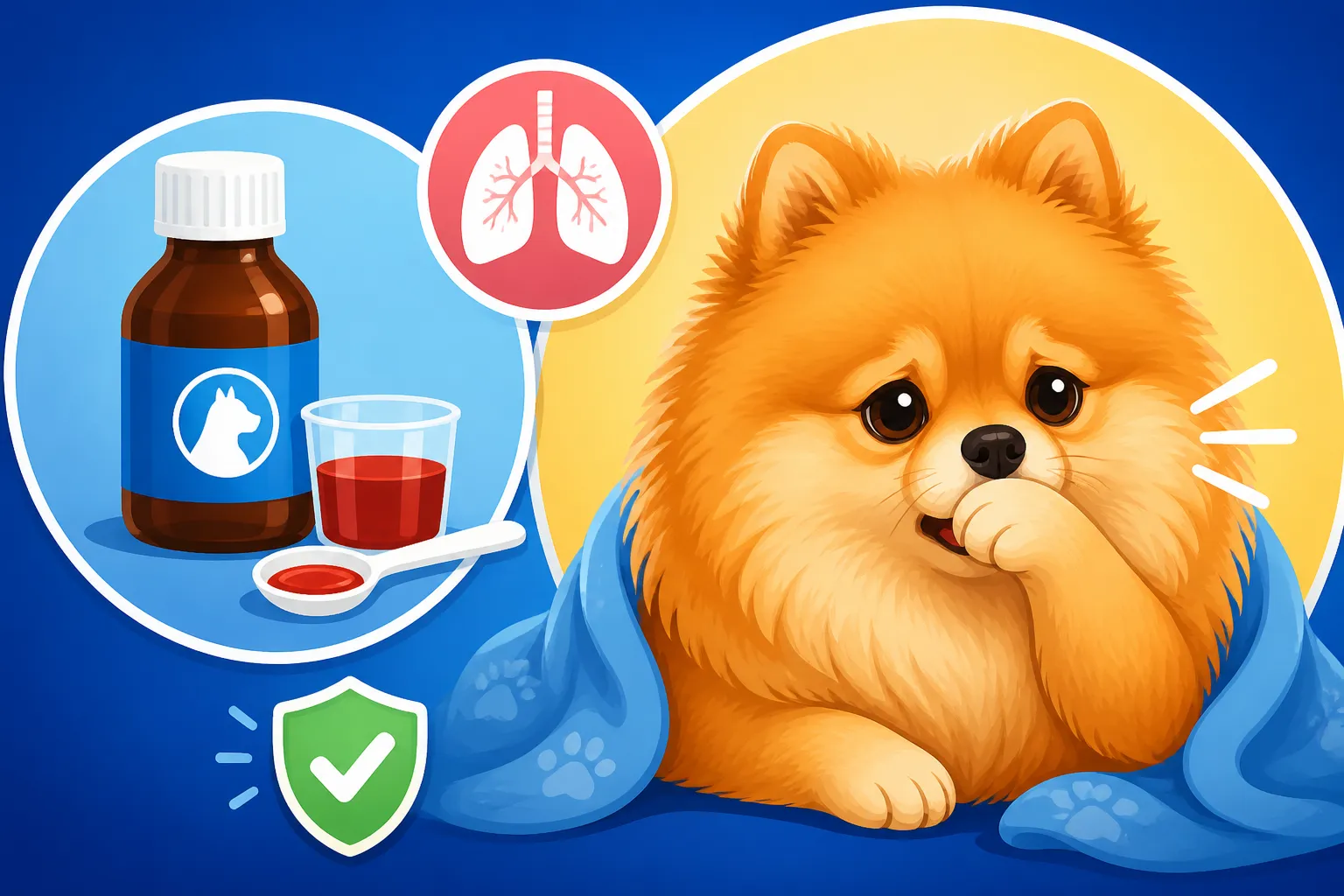
Cough Suppressants for a Pomeranian
That distinctive honking cough from your beloved Pomeranian can be incredibly alarming, often leaving you feeling helpless and worried about their tiny, delicate bodies. It's a sound many Pom parents know all too well, signaling a potential issue with their windpipe or even something more serious. This comprehensive guide is here to walk you through the various cough suppressants available, both vet-prescribed and at-home remedies, to help ease your furry friend's discomfort and give you peace of mind.
Understanding Your Pomeranian's Cough – More Than Just a Little Hoarse
When your Pomeranian starts coughing, it's natural to jump to conclusions, especially given their reputation for having sensitive respiratory systems. But not all coughs are created equal, and understanding the potential causes is the first step toward finding relief. This isn't just a minor annoyance; for a small dog, a persistent cough can be a sign of significant underlying health issues that need attention.
Common Causes of Coughing in Pomeranians
Pomeranians, with their small stature and specific breed characteristics, are predisposed to certain conditions that manifest as a cough. Knowing these common culprits can help you communicate more effectively with your veterinarian.
One of the most notorious causes is The Honking Cough of a Pomeranian's Collapsing Windpipe. This condition, officially known as tracheal collapse, is incredibly prevalent in toy breeds like Pomeranians. The trachea, or windpipe, is supported by rings of cartilage. In Poms with tracheal collapse, these rings weaken and flatten, making it difficult for air to pass through. The resulting cough often sounds like a dry, harsh honk, much like a goose. It can be triggered by excitement, exercise, drinking water too quickly, or even pulling on a collar. Imagine trying to breathe through a flattened straw – that's what your little Pom might be experiencing.
Beyond the specific mechanics of tracheal collapse, infectious agents are also common. Kennel cough, or canine infectious respiratory disease, is a highly contagious respiratory illness that can affect dogs of all ages and breeds, but can be particularly rough on small dogs. It typically presents as a dry, hacking cough, sometimes followed by a gagging sound. While often self-limiting, it can escalate to more severe conditions like pneumonia if left unchecked, especially in puppies or senior Poms.
Less commonly, but certainly more concerning, heart disease can manifest as a cough. Conditions like congestive heart failure can lead to fluid accumulation in the lungs (pulmonary edema), which irritates the airways and triggers a soft, wet cough. This type of cough is often worse at night or when your dog is lying down, and it usually indicates a more advanced stage of heart issues. If you hear a soft, gurgling cough, especially coupled with lethargy or reduced activity, it's crucial to seek veterinary attention immediately.
Finally, environmental factors such as allergies, dust, pollen, or even strong household chemicals and smoke can irritate your Pomeranian's delicate airways, causing them to cough. Just like humans, dogs can be sensitive to airborne irritants, leading to a temporary but bothersome cough. It’s a good reminder that your dog's living environment plays a huge role in their overall respiratory health.
When a Cough is More Than a Nuisance: Signs to Watch For
While an occasional cough might not be a major concern, it’s vital to recognize when your Pomeranian's cough warrants immediate veterinary attention. Small breed dogs can deteriorate quickly, so early intervention can be life-saving.
If your Pomeranian's cough is persistent, meaning it lasts for more than a day or two, or if it's getting progressively worse, it's time to call the vet. Similarly, if the cough is accompanied by difficulty breathing, such as rapid, shallow breaths, labored breathing, or wheezing, don't wait. True respiratory distress is an emergency. You might notice their gums appearing bluish or grayish, which is a critical sign of a lack of oxygen and requires immediate emergency care. This is definitely a situation where you might wonder Whether a Pomeranian's Cough Is an Emergency.
Other concerning symptoms include lethargy, a significant decrease in appetite or refusal to eat, and any signs of weakness. If your usually vibrant Pom is suddenly withdrawn, tired, and coughing, it could indicate pain, discomfort, or a worsening underlying condition. Vomiting or gagging that produces foamy phlegm is also a red flag, as it can indicate significant irritation or fluid in the lungs. Remember, your Pomeranian’s small size makes them more vulnerable to rapid dehydration and fatigue, so these signs should never be ignored. A quick check-up is always better than waiting.
Veterinary-Prescribed Cough Suppressants: What Your Vet Might Recommend
When your Pomeranian's cough moves beyond what simple home remedies can manage, your veterinarian will be your best resource. They have access to a range of medications designed to directly suppress the cough reflex or address the underlying cause. It's essential to understand that these are prescription medications, and self-medicating with human cough medicines can be incredibly dangerous for your dog.
Direct Cough Suppressants (Antitussives)
These medications work by targeting the cough reflex itself, providing symptomatic relief rather than treating the root cause. They are often used to make your Pom more comfortable while other treatments take effect or for chronic conditions like tracheal collapse where the cough itself is a primary source of distress.
One of the most common and effective prescription cough suppressants is hydrocodone. This opioid medication not only suppresses the cough center in the brain but also has a mild sedative effect, which can be beneficial for anxious Poms whose coughing is exacerbated by excitement. It's often prescribed for the harsh, dry cough associated with tracheal collapse. However, like all opioids, it comes with potential side effects such as sedation, constipation, and appetite changes. Your vet will carefully determine the correct dosage, which is crucial for a small dog like a Pomeranian.
Another opioid option is butorphanol, which is also an antitussive and analgesic (pain reliever). It can be administered orally or via injection and is particularly useful for short-term cough relief, sometimes used in a clinic setting. While effective, it shares similar side effects to hydrocodone, including drowsiness.
You might be familiar with dextromethorphan (DM) as an over-the-counter human cough suppressant. While it can be used in dogs under strict veterinary guidance, it's critical to emphasize never to administer human formulations without first consulting your vet. Many human cough syrups contain xylitol, an artificial sweetener that is highly toxic to dogs, or other ingredients like acetaminophen or ibuprofen, which are also dangerous. If your vet greenlights DM, they will provide a specific canine-safe product or a precise dosage of a single-ingredient formulation. The key here is extreme caution and professional advice.
While primarily known as an anti-nausea medication, maropitant, often sold under the brand name Cerenia, can sometimes have antitussive properties. It works by blocking substance P, a neurotransmitter involved in inflammation and pain perception, which can also play a role in the cough reflex. Your vet might consider it in cases where a cough is due to significant airway inflammation or irritation. It's a versatile medication that can help with more than just an upset stomach.
Medications Targeting Underlying Causes
Sometimes, the most effective "cough suppressant" isn't a direct antitussive but a medication that treats the root cause of the cough, whether it's inflammation, infection, or heart disease. Addressing these underlying issues is key to long-term relief and preventing further deterioration.
For respiratory conditions involving narrowed airways, such as severe tracheal collapse or allergic bronchitis, bronchodilators like theophylline or albuterol may be prescribed. These medications work by relaxing the muscles around the airways, making it easier for your Pomeranian to breathe. They don't stop the cough directly but improve airflow, which in turn reduces the coughing reflex triggered by restricted breathing. These are often used in conjunction with other therapies.
Corticosteroids, such as prednisone, are powerful anti-inflammatory drugs. They are frequently used to reduce swelling and inflammation in the airways, which can significantly alleviate coughing associated with severe tracheal collapse, bronchitis, or allergic reactions. While highly effective, long-term use requires careful monitoring due to potential side effects like increased thirst, urination, appetite, and a suppressed immune system. Your vet will weigh the benefits against the risks.
If your Pomeranian's cough is due to a bacterial infection, like a severe case of kennel cough, antibiotics will be prescribed. These medications target the bacteria responsible for the infection, helping to clear it up and, as a result, eliminate the cough. It’s important to complete the full course of antibiotics, even if your dog seems better, to prevent antibiotic resistance and ensure the infection is fully resolved.
For coughs stemming from heart disease, particularly congestive heart failure, diuretics like furosemide are often a cornerstone of treatment. These drugs help remove excess fluid from the lungs, reducing the irritation that causes the cough and making it easier for your Pom to breathe. Alongside diuretics, other heart medications, such as ACE inhibitors (e.g., enalapril, benazepril) or pimobendan, will be prescribed to improve heart function directly. These medications manage the underlying cardiac condition, which in turn resolves the cough. Managing The Heart Defect Found in Pomeranian Puppies or age-related heart issues can significantly improve their quality of life.
At-Home Support and Environmental Adjustments
While prescription medications are crucial for severe or chronic coughs, there's a lot you can do at home to support your Pomeranian and alleviate their symptoms. These non-medical approaches focus on creating a comfortable environment and minimizing irritants, offering valuable complementary care.
Non-Medical Approaches for Cough Relief
Creating a soothing and safe environment can make a big difference in how well your Pomeranian copes with a cough. These are often the first steps owners take before or alongside veterinary treatment.
One of the simplest yet most effective ways to soothe an irritated airway is through humidification. Running a humidifier in the room where your Pomeranian spends most of their time can add moisture to the air, helping to calm dry, inflamed throats. Even bringing your Pom into a steamy bathroom for 10-15 minutes a few times a day can provide relief. Think of it like a mini-spa treatment for their tiny lungs – the warm, moist air helps to loosen mucus and soothe irritation, making coughing less strenuous.
Equally important is actively avoiding respiratory irritants. This means no smoking around your Pomeranian – cigarette smoke is a major irritant for human and canine lungs alike. Also, be mindful of strong perfumes, air fresheners, cleaning chemicals, and even some scented candles. Their delicate respiratory systems are much more sensitive than ours, and what seems harmless to you could be exacerbating their cough. Dust can also be an issue, so keeping your home clean and vacuumed can contribute to a healthier breathing environment.
For Pomeranians prone to tracheal collapse, switching from a neck collar to a well-fitted harness is non-negotiable. A collar puts direct pressure on the trachea, especially when your dog pulls on the leash, which can trigger or worsen a coughing fit. A harness distributes pressure across their chest and shoulders, completely bypassing the delicate windpipe. This small change can have a huge impact on their comfort and health. It’s worth reading up on Why a Collar Threatens a Pomeranian's Windpipe to understand the risks fully.
Maintaining a healthy weight is another critical factor. Whether Weight Gain Worsens a Pomeranian's Windpipe is a resounding yes. Excess weight puts additional pressure on the trachea and lungs, making breathing more difficult and exacerbating any existing respiratory issues. Even a pound or two can make a significant difference for a dog that typically weighs between three and seven pounds. Work with your vet to establish a healthy diet and exercise plan to help your Pom shed any extra pounds.
Finally, consider elevated feeding bowls. For some dogs, particularly those with tracheal issues, eating or drinking with their head down can increase the risk of aspiration or simply make breathing more uncomfortable. An elevated bowl allows them to eat in a more upright position, which can sometimes reduce coughing during meal times. It's a small adjustment that might offer unexpected comfort.
Supplements and Natural Remedies (Use with Caution)
Many owners explore supplements and natural remedies in their quest to help their Pomeranians. While some may offer anecdotal benefits, it is absolutely crucial to consult your veterinarian before introducing any new supplement or natural remedy. What’s safe for humans or even larger dogs may not be appropriate or correctly dosed for your tiny Pom, and some natural ingredients can interact negatively with prescription medications.
A classic home remedy that many pet owners swear by is honey. A small amount of raw, local honey can be soothing for an irritated throat, much like it is for humans. It coats the throat and may have mild antibacterial properties. However, this is only suitable for non-diabetic dogs, and the dosage must be very small – typically no more than half a teaspoon for a Pomeranian, a few times a day. Always ensure the honey is pure and free from any additives. It's not a cure, but it can offer temporary comfort for a mild cough.
CBD oil has gained significant popularity, with some owners reporting that it helps with anxiety, pain, and even inflammation, which could indirectly benefit coughing Poms. However, scientific research on CBD for canine cough specifically is still limited, and the quality and concentration of CBD products vary wildly. If you're considering CBD, discuss it thoroughly with your vet to ensure you choose a reputable product with appropriate dosing and to rule out any potential interactions with other medications. Never use human CBD products, as they may contain ingredients harmful to dogs.
Various herbal remedies are marketed for respiratory health in dogs, often containing ingredients like mullein, marshmallow root, or licorice root. These herbs are traditionally known for their demulcent (soothing) or expectorant (mucus-clearing) properties. While they sound appealing, their safety and efficacy in Pomeranians, especially in combination with other treatments, are not always well-established. It’s paramount to get your vet's input before giving your Pom any herbal supplements, as some herbs can be toxic or interact with existing medications.
Remember, these natural remedies should never replace a proper veterinary diagnosis and prescribed treatment plan. They are, at best, complementary therapies to be used under professional guidance.
Navigating the Journey: Long-Term Management and Prevention
Living with a Pomeranian prone to coughing can be challenging, but with the right diagnostic approach, ongoing care, and a proactive mindset, you can significantly improve their quality of life. The goal is not just to suppress the cough but to manage their overall health to minimize its recurrence and impact.
The Importance of a Proper Diagnosis
Let's be clear: self-diagnosing or self-medicating your Pomeranian's cough is a risky game. Many different conditions can cause a cough, and without a precise diagnosis from a veterinarian, you could be treating the wrong issue or, worse, delaying critical treatment for a serious underlying problem. For example, a cough from heart disease needs entirely different management than one from kennel cough or tracheal collapse.
Your vet will likely start with a thorough physical examination, listening to your Pom's heart and lungs. They might then recommend diagnostic imaging, such as X-rays of the chest, to look for signs of tracheal collapse, an enlarged heart, or fluid in the lungs. In some cases, a specialized X-ray called fluoroscopy might be used to observe the trachea in real-time as your dog breathes, providing a dynamic view of its collapse. For heart concerns, an ultrasound of the heart (echocardiogram) might be necessary to accurately diagnose cardiac conditions. Blood tests can also help rule out infections or other systemic issues. Remember, investing in these diagnostic steps is an investment in your Pom's long-term health and finding an effective solution. This is where pet insurance, like a plan from Healthy Paws, can really come in handy, helping to cover unexpected diagnostic and treatment costs. They cover eligible accidents and illnesses, which can be a huge relief when dealing with complex conditions.
Lifestyle Changes for a Healthier Pomeranian
Beyond medication, many aspects of your Pomeranian's daily life can be adjusted to support their respiratory health and minimize coughing episodes. These changes often form the backbone of long-term management.
Regular veterinary checkups are not just an annual formality; they are crucial, especially for breeds prone to specific health issues like Pomeranians. As they age, their needs change, and early detection of conditions like heart disease or worsening tracheal collapse can significantly impact treatment success. Your vet can monitor their weight, listen for subtle changes in their heart and lungs, and adjust medications as needed. Staying on top of The Checkup Schedule a Pomeranian Should Keep is key to catching problems before they become severe.
Don't underestimate the impact of dental care. Poor dental health in a tiny mouth can lead to significant problems. Bacteria from severe gum disease can travel to the respiratory tract or even the heart, exacerbating or causing coughing and other health issues. Regular professional dental cleanings and daily brushing at home are vital. Learn more about Dental Disease in a Mouth the Size of a Pomeranian's and how to prevent it, as it directly impacts overall health.
Careful exercise is another critical component. While Pomeranians need exercise, it must be tailored to their individual health needs, particularly if they have a collapsing trachea. Avoid over-excitement, strenuous activity, or prolonged play sessions that can trigger coughing fits. Short, gentle walks on a harness are generally best. Pay attention to the weather; extreme heat or cold can also make breathing more difficult. Understanding Whether Excitement Sets Off a Pomeranian's Cough can help you manage their activity levels more effectively.
For unexpected medical emergencies or chronic conditions that require ongoing care, considering pet insurance from a reputable provider like Healthy Paws can be a smart financial decision. They offer comprehensive coverage for accidents and illnesses, which can help buffer the costs of diagnostics, medications, and specialist visits. Thinking ahead about Insuring a Pomeranian That Needs Dental Work Yearly or if Whether a Policy Covers a Pomeranian's Trachea can ease the burden when your Pom needs expensive care. Many owners find peace of mind knowing they can afford the best treatment options without financial stress, and Healthy Paws is a popular choice for many.
Common Cough Suppressants for Pomeranians
Here's a quick overview of some common cough suppressants and their general applications for Pomeranians. Always consult your veterinarian before administering any medication.
| Medication Type | Examples/Primary Use | Key Considerations |
|---|---|---|
| Opioid Antitussives | Hydrocodone, Butorphanol. For chronic/severe coughs (e.g., tracheal collapse). | Prescription only. Can cause sedation, constipation. Careful dosing essential for small breeds. Monitor for side effects. |
| Non-Opioid Antitussives | Dextromethorphan (DM). For mild, non-productive coughs. | Vet-approved formulations only. Many human OTC products contain toxic ingredients (xylitol, acetaminophen). Dosage is critical and must be vet-prescribed. Limited efficacy in severe cases. |
| Bronchodilators | Theophylline, Albuterol. To open constricted airways (e.g., bronchitis, severe tracheal collapse). | Prescription only. Addresses underlying airway narrowing, reducing cough reflex. May have cardiac side effects, requiring monitoring. |
| Corticosteroids | Prednisone. To reduce inflammation in airways (e.g., severe tracheal collapse, allergic bronchitis). | Prescription only. Highly effective anti-inflammatory. Long-term use requires careful monitoring for side effects (increased thirst, hunger, immune suppression). |
| Diuretics | Furosemide. For heart-related coughs due to fluid in lungs (congestive heart failure). | Prescription only. Helps remove excess fluid. Not a direct cough suppressant but treats the cause. Often combined with heart medications. |
| Antibiotics | Doxycycline, Clavamox. For bacterial infections (e.g., kennel cough, bacterial bronchitis). | Prescription only. Treats the infection, thereby resolving the cough. Complete full course as prescribed. Ineffective for viral coughs or non-infectious causes. |
| Humidifiers/Steam | Home use. To soothe irritated airways and loosen mucus. | Safe, non-pharmacological. Complementary to other treatments. Use clean water, maintain hygiene. |
| Honey | Small amounts. For temporary throat soothing. | Vet consultation required. Only for non-diabetic dogs. Very small dose. Not a treatment for underlying disease. |
Disclaimer
The information provided in this article is for general informational purposes only and does not constitute veterinary medical advice. Always consult with a qualified veterinarian for any health concerns or before making any decisions about your Pomeranian's medical care, diet, or treatment plan. The author and publisher are not responsible for any adverse effects resulting from the use of any information presented herein.