Clouding Eyes in a Pomeranian Past Ten
It can be truly unsettling to look into the bright, sparkling eyes of your beloved Pomeranian, only to start noticing a subtle, then increasingly prominent, cloudy haze. For many Poms, especially once they cross that invisible threshold into their senior years – typically around ten years old and beyond – these changes in their eyes are a disheartening reality that can leave you wondering what’s happening and if their vision is slipping away. This guide will walk you through the various causes of clouding eyes in older Pomeranians, how to tell the difference between normal aging and more serious conditions, and what you can do to support your furry friend.
The Unsettling Reality of Aging Pomeranian Eyes
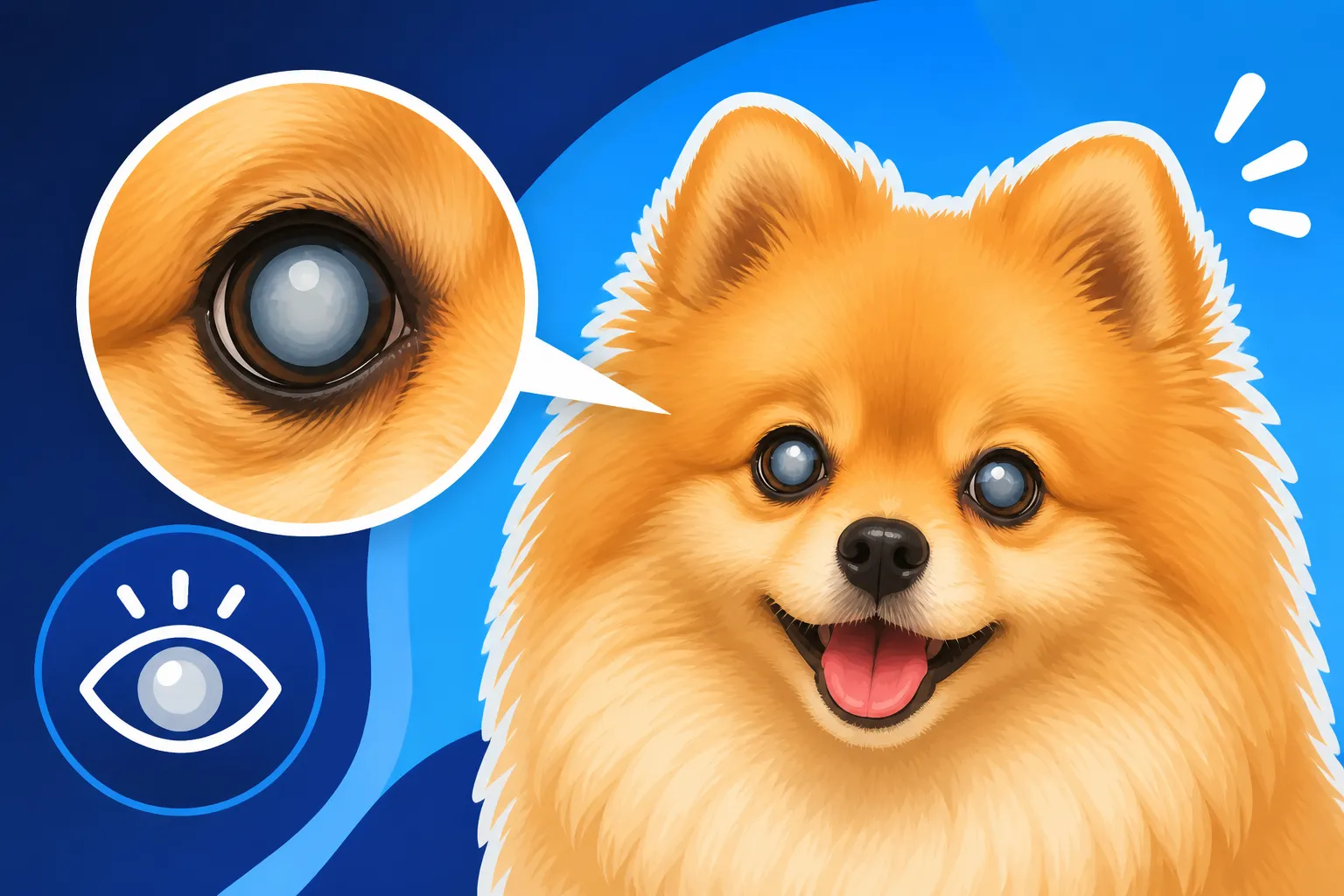
As our beloved Pomeranians age, just like us, their bodies go through a lot of changes. One of the most noticeable, and often most worrying for owners, is the clouding that can appear in their eyes. It starts subtly, a faint bluish-grey film, and can progress to a more opaque, white appearance. Understanding what causes these changes is the first step toward managing them and ensuring your Pom’s comfort and quality of life. It’s important to remember that not all cloudiness spells disaster, but it certainly warrants attention.
Nuclear Sclerosis: The Most Common Culprit
For many older Pomeranians, the most frequent reason for cloudiness in their eyes is a condition called nuclear sclerosis, sometimes referred to as lenticular sclerosis. This isn't actually a disease but rather a very normal, age-related change that occurs within the lens of the eye. Think of it like a gradual hardening and compression of the older lens fibers in the center of the lens. As these fibers become denser, they scatter light more, which creates that characteristic bluish-grey, hazy appearance you see.
The good news is that nuclear sclerosis generally doesn't significantly impair a dog's vision. While it might make their vision a tiny bit less crisp or give them a harder time seeing in dim light, it typically doesn't lead to blindness. Dogs rely heavily on their sense of smell and hearing, far more than humans do, so even with mild vision changes, they adapt remarkably well. Your vet can usually diagnose nuclear sclerosis easily during a routine examination, often distinguishing it from more serious conditions with just a light source. It's a bit like getting reading glasses in older age – annoying, but not debilitating.
Cataracts: A More Serious Form of Clouding
While nuclear sclerosis is often benign, cataracts are a more serious condition that also presents as cloudiness in the eye. Unlike nuclear sclerosis, which is a hardening of the lens fibers, a cataract involves an actual opacification or clouding of the lens itself, preventing light from reaching the retina. This can range from a very small, localized spot that doesn't affect vision much, to a complete opacification that renders the eye blind.
Cataracts can develop for a variety of reasons. In Pomeranians, while age is a common factor, genetics also play a significant role. Certain breeds are predisposed, and unfortunately, Poms can be among them. Other causes include diabetes (diabetic cataracts can develop very rapidly), trauma to the eye, inflammation, or even nutritional deficiencies in some rare cases. It's crucial for a vet to differentiate between nuclear sclerosis and cataracts because the implications for your Pomeranian's vision and potential treatment are vastly different. If a cataract is present and significantly impacting vision, it might require specialized intervention to restore sight.
Distinguishing Between Normal Changes and Concerning Issues
It's easy to panic when you first notice your senior Pomeranian's eyes starting to cloud over. Is it just part of getting older, or is something seriously wrong? The distinction can be subtle, and often requires a professional eye, but there are definitely signs you can look for at home to help you understand what might be happening. This is where your keen observation skills as a Pom parent come into play, and it’s always better to over-communicate with your vet about these changes.
The "Blue Haze" Versus Opaque White
As we touched upon, nuclear sclerosis typically appears as a bluish-grey haze deep within the pupil. It's often symmetrical, affecting both eyes relatively equally, and when you shine a light into the eye, you might still be able to see through it to some extent. The eye itself usually looks clear and healthy otherwise – no redness, discharge, or signs of discomfort. This "blue haze" is generally the hallmark of normal aging changes in the lens.
On the other hand, cataracts tend to look more like an opaque, milky white, or even crystalline white cloud within the pupil. With a cataract, the cloudiness might be denser and often makes it harder to see into the eye. It can also be asymmetrical, appearing in one eye more severely than the other, or localized to a specific part of the lens. If you notice any signs of inflammation around the eye, like redness, excessive tearing, squinting, or pawing at the eye, alongside the cloudiness, that's a strong indication that something more than just nuclear sclerosis is going on. A good rule of thumb is: if you can still see the pupil through the cloudiness, it's more likely nuclear sclerosis. If it's a solid, impenetrable white, it's likely a cataract or another serious condition.
Behavioral Clues Beyond Just Vision
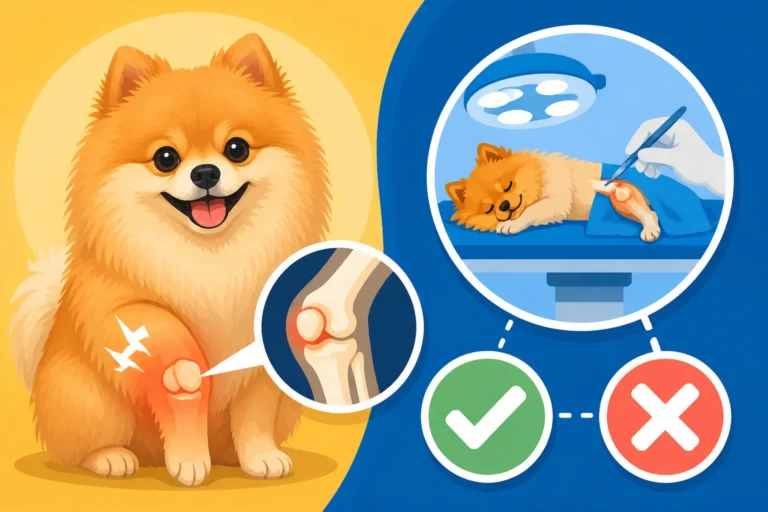
Beyond what their eyes physically look like, your Pomeranian’s behavior can offer significant clues about their vision health. While nuclear sclerosis might cause very subtle changes in navigation, severe vision impairment from cataracts or other conditions often leads to more noticeable behavioral shifts. For instance, you might observe your Pom bumping into furniture, especially in dimly lit rooms or unfamiliar environments. They might hesitate to jump off furniture or navigate stairs, or they might seem more tentative when moving around at night. This is definitely a time to consider installing small ramps or steps to prevent injury, especially since conditions like Slipping Kneecaps in a Five Pound Pomeranian are already a concern for the breed.
Other behavioral signs include an increased startle response if you approach them from their blind side, or an unwillingness to go on walks in new places. They might become more clingy, relying more on touch and scent for reassurance. Some dogs might even become a bit more anxious or irritable if they're disoriented or unable to see properly. Any sudden change in their confidence or navigation around the home, particularly after dark, should prompt a conversation with your vet. Remember, Whether a Pomeranian Loses Its Sight With Age is a gradual process, and these behavioral changes can be very telling.
A Closer Look at Specific Eye Conditions in Senior Poms
While nuclear sclerosis and cataracts are the most commonly discussed reasons for clouding eyes, they are not the only conditions that can affect a senior Pomeranian's ocular health. There are several other serious eye diseases that can lead to pain, vision loss, or even blindness if not diagnosed and treated promptly. It’s vital to be aware of these so you can report any suspicious symptoms to your veterinarian without delay. Early detection can make a world of difference.
Glaucoma: The Silent Thief of Sight
Glaucoma is an incredibly painful and serious eye condition that can lead to rapid and irreversible blindness. It's often referred to as the "silent thief of sight" because early signs can be subtle, but the progression can be shockingly fast. Glaucoma occurs when there's an increase in the pressure inside the eye (intraocular pressure), usually due to inadequate drainage of the fluid that nourishes the eye. This increased pressure then damages the optic nerve and the retina.
In senior Pomeranians, glaucoma can be either primary, meaning it develops without an underlying cause and is often genetic, or secondary, caused by another eye condition like inflammation, a tumor, or advanced cataracts that block the drainage angle. The cloudiness associated with glaucoma often has a distinctive "steamy" or blue-grey appearance to the cornea, which is the clear outer layer of the eye, not the lens itself. Other signs include redness of the white part of the eye, a dilated pupil that doesn't respond to light, squinting, excessive tearing, and pain (which your Pom might show by rubbing their face, becoming withdrawn, or having a decreased appetite). If you suspect glaucoma, this is an absolute emergency and requires immediate veterinary attention to save your Pom’s vision and alleviate pain.
Progressive Retinal Atrophy PRA
Progressive Retinal Atrophy (PRA) is another genetic condition that can affect a Pomeranian's vision, though it typically affects the retina rather than causing cloudiness in the lens directly. However, as the retina degenerates, some forms of PRA can indirectly lead to cataracts or other secondary changes that might present as cloudiness. PRA is a group of inherited eye diseases that cause the degeneration of the photoreceptor cells in the retina over time, ultimately leading to blindness.
Different forms of PRA exist, with varying ages of onset and rates of progression. Many affected dogs will first show signs of "night blindness," struggling to see in dim light, before their daytime vision is affected. You might notice your Pom bumping into objects in low light, or being hesitant to go outside after dusk. Over time, their pupils may appear more dilated to try and let in more light, and their eyes might develop a reflective "sheen." While there is currently no cure for PRA, a diagnosis allows owners to prepare and make adjustments for their dog's impending vision loss. It's an important condition to be aware of, especially if The Eye Problems a Pomeranian Carries are a known issue in their lineage.
Keratoconjunctivitis Sicca Dry Eye
Keratoconjunctivitis Sicca (KCS), more commonly known as dry eye, is a condition where the eyes don't produce enough tears, leading to chronic dryness, irritation, and inflammation. While KCS doesn't directly cause cloudiness of the lens, prolonged, untreated dry eye can lead to corneal changes, including cloudiness, pigmentation, and even ulceration, which can severely impair vision. The cornea might develop a dull, hazy, or bluish appearance as it tries to cope with the lack of lubrication.
Pomeranians can be prone to KCS, especially as they get older. Signs to look for include chronic redness, frequent blinking or squinting, a thick, yellow or greenish discharge (often mistaken for an infection), and a dull, "dry" appearance to the surface of the eye. Your Pom might also paw at their eyes more often. Diagnosing KCS is relatively straightforward, involving a simple test called a Schirmer tear test, which measures tear production. Treatment typically involves daily eye drops to stimulate tear production and provide lubrication, and it's something that often needs lifelong management. Catching KCS early is important to prevent permanent corneal damage and subsequent vision impairment.
Navigating Diagnosis and Treatment Options
When you notice any changes in your senior Pomeranian’s eyes, the most important step is to schedule a visit with your veterinarian. Self-diagnosis, while understandable, can lead to delays in treatment for potentially serious conditions. A vet can accurately identify the cause of the cloudiness and recommend the most appropriate course of action, which could range from simple monitoring to specialized surgery. Never hesitate to get an expert opinion when your Pom's health is at stake.
The Comprehensive Ophthalmic Exam
A thorough eye examination by your primary care veterinarian is the starting point. They will typically use an ophthalmoscope to look inside the eye, assess the lens for nuclear sclerosis or cataracts, and check the retina. They will also perform several other tests. A Schirmer tear test, as mentioned, measures tear production to rule out dry eye. Tonometry, which measures the pressure inside the eye, is crucial for diagnosing or ruling out glaucoma. Your vet will also check for other issues like inflammation, corneal ulcers, or even extra eyelashes rubbing the eye – a condition known as The Extra Eyelashes That Rub a Pomeranian's Eye, which can cause significant irritation.
If the findings are complex or suggest a more serious condition, your vet may recommend a referral to a veterinary ophthalmologist. These specialists have advanced diagnostic equipment and expertise to provide a more definitive diagnosis and offer specialized treatments. They can perform more detailed examinations of the retina, assess the maturity of cataracts, and determine surgical viability. While it might seem like an extra step and cost, an ophthalmologist's assessment is invaluable for preserving your Pom's vision and ensuring they receive the best possible care. For complex issues, having good pet insurance like Healthy Paws can certainly help manage the costs associated with specialist consultations and advanced diagnostics.
Medications, Surgery, and Supportive Therapies
Treatment for clouding eyes in Pomeranians varies widely depending on the underlying cause. For nuclear sclerosis, no treatment is usually needed because it doesn't significantly impact vision or cause discomfort. For cataracts, especially those that are mature and causing significant vision loss, surgical removal can be an option. Cataract surgery involves replacing the cloudy lens with an artificial one, much like in humans. This is a specialized procedure performed by a veterinary ophthalmologist, and while it can restore vision, it's not suitable for every dog and involves significant post-operative care.
For glaucoma, the focus is on reducing intraocular pressure and managing pain. This often involves a combination of eye drops to decrease fluid production or increase drainage, and sometimes oral medications. In severe cases or when medication isn't enough, surgical procedures to improve fluid drainage or even remove the eye might be considered, particularly if the eye is blind and painful. For KCS (dry eye), treatment is usually lifelong and involves daily medicated eye drops to stimulate tear production (like cyclosporine or tacrolimus) and artificial tear supplements to keep the eye lubricated. Regular follow-up appointments are essential to monitor the effectiveness of these treatments.
Life Adjustments for a Pomeranian with Impaired Vision
Even with the best medical care, some senior Pomeranians will experience some degree of vision loss as they age. This isn't a reason to despair; Poms are incredibly adaptable, and with a few thoughtful adjustments to their living environment and daily routine, they can continue to live full, happy lives. Their other senses, especially smell and hearing, will naturally become heightened, helping them navigate their world with surprising proficiency.
Creating a Safe and Familiar Environment
The most important thing you can do for a vision-impaired Pomeranian is to keep their home environment consistent and safe. Avoid rearranging furniture as much as possible, as this can be incredibly disorienting and frustrating for a dog who relies on memory maps of their surroundings. If you must move something, guide them around the new layout several times. Block off dangerous areas like stairs or balconies with baby gates to prevent falls, which can be devastating for a small dog prone to conditions like Luxating Patellas and Torn Cruciates in a Pomeranian. Consider placing textured mats or small rugs at the top and bottom of stairs to alert them to changes in elevation.
Use scent cues to help your Pom navigate. A drop of essential oil (diluted and safe for pets, check with your vet first) on certain furniture legs or door frames can help them identify different rooms or obstacles. Keep their food and water bowls, bed, and toys in consistent locations. Make sure pathways are clear of clutter that they might trip over. You might even want to consider investing in a "halo" device, a lightweight bumper that attaches to their harness and gently bumps into objects before your dog does, protecting their face and building confidence.
Maintaining Quality of Life and Mental Stimulation
Loss of vision doesn't mean the end of enjoyment for your Pomeranian. In fact, focusing on their other senses can open up new avenues for enrichment. Scent games are fantastic – hide treats or their favorite toys around the house and let their powerful nose do the work. Puzzle toys that dispense treats when manipulated are excellent for mental stimulation, as long as they are small enough for a Pomeranian's mouth and can't be swallowed whole.
Continue to interact with them through touch and voice. Talk to them often, use consistent verbal cues, and give them plenty of gentle petting and cuddles. When approaching them, speak their name softly so you don't startle them. Leash walks are still important for exercise and mental stimulation, but stick to familiar, safe routes and be extra vigilant about potential hazards like uneven pavement or other dogs. A comfortable, supportive harness is always recommended for a Pomeranian, especially to protect their delicate windpipe, as discussed in articles like The Honking Cough of a Pomeranian's Collapsing Windpipe. Regular check-ups are also part of The Checkup Schedule a Pomeranian Should Keep to ensure their overall health is being monitored, which supports their quality of life as they navigate vision changes.
Preventative Measures and Ongoing Eye Health
While some age-related eye changes are inevitable, there are proactive steps you can take throughout your Pomeranian’s life, and especially as they get older, to promote good eye health and potentially mitigate the severity or onset of certain conditions. This isn't about guaranteeing perfect vision forever, but about giving them the best possible chance for clear, comfortable eyes for as long as possible.
Regular Veterinary Checkups and Early Detection
The single most important preventative measure is consistent veterinary care. Regular checkups, at least once a year for adult Poms and more frequently for seniors (often twice a year once they are past The Year a Pomeranian Starts Needing More), allow your vet to monitor their overall health, including their eyes. During these visits, your vet can catch subtle changes in tear production, intraocular pressure, or early signs of cataracts before they become advanced. Early detection is key for many eye conditions, particularly glaucoma, where prompt treatment can mean the difference between saving or losing an eye.
Don't wait until you notice obvious cloudiness or behavioral changes. Make eye health a routine topic of discussion with your vet. Ask them to perform a basic eye exam at every visit. If your Pomeranian has known genetic predispositions to eye conditions, or if you plan to breed them (though this article is focusing on senior dogs, breeder considerations are important for the breed's future health), inquire about specialized screening tests recommended by organizations like the Canine Eye Registry Foundation (CERF) or the Orthopedic Foundation for Animals (OFA) eye database. Good pet insurance, such as a plan from Healthy Paws, can certainly provide peace of mind for the cost of these ongoing health checks and any subsequent treatments.
Nutritional Support and Environmental Protections
While diet isn't a magic bullet, providing a high-quality, balanced diet rich in antioxidants can support overall health, including eye health. Some owners and vets discuss supplements containing antioxidants like Lutein, Zeaxanthin, Vitamins C and E, and Omega-3 fatty acids, which are believed to support retinal health and potentially slow the progression of some age-related eye conditions. Always consult your veterinarian before adding any supplements to your Pomeranian's diet, as excessive amounts of certain vitamins can be harmful.
Protecting your Pomeranian's eyes from environmental irritants is also important. If you live in a dusty or windy area, or if your Pom enjoys sticking their head out the car window, consider using protective dog goggles (often called "Doggles"). These can shield their eyes from dust, debris, and harmful UV rays, which can contribute to cataract formation over time. Keep their facial fur trimmed neatly around their eyes to prevent hairs from irritating the cornea. Be mindful of strong household cleaning products or aerosols, which can cause irritation. By taking these simple, proactive steps, you can help keep your senior Pomeranian's eyes as healthy and comfortable as possible for many years to come.
Disclaimer
The information provided in this article is for educational and informational purposes only, and does not constitute veterinary advice. Always consult with a qualified veterinarian for any health concerns or before making any decisions related to your pet's medical care.