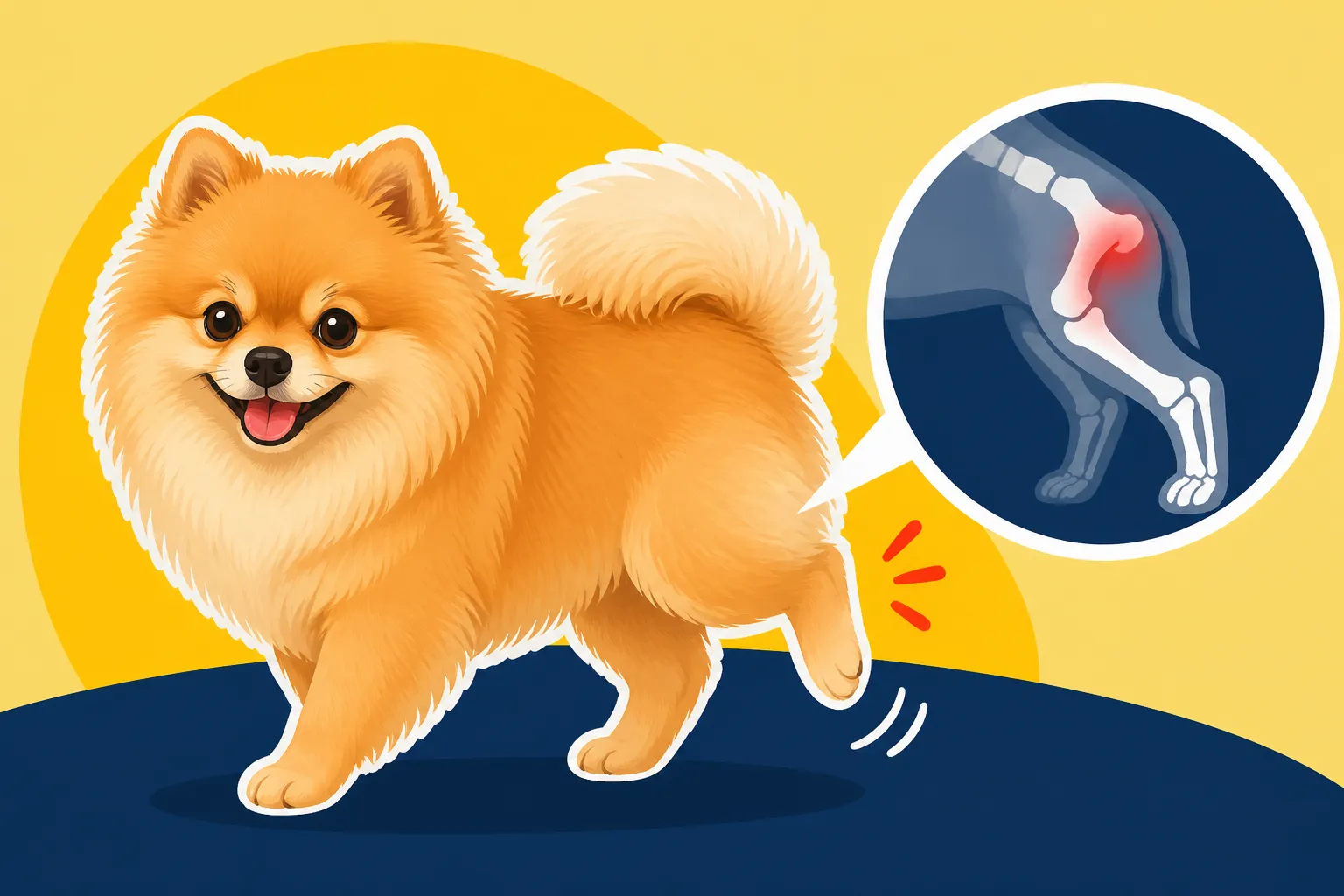
The Skip in a Pomeranian’s Back Leg
It’s a sight that can send a jolt of worry through any Pomeranian parent: that sudden, inexplicable skip in your beloved companion’s back leg. One moment they’re trotting along, full of zest, and the next, a hind leg is held up, a little hop, and then they’re seemingly fine again. This isn't just a quirky gait; it’s a common symptom of a condition called patellar luxation, and understanding it is crucial for your Pomeranian's comfort and long-term health. This guide will walk you through what's happening, why it affects Poms so much, and how to best care for your furry friend.
Understanding That Sudden Skip: What Exactly Is It?
That unsettling skip or hop you might observe in your Pomeranian’s stride is often the tell-tale sign of a luxating patella, commonly known as a slipping kneecap. It’s not just a momentary inconvenience; it's a structural issue that can range from a minor annoyance to a debilitating problem if left unaddressed. As a Pomeranian owner, you're not alone in encountering this. It's one of the most frequently diagnosed orthopedic conditions in small and toy breed dogs, including our fluffy Poms. The key is to recognize it and understand its implications so you can work with your vet to provide the best care.
The Anatomy Behind the Anomaly: Patellar Luxation Explained
To truly grasp what a luxating patella means for your Pomeranian, let’s quickly look at the knee joint. It's a complex structure, but for our purposes, we're focusing on three key bones: the femur (thigh bone), the tibia (shin bone), and the patella (kneecap). The patella sits snugly in a groove on the end of the femur, called the trochlear groove. It acts like a pulley, allowing the powerful quadriceps muscles in the thigh to extend the lower leg.
In a normal, healthy knee, the patella glides smoothly up and down within this groove as the leg bends and straightens. However, with patellar luxation, the kneecap luxates, or slips out of this groove. It can slip to the inside of the leg (medial luxation), which is by far the most common type in Pomeranians and other toy breeds, or less frequently, to the outside (lateral luxation). When the kneecap slips, it can cause the leg to lock up briefly, making your Pomeranian hold it up until the patella either slips back into place on its own or they kick their leg to force it back. This is the characteristic "skip" you observe. Over time, this constant slipping can wear away the cartilage and bone, leading to pain and potentially arthritis.
Why Pomeranians Are Particularly Prone to This
It might seem unfair that such a small dog can face such a big joint problem, but unfortunately, patellar luxation has a strong genetic component, especially in breeds like the Pomeranian. It's not usually caused by an injury; rather, it’s often a result of congenital malformations that are present from birth, even if symptoms don’t show up until later in life.
The primary reason Pomeranians are so susceptible lies in their bone structure. Many Poms are born with a shallow trochlear groove – the very furrow where the kneecap is supposed to track. If this groove isn't deep enough, the patella has an easier time popping out. Beyond that, the bones themselves can be misaligned. For instance, the top of the tibia (shin bone) might be rotated inwards or outwards, or the femur might have an abnormal curve. These skeletal abnormalities mean that the quadriceps muscle, which connects to the patella, pulls the kneecap out of alignment with every movement. It’s like a train trying to run on tracks that aren’t quite straight or deep enough to hold it.
Because of this strong genetic predisposition, responsible breeders often screen their breeding dogs for patellar luxation. This hereditary aspect is why it's so vital to research a breeder and inquire about the health clearances of the parents, even for a healthy-looking puppy. Even with the best breeding practices, though, it’s a condition that can still appear, making awareness and proactive management key for every Pomeranian owner.
Recognizing the Signs and Symptoms
Catching patellar luxation early can make a real difference in managing your Pomeranian's comfort and preventing further joint damage. While the "skip" is the most famous symptom, it's not the only one. Pomeranians are tough little dogs, and sometimes their signs can be subtle, especially in the early stages. Learning to read your dog’s body language and gait is invaluable here.
The Classic "Skip" and Other Subtle Clues
The hallmark sign of a luxating patella is indeed the intermittent "skip" or "hop". You’ll notice your Pomeranian suddenly lifting one hind leg for a few steps, often holding it up, before placing it back down and resuming normal activity as if nothing happened. This happens when the kneecap slips out, and the dog pauses until it pops back in. The frequency can vary greatly; some dogs might do it once a week, others several times a day. It might be more noticeable after activity or when they first get up.
Beyond the skip, keep an eye out for other subtle indicators:
- Limping or Lameness: While a skip is temporary, a persistent limp or favoring of one leg, especially after exercise, could indicate that the kneecap isn't staying in place or that arthritis is starting to develop.
- Reluctance to Bear Weight: Your Pom might be hesitant to put weight on the affected leg, even if just for a moment. This might manifest as a slight shift in their posture or an unwillingness to jump onto furniture (even if they usually love to).
- Sitting Awkwardly: A Pomeranian with a luxating patella might sit with one leg extended out to the side rather than tucked neatly underneath them. They’re trying to find a comfortable position that doesn’t put pressure on the misaligned kneecap.
- Stiffness After Rest: Just like humans with joint issues, your Pomeranian might seem a bit stiff when they first wake up or after a long nap. This often improves once they get moving.
- Pain or Yelping: While not always present, especially in lower grades of luxation, some dogs will vocalize or show signs of discomfort when the kneecap slips out or is particularly problematic. This could be a yelp, a whimper, or even just a flinching when you touch their knee.
It's important to remember that these symptoms can fluctuate. One day your Pomeranian might seem perfectly fine, and the next, they're skipping more often. Keep a mental note or even a small journal of when and how frequently you see these signs, as this information will be very helpful for your veterinarian.
When to Worry and Seek Veterinary Attention
It’s always better to be safe than sorry when it comes to your pet's health. If you notice any of the signs above, especially the characteristic skip, it's time to schedule an appointment with your veterinarian. Don't wait until your Pomeranian is in obvious pain or can no longer use their leg. Early diagnosis allows for earlier intervention and can help prevent the condition from worsening or leading to secondary complications like arthritis.
Here are specific scenarios that should prompt an immediate or urgent vet visit:
- Sudden Inability to Bear Weight: If your Pomeranian suddenly cannot put any weight on a hind leg, or is holding it up continuously, it could be a sign of a severe luxation or even another injury that needs immediate attention.
- Increased Frequency or Severity of Skipping: If the skips become more frequent, last longer, or your dog shows more discomfort with each episode, it indicates the condition is progressing.
- Obvious Signs of Pain: Yelping, crying, constantly licking the affected knee, or snapping when the leg is touched are clear indicators of pain and warrant prompt veterinary care.
- Behavioral Changes: A sudden decrease in activity, reluctance to play, or changes in appetite could all be subtle signs that your Pomeranian is in discomfort.
Even if the signs are mild and intermittent, a vet visit is crucial. Patellar luxation doesn't usually resolve on its own, and without proper management, it can lead to more significant issues down the line. A veterinarian can accurately diagnose the condition and recommend the appropriate course of action, which might include anything from conservative management to surgical intervention. They can also rule out other potential causes of limping, such as a sprain, a torn cruciate ligament, or even a different genetic issue. Getting a proper diagnosis will help prevent further complications and improve your Pomeranian’s quality of life.
Diagnosing and Grading Patellar Luxation
When your Pomeranian presents with a skip or limp, your veterinarian will embark on a diagnostic journey to pinpoint the exact issue. This isn't just about confirming patellar luxation; it's also about understanding its severity and ruling out other conditions that might mimic its symptoms. The process is usually quite straightforward and doesn't involve anything too invasive or scary for your little one.
The Vet Visit: What to Expect During Examination
Upon your arrival, your vet will start by gathering a detailed history from you. This will include questions about when you first noticed the skip, how often it occurs, what activities seem to trigger it, and if your Pomeranian shows any signs of pain. Being prepared with these observations, perhaps even a short video of your dog's gait at home, can be incredibly helpful.
Next comes the physical examination, which is the cornerstone of diagnosing patellar luxation. Your vet will carefully observe your Pomeranian's gait as they walk around the examination room. They'll watch for any limping, hopping, or awkward movements. Then, they'll gently palpate (feel) your dog’s hind legs, paying close attention to the knee joints. By flexing and extending the stifle (knee) and applying light pressure, the vet can often feel the patella slipping in and out of its groove. They’ll also assess the stability of the joint, looking for any other abnormalities or signs of pain.
While the physical exam is usually enough to diagnose patellar luxation, X-rays might be recommended. It's important to understand that X-rays don't directly show the kneecap luxating, as the patella itself is made of cartilage and doesn't always show up clearly on standard radiographs. However, X-rays are incredibly valuable for:
- Assessing underlying bone deformities: They can reveal if the trochlear groove is too shallow, if the tibia is rotated, or if the femur has an abnormal angle. These structural issues are what predispose a dog to luxation.
- Checking for secondary problems: X-rays can show signs of arthritis, bone spurs, or other degenerative joint disease that might have developed due to the chronic slipping of the kneecap.
- Ruling out other conditions: Sometimes, a torn cruciate ligament or hip dysplasia can cause similar limping, and X-rays are essential for differentiating these issues.
In some cases, especially if surgery is being considered, further imaging like a CT scan might be recommended to get a more detailed view of the bone structure.
Decoding the Grades: From Mild to Severe
Once patellar luxation is diagnosed, your vet will assign it a "grade" from I to IV. This grading system is crucial because it helps determine the severity of the condition and guides the treatment plan. It describes how easily the kneecap slips out, how long it stays out, and how much impact it has on the joint's function.
Here’s a breakdown of the four grades:
| Grade | Description of Luxation | Clinical Signs | Recommended Action |
|---|---|---|---|
| Grade I | The patella can be manually luxated (pushed out) by the vet but returns to its normal position spontaneously when released. | Often asymptomatic or very infrequent, mild skipping. Your Pomeranian might appear perfectly normal most of the time. | Conservative management (weight control, joint supplements, controlled exercise), monitoring for progression. |
| Grade II | The patella luxates spontaneously with occasional skipping, but can be manually returned to its normal position. | More frequent skipping or lameness, especially after exercise. Your Pomeranian might occasionally hold the leg up for a few steps before it pops back in. | Conservative management often attempted first, but surgical correction may be considered if signs worsen or persist. |
| Grade III | The patella is luxated most of the time but can be manually returned to its normal position with effort. | Consistent lameness, frequent skipping, or a noticeably abnormal gait. Your Pomeranian might be reluctant to use the leg properly. Moderate pain. | Surgical correction is usually recommended to improve function and prevent severe arthritis. |
| Grade IV | The patella is permanently luxated and cannot be manually returned to its normal position. | Severe lameness or inability to use the leg, significant pain, crouching stance. The leg may appear permanently bent or bowed. | Surgical correction is often complex but necessary. Prognosis can be guarded due to severe structural changes. |
As you can see, the higher the grade, the more consistently the kneecap is out of place and the more severe the clinical signs. For a more detailed look at what each grade entails, you might want to check out our article on Grading Patellar Luxation in a Pomeranian. Understanding these grades helps you and your vet make informed decisions about your Pomeranian’s care plan.
Managing a Pomeranian's Luxating Patella
Once your Pomeranian has been diagnosed with patellar luxation and its grade determined, the next step is to formulate a management plan. This is a highly individualized process, taking into account the grade of luxation, your dog’s age, overall health, and your family's lifestyle. It’s not a one-size-fits-all approach, and what works for one Pom might not be ideal for another.
Non-Surgical Approaches: Keeping Your Pom Comfortable
For Pomeranians with Grade I or some Grade II luxations, or those where surgery isn't an option due to age or other health concerns, conservative, non-surgical management is often the first line of defense. The goal here is to minimize discomfort, prevent further damage, and support overall joint health.
- Weight Management: This is arguably one of the most critical aspects of conservative care. Every extra pound on a small Pomeranian puts immense strain on their tiny joints, especially compromised ones. Maintaining a lean body condition reduces stress on the kneecap and can significantly decrease pain and the frequency of luxation. Your vet can help you determine the ideal weight for your Pom and create a suitable diet plan.
- Joint Supplements: Many veterinarians recommend joint supplements containing ingredients like glucosamine, chondroitin, and MSM. These compounds are believed to help support cartilage health and reduce inflammation. Omega-3 fatty acids, often found in fish oil, are also excellent for their anti-inflammatory properties and can benefit joint, skin, and coat health. While supplements won't "fix" the luxation, they can certainly improve comfort and slow the progression of arthritis. For more information on supportive care, you might find our guide on Whether Joint Support Helps a Pomeranian's Knees useful.
- Controlled Exercise: While activity is important for muscle strength, high-impact activities, jumping, or sudden turns can worsen luxation. Instead, focus on short, regular, controlled leash walks on even surfaces. Swimming can be an excellent low-impact exercise for Poms with joint issues, as it strengthens muscles without stressing the joints.
- Physical Therapy/Rehabilitation: A certified canine rehabilitation therapist can develop a tailored exercise program to strengthen the muscles around the knee joint, improving stability and reducing luxation episodes. This might include specific stretches, exercises, and modalities like laser therapy.
- Supportive Environment: Making your home 'knee-friendly' is paramount. Provide ramps or steps to access furniture and beds to prevent your Pomeranian from jumping up and down, which can put dangerous stress on their delicate knees. Our article Ramps for a Pomeranian That Jumps Off the Sofa has great tips.
- Anti-inflammatory Medication: During flare-ups of pain or inflammation, your vet might prescribe non-steroidal anti-inflammatory drugs (NSAIDs) to provide relief. These are typically short-term solutions but can greatly improve your dog's comfort when needed.
Managing a chronic condition can accumulate costs, and this is where pet insurance can be incredibly helpful. Providers like Healthy Paws offer plans that can help offset the expenses of ongoing care, including consultations, medications, and even physical therapy, making it easier to provide your Pom with the best non-surgical treatments available.
When Surgery Becomes the Best Option
For many Pomeranians with Grade II, III, or IV patellar luxation, surgical intervention is often the most effective and sometimes the only way to provide long-term relief and improve their quality of life. The decision for surgery is a significant one and should be made in close consultation with your veterinarian and potentially a board-certified veterinary orthopedic surgeon. Our guide, Whether a Pomeranian's Kneecap Needs Surgery, delves deeper into these considerations.
The primary goals of surgery are to deepen the trochlear groove, realign the quadriceps mechanism, and stabilize the kneecap so it stays in its proper place. Several surgical techniques can be employed, often in combination:
- Trochlear Sulcoplasty (Wedge Resection or Block Recession): This procedure deepens the trochlear groove on the femur, creating a more defined channel for the patella to track in.
- Tibial Tuberosity Transposition (TTT): The tibial tuberosity, the bony prominence on the shin bone where the patellar ligament attaches, is cut and reattached in a more appropriate position to realign the entire quadriceps mechanism.
- Medial/Lateral Release or Imbrication: These techniques involve cutting or tightening the soft tissues around the kneecap to help balance the tension and prevent it from pulling to one side.
The specific combination of procedures will depend on your Pomeranian's individual anatomy and the severity of their luxation. While surgery might sound daunting, the success rate for improving comfort and function is generally very high, especially for Grades II and III. It's an investment not just in correcting a mechanical issue, but in ensuring your Pomeranian can enjoy a pain-free, active life.
Considering the financial commitment of surgery, pet insurance plans, such as those offered by Healthy Paws, can be a lifesaver for many families. They can cover a significant portion of surgical costs, from the initial consultation with a specialist to the surgery itself and post-operative care, easing the burden during a stressful time.
Post-Surgery Care and Rehabilitation
Undergoing surgery is just the first step; the recovery period is equally critical for a successful outcome. Expect a dedicated recovery phase that typically involves strict rest followed by gradual rehabilitation. This isn't a quick fix, and patience from both you and your Pomeranian is absolutely essential. Our article on Recovery After a Pomeranian's Knee Surgery provides even more detail on this process.
Immediately after surgery, your Pomeranian will likely come home with pain medication, and possibly anti-inflammatory drugs or antibiotics. Strict crate rest or confinement to a small, secure area is usually required for the first few weeks to allow the surgical site to heal without disruption. This means no jumping, no running, and only short, controlled leash walks for potty breaks. This can be challenging for an energetic Pom, but it’s vital for preventing complications.
As healing progresses, your vet or a certified canine rehabilitation therapist will guide you through a gentle rehabilitation program. This usually starts with passive range of motion exercises, where you gently move your dog’s leg through its natural range of motion. Gradually, more active exercises will be introduced to rebuild muscle strength and joint flexibility. These might include:
- Short, controlled leash walks: Slowly increasing duration and distance.
- Gentle inclines: Walking up slight hills can help strengthen muscles.
- Underwater treadmill therapy: This is a fantastic low-impact option that allows your Pom to exercise and build strength without putting excessive weight on the healing joint.
- Balance exercises: Using wobble boards or physio balls can help improve proprioception (the sense of where the body is in space) and muscle coordination.
The full recovery process can take anywhere from 8 to 12 weeks, or even longer, depending on the individual dog and the extent of the surgery. Regular follow-up appointments with your vet will be necessary to monitor healing and adjust the rehabilitation plan as needed. Dedication to this post-operative care dramatically increases the chances of a full and lasting recovery for your Pomeranian.
Preventing and Minimizing Risk Factors
While genetics play a huge role in patellar luxation for Pomeranians, there are still proactive steps you can take to protect their joints and minimize the risk of developing or worsening the condition. Think of it as creating the most supportive environment possible for their tiny, delicate knees. Even if your Pom has a low-grade luxation, these strategies can help manage it and potentially prevent progression.
Protecting Those Tiny Joints from Puppyhood
The groundwork for healthy joints starts early, right from puppyhood. Pomeranian puppies are bundles of boundless energy, but their bones and joints are still developing and incredibly vulnerable. Over-exertion or accidental injury during this crucial growth phase can have lasting negative impacts.
- Avoid High-Impact Activities: This means discouraging excessive jumping, especially off high places like couches, beds, or stairs. Every hard landing sends a jolt through their knees. Instead of letting them leap, gently lift them up and down, or better yet, train them to use ramps or pet stairs. We have a detailed guide on Why Jumping Off Furniture Wrecks a Pomeranian's Knees that highlights these dangers.
- Use Ramps and Steps: Make it easy and safe for your Pomeranian to navigate your home. Invest in pet ramps or stairs for access to sofas, chairs, and beds. This isn't just for puppies; it’s a good habit for their entire lives, especially for breeds prone to joint issues. Teaching them to use these early on makes it a natural part of their routine.
- Supervised Play: While play is vital for a puppy’s development, ensure it’s appropriate for their size. Avoid rough play with much larger dogs that could accidentally injure their fragile limbs. Keep an eye out for sudden stops, twists, and turns during play that could cause a kneecap to slip.
- Proper Handling: Always support your Pomeranian’s body when picking them up, avoiding undue strain on their joints. Educate children on how to properly interact with and handle a small dog to prevent accidental drops or injuries.
- Avoid Stairs: If possible, minimize stair use, particularly during puppyhood. A few trips up and down might seem harmless, but repeated impact can contribute to joint wear and tear. Our piece on Whether an Adult Pomeranian Should Use Stairs offers more insight.
By being mindful of these considerations from the moment you bring your Pomeranian home, you create an environment that supports optimal joint development and significantly reduces the risk of injury or aggravating predisposed conditions.
The Role of Diet, Weight, and Exercise
Maintaining your Pomeranian's overall health through a balanced diet, ideal weight, and appropriate exercise is fundamental in preventing and managing patellar luxation. These factors directly impact joint health and the stress placed upon them.
-
Maintain an Ideal Weight: This cannot be stressed enough. A lean body condition is paramount for any dog, but especially for small breeds with delicate joints. Even a half-pound of excess weight on a 5-pound Pomeranian is proportionally a huge burden on their knees. Work with your vet to determine your Pom’s ideal weight and stick to a feeding plan that helps them maintain it. This usually means carefully measuring food portions and limiting high-calorie treats.
-
Nutritious Diet: Feed a high-quality, balanced diet specifically formulated for small breed dogs. Ensure it contains appropriate levels of essential nutrients for bone and joint health. Some owners opt for diets supplemented with ingredients like omega fatty acids or glucosamine, even for young, healthy dogs, as a proactive measure for joint support.
-
Consistent, Low-Impact Exercise: Regular, controlled exercise is crucial for building and maintaining strong muscles around the knee joint, which can help stabilize the patella. However, the type of exercise matters. Focus on:
- Daily leash walks: Short, consistent walks on even surfaces are ideal.
- Gentle play sessions: Keep play sessions short and avoid overly rambunctious games that involve sudden stops, high jumps, or quick changes in direction.
- Swimming: If your Pomeranian enjoys water and has no other health issues that preclude it, swimming is an excellent non-weight-bearing exercise that strengthens leg muscles.
-
Avoid Over-Exercising: Just as too little exercise is detrimental, so is too much. An exhausted Pomeranian might be more prone to missteps or injuries. Pay attention to your dog's cues and stop before they become overly tired.
-
Consider Joint Supplements: As mentioned earlier, even if your Pomeranian doesn't currently show signs of luxation, discussing preventative joint supplements with your vet might be beneficial, especially if they are from lines known for patellar issues. Look for ingredients like glucosamine, chondroitin, and hyaluronic acid.
By consistently managing your Pomeranian's weight, providing a nourishing diet, and ensuring they get appropriate, safe exercise, you are actively contributing to their joint health and reducing the likelihood of patellar luxation becoming a painful and limiting condition.
Living a Full Life with a Luxating Patella
Discovering your Pomeranian has a luxating patella can certainly be worrying, but it’s crucial to remember that this diagnosis is far from a death sentence. Many Poms with this condition, even those with higher grades, go on to live incredibly full, happy, and active lives with proper management and care. Your role as their dedicated owner is to ensure they receive the right support and that their environment is adapted to their needs.
The key to a good quality of life lies in consistent veterinary oversight. Regular check-ups will allow your vet to monitor the condition, assess for any progression, and keep an eye out for secondary issues like arthritis, which can be a common complication over time. Early detection of worsening symptoms or new pain means prompt adjustments to their care plan, whether that involves tweaking their medication, exploring physical therapy options, or revisiting the discussion of surgery.
Beyond the medical aspect, adapting your home and lifestyle is paramount. Continue using those ramps and steps to protect their knees from unnecessary impact. Ensure their resting areas are comfortable and easily accessible. Maintain that ideal body weight with a balanced diet. If they've had surgery, diligently follow through with their rehabilitation exercises. These consistent efforts make a profound difference in their comfort and mobility.
It's also important not to let the diagnosis overshadow the joy your Pomeranian brings. They are resilient creatures, and many adjust remarkably well to living with a luxating patella. Focus on what they can do, rather than what they can't. Find activities they enjoy that are low-impact and safe for their joints. Perhaps it's gentle strolls in the park, quiet cuddle time, or engaging puzzle toys that stimulate their minds without stressing their bodies.
Ultimately, living with a Pomeranian with a luxating patella is about partnership and proactive care. It’s about listening to your dog, working closely with your veterinary team, and making informed decisions that prioritize their comfort and well-being. With your love and dedication, your Pomeranian can continue to be the vibrant, fluffy companion you adore, skipping past obstacles and living their best life.
Disclaimer
This article is intended for informational purposes only and does not constitute veterinary advice. Always consult with a qualified veterinarian for any health concerns or before making any decisions about your Pomeranian's medical care.