Whether a Pomeranian’s Ears Stand on Their Own
It’s a question many new Pomeranian parents find themselves wondering as their fluffy little puppy grows: will those adorable little ears stand up on their own, or will they stay floppy? The expectation of those alert, erect ears is so strong, and it can be a bit concerning if your puppy’s don’t seem to be getting the memo. Let’s dive into why those ears usually stand, why they sometimes don’t, and what you can expect for your beloved companion.
The Hallmark Erect Ears of a Pomeranian
One of the most defining and endearing features of a well-bred Pomeranian is their small, erect, triangular ears. They stand proudly atop their head, giving them that foxy, alert, and intelligent expression that we all adore. This isn’t just a random aesthetic; it’s a specific breed characteristic outlined in the official standards set by kennel clubs around the world. These standards aren't just for show dogs; they describe the ideal physical traits that define the breed, which includes those perky ears.
What the Breed Standard Says
If you look at the breed standard for Pomeranians, whether it's the American Kennel Club or another major registry, you'll consistently find descriptions that emphasize small, erect ears. They're typically set high on the head, neither too close together nor too far apart, and should be triangular in shape. This feature contributes significantly to the overall "look" that distinguishes a Pomeranian from other small breeds. It’s part of what gives them their distinctive spitz-type appearance, tying back to their northern ancestors. When a judge is evaluating a Pomeranian in the show ring, the ears are a crucial component of The Head and Expression a Pomeranian Judge Wants, contributing to the dog's overall balance and type.
The Role of Cartilage and Development
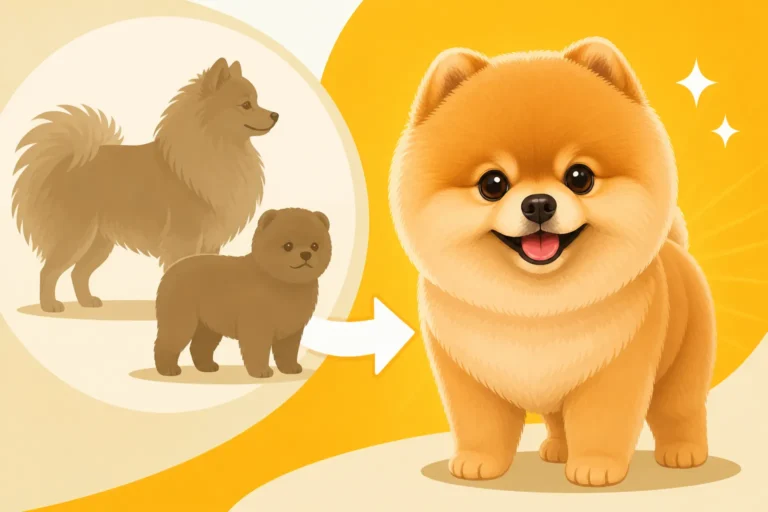
So, what makes an ear stand up? It all comes down to cartilage. Puppies are born with soft, pliable ear cartilage that gradually strengthens and hardens over time. This process is similar to how a human baby’s soft skull plates eventually fuse. As the puppy matures, the cartilage in their ears becomes more rigid, allowing the ears to stand upright. For most Pomeranian puppies, this process begins around 6 to 8 weeks of age, though it can sometimes happen earlier or take a bit longer. By the time they are 3 to 4 months old, you should generally see those ears beginning to firm up and stand with increasing consistency. This is a critical developmental window, and factors during this time can certainly influence the outcome.
When Do Pomeranian Ears Typically Stand?
Most Pomeranian puppies will start to show signs of their ears stiffening and standing up between 6 weeks and 4 months of age. It's not usually an overnight transformation; rather, you might notice one ear pop up for a day or two, then flop down again, only for the other to follow suit. It can be a bit of a dance as the cartilage develops. Often, the ears might stand erect for a while and then, seemingly out of nowhere, one or both might flop back down. This often coincides with other major developmental milestones, particularly teething. When a puppy is teething, their body diverts a lot of calcium and other nutrients to bone and tooth development, which can temporarily affect cartilage strength in the ears. It's a very common scenario that causes a lot of worry for new owners, but more often than not, the ears will eventually come back up once teething is complete. The age a Pomeranian puppy starts alert barking usually coincides with a more settled physical development, including those ears.
Why Some Pomeranian Ears Might Not Stand
While erect ears are the standard, not every Pomeranian will have them. It's important to understand the various reasons why a puppy's ears might not stand, as some are more easily addressed than others, and some are simply part of their unique charm. It’s definitely not a failure on your part as an owner.
Genetics and Breeding
The most significant factor in whether a Pomeranian’s ears stand is genetics. Reputable breeders strive to produce puppies that conform to the breed standard, which includes those lovely erect ears. They breed dogs with strong ear sets to pass on this trait. However, even with the best intentions, genetics can sometimes throw a curveball. If a Pomeranian has ancestors with softer ear cartilage or if there's an outcross in their lineage, it's possible for a puppy to inherit genes that result in ears that remain partially or fully dropped. This isn't necessarily a sign of a poorly bred dog, but rather a natural variation within the genetic pool. It highlights why understanding a puppy's lineage and asking your breeder about ear sets in previous litters can be helpful.
Nutritional Deficiencies
Proper nutrition plays a vital role in a puppy's overall development, including the strength of their cartilage. If a puppy isn't getting adequate calcium, protein, and other essential nutrients, their body might not have the building blocks needed to strengthen the ear cartilage sufficiently. This is especially critical during those early weeks and months when rapid growth is occurring. Ensuring your Pomeranian puppy is on a high-quality, balanced diet formulated for small breed puppies is crucial. Brands like Chewy often carry a wide selection of premium small breed puppy foods that are nutritionally dense, supporting healthy bone and cartilage development. Feeding a Pomeranian Puppy Often Enough to Stay Safe is important not just for blood sugar but for overall growth.
A puppy mill or backyard breeder, focused on quantity over quality, might not provide the best nutrition, leading to puppies with weaker cartilage. This is one of the many reasons to choose a responsible breeder who prioritizes the health and well-being of their dogs from day one.
The Impact of Teething
As mentioned, teething is a huge developmental hurdle for puppies, and it can significantly impact ear set. When a puppy is actively growing its adult teeth, a tremendous amount of calcium and other minerals are directed to those developing teeth and jawbones. This temporary diversion of resources can mean that the cartilage in the ears doesn't get the full support it needs, causing ears that were already standing to soften and flop again.
This period typically lasts from around 3 to 6 months of age. It can be quite frustrating for owners who see those perfect ears suddenly drop. The good news is that once the permanent teeth have fully erupted and the intense demand for calcium subsides, the ear cartilage often has the chance to firm back up, and the ears will stand erect once more. Patience is truly a virtue during this phase! It's part of the wider developmental journey that includes The Puppy Uglies a Pomeranian Goes Through.
Injury or Trauma
While Pomeranians are generally sturdy little dogs, their small size and playful nature can sometimes lead to minor bumps and scrapes. An injury to the ear, even something as simple as rough play with a littermate or an accidental tug, can damage the delicate cartilage. If the cartilage is fractured or severely bruised, it might not heal in a way that allows the ear to stand properly. Similarly, rough handling by humans, such as constantly pulling or bending the ears, could potentially contribute to weakened cartilage over time. It's another reason why teaching children to be gentle and supervising interactions with other pets is so important.
Holding Down the Ears
Sometimes, we inadvertently contribute to the problem. If a Pomeranian puppy is consistently picked up by the scruff of the neck in a way that puts pressure on the ears, or if they wear collars that are too heavy or fitted incorrectly, it can push the ears down and prevent them from developing their upright strength. Even certain types of grooming, if not done carefully, could put undue stress on the ear cartilage. While it's rare to cause permanent damage this way, it's something to be mindful of. Ensure any collars or harnesses are lightweight and fit properly, and always handle your Pomeranian with care, especially during their delicate puppy stage.
Supporting Your Pomeranian's Ears
If you're noticing your Pomeranian's ears aren't standing as expected, there are a few things you can do to support their natural development. It's important to approach these methods gently and, if in doubt, always consult with your veterinarian or an experienced Pomeranian breeder.
Optimal Nutrition and Supplements
Ensuring your puppy receives a top-notch diet is paramount. Look for a high-quality small breed puppy food that lists a good source of protein as the first ingredient and provides a balanced profile of vitamins and minerals. Calcium and phosphorus are crucial for bone and cartilage development, but remember that too much or too little of either can be detrimental. Stick to a puppy formula unless advised otherwise by your vet.
Some owners consider supplements, particularly those rich in collagen or glucosamine, which can support cartilage health. However, always discuss any supplements with your veterinarian before introducing them. Over-supplementation, especially with calcium, can be more harmful than helpful, potentially leading to skeletal issues. A good vet can guide you on whether a particular supplement is appropriate for your puppy's specific needs. Many reputable pet retailers, like Chewy, offer a wide array of supplements, but again, vet consultation is key.
Gentle Massage and Handling
While you can't magically make cartilage stiffen, gentle daily massage can sometimes stimulate blood flow to the ear and encourage strengthening. Using your thumb and forefinger, gently massage the base of the ear and work your way up towards the tip in a circular motion. Do this for a few minutes once or twice a day. The key word here is gentle – you're not trying to force the ear up, but rather to encourage natural development.
Beyond massage, ensuring proper handling is crucial. Always support your Pomeranian's body when picking them up, avoiding putting pressure on their head or ears. Allow them to explore and interact without constant restriction that might press their ears down. It's about letting them develop naturally in a supportive environment.
Ear Taping: A Debated Method
Ear taping is a method sometimes used by breeders or owners to help encourage erect ears, particularly if the ears have shown signs of standing but then flopped during teething. This involves carefully taping the ears into an upright position for a period, allowing the cartilage to strengthen in that desired shape.
However, ear taping is a debated topic and should only be undertaken with guidance from an experienced breeder or veterinarian who is familiar with the technique. Incorrect taping can cause irritation, restrict blood flow, or even damage the ear. It requires specific materials and a delicate touch. It’s definitely not a DIY project to attempt without expert instruction. If done improperly, it can cause more harm than good, leading to skin issues, discomfort, or even permanent damage. Most vets will advise against it unless there is a very specific, identified reason and proper technique can be assured.
When to Consult Your Veterinarian
If your Pomeranian's ears haven't started to stand by around 4-5 months of age, or if they were standing and then flopped and haven't come back up after teething, it's a good idea to chat with your vet. While it's often nothing to worry about, a vet can rule out any underlying health issues that might be affecting cartilage development. They can also assess your puppy's overall health and nutrition to ensure there are no deficiencies. Sometimes, what seems like a simple cosmetic concern can be a hint at a larger issue. Your vet is your best resource for personalized advice and can offer peace of mind.
Living with Non-Erect Ears
Ultimately, whether your Pomeranian's ears stand erect or not doesn't change a single thing about their personality, health, or capacity for love. While the breed standard specifies erect ears, many wonderful Pomeranians live full, happy lives with ears that never quite make the full stand.
Health Implications (or Lack Thereof)
For the vast majority of Pomeranians with non-erect ears, there are absolutely no health implications. It’s purely an aesthetic difference. Unlike some breeds where floppy ears can contribute to ear infections due to reduced airflow (think Basset Hounds or Cocker Spaniels), a Pomeranian's ears, even if they're a little soft or partially dropped, still allow for plenty of air circulation. Their small size and relatively open ear canal mean that ear infections aren't typically a higher risk for a Pomeranian with "soft" ears compared to one with perfectly erect ones. So, you can breathe a sigh of relief on that front!
Your vet will still check their ears during routine check-ups, and you should continue to keep them clean as part of your regular grooming routine. You can find gentle ear cleaning solutions and cotton balls on Chewy, making it easy to maintain good ear hygiene, regardless of their ear set. The Checkup Schedule a Pomeranian Should Keep will always include an ear exam.
Aesthetic Considerations and Unique Charm
Of course, if you had your heart set on that classic "foxy" Pomeranian look, it might take a little adjusting to your pup's unique ear set. But frankly, many people find slightly floppier or "soft-tipped" ears incredibly endearing! They can give a Pomeranian an even softer, more puppy-like, or even slightly mischievous appearance. Every dog is an individual, and these little quirks are part of what makes them special.
Think of it this way: your Pomeranian is one-of-a-kind. Their personality shines through far more than the angle of their ears ever will. Focus on their playful spirit, their affectionate nature, and that incredible bond you share. The Pomeranian That Cannot Be Left Alone will still demand your attention, regardless of their ear position.
The Personality Remains the Same
The angle of your Pomeranian's ears has absolutely no bearing on their intelligence, trainability, or temperament. A Pomeranian with floppy ears is just as likely to be a clever, spirited, and loving companion as one with perfect erect ears. Their confidence, their zest for life, their vocal nature – all these wonderful Pomeranian traits will be present whether their ears stand or not. Whether Spitz Independence Makes a Pomeranian Difficult is a question of breed character, not ear set.
Instead of focusing on a perceived imperfection, celebrate your dog's individuality. Love them for who they are, floppy ears and all! They certainly won't care one bit. Your job is to provide them with a loving home, good nutrition, regular exercise, and lots of cuddles, and those are things that have nothing to do with how their ears sit.
Disclaimer
This article is for general informational purposes only and does not constitute professional advice. Laws, prices and regulations vary by location and change over time. Consult a qualified professional for guidance on your specific situation.