The Thinning That Starts on a Pomeranian’s Hindquarters
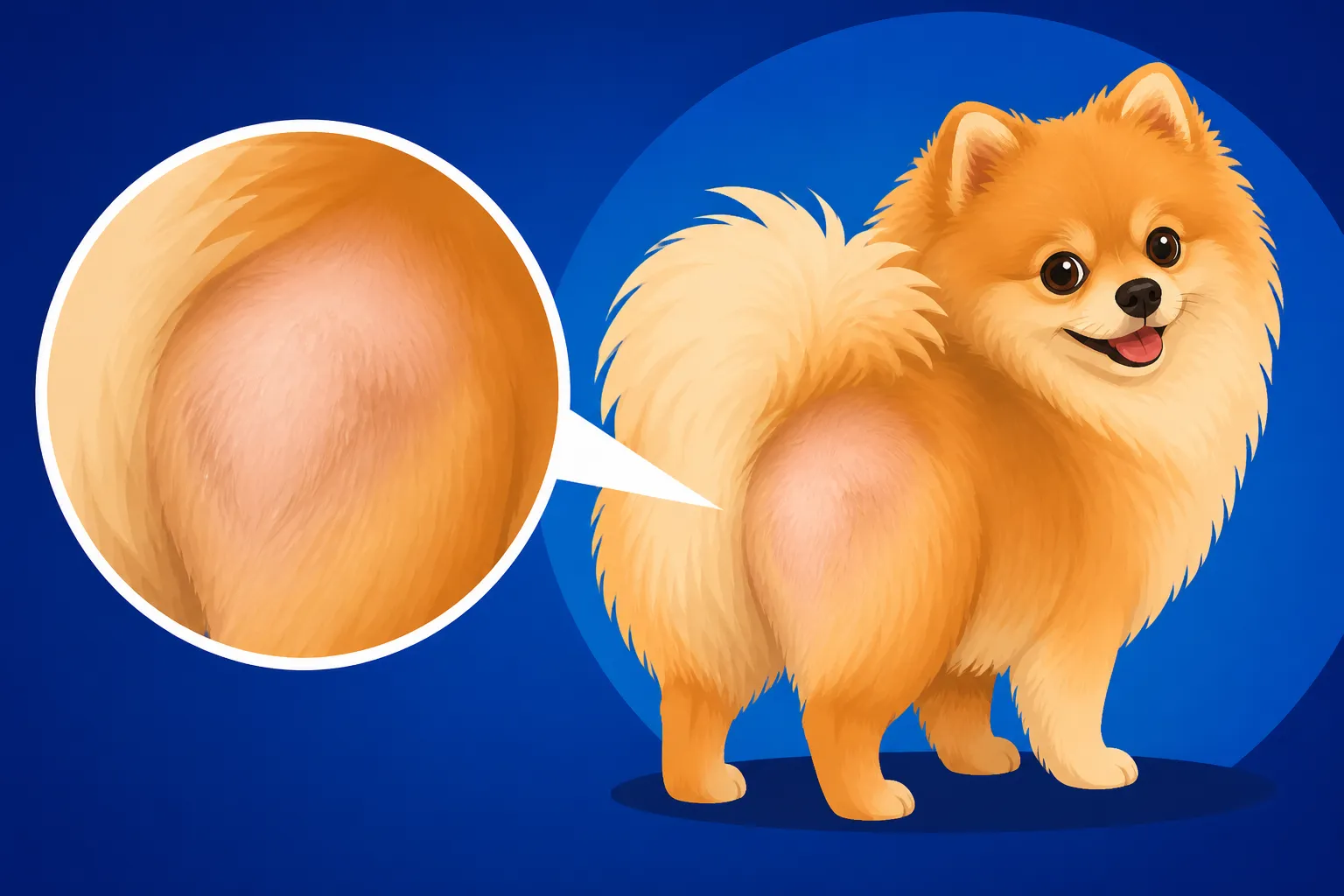
It’s truly disheartening, even alarming, when you run your hand over your cherished Pomeranian’s plush, magnificent coat and feel a noticeable sparsity, particularly around their hindquarters. That once fluffy, proud plume starts to look a bit threadbare, and it leaves you wondering what on earth is happening to your beloved companion. This comprehensive guide is here to unravel the mysteries behind hindquarter hair thinning in Pomeranians, exploring the common causes, diagnostic steps, and the best ways to support your fluffy friend.
Understanding the Pomeranian's Unique Double Coat
Pomeranians are renowned for their absolutely stunning, luxurious double coats. It's one of their most defining features, giving them that iconic fluffy, spirited look we all adore. But this very characteristic also makes any deviation from its usual density immediately noticeable and often quite distressing for owners.
The Anatomy of a Pomeranian's Coat
To truly understand why thinning on the hindquarters is such a concern, it helps to know a little about what makes a Pomeranian's coat so special. It's a double coat, meaning it consists of two distinct layers. The outer layer, known as the guard hairs, is made up of longer, coarser, straight hairs that provide protection from the elements. These are what give the coat its texture and outward appearance. Beneath this lies a soft, dense, downy undercoat, which is incredibly effective at insulating your Pom against both cold and heat. This undercoat is what provides the immense volume and "stand-off" appearance.
Normal shedding involves both guard hairs and undercoat, usually in seasonal "coat blows" where the undercoat is shed heavily, making room for new growth. However, when you observe a true thinning rather than just typical shedding, it implies a more systemic issue where new hair isn't growing in, or existing hair is falling out without replacement, leading to sparse patches. This is especially true when it's localized to specific areas like the hindquarters.
Why Thinning is So Noticeable on a Pomeranian
Because of the sheer volume and dense nature of the Pomeranian's coat, any reduction in hair density becomes dramatically apparent. A small area of thinning on a short-haired breed might barely be noticed, but on a Pom, it can transform the entire silhouette and aesthetics of their hindquarters. It’s not just about looks, though. That thick coat serves a vital function in protecting their delicate skin from environmental factors like sun and cold.
When the coat thins, especially on the hindquarters, their skin can become more vulnerable to sunburn, nicks, scratches, and even changes in temperature regulation. For an owner who prides themselves on maintaining their Pomeranian's magnificent fluff, seeing this change can be a real emotional blow, making them feel helpless. It’s a clear sign that something is amiss internally, and it warrants careful investigation rather than just hoping it will grow back.
Common Causes of Hindquarter Hair Thinning
Hair thinning on a Pomeranian’s hindquarters is rarely just a cosmetic issue. More often than not, it’s a symptom pointing to an underlying health problem. Understanding these common culprits is the first step toward getting your Pom the help they need.
Hormonal Imbalances and Alopecia X
One of the most frequent and frustrating causes of hair thinning in Pomeranians, particularly starting on the hindquarters and tail, is a condition known as Alopecia X. Many Pomeranian owners recognize it by its more common, descriptive name: Why Pomeranian Owners Call Alopecia X Black Skin Disease. This non-itchy, progressive hair loss often begins with the loss of the soft undercoat, followed by the guard hairs, eventually leading to bald patches and hyperpigmentation (darkening) of the skin in affected areas. It’s a mystery why it occurs, and it can be a long and challenging journey for owners. While it doesn't cause physical pain, seeing your dog lose their beautiful coat can be emotionally tough.
Beyond Alopecia X, other hormonal conditions can also lead to similar patterns of hair loss. Hypothyroidism, a condition where the thyroid gland doesn't produce enough thyroid hormone, can manifest as a dull, dry coat, patchy hair loss, and thinning, often symmetrically on the flanks and hindquarters. Ruling Out Thyroid on a Balding Pomeranian is one of the first things your vet will want to do. Another possibility is Cushing's disease (hyperadrenocorticism), where the body produces too much cortisol. This can also lead to symmetrical hair loss, thin skin, and other systemic symptoms. Often, The Hormone Disease Mistaken for a Pomeranian's Alopecia is Cushing's, further highlighting the need for thorough diagnostic testing.
Nutritional Deficiencies and Absorption Issues
Just like with humans, a dog’s coat health is a strong indicator of their overall nutritional status. A diet lacking in essential nutrients can absolutely contribute to poor coat quality and hair thinning. Think of it this way: your Pomeranian’s coat is constantly growing and regenerating, and that process requires a steady supply of building blocks. If those aren’t there, the growth stalls, and shedding might outpace regrowth.
Specifically, deficiencies in certain vitamins, minerals, and fatty acids can be problematic. Omega-3 and omega-6 fatty acids are crucial for skin and coat health, helping to maintain skin barrier function and reduce inflammation. Zinc and biotin are also vital for healthy hair growth. If your Pomeranian isn't getting a balanced diet, or if they have an underlying absorption issue that prevents them from utilizing the nutrients they consume, their coat will suffer. Sometimes, even with a seemingly good diet, a dog might have a sensitive stomach or gut issue that hinders proper nutrient uptake. It’s worth exploring Whether a Pomeranian Needs Fish Oil for Its Coat and other supplements with your vet.
Parasites, Allergies, and Skin Infections
While hormonal issues tend to cause non-itchy hair loss, itching, scratching, and licking are strong indicators that parasites, allergies, or infections might be at play. The hindquarters are a common spot for many of these issues to manifest.
- Parasites: Fleas are notorious for causing itching, especially around the base of the tail and hindquarters. A single flea bite can trigger intense itching in a sensitive dog, leading to them chewing and licking the area until the hair thins or falls out. Mites, such as Sarcoptes (scabies) or Demodex, can also cause severe itching and hair loss. Ringworm, a fungal infection, often presents as circular patches of hair loss, sometimes with redness and scaling.
- Allergies: Pomeranians, like many small breeds, can be prone to allergies – whether environmental (pollen, dust mites, grass) or food-related. Allergic reactions typically cause intense itchiness, leading your Pom to scratch, chew, or rub their hindquarters relentlessly. This self-trauma can break hair shafts, pull out hair, and even lead to secondary bacterial or yeast infections, which further exacerbate hair loss and skin irritation. These secondary infections might need specific treatments with antibiotics or antifungals.
Diagnosing the Root Cause with Your Veterinarian
When you notice hair thinning on your Pomeranian’s hindquarters, the very best thing you can do is schedule a visit with your veterinarian. This isn't something to try and self-diagnose or treat at home, as the causes are varied and require professional insight.
The Initial Vet Examination and Discussion
Your vet will start by taking a thorough history. This is where you, the owner, become an invaluable source of information. Be prepared to discuss:
- When you first noticed the thinning: Was it sudden or gradual?
- The pattern of hair loss: Is it symmetrical? Is it patchy or generalized?
- Any other symptoms: Is your Pom itching, licking, or chewing the area? Are there any changes in appetite, thirst, energy levels, weight, or bathroom habits?
- Diet and supplements: What do you feed your Pomeranian? Any recent changes?
- Grooming routine: How often do you brush them? Do you use specific shampoos?
- Exposure to other animals or environments: Could they have picked up parasites?
- Past medical history: Any previous skin issues, hormonal problems, or illnesses?
After the discussion, your vet will perform a comprehensive physical examination, paying close attention to the affected areas. They’ll look at the texture of the remaining hair, the condition of the skin underneath (redness, inflammation, scaling, blackening, dryness, oiliness), and check for any external parasites. They might gently tug on the hair to see how easily it comes out, which can give clues about the health of the hair follicles.
Diagnostic Tests for Hair Loss
Based on their initial findings, your vet will recommend specific diagnostic tests to pinpoint the exact cause of the hair loss. This might feel like a lot of tests, but each one serves a purpose in ruling out or confirming certain conditions.
- Skin Scrapes and Trichograms: For suspected parasites like mites, the vet will perform skin scrapes, gently scraping the top layer of skin to collect samples for microscopic examination. A trichogram involves plucking a few hairs to examine the hair shafts and follicles under a microscope, looking for signs of fungal infection, broken hairs, or abnormal hair growth cycles.
- Fungal Cultures: If ringworm is suspected, a fungal culture will be done. This involves plucking hairs from the affected area and placing them on a special medium to see if fungal growth occurs over a few weeks.
- Blood Work: Comprehensive blood work is crucial, especially if hormonal imbalances are suspected. This often includes a complete blood count (CBC) and a biochemistry panel to check organ function and look for signs of inflammation or infection. A thyroid panel is vital to Ruling Out Thyroid on a Balding Pomeranian. For suspected Cushing's disease, more specialized tests, like an ACTH stimulation test or a low-dose dexamethasone suppression test, may be performed to assess adrenal gland function.
- Allergy Testing: If allergies are suspected, your vet might recommend either blood tests (serum allergy testing) or intradermal skin testing to identify environmental allergens. For food allergies, an elimination diet trial is usually the most accurate method, which involves feeding a novel protein or hydrolyzed protein diet for several weeks to see if symptoms improve.
- Skin Biopsy: In some cases, especially when Alopecia X is suspected or if other tests are inconclusive, a skin biopsy may be recommended. This involves taking a small sample of skin under local anesthesia or sedation for microscopic examination by a veterinary pathologist. While it's a more invasive step, it can provide a definitive diagnosis for conditions like Alopecia X and help rule out other complex skin diseases.
This thorough diagnostic process is essential because treating the wrong condition can be ineffective and even harmful. Investing in these diagnostics is a crucial part of your Pomeranian's health journey, and understanding the costs involved can be reassuring. Many pet insurance providers, such as Healthy Paws, can help cover the costs of these diagnostic tests and subsequent treatments, providing peace of mind during a stressful time.
| Cause of Hair Thinning | Common Symptoms | Diagnostic Tests |
|---|---|---|
| Alopecia X | Non-itchy, symmetrical hair loss (hindquarters, tail), darkened skin | Skin biopsy (definitive), ruling out other causes |
| Hypothyroidism | Symmetrical hair loss (flanks, hindquarters), dull coat, lethargy, weight gain | Thyroid hormone blood panel |
| Cushing's Disease | Symmetrical hair loss, thin skin, pot-belly, increased thirst/urination | ACTH stimulation test, low-dose dexamethasone suppression test |
| Parasites (Fleas, Mites) | Intense itching, redness, scabs, often around tail base, ears, elbows | Skin scrapes, flea combing |
| Allergies | Itching, redness, licking/chewing feet, recurrent ear infections | Elimination diet (food), serum/intradermal testing (environmental) |
| Nutritional Deficiencies | Poor coat quality, dullness, generalized thinning | Diet review, blood tests (rarely specific for deficiencies) |
| Skin Infections | Redness, pustules, scaling, odor, itching (secondary to other issues) | Skin cytology, fungal culture, bacterial culture |
Navigating Treatment Options and Management
Once your veterinarian has a clearer picture of what's causing your Pomeranian's hindquarter hair thinning, they can develop a targeted treatment plan. This plan might involve medical interventions, supportive care, or a combination of both.
Medical Interventions for Underlying Conditions
For many underlying health issues, specific medical treatments are available:
- Hypothyroidism: If your Pom is diagnosed with hypothyroidism, they will likely need lifelong thyroid hormone replacement medication, typically given orally twice a day. This medication is usually very effective, and you should see a gradual improvement in coat quality and density, as well as energy levels, within a few weeks to months. Ruling Out Thyroid on a Balding Pomeranian early is key to prompt treatment.
- Cushing's Disease: Treatment for Cushing's disease depends on whether it's pituitary-dependent or adrenal-dependent, but often involves medications like Trilostane (Vetoryl) to suppress cortisol production. This is a long-term management strategy that requires careful monitoring and regular blood tests to ensure proper dosing.
- Parasites: Fleas are typically addressed with prescription flea prevention medications, which are highly effective. Mites may require specialized dips, oral medications (like Isoxazolines), or injectable treatments, depending on the type of mite. Ringworm is usually treated with oral antifungal medications and medicated shampoos.
- Allergies and Skin Infections: Bacterial or yeast infections secondary to allergies are treated with antibiotics or antifungals, often alongside medicated shampoos. Managing allergies themselves can be a complex journey. Environmental allergies might benefit from antihistamines, steroids (used cautiously due to side effects), allergen-specific immunotherapy (allergy shots or oral drops), or medications like Apoquel or Cytopoint. For food allergies, strict adherence to a prescription hypoallergenic diet is essential.
- Alopecia X: This condition is perhaps the most frustrating because there's no single "cure." Treatments aim to stimulate hair regrowth, but success varies greatly. Options include melatonin supplementation, which some owners have found effective for hair regrowth, though results are inconsistent. If you're considering this, read Whether Melatonin Regrows a Pomeranian's Coat for more insights. Micro-needling, castration (if not already neutered), or even adrenalectomy in rare cases have also been explored. It's a journey of trial and error, and patience is definitely required. It’s also important to remember that Whether Alopecia X Hurts a Pomeranian physically is generally no, but the emotional toll on owners can be significant.
Supportive Care and Coat Management
Beyond specific medical treatments, supportive care plays a vital role in healing and maintaining your Pomeranian’s skin and remaining coat.
- Specialized Shampoos and Conditioners: Your vet might recommend medicated shampoos for specific skin conditions (e.g., antibacterial, antifungal, anti-itch). Even for non-infectious causes, gentle, moisturizing shampoos and conditioners can soothe irritated skin and promote a healthier environment for hair growth. Always ensure the products are pH-balanced for dogs.
- Supplements: Certain supplements can support skin and coat health. Omega-3 fatty acids (fish oil) are widely recommended for their anti-inflammatory properties and ability to improve coat luster. Other supplements, like biotin, zinc, or specific multi-vitamins, might be suggested based on individual needs. Your vet can advise on appropriate dosages.
- Protecting Thinning Skin: Areas of thinning or baldness are vulnerable. If your Pom has significant hair loss, especially on their hindquarters, their skin is more exposed to the elements. During sunny weather, applying pet-safe sunscreen to exposed areas is crucial to Protecting a Bald Pomeranian's Skin From Sun and prevent sunburn. In colder climates, a light sweater or coat can provide warmth and protection.
- Grooming Considerations: While it might be tempting to shave a thinning coat, this is almost always a bad idea for a Pomeranian. Their double coat is designed to protect them, and shaving can damage the follicles, leading to further issues like "clipper alopecia," where the hair may never grow back properly, or at all. Whether a Groomer Should Ever Shave a Pomeranian is a common question, and the answer for Pomeranians is almost universally no. Instead, gentle brushing with a soft-bristle brush can stimulate blood flow to the skin and remove loose hair, but avoid harsh brushing that could further irritate sensitive skin.
Financial Planning for Diagnostics and Treatment
The journey of diagnosing and treating hair loss in a Pomeranian can be financially taxing. Initial vet visits, multiple diagnostic tests, ongoing medications, and specialized grooming products can add up quickly. It's a reality that often catches owners by surprise.
- Understanding Costs: A single vet visit might be manageable, but if extensive blood work, biopsies, allergy testing, or long-term medications are needed, the costs can escalate. For instance, specialized hormonal tests or long-term medication for Cushing's can be hundreds of dollars annually. Pet insurance plans, like those offered by Healthy Paws, are designed to help alleviate this financial burden, covering a significant portion of eligible vet bills for accidents and illnesses.
- Insurance Benefits: Many owners find that having a robust pet insurance policy can make the difference between pursuing the best possible care for their Pomeranian and having to make difficult financial choices. When considering insurance, it's wise to look for plans that cover diagnostic tests, specialist consultations, and ongoing treatments for chronic conditions. Thinking about "What Pet Insurance Runs on a Pomeranian" early on can save a lot of stress down the line. It's important to get insurance before any symptoms appear, as most policies have waiting periods and won't cover pre-existing conditions.
Preventing and Managing Long-Term Coat Health
Once the initial cause of hair thinning has been addressed, the focus shifts to preventing recurrence and maintaining optimal coat health for the long haul. This involves a holistic approach that includes diet, supplements, and consistent grooming.
Optimal Nutrition and Supplementation
A high-quality diet is the cornerstone of overall health, and this directly reflects in your Pomeranian's coat. Choose a reputable brand that offers a complete and balanced diet formulated for small breeds, ensuring it contains high-quality protein, essential fatty acids, and all necessary vitamins and minerals. Look for ingredients like chicken, salmon, and whole grains or vegetables, and avoid excessive fillers.
Even with a top-notch diet, some Pomeranians may benefit from targeted supplementation, especially those predisposed to skin or coat issues. Omega-3 fatty acids, often derived from fish oil, are particularly beneficial for their anti-inflammatory properties and their role in maintaining skin hydration and elasticity, which in turn supports a healthy coat. Discussing specific supplements with your vet is crucial to ensure appropriate dosage and to avoid any adverse interactions with other medications. They can also advise on the benefits of things like Whether a Pomeranian Needs Fish Oil for Its Coat.
Regular vet check-ups are also indispensable. These routine visits, ideally following The Checkup Schedule a Pomeranian Should Keep, allow your veterinarian to monitor your Pomeranian's overall health, catch any subtle changes in coat quality or skin condition early, and proactively address potential issues before they become severe. Early detection of conditions like hypothyroidism or nutritional deficiencies can significantly improve long-term outcomes and prevent extensive hair loss.
Regular Grooming and Skin Care Practices
Consistent and appropriate grooming is absolutely essential for a Pomeranian's coat health. Their dense double coat requires regular attention to prevent matting, maintain cleanliness, and stimulate healthy skin.
- Brushing: Aim for brushing your Pomeranian several times a week, if not daily. Use a slicker brush to get down to the undercoat, followed by a metal comb to ensure no tangles are left. Gentle brushing not only removes loose hair and prevents mats but also stimulates blood circulation to the skin, which can promote healthier hair growth. Pay particular attention to the hindquarters, legs, and behind the ears, as these areas are prone to matting. When you first notice The Age a Pomeranian's Coat Starts to Thin, gentle brushing becomes even more critical.
- Bathing: Bathe your Pomeranian as needed, typically every 2-4 weeks, using a high-quality shampoo and conditioner specifically formulated for dogs. Over-bathing can strip natural oils, leading to dry, irritated skin, while too little bathing can allow dirt and oils to build up, potentially contributing to skin issues. Always ensure to thoroughly rinse all shampoo and conditioner, as residue can cause irritation.
- Monitoring for Changes: Regular grooming sessions are also a perfect opportunity to perform a quick "health check" on your Pomeranian's skin. Look for any new redness, bumps, flaky patches, or changes in skin texture. Feel for any lumps or unusual warmth. Early detection of any skin abnormalities can prompt a timely vet visit and prevent small issues from escalating. If you notice any areas of irritation or excessive licking/chewing during grooming, it’s a sign to investigate further.
When to Seek Immediate Veterinary Attention
While gradual hair thinning often points to chronic conditions that can be managed, there are certain situations where hindquarter hair loss (or any hair loss) in your Pomeranian warrants immediate veterinary care. Knowing these warning signs can be critical for your pet's well-being.
Warning Signs Beyond Simple Thinning
It's natural to be concerned about hair thinning, but some accompanying symptoms elevate the situation from a "monitor and schedule a routine vet visit" to an "emergency vet visit" scenario. If you observe any of the following alongside hair loss, don't delay in contacting your vet:
- Intense Itching, Licking, or Chewing: If your Pomeranian is obsessively scratching, licking, or chewing their hindquarters (or anywhere else), especially to the point of breaking the skin or creating open sores, it could indicate severe allergies, parasitic infestation (like sarcoptic mange), or a painful infection. Constant self-trauma can lead to secondary bacterial infections that spread rapidly.
- Redness, Swelling, or Open Sores: Any significant inflammation, redness, or visible skin lesions like pustules, scabs, or weeping sores, suggests an active infection or severe allergic reaction. These can be painful and lead to systemic illness if left untreated.
- Foul Odor: A strong, unpleasant odor emanating from the affected skin usually signifies a bacterial or yeast infection, which requires medical intervention.
- Lethargy, Loss of Appetite, or Other Systemic Signs: If hair thinning is accompanied by a sudden drop in energy, refusal to eat, vomiting, diarrhea, increased thirst, or any other signs of general illness, it could point to a more serious underlying systemic disease that needs urgent attention. While The Causes of Death Recorded in Pomeranians often relate to age or specific diseases, any sudden decline in health merits immediate veterinary evaluation.
- Sudden or Rapid Hair Loss: While many hormonal issues cause gradual hair thinning, a sudden and rapid onset of hair loss, especially if accompanied by other symptoms, needs to be checked out quickly. This could indicate an acute allergic reaction, severe parasitic burden, or even an autoimmune condition.
Preparing for Your Vet Visit
When an urgent vet visit is needed, being prepared can help streamline the process and ensure your vet has all the necessary information.
- Take Notes and Photos: Document when you first noticed the thinning, any associated symptoms, and how long they've been occurring. Take clear photos of the affected areas, especially if they look different at various times of the day or if you've observed a rapid change.
- Gather Information: Be ready to discuss your Pomeranian's diet, medication history (including any over-the-counter supplements you're giving), recent activities, and any possible exposure to allergens or other animals.
- Ask Questions: Don't hesitate to ask your vet questions. Understanding the diagnostic process, potential causes, and treatment options is crucial. Ask about the prognosis, what to expect during treatment, and any potential side effects of medications. If you have concerns about the cost, discuss options like payment plans or pet insurance. Even if you don't have pet insurance already, providers like Healthy Paws can still offer guidance on future coverage.
Your prompt action and thorough information can make a significant difference in getting an accurate diagnosis and effective treatment for your Pomeranian, helping them return to their fluffy, happy self.
Disclaimer
The information provided in this article is for educational purposes only and is not intended to be a substitute for professional veterinary advice, diagnosis, or treatment. Always seek the advice of your veterinarian or other qualified animal health provider with any questions you may have regarding a medical condition.