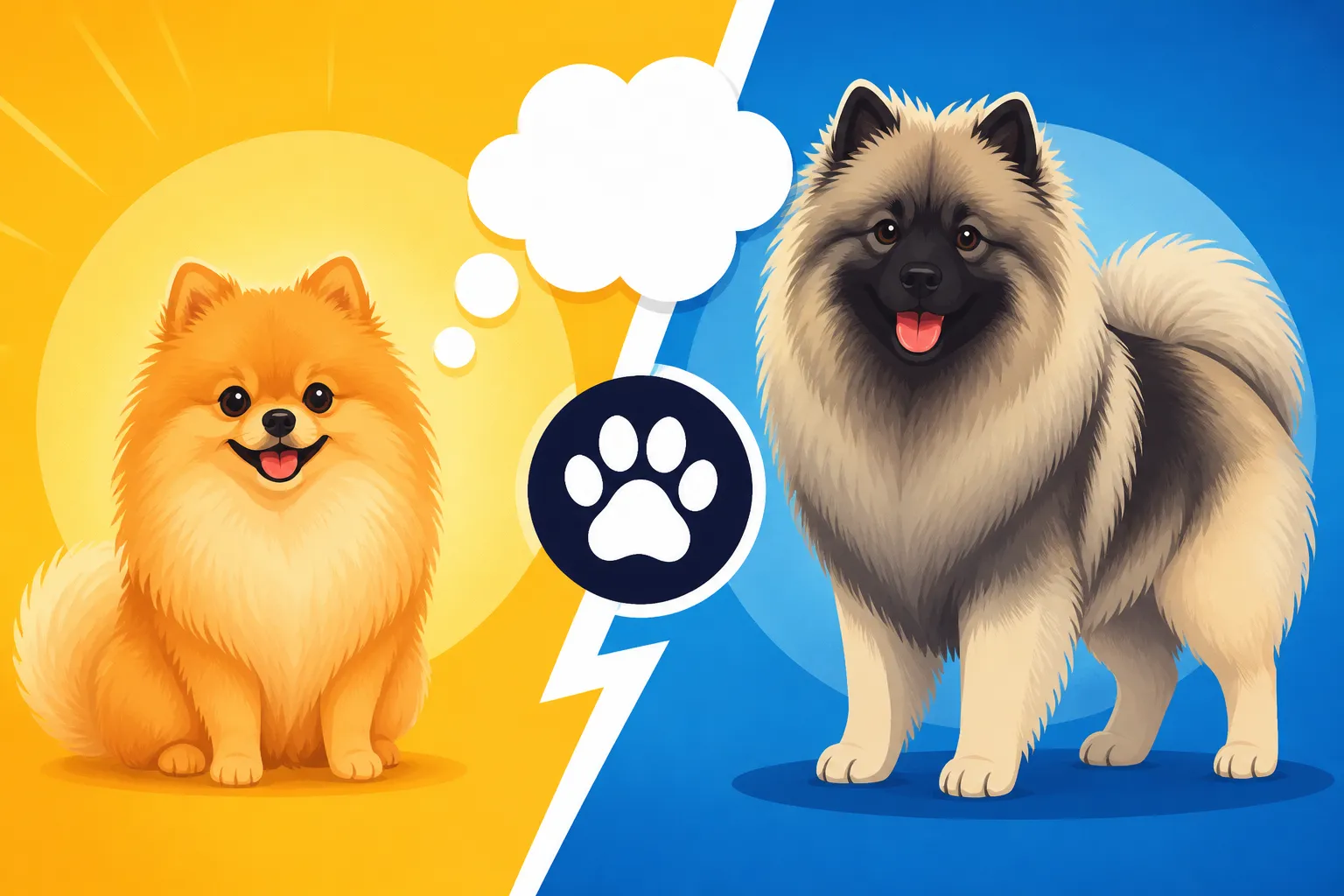
Whether the Keeshond Is a Large Pomeranian
It’s a question many dog lovers ponder, especially when they first encounter the delightful fluff and vibrant personalities of both the Pomeranian and the Keeshond: are they, in fact, the same dog, just in different sizes? It’s easy to see why this confusion arises, given their striking similarities in appearance, from their plush double coats to their foxy faces and curled tails. However, while they share a deep, common ancestry within the Spitz family, the Keeshond is not simply a "large Pomeranian." They are distinct breeds with their own unique histories, standards, and temperaments, each bringing its own special brand of joy to their human companions. This guide will explore their shared heritage, highlight their differences, and help you understand what makes each breed truly special.
Understanding the German Spitz Family Tree
To truly understand the relationship – or lack thereof, in terms of direct identity – between the Pomeranian and the Keeshond, we need to take a step back and look at their shared origins. Both breeds belong to the vast and ancient German Spitz family, a group of dogs known for their distinctive physical traits and lively personalities. This family tree is crucial to appreciating why they look so alike yet are recognized as separate entities.
Tracing the Pomeranian's Northern Roots
The Pomeranian's journey began in the historical region of Pomerania, an area now split between modern-day Germany and Poland. However, their true ancestry stretches even further back, to the powerful sled dogs and herding dogs of the Arctic. These were robust, working canines built for endurance and resilience in harsh climates. Think of dogs like the Samoyed or the Alaskan Malamute, and you get a sense of the sheer physical prowess of the Pomeranian's distant relatives. Over centuries, these larger Spitz dogs were selectively bred down in size, primarily for companionship rather than demanding physical labor. They were prized for their intelligence, loyalty, and of course, that magnificent double coat that kept them warm. Pomerania and the Sled Dogs Behind the Pomeranian really delves into this fascinating lineage.
It was in the 18th and 19th centuries, particularly in England, that the breed we recognize as the modern Pomeranian began to take shape. Queen Victoria, with her love for the breed, played an instrumental role in popularizing and further miniaturizing the Pomeranian from its earlier, larger forms, which could weigh upwards of 20-30 pounds. Through careful breeding and a focus on smaller specimens, the Pomeranian transitioned from a medium-sized companion to the tiny, spirited "toy" dog we adore today. This historical shift is vital for understanding how a breed that once shared significant physical similarities with its larger Spitz cousins diverged to become a distinct, petite breed.
The Various Sizes of German Spitz
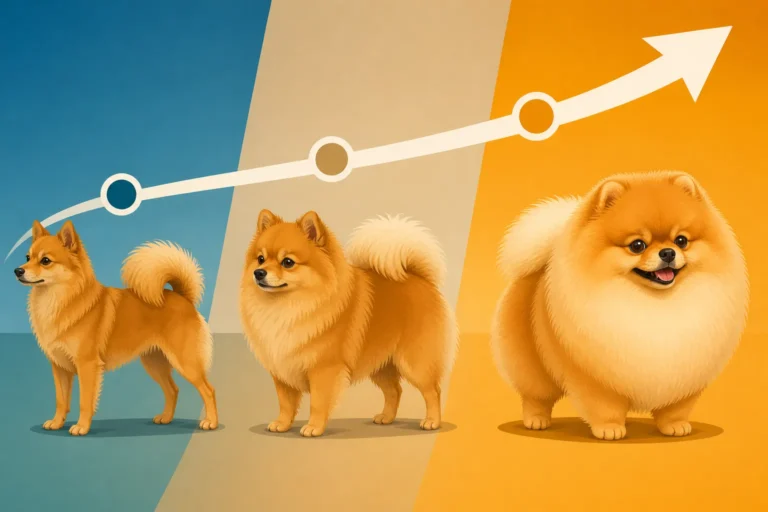
The German Spitz family is a spectrum of sizes, each with its own specific breed designation, even if they share many common traits. It's a bit like different models of the same car brand; they all share the core engineering, but they vary in size, features, and sometimes even purpose. The German Spitz breeds include the Keeshond (also known as the German Spitz, Wolfspitz variety in some regions), the Großspitz (Giant Spitz), Mittelspitz (Medium Spitz), Kleinspitz (Miniature Spitz), and the Zwergspitz (Toy Spitz), which is what the Pomeranian is internationally recognized as. This classification system clearly outlines that the Pomeranian is specifically the smallest variant within this family. The German Spitz Family a Pomeranian Belongs To offers an excellent overview of these different types.
Each of these Spitz types was developed with certain characteristics in mind, but they all retained the hallmarks of their ancestral lineage: pricked ears, dense double coats, foxy expressions, and tails curled over their backs. The key differentiator among them, at least initially, was size. The Keeshond, for example, retained much of the original, larger Spitz stature and its traditional role as a watch and companion dog, especially on barges and farms. The Pomeranian, on the other hand, was intentionally bred to be a lapdog, a charming and portable companion for European aristocracy and later, for anyone who fell in love with their pint-sized appeal.
Keeshond Characteristics: A Closer Look
The Keeshond is a truly magnificent dog, often described as having the face of a fox and the heart of a lion, combined with a perpetually happy disposition. They carry themselves with an air of intelligent curiosity and are known for their striking appearance and jovial nature.
Size, Coat, and Color of the Keeshond
Keeshonds are medium-sized dogs, typically weighing between 35 and 45 pounds and standing around 17 to 18 inches tall at the shoulder. This puts them firmly in a different category than the dainty Pomeranian. Their build is sturdy and well-proportioned, reflecting their history as versatile working companions rather than purely ornamental lapdogs. They have a distinctive "spectacle" marking around their eyes, giving them an almost benevolent, wise expression.
Perhaps their most notable feature, besides their size, is their luxuriant double coat. This coat is incredibly dense, with a harsh, long outer coat and a thick, soft undercoat. The fur stands off the body, creating a magnificent ruff around the neck and chest, and "britches" on the hind legs. Their tail, a glorious plume, curls tightly over their back. The coat color is always shades of grey, black, and cream, often described as "wolf grey." This unique color pattern, along with the "spectacles," is a hallmark of the breed. Maintaining such a coat requires regular grooming, though it is not as prone to matting as some might expect, given its volume. Many Keeshond owners invest in a good slicker brush and metal comb, available at retailers like Chewy, to keep their dog looking its best.
Keeshond Temperament and Purpose
Keeshonds are famously affectionate, friendly, and outgoing. They are often referred to as the "Dutch Barge Dog" because of their historical role as watchdogs and companions on barges navigating the canals of Holland. Their purpose was to alert their owners to intruders or unusual activity, but not to act as aggressive guard dogs. This history has shaped their temperament: they are excellent watchdogs, quick to bark at anything new or suspicious, but generally welcoming and amiable once they recognize a friendly face. They thrive on human companionship and are known for being particularly good with children, earning them the nickname "Nanny Dog" in some circles.
They are intelligent and eager to please, making them generally easy to train, though they can have a stubborn streak, a common trait in many Spitz breeds. Their vocal nature means that managing their barking can sometimes be a training focus, but with consistent positive reinforcement, they can be taught appropriate barking habits. They enjoy being active and participating in family activities, whether it's a walk in the park or a game of fetch in the yard. Their desire to be part of the family means they do not do well when left alone for long periods and can develop separation anxiety if not properly socialized and trained for alone time.
Pomeranian Characteristics: A Refresher
Now, let's circle back to our beloved Pomeranian. While they share that unmistakable Spitz charm with the Keeshond, their journey and refinement have led to a very different package.
Defining the Modern Pomeranian Standard
The modern Pomeranian is a tiny powerhouse, typically weighing between 3 and 7 pounds and standing around 6 to 7 inches tall. The breed standard emphasizes a compact body, a short back, and a graceful, high-stepping gait. Despite their small size, they possess a confident and sometimes audacious demeanor that belies their delicate frame. The Three to Seven Pounds a Pomeranian Is Allowed is a detailed look at this specific weight requirement.
Their double coat is their crowning glory – a profuse, fluffy undercoat and a long, straight, harsh-textured outer coat that stands off the body. This creates the iconic "powder puff" appearance with an impressive ruff around the neck and shoulders. Unlike the Keeshond's restricted color palette, Pomeranians come in a dazzling array of colors and patterns, including orange, black, white, cream, sable, blue, and parti-color. This wide variety is a testament to the selective breeding that has occurred over generations, moving beyond working utility to aesthetic diversity. Their ears are small and erect, and their tail, like the Keeshond's, is profusely feathered and carried up and over the back. The sheer volume of their coat means that regular brushing is not just a recommendation, it's a necessity, often requiring specific tools and techniques to work through the thick fur down to the skin. The Double Coat That Makes a Pomeranian and Why It Stays On dives into the intricacies of this magnificent feature.
Pomeranian Temperament and Companion Role
Pomeranians are known for their vivacious, outgoing, and sometimes mischievous personalities. They are highly intelligent and curious, often acting much larger than their physical size suggests. They are deeply devoted to their families and thrive on being the center of attention. Their primary purpose throughout their modern history has been that of a companion animal, a role they excel at with boundless enthusiasm.
Despite their small stature, Pomeranians are not fragile wallflowers. They are active and playful, enjoying short walks, games of fetch, and learning tricks. Their intelligence makes them quick learners, and they can excel in obedience and even agility. However, their bold nature means they sometimes forget their size, leading them to challenge much larger dogs or approach new situations with unwarranted confidence. Early socialization is crucial to ensure they grow into well-adjusted adults, comfortable with a variety of people, animals, and environments. They can be prone to excessive barking if not properly trained, often using their voice to alert their owners to every perceived change in their surroundings. This makes Why a Pomeranian Barks at Everything That Moves a very popular read for new owners.
Key Distinctions: More Than Just Size
While their shared Spitz heritage gives them a family resemblance, dismissing the Keeshond as simply a "large Pomeranian" ignores the meaningful distinctions in their physical attributes, temperamental nuances, and even their historical roles. These differences are what define them as separate, magnificent breeds.
Physical Differences Beyond Weight
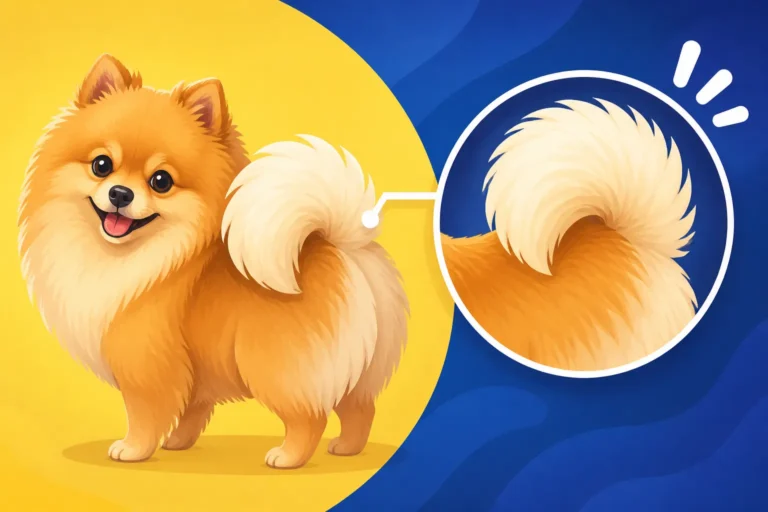
When you look beyond the obvious size disparity, several key physical characteristics set these two breeds apart. The Keeshond has a more substantial bone structure and a somewhat heavier, stockier build. Their heads are broad with a medium muzzle, and their eyes are typically almond-shaped, giving them that characteristic "spectacled" appearance. Their tail is often described as a tight curl, almost touching their back, and their gait is robust and free.
In contrast, the Pomeranian has a finer bone structure, a more delicate muzzle, and often larger, more expressive rounder eyes that contribute to their "foxy" or "baby-doll" look. Their tail is also curled over the back, but it's often more of an arch, with its profuse plume fanned out. Their gait is often described as dainty and quick. Even their coat, while both are double-coated, differs in texture and presentation. The Keeshond's coat is slightly coarser and designed for weather resistance, while the Pomeranian's is often softer and silkier, a testament to its role as an indoor companion. The color range is another major physical differentiator, with Keeshonds strictly adhering to the wolf grey spectrum, and Pomeranians boasting a rainbow of possibilities. Every Color a Pomeranian Comes In showcases this incredible variety.
| Feature | Keeshond | Pomeranian |
|---|---|---|
| Size | Medium (35-45 lbs, 17-18 inches) | Toy (3-7 lbs, 6-7 inches) |
| Build | Sturdy, substantial bone structure, well-proportioned | Compact, fine bone structure, delicate |
| Head | Broad, medium muzzle | More delicate, often foxy or baby-doll face |
| Eyes | Almond-shaped, "spectacled" marking | Often larger, rounder, expressive |
| Coat Color | Shades of grey, black, and cream (wolf grey) | Wide array: orange, black, white, sable, blue, etc. |
| Coat Texture | Harsh outer coat, thick soft undercoat | Long, straight, harsh outer coat, fluffy undercoat |
| Tail Carry | Tight curl, often touches back | Profuse plume, arched over back |
| Historical Role | Barge watchdog, companion | Companion, lapdog |
Temperamental Nuances and Training Approaches
While both breeds are intelligent and highly devoted, their temperaments have been shaped by their historical roles. Keeshonds, having served as watchdogs on barges, tend to be more reserved with strangers initially but quickly warm up. They possess a steadfast loyalty and a generally calm, even-keeled nature once their energy needs are met. Their larger size means that leash manners and basic obedience are paramount, as an unruly 40-pound dog can be a handful. Their intelligence makes them excel in formal training settings and canine sports. Tricks a Pomeranian Learns Quickly and Keeshond are both dogs who can quickly pick up new commands.
Pomeranians, bred primarily as companions, often display a more outgoing and sometimes feisty personality. They are less reserved and often eager to meet new people, though they can be quite vocal in their greetings. Their tendency to be the "alpha" in a small package means consistent training and boundaries are essential from a young age to prevent them from becoming overly bossy or yappy. Because of their small size, they often don't receive the same rigorous obedience training as larger dogs, which can lead to behavioral issues. However, when treated like a proper dog and given consistent guidance, they are incredibly bright and eager to please. For both breeds, positive reinforcement methods work best, and training sessions should be kept engaging and fun to hold their attention.
Why the Confusion Between Breeds?
It's clear that the Keeshond and Pomeranian are distinct breeds, but the persistence of the question "Is a Keeshond a large Pomeranian?" highlights some deep-seated reasons for the public's confusion. These reasons stem from shared ancestry, similar aesthetic appeals, and a general lack of in-depth knowledge about the nuanced world of dog breeds.
Shared Ancestry and Spitz Traits
The most significant factor contributing to the confusion is their shared lineage within the German Spitz family. All German Spitz varieties, from the tiniest Pomeranian to the larger Keeshond and beyond, exhibit a common set of physical traits known as "Spitz characteristics." These include the foxy face, prick ears, dense double coat, and a tail curled over the back. These are such strong identifiers that it's easy for an untrained eye to see two dogs with these traits and assume they are simply different sizes of the same breed. The German Spitz Sizes Above the Pomeranian really helps clarify the vastness of this family.
Furthermore, both breeds possess a lively intelligence, a strong bond with their families, and a tendency to be vocal. These shared behavioral patterns, alongside their physical similarities, reinforce the idea that they are merely variations on a single theme. People often don't realize the extent of selective breeding that has occurred over centuries to refine these dogs into their current, distinct forms, focusing on specific size ranges, temperaments, and even coat colors, all while maintaining the quintessential Spitz look.
The Impact of Historical Breeding Practices
Historically, dog breeding was less formalized than it is today, and regional variations of dogs often interbred. It wasn't until the late 19th and early 20th centuries that breed standards became widely established and kennel clubs began to register dogs based on strict criteria. Before this, local Spitz dogs, which varied in size, might have been loosely categorized. The ancestors of both Pomeranians and Keeshonds were once larger, more generalized Spitz types. The deliberate selection for miniaturization in the Pomeranian line and the maintenance of a medium size for the Keeshond diverged their paths.
Think about the context of Queen Victoria, Marco and the Pomeranian. Victoria's influence specifically drove the Pomeranian towards its smaller stature. This kind of focused breeding created a significant genetic split that solidified the Pomeranian as a distinct toy breed. The Keeshond, while also refined, maintained its size and traditional role, not undergoing the same intense miniaturization. Without this historical context, one might easily assume that the larger "Pomeranian" of old simply continued to exist as the Keeshond, when in reality, two separate breeding programs led to two separate breeds.
Living with a Keeshond vs. a Pomeranian
Deciding between a Keeshond and a Pomeranian, or understanding why someone might choose one over the other, comes down to more than just size. It involves looking at the practicalities of daily care, exercise needs, and how each breed fits into different home environments. While both are fantastic companions, their care requirements and suitability for certain lifestyles differ quite a bit.
Grooming and Care Considerations
Both Keeshonds and Pomeranians are famous for their magnificent double coats, which means both require a significant commitment to grooming. However, the sheer volume and density of a Keeshond's coat often translate to longer grooming sessions. A Keeshond needs thorough brushing at least 2-3 times a week, and sometimes daily during shedding season, to prevent mats and keep the coat healthy. Their size makes this a more physically demanding task for the owner. A good quality slicker brush and metal comb are indispensable, and you might find yourself browsing through Chewy's selection of grooming tools quite often. What a Year of Pomeranian Grooming Adds Up To is a great resource, and for a Keeshond, you can expect the financial and time commitment to be even greater due to their size.
Pomeranians, despite being smaller, also have a very dense coat that requires regular brushing, ideally every other day, to prevent tangles and maintain their characteristic fluff. Because they are smaller, their grooming sessions might be shorter in duration, but the frequency is just as critical. Both breeds "blow" their undercoat seasonally, which means an explosion of loose fur and an increased need for daily brushing to manage shedding. Neither breed should be shaved unless medically necessary, as shaving can damage their unique double coat and affect its ability to regulate temperature. Why a Shaved Pomeranian May Not Regrow explains why this is so important for double-coated breeds.
Space, Exercise, and Family Dynamics
The difference in size directly impacts the amount of space and exercise each breed requires. Keeshonds, being medium-sized dogs, need a moderate amount of exercise. Daily walks, playtime in a securely fenced yard, or engaging in canine sports like agility or obedience are ideal for keeping them physically and mentally stimulated. While they can adapt to apartment living if their exercise needs are consistently met, a house with a yard is often preferred. They are social dogs who thrive on being with their family and do best in homes where they aren't left alone for excessively long periods.
Pomeranians, due to their diminutive size, are much more adaptable to smaller living spaces, making them ideal for apartment dwellers. They still need daily exercise, but short walks and indoor playtime usually suffice. However, don't let their size fool you into thinking they don't need mental stimulation; they are intelligent and can become bored or destructive without adequate engagement. Games That Tire a Pomeranian Indoors offers fantastic ideas for keeping them busy. Their small size also makes them more vulnerable to accidental injury, especially around very young children or larger, boisterous pets, so supervision is key. While both breeds are generally good with children, the sturdy Keeshond is typically a better fit for families with rambunctious kids, whereas a Pomeranian might prefer a quieter home or older, more respectful children. A Pomeranian in a House With Small Children delves into navigating this delicate dynamic.
Ultimately, both the Keeshond and the Pomeranian are wonderful, devoted companions, each with their own charming personality and unique appeal. They share a magnificent heritage, but they have evolved into distinct breeds with differing needs.
Disclaimer
This article is for general informational purposes only and does not constitute professional advice. Laws, prices and regulations vary by location and change over time. Consult a qualified professional for guidance on your specific situation.