The German Spitz Family a Pomeranian Belongs To
It’s easy to look at a fluffy, spirited Pomeranian prancing around your living room and see nothing but an adorable toy dog, perfectly suited for laps and luxury. But beneath that glorious double coat and perky fox-like expression lies a heritage far more rugged and ancient than many new owners realize. If you've ever wondered why your tiny Pom sometimes acts like a much bigger dog, or why their coat needs such meticulous care, this guide will delve into the rich history of the German Spitz family and show you just how your beloved Pomeranian fits into that fascinating lineage.
Understanding the Spitz Family Tree
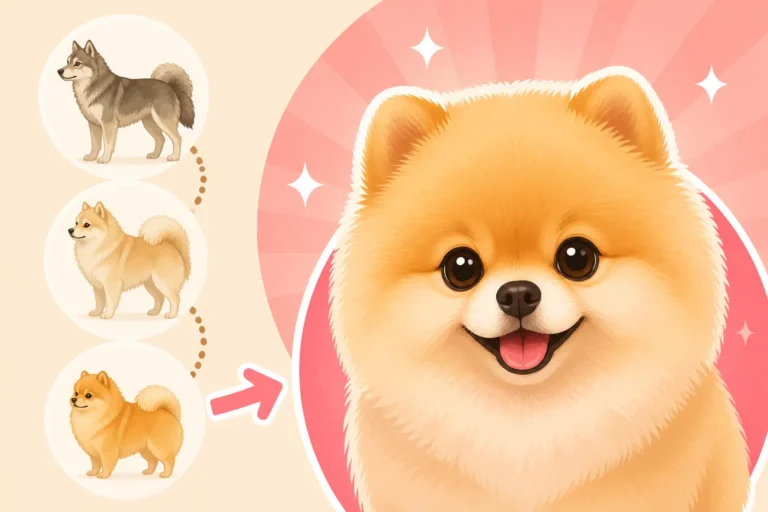
When we talk about the German Spitz family, we're really talking about a branch of a much larger, more ancient family tree: the Spitz type dogs. These aren't just a collection of fluffy canines; they represent some of the oldest dog breeds on the planet, with roots stretching back thousands of years. Their very existence speaks to a deep connection with human history, emerging from regions where survival often depended on a dog's keen senses and sturdy resilience.
Ancient Roots and Northern Origins
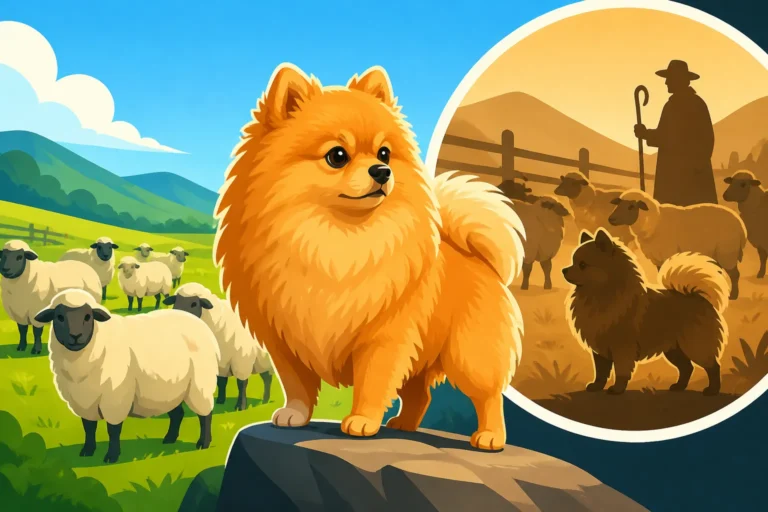
Imagine a world where reliable companions were essential for survival in harsh climates. That's the backdrop against which the Spitz type dogs first evolved. Their origins are primarily in the northern regions of the world, specifically parts of Europe and Asia, where they developed thick coats, curled tails, and watchful dispositions. These dogs weren't bred for delicate looks; they were bred for work, whether it was herding reindeer, pulling sleds, or guarding homes against intruders. They were truly versatile partners to early human settlements, showcasing a ruggedness that is still evident in their descendants today, even the most diminutive ones.
This deep historical lineage means that even your tiny Pomeranian carries a genetic blueprint shaped by centuries of adaptation to demanding environments. They weren't always the lapdogs we know today; their ancestors were hardy working dogs that faced down significant challenges. This heritage often explains some of the unexpected behaviors or physical traits we see in Poms – traits that might seem out of place for a modern toy breed but make perfect sense when you trace them back to their origins.
Key Characteristics of Spitz Breeds
The Spitz family shares a collection of defining characteristics that act as a kind of genetic signature. If you know what to look for, you can often spot a Spitz-type dog even if you don't know the specific breed. One of the most obvious features is their luxuriant, double-layered coat. This isn't just for show; it's a practical adaptation, designed to insulate them from extreme temperatures, keeping them warm in winter and surprisingly cool in summer. The Double Coat That Makes a Pomeranian and Why It Stays On explains this in more detail.
Beyond the coat, Spitz breeds typically possess small, erect ears and often have dark, almond-shaped eyes that convey an intelligent, alert expression. Their muzzles tend to be wedge-shaped, tapering to a black nose, giving them that characteristic "fox-like" appearance. And, of course, there's the tail: a hallmark of the Spitz, it's almost always carried high and curled over the back, often fanning out in a plume. These aren't just aesthetic preferences; they're functional traits that have been refined over millennia to suit their working roles and environmental challenges.
The German Spitz: A Diverse Group
Within the larger Spitz family, the German Spitz group stands out as particularly diverse. This isn't just one breed; it's a collection of dogs that share a common ancestry and very similar traits, differentiated primarily by their size. It’s like a set of siblings, all clearly related but with distinct individual characteristics that allow them to fit into different niches. These dogs have been cherished companions in Germany for centuries, reflecting a long tradition of breeding for both utility and companionship.
Distinguishing Between German Spitz Varieties
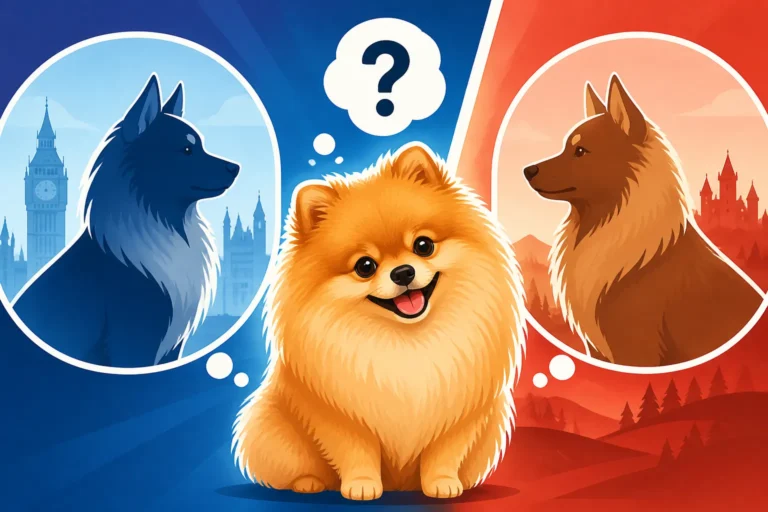
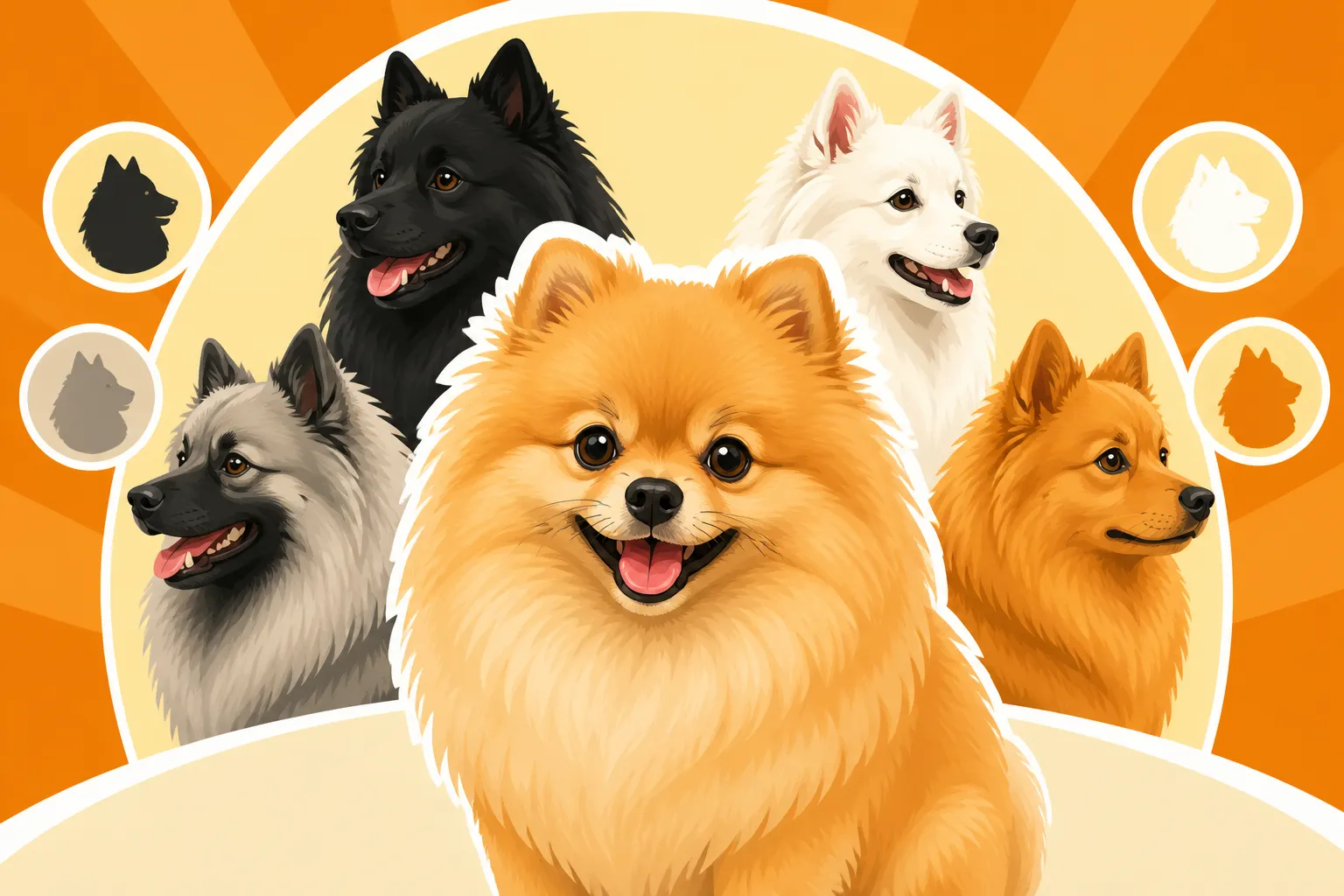
The German Spitz group encompasses several distinct varieties, often named for their size. These include the Keeshond (also known as the Wolfspitz), the Grossspitz (Giant Spitz), Mittelspitz (Medium Spitz), Kleinspitz (Miniature Spitz), and finally, the Zwergspitz (Dwarf Spitz), which is our beloved Pomeranian. While they all share that unmistakable Spitz look – the foxy face, prick ears, and curled tail – their size difference is quite striking. You could literally line them up from largest to smallest and see a clear progression.
For someone unfamiliar with the nuances, it might be confusing to see a dog that looks almost identical to a Pomeranian but is significantly larger. Rest assured, these are not just "big Poms"; they are distinct varieties within the same family. The German Spitz Sizes Above the Pomeranian offers a fascinating look at these larger relatives. Each size variant historically served a slightly different purpose, from guarding farmsteads to being valued companions, influencing their specific temperaments and roles in human society over time.
Common Traits Across German Spitz Dogs
Despite their size differences, all German Spitz varieties share a remarkable consistency in temperament and disposition. They are known for their intelligence, often displaying a quick wit and a surprising ability to learn new things, sometimes even too quickly for their owners' comfort! This intelligence often comes with a streak of independence, a trait inherited from their ancestors who needed to think for themselves. They're not always eager to please in the way a retriever might be; they have their own ideas about how things should be done.
Another universal trait is their incredible alertness. These dogs were traditionally watchdogs, and they take that job seriously. They are quick to notice anything out of the ordinary – a squirrel on the fence, a leaf blowing past the window, or a visitor approaching the door. This keen awareness is often expressed through their vocalizations; German Spitz dogs are known for being rather enthusiastic barkers. While this can sometimes be a challenge for owners, it's a deeply ingrained part of their heritage as guardians and communicators. Why a Pomeranian Barks at Everything That Moves delves into this characteristic trait.
Where the Pomeranian Sits in the German Spitz Hierarchy
The Pomeranian, as we know it today, is essentially the smallest member of the German Spitz family. It occupies the "Zwergspitz" category, which literally translates to "Dwarf Spitz." This tiny stature is a relatively recent development in the breed's long history, a testament to selective breeding efforts that aimed to create a more compact, companion-focused version of their larger kin. It's truly remarkable to think about how much they've changed while still retaining so many core Spitz characteristics.
The Zwergspitz Connection Dwarf Spitz
In many parts of the world, particularly within the FCI (Fédération Cynologique Internationale) system, the Pomeranian is officially recognized as the Zwergspitz. This designation highlights its direct relationship to the broader German Spitz group and emphasizes its "dwarf" size. It's not a separate breed entirely but rather the smallest expression of the German Spitz type. This might sound like a minor detail, but it's important for understanding their breed standard and the traits that are considered desirable.
When you see a Pomeranian, you're not just looking at a standalone "Pom"; you're looking at the smallest, most refined evolution of a robust, ancient lineage. This is why their structure, coat type, and general demeanor often mirror their larger cousins, just in a miniature package. If you’ve ever wondered Whether a Zwergspitz Is a Pomeranian, the answer is a resounding yes – they are one and the same in many global breed standards.
Size Evolution from Larger Ancestors
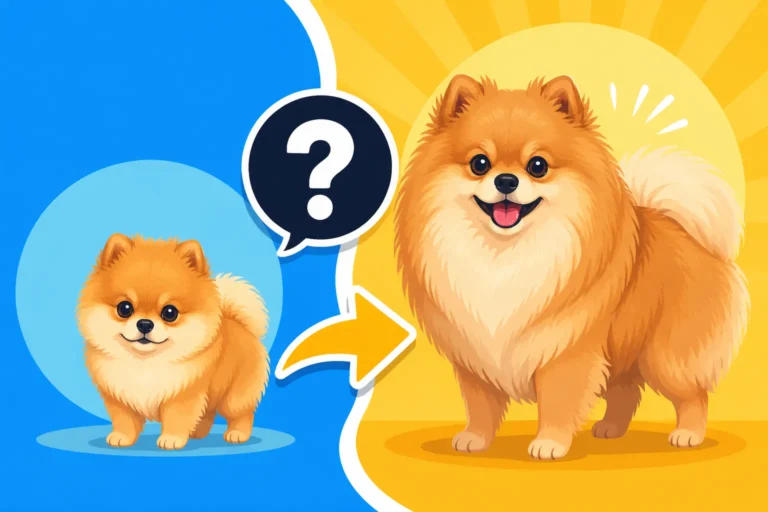
It's almost hard to believe, but the ancestors of today's small Pomeranians were significantly larger, often weighing between 20 to 30 pounds, sometimes even more. These were sturdy working dogs, used for herding and guarding in the region of Pomerania (hence the name, which spans parts of modern-day Germany and Poland). Over time, as societies changed and the need for working dogs shifted, there became a growing demand for smaller, more decorative companions.
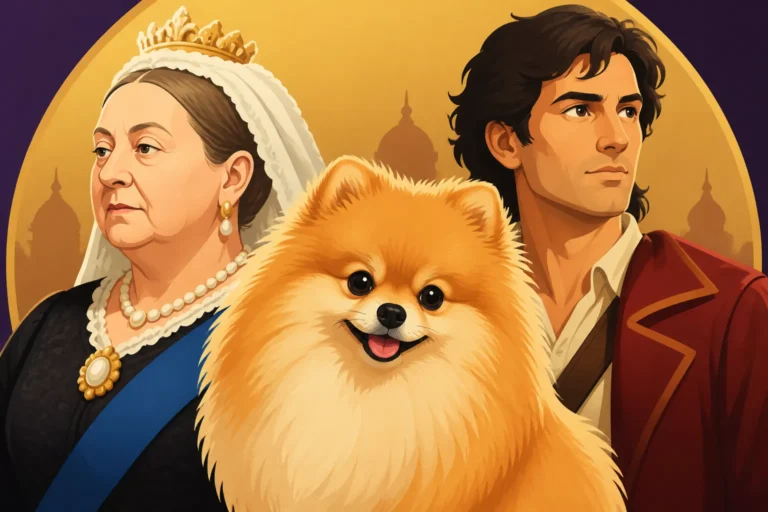
The transformation was largely driven by a fascination with miniaturization, especially among European royalty and nobility. Queen Victoria, Marco and the Pomeranian specifically details how Queen Victoria's particular fondness for smaller Poms, following her trip to Italy in the late 19th century, dramatically influenced breeding trends. Her preference for dogs weighing under 12 pounds accelerated the push towards the incredibly tiny Poms we see today. This history shows just How the Pomeranian Halved in Size in One Lifetime, a true marvel of selective breeding.
Shared Traits: What a Pomeranian Inherits from its Spitz Forebears
Despite the massive reduction in size, Pomeranians have retained many of the defining characteristics of their larger Spitz ancestors. These aren't just superficial resemblances; they are deeply ingrained traits that influence everything from their grooming needs to their behavior. Understanding these inherited qualities is key to appreciating and caring for a Pomeranian effectively.
The Iconic Double Coat and Its Purpose
One of the most striking features of any Spitz breed, and certainly of the Pomeranian, is their magnificent double coat. This coat is composed of two distinct layers: a soft, dense undercoat that provides insulation, and a longer, harsher outer coat of guard hairs that protect against dirt, moisture, and debris. This dual-layer system is incredibly efficient, designed by nature to keep the dog comfortable in a wide range of temperatures. For instance, in hot weather, the undercoat actually helps trap a layer of cooler air, protecting their skin from the sun.
Maintaining this impressive coat is a significant part of Pomeranian ownership. It requires regular brushing, often several times a week, to prevent mats and tangles and to distribute natural oils. Neglecting this grooming can lead to discomfort for the dog and serious skin issues. Specialized tools, like those you might find on Chewy, are essential for penetrating that thick undercoat without damaging the delicate guard hairs. This dedication to coat care is a direct echo of their ancestral needs, even if today's Poms are more likely to be found on a sofa than in a snowy field. You can read more about How Many Layers a Pomeranian's Coat Has for a deeper understanding.
Alert Nature and Vocal Tendencies
The historical role of Spitz dogs as vigilant watchdogs is clearly evident in the modern Pomeranian's alert nature. These small dogs are incredibly observant and possess keen senses. They're quick to pick up on any changes in their environment, whether it's a new sound outside, a person walking past the window, or even just a subtle shift in the household routine. This constant awareness makes them excellent little alarm systems, always ready to notify their family of anything they perceive as unusual or approaching.
This innate alertness often manifests as vocal behavior. Pomeranians are known for their lively and sometimes persistent barking. While this can sometimes be a challenge, especially in apartment living, it's not a flaw; it's a direct reflection of their heritage. Their ancestors barked to warn their human companions of danger, and Poms continue this tradition, albeit often about the mail carrier or a falling leaf. Consistent training and socialization are vital to help channel this instinct into appropriate situations, rather than trying to suppress it entirely, which can be frustrating for both dog and owner.
Intelligence and Independent Spirit
Pomeranians are surprisingly intelligent little dogs. They are quick learners and can pick up commands and tricks with relative ease. This intelligence, however, often comes with a strong independent streak, a classic Spitz trait. Their ancestors weren't just followers; they were dogs that needed to make decisions and solve problems on their own while guarding or herding. This means a Pom isn't always going to blindly obey every command. They often evaluate the situation and decide if they agree with your directive or if their own idea is better.
This independent spirit can sometimes be mistaken for stubbornness, which can certainly be frustrating for new owners! However, it's more accurately understood as a self-assuredness that requires a different approach to training. Positive reinforcement, engaging games, and making training sessions fun and rewarding are far more effective than heavy-handed methods. Understanding Whether Spitz Independence Makes a Pomeranian Difficult can help owners adapt their training styles to get the best out of their smart little companions. Providing mental stimulation with puzzle toys, easily found at pet retailers like Chewy, can also keep their intelligent minds engaged and prevent boredom-related behaviors.
How Pomeranian Size and Type Diverged
The journey from a robust, medium-sized working dog to the tiny, fluffy companion we adore today is one of the most remarkable transformations in canine history. It wasn't a sudden change but a gradual evolution, primarily driven by changing human preferences and focused breeding efforts. The story of the Pomeranian's miniaturization is intricately linked with European royalty and the burgeoning popularity of companion animals.
Queen Victoria's Influence on Miniaturization
While smaller Spitz-type dogs existed before her time, Queen Victoria of England is widely credited with cementing the preference for the truly diminutive Pomeranian. During a trip to Florence, Italy, in 1888, she fell in love with some of the smaller Poms she encountered there. She brought several back to England, most famously a tiny sable male named Marco, who reportedly weighed only 12 pounds. At a time when Pomeranians were often still considerably larger, Victoria’s public adoration and success in showing her smaller dogs had an immense impact on breeding practices.
Her personal preference set a new trend, making smaller size highly desirable among breeders and the public. This royal endorsement essentially redirected the course of the breed, encouraging breeders to selectively breed for smaller individuals. The demand for these dainty dogs skyrocketed, and what was once a relatively uniform breed began to diverge, with a clear emphasis on reducing their overall size. This pivotal moment truly shaped the Pomeranian into the toy breed we recognize today, emphasizing their role as cherished companions rather than working dogs.
Breeding for "Toy" Appeal
Following Queen Victoria's influence, breeders consciously began selecting for the smallest individuals in each litter, often prioritizing a compact size, luxurious coat, and delicate features over the more robust working traits of their ancestors. The goal was to create a dog that fit perfectly into the "toy" category – small enough to be easily carried, to fit comfortably in laps, and to be a decorative addition to fashionable households. This intense focus on miniaturization had a profound effect on the breed's physical characteristics.
This selective breeding not only reduced their body size but also emphasized traits like the "stand-off" coat, which gives them their characteristic puffed-up appearance. The Stand Off Coat a Pomeranian Must Have is a direct result of these breeding choices, making them even more visually appealing as a companion. While this brought them immense popularity, it also introduced some of the health considerations associated with extreme miniaturization, a trade-off that is often debated among breed enthusiasts and health-conscious owners.
Comparing the Pomeranian to Other German Spitz Breeds
To truly understand the Pomeranian, it's helpful to see it in context with its closest relatives within the German Spitz family. While they all share a common ancestry and a recognizable "Spitz look," there are distinct differences in size, temperament, and historical roles that set them apart. This comparison really highlights just how unique the Pomeranian's journey has been.
Pomeranian vs. Keeshond
The Keeshond is one of the largest members of the German Spitz family, often weighing between 35-45 pounds and standing around 17-18 inches tall. Visually, a Keeshond bears a strong resemblance to a larger, grey-and-black Pomeranian, especially with their dense coat, curled tail, and alert expression. Historically, Keeshonds were "barge dogs" or "Dutch barghonden," working as watchdogs on river barges in the Netherlands. They are known for their friendly, outgoing, and sometimes mischievous personalities.
While both breeds are intelligent and highly alert, the Keeshond's larger size means it typically requires more robust exercise than a Pomeranian. Their watchdog instincts are similar, but the Keeshond's bark is commensurately louder and deeper. A Pomeranian owner might recognize the shared love for barking at strangers, but the sheer volume difference is significant! The Keeshond, like the Pom, thrives on companionship and can develop separation anxiety if left alone too often, a shared trait of their people-oriented Spitz heritage.
Pomeranian vs. Mittelspitz
The Mittelspitz, or Medium Spitz, is a delightful mid-sized member of the German Spitz family, typically weighing between 15-25 pounds and standing around 12-15 inches tall. This size range puts them firmly between the larger Keeshond and the smaller Kleinspitz and Pomeranian. They are often described as having a lively, intelligent, and devoted temperament, making them wonderful companions. Their coat is just as thick and luxurious as a Pomeranian's, demanding similar grooming attention, though on a larger canvas.
A Mittelspitz shares the Pomeranian's keen alertness and tendency to bark, but due to their larger stature, they can sometimes appear a bit more imposing to strangers. They are energetic and require more activity than a Pom, enjoying walks and play sessions that might be too strenuous for a tiny Pomeranian. Both breeds are incredibly loyal to their families, but the Mittelspitz often possesses a slightly more reserved demeanor with new people, whereas many Poms are quick to make new friends (or demand attention from them).
Pomeranian vs. Kleinspitz
The Kleinspitz, or Miniature Spitz, is perhaps the closest in size to the Pomeranian without actually being a Pomeranian in breed standards where they are separated. Kleinspitz typically weigh between 8-10 pounds and stand around 9-11 inches tall. This is still a bit larger than the typical 3-7 pound Pomeranian, but the visual similarities are striking. They share the same foxy face, prick ears, and profuse double coat, often coming in similar colors.
Temperamentally, the Kleinspitz is very similar to the Pomeranian: intelligent, lively, alert, and devoted. They make excellent watchdogs, just like their smaller cousins, and share the vocal tendencies. The main difference really comes down to size and proportion; a Kleinspitz is still a "miniature" but not quite the "dwarf" of the Zwergspitz/Pomeranian. Their robust health generally mirrors that of the Pomeranian, though without some of the more extreme miniaturization challenges that can sometimes affect the very smallest Poms. The Six to Seven Inches a Pomeranian Measures is a key distinguishing feature for the Pomeranian, making them the smallest of the small.
Living with a Modern Pomeranian: Embracing Its Spitz Heritage
Understanding your Pomeranian's German Spitz heritage isn't just a fun history lesson; it's a practical tool for living happily with your furry companion. Many of their behaviors, instincts, and even their physical needs stem directly from this lineage. Embracing this background allows you to meet their needs more effectively and appreciate their unique personality for what it is.
Managing the Spitz Instincts in a Small Package
Even though Pomeranians are tiny, they often have the confidence and assertiveness of a much larger dog. This "big dog in a small body" mentality is a classic Spitz trait. They aren't easily intimidated and often aren't afraid to stand up to dogs many times their size. This can be charming, but it also means owners need to be diligent about socialization and supervision, especially around larger, less tolerant breeds. A Five Pound Pomeranian Around Big Dogs is a situation that always requires careful management.
Their watchdog instincts mean they will alert you to everything. While you can't erase this innate drive, you can manage it through training. Teaching a "quiet" command, providing appropriate outlets for their intelligence (like puzzle toys from Chewy), and ensuring they get enough mental and physical stimulation can help channel their energy constructively. Remember, they want to do a job, and if you don't give them one, they'll invent their own!
Celebrating the Unique Pomeranian Personality
The Pomeranian's Spitz heritage contributes significantly to its vibrant and often delightful personality. They are typically bold, curious, and incredibly devoted to their families. They love to be involved in whatever you're doing, whether it's watching TV, going for a walk, or simply relaxing on the couch. Their intelligence makes them engaging companions, always ready to learn a new trick or figure out a new puzzle. They thrive on interaction and attention, forming strong bonds with their human companions.
Embracing their heritage means understanding that they aren't just delicate lap warmers, though they excel at that too! They are spirited, intelligent, and sometimes a bit opinionated. They need consistent training, plenty of socialization, and owners who appreciate their spunky nature. Their loyalty and affection are immense, and once you understand and cater to their innate Spitz characteristics, you'll find yourself with a truly unique and endlessly entertaining companion. The spirit of those ancient, northern dogs lives on in every tiny, fluffy Pom.
| German Spitz Variety | Typical Height (at shoulder) | Typical Weight Range | Defining Characteristic |
|---|---|---|---|
| Keeshond (Wolfspitz) | 17-18 inches (43-46 cm) | 35-45 lbs (16-20 kg) | "Barge Dog," distinctive spectacles around eyes |
| Grossspitz | 17-19 inches (42-50 cm) | 38-45 lbs (17-20 kg) | Larger, robust farm guardian |
| Mittelspitz | 12-15 inches (30-38 cm) | 15-25 lbs (7-11 kg) | Medium-sized, lively companion |
| Kleinspitz | 9-11 inches (23-29 cm) | 8-10 lbs (3.5-4.5 kg) | Miniature, very similar to Pom but slightly larger |
| Pomeranian (Zwergspitz) | 6-7 inches (15-18 cm) | 3-7 lbs (1.4-3.2 kg) | Dwarf, profusely coated toy companion |
Disclaimer
This article is for general informational purposes only and does not constitute professional advice. Laws, prices and regulations vary by location and change over time. Consult a qualified professional for guidance on your specific situation.