The Heart Defect Found in Pomeranian Puppies
Discovering that your precious, fluffy Pomeranian puppy has a heart murmur can be utterly terrifying. Your mind races, picturing the worst, wondering what this means for their future, and desperately wanting to understand how to help such a tiny, fragile creature. This isn't just a clinical diagnosis; it's a deeply emotional moment. This comprehensive guide is here to walk you through the common heart defects found in Pomeranian puppies, what to expect, and how to navigate their care, offering both information and reassurance.
Understanding Congenital Heart Defects in Pomeranians
Bringing home a new Pomeranian puppy is filled with joy, fluffy cuddles, and endless potential. But sometimes, during that very first vet visit, you hear those words: "Your puppy has a heart murmur." It’s a gut punch, truly. What does it mean? A heart murmur is essentially an abnormal sound heard during a heartbeat, caused by turbulent blood flow. While not all murmurs are life-threatening, especially in very young puppies, some can indicate a serious underlying congenital heart defect that requires immediate attention. These are issues the puppy is born with, not something that develops later due to age or lifestyle, though those can occur too.
What a Heart Murmur Means for a Puppy
When a veterinarian listens to your puppy's chest with a stethoscope and hears a murmur, they're detecting an irregularity in the whoosh-whoosh sound of the heart. Think of it like a river: normally, water flows smoothly, making a gentle sound. If there's a rock or a narrow bend, the water becomes turbulent, making a different, louder sound. The same principle applies to blood flowing through the heart.
For a young Pomeranian puppy, a murmur can sometimes be "innocent," meaning it's a physiological murmur common in fast-growing pups and often resolves on its own as they mature. These usually disappear by 4-6 months of age. However, a persistent or loud murmur, especially one heard in certain locations, is a red flag for a congenital heart defect. The vet will grade the murmur on a scale of I to VI, with VI being the loudest, which helps indicate severity, though even a mild murmur can sometimes signify a significant underlying problem. It's truly a complex situation, and it requires careful investigation.
Common Types of Congenital Heart Defects
Pomeranians, like many small breeds, can be predisposed to several types of congenital heart defects. These defects stem from improper development of the heart or major blood vessels before birth. The structure of the heart is incredibly intricate, designed to pump blood efficiently throughout the body. When even a small part isn't formed correctly, it can disrupt this vital process.
One of the most common defects we see in Pomeranian puppies is Patent Ductus Arteriosus (PDA), but it’s certainly not the only one. Other serious concerns include various forms of valvular stenosis (narrowing of heart valves), or septal defects (holes between the heart chambers). Each of these conditions affects the heart's ability to pump blood effectively, leading to a range of symptoms depending on the severity and location of the defect. It's a lot to take in, especially when you're looking at a tiny, innocent face.
Why Pomeranians Are Prone to Heart Issues
It's a frustrating reality that certain breeds, including our beloved Pomeranians, carry genetic predispositions to specific health problems. When you’re researching breeders, it’s not just about finding a beautiful puppy, but one from lines with a history of good health. The smaller size and specific genetic makeup of Pomeranians unfortunately put them at a higher risk for certain congenital heart defects compared to some larger breeds.
Responsible breeders often screen their breeding dogs for known genetic conditions, including heart issues, to try and reduce the incidence in their puppies. However, even with the best intentions and health clearances, these things can still happen. The intricate process of heart development in a tiny fetus can go awry for reasons that aren't always fully understood, even by the most seasoned veterinarians. It highlights the importance of choosing a reputable breeder who prioritizes health and openly discusses potential breed-specific issues. Many owners wonder The Heart Defect Found in Pomeranian Puppies and this guide aims to provide clarity.
Patent Ductus Arteriosus PDA in Pomeranian Puppies
Among the various congenital heart defects, Patent Ductus Arteriosus, or PDA, is one of the most frequently diagnosed in puppies, and Pomeranians are certainly on the list of predisposed breeds. It sounds complicated, but understanding what it is can help you process the diagnosis and treatment options. It’s a defect that’s completely curable if caught and treated early, which is why those first vet visits are so critical.
What Exactly is PDA?
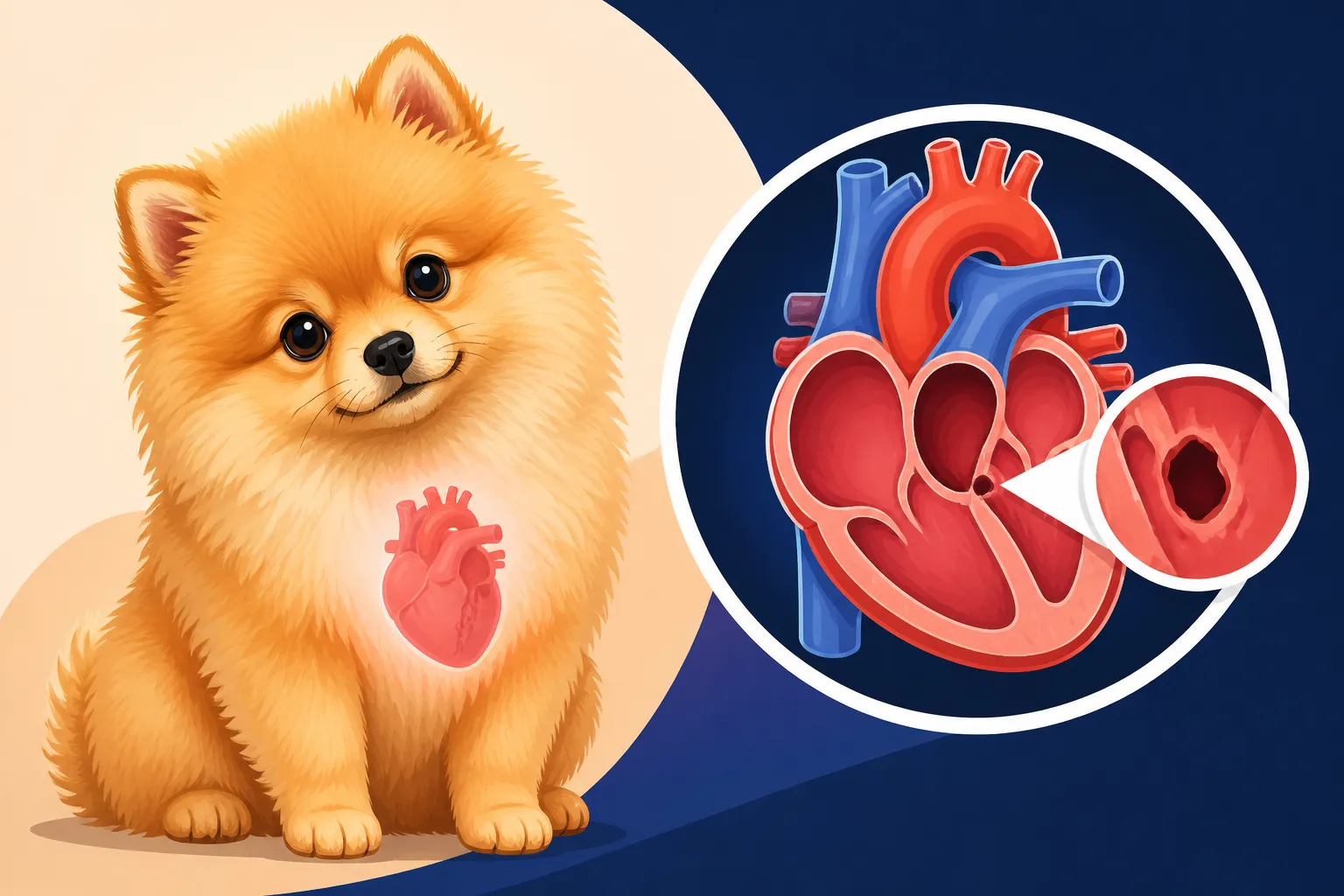
To understand PDA, we need to take a quick peek at how a puppy's circulatory system works before they're born. Inside the mother, a fetal puppy doesn't use its lungs for breathing. Instead, oxygenated blood comes from the placenta. To bypass the non-functional lungs, there's a temporary blood vessel called the ductus arteriosus. This vessel connects the aorta (the main artery carrying oxygenated blood to the body) to the pulmonary artery (which normally carries deoxygenated blood to the lungs). After birth, when the puppy takes its first breath, the lungs begin to work, and this ductus arteriosus is supposed to naturally close up within a few hours or days.
When it fails to close, it's called a Patent Ductus Arteriosus. "Patent" simply means open. So, instead of blood flowing cleanly from the heart to the lungs and then to the body, some oxygenated blood from the aorta "leaks" back into the pulmonary artery and then goes back to the lungs again. This creates a continuous, high-pressure flow that overloads the pulmonary vessels and the left side of the heart. Over time, this extra workload can lead to heart enlargement, pulmonary hypertension, and eventually, congestive heart failure. It's a serious problem, but thankfully, often fixable.
Recognizing the Signs and Symptoms of PDA
The good news is that PDA often produces a very distinctive heart murmur that a vet can easily hear. It’s often described as a "machinery murmur" because it sounds like a continuous humming or roaring, audible throughout the entire cardiac cycle, and usually loudest on the left side of the chest. This is often the first and sometimes only sign in a young puppy.
However, as the condition progresses and the heart starts to struggle, other symptoms can emerge. You might notice your Pomeranian puppy isn't growing as quickly as their littermates, or they might seem unusually small compared to what The Three to Seven Pounds a Pomeranian Should Hold suggests. They might have a persistent cough, especially after exercise, due to fluid building up in the lungs. They could show exercise intolerance, tiring quickly during playtime, or even exhibit difficulty breathing. In severe cases, you might see blue-tinged gums, a sign of low oxygen, though this is less common with typical PDA. If left untreated, severe PDA can lead to heart failure symptoms like lethargy, fluid in the abdomen (ascites), and a poor quality of life. It’s crucial to catch this early, even if your puppy seems otherwise normal.
Diagnosing PDA in Your Little One
Once your vet detects a suspicious heart murmur, the next step is usually a referral to a veterinary cardiologist. These specialists have advanced equipment and expertise to confirm the diagnosis and assess the severity of the defect. The primary diagnostic tool is an echocardiogram, which is essentially an ultrasound of the heart. This non-invasive procedure allows the cardiologist to visualize the heart's structures, measure blood flow, and confirm the presence of an open ductus arteriosus. They can see the turbulent blood flow directly and assess the size of the heart chambers and major vessels.
In addition to an echocardiogram, the cardiologist may recommend chest X-rays to check for heart enlargement or fluid accumulation in the lungs. An electrocardiogram (ECG) might also be performed to assess the heart's electrical activity and rule out any arrhythmias. While waiting for these specialist appointments, it can feel like an eternity, filled with worry and uncertainty. Knowing that The Heart Murmur Heard on a Pomeranian Puppy is being thoroughly investigated is a small comfort, but the waiting game is hard. Many pet owners find that a good pet insurance plan like Healthy Paws can significantly ease the financial burden of these specialized diagnostics.
Pulmonic Stenosis and Aortic Stenosis
While PDA often gets the spotlight due to its prevalence and curability, it's important to be aware of other significant congenital heart defects that can affect Pomeranian puppies. Valvular stenoses, particularly pulmonic stenosis and aortic stenosis, are also serious conditions that impact blood flow from the heart. These conditions involve a narrowing of the outflow tracts from the heart, meaning the blood has to work much harder to get where it needs to go.
Obstructions to Blood Flow: Pulmonic Stenosis
Pulmonic stenosis is a condition where the pulmonic valve, located between the right ventricle and the pulmonary artery (which goes to the lungs), is narrowed or improperly formed. This narrowing obstructs the normal flow of blood from the right side of the heart to the lungs. Imagine trying to push a lot of water through a very narrow pipe – it takes a lot more pressure and effort.
In a puppy with pulmonic stenosis, the right ventricle has to pump much harder to force blood through this constricted valve. Over time, this increased workload causes the right ventricle to thicken and enlarge (hypertrophy), as it tries to compensate. If the stenosis is severe, the right ventricle can eventually fail, leading to fluid retention in the body, such as ascites (fluid in the abdomen) or peripheral edema (swelling in the limbs). Mild cases might never show symptoms, but moderate to severe cases can significantly impact a Pomeranian's quality of life and lifespan. The murmur associated with pulmonic stenosis is usually heard on the left side of the chest, near the base of the heart, and is typically a harsh, systolic murmur.
Aortic Stenosis: Another Serious Consideration
Aortic stenosis, though less common in Pomeranians than some other breeds, is another serious congenital heart defect. This condition involves a narrowing of the aortic valve or the area just below it, which is the gateway from the left ventricle to the aorta – the main artery that supplies oxygenated blood to the entire body. Just like with pulmonic stenosis, this narrowing makes the heart's job much harder.
When a puppy has aortic stenosis, the left ventricle has to generate extreme pressure to push blood through the constricted opening and out to the body. This constant, excessive workload leads to the thickening and enlargement of the left ventricle muscle, a condition called left ventricular hypertrophy. The major concern with severe aortic stenosis is the risk of sudden death, especially during periods of high excitement or strenuous exercise, due to an increased demand for blood that the compromised heart cannot meet. Symptoms can include exercise intolerance, fainting spells (syncope), or even sudden collapse. The murmur for aortic stenosis is typically heard on the left side of the chest, higher up, and has a harsh, loud quality.
How These Conditions Impact a Pomeranian's Life
The impact of both pulmonic and aortic stenosis on a Pomeranian's life can range from negligible in very mild cases to life-threatening in severe ones. In mild cases, a puppy might lead a relatively normal life, perhaps just needing regular monitoring. However, as the severity increases, symptoms become more apparent and debilitating. Exercise intolerance is a common sign, where your usually energetic Pomeranian puppy might tire much more quickly than expected during play. They might pant excessively, seem lethargic, or even cough.
For severe cases, the prognosis is often guarded without intervention. The continuous strain on the heart muscles can lead to progressive heart failure, characterized by fluid buildup in the lungs or abdomen, difficulty breathing, and a significant decrease in overall vitality. In the case of severe aortic stenosis, the risk of sudden cardiac death is a constant, terrifying possibility for owners. The goal with diagnosis is to assess the severity and determine if any interventions can improve blood flow and reduce the strain on the heart, ultimately aiming to provide your little companion with the longest, happiest life possible.
Other Less Common Heart Conditions
While PDA and certain stenoses are more frequently discussed, the heart is a complex organ, and several other congenital defects can affect Pomeranian puppies. Though less common, these conditions are no less serious and require careful diagnosis and management. The spectrum of heart anomalies is wide, and a thorough cardiac workup is vital to pinpoint the exact issue.
Ventricular Septal Defects VSD
A Ventricular Septal Defect, or VSD, is essentially a "hole in the heart." Specifically, it's an opening in the septum, the muscular wall that separates the left and right ventricles (the two lower pumping chambers of the heart). Normally, this wall is complete, ensuring that oxygenated blood from the left side and deoxygenated blood from the right side remain separate.
With a VSD, blood can flow from the left ventricle (where pressure is higher and blood is oxygenated) to the right ventricle (where pressure is lower and blood is deoxygenated). This "shunting" of blood means that the right side of the heart and the lungs receive extra blood volume, leading to an overload. The severity of a VSD largely depends on the size of the hole. Small VSDs might cause no significant problems and sometimes even close on their own. Larger defects, however, can lead to serious complications such as pulmonary hypertension, congestive heart failure, and an overall failure to thrive for the puppy. The murmur associated with a VSD is typically loud and harsh, heard on both sides of the chest, and often described as a "holosystolic" murmur.
Mitral Valve Dysplasia
The mitral valve is a crucial valve located between the left atrium and the left ventricle. Its job is to prevent blood from flowing backward into the left atrium when the left ventricle contracts to pump blood out to the body. Mitral valve dysplasia is a congenital condition where this valve is malformed or doesn't function properly. Instead of a smooth, efficient closure, the dysplastic valve might leak (insufficiency or regurgitation) or be narrowed (stenosis), or a combination of both.
When the mitral valve doesn't close completely, blood leaks back into the left atrium with each heartbeat. This backward flow increases the volume and pressure in the left atrium and, over time, can lead to enlargement of this chamber. It also means less blood is effectively pumped forward to the body. Symptoms might include a cough, exercise intolerance, and difficulty breathing. While mitral valve disease is more commonly associated with aging dogs (degenerative mitral valve disease), a congenital form can be present from birth. The murmur for mitral valve dysplasia is typically a systolic murmur, heard loudest over the left apex of the heart.
The Importance of Early Vet Intervention
Regardless of the specific defect, the common thread here is the immense importance of early veterinary intervention. The initial detection of The Heart Murmur Heard on a Pomeranian Puppy at your first vet check is not just a routine finding; it's a critical alert. These tiny hearts are fragile, and congenital defects put an enormous strain on them right from the start.
Prompt diagnosis through an echocardiogram and consultation with a veterinary cardiologist allows for the best possible treatment plan. Early intervention can prevent irreversible damage to the heart and lungs, improve the puppy's quality of life, and in many cases, lead to a completely normal lifespan, especially with conditions like PDA where surgery can be curative. Delaying diagnosis or treatment, particularly for conditions that cause significant shunting or obstruction, can lead to progressive and irreversible heart failure, making treatment much more challenging and the prognosis significantly poorer. Never underestimate the power of those first vet visits to shape your Pomeranian's future health.
Navigating the Diagnostic Process
Finding out your Pomeranian puppy has a heart murmur is an emotional rollercoaster. It’s natural to feel overwhelmed, but remember, you’re not alone. The diagnostic process, while it might seem daunting, is designed to give you clear answers and the best path forward. It begins with your general practice veterinarian and often involves a specialist.
The Initial Vet Visit and Murmur Grading
Your journey often starts with a routine puppy check-up. This is when your veterinarian will listen to your Pomeranian's heart with a stethoscope. If they hear an abnormal whooshing sound, they'll identify it as a heart murmur. The first step your vet will take is to grade the murmur. This grading system ranges from I to VI, with I being very soft and barely audible, and VI being extremely loud and often palpable (you can feel the vibration on the chest).
The location where the murmur is heard loudest, its timing (systolic, diastolic, or continuous), and its intensity all provide clues about the underlying problem. Your vet will also consider your puppy's age, overall health, and any other symptoms they might be showing. For many puppies, especially those under 12 weeks, the vet might recommend a recheck in a few weeks to see if it’s an "innocent" murmur that resolves. However, for loud, continuous, or otherwise concerning murmurs, or if your puppy is showing symptoms like coughing or tiring easily, an immediate referral to a specialist will be recommended. This initial assessment is crucial, as it dictates the urgency and direction of further investigation.
Advanced Cardiac Imaging and Specialist Referrals
If the initial murmur is concerning, or persists beyond the "innocent" period, your veterinarian will likely recommend a referral to a board-certified veterinary cardiologist. These specialists have advanced training and equipment specifically for diagnosing and treating heart conditions. The cornerstone of their diagnostic toolkit is the echocardiogram (cardiac ultrasound).
An echocardiogram is a non-invasive procedure where sound waves are used to create real-time images of your puppy's heart. This allows the cardiologist to see the heart's size, shape, and how well it's functioning. They can visualize the valves, the muscle walls, and the major blood vessels, and importantly, they can measure blood flow patterns. This test is essential for confirming the presence of a congenital defect, identifying its specific type, and assessing its severity. Often, it's done without sedation for a cooperative puppy, but sometimes a mild sedative is needed to ensure the best images.
In addition to the echo, the cardiologist may perform chest X-rays to evaluate heart size and check for fluid in the lungs (pulmonary edema), and an electrocardiogram (ECG) to analyze the heart's electrical rhythm. These tests, while adding to the cost, are vital for a complete picture of your Pomeranian's heart health. Understanding What a Pomeranian's Annual Checkup Costs can help you budget for these crucial diagnostic steps. This is also where having pet insurance, such as Healthy Paws, can make a significant difference, covering a substantial portion of these specialist consultation and diagnostic fees.
Understanding the Prognosis and Treatment Options
Once a diagnosis is confirmed, the cardiologist will discuss the prognosis and available treatment options with you. The prognosis (the likely course of the disease) varies dramatically depending on the specific defect, its severity, and how early it was diagnosed. For conditions like PDA, the prognosis with early surgical correction is excellent, often leading to a normal lifespan. For other conditions, like severe aortic stenosis, the prognosis might be more guarded, and treatment may focus on managing symptoms and improving quality of life rather than a complete cure.
Treatment options can range from medication to surgery. Medications might be used to manage symptoms of heart failure, control arrhythmias, or reduce blood pressure. For some defects, like PDA, surgical intervention or a minimally invasive catheter procedure is the definitive treatment. The cardiologist will explain all the pros and cons, potential risks (especially for a tiny Pomeranian, where Anesthesia Risk in a Four Pound Pomeranian is a key concern), and expected outcomes. It’s a lot of information to absorb, but don’t hesitate to ask every single question you have. This is your puppy’s life, and understanding every detail is paramount.
Treatment Approaches for Pomeranian Heart Defects
Once a heart defect is diagnosed in your Pomeranian puppy, the discussion shifts to treatment. It's a daunting prospect, but thankfully, veterinary medicine has made incredible strides in cardiac care. Treatment goals usually involve reducing the heart's workload, managing any symptoms, and in some cases, correcting the defect entirely to allow for a long, healthy life.
Medication and Symptom Management
Not all congenital heart defects are surgically correctable, or surgery might not be the best option for every puppy, especially if the defect is mild or if there are other complicating factors. In these cases, or as a temporary measure before surgery, medication plays a crucial role in managing symptoms and slowing the progression of heart disease.
Common medications used for heart conditions include diuretics, like furosemide, which help remove excess fluid from the body, particularly from the lungs, easing breathing difficulties. ACE inhibitors, such as enalapril or benazepril, work to relax blood vessels, reducing the heart's workload and improving blood flow. Beta-blockers might be prescribed to help regulate heart rate and reduce the oxygen demand of the heart muscle. Pimobendan is another frequently used medication that helps the heart muscle contract more efficiently and dilates blood vessels, further easing the heart's burden. These medications don't fix the underlying structural defect, but they can significantly improve your Pomeranian's comfort and quality of life by managing the symptoms of heart failure and supporting cardiac function. Consistent adherence to the medication schedule is vital, often for the remainder of the dog's life.
Surgical Interventions for PDA and Other Defects
For certain congenital heart defects, surgery offers the best, and sometimes curative, solution. Patent Ductus Arteriosus (PDA) is the prime example where surgical correction is highly recommended and often completely resolves the issue if performed early enough. There are two main approaches for PDA:
-
Open-chest surgery: This traditional method involves surgically ligating (tying off) the patent ductus arteriosus. It's a delicate procedure, but with experienced veterinary surgeons, it has a very high success rate. The outcome for puppies with PDA after successful ligation is generally excellent, allowing them to live a normal lifespan without further heart issues. You might wonder Whether a Pomeranian's PDA Can Be Repaired, and the answer is a resounding yes, often with great success.
-
Minimally invasive catheter-based occlusion: This advanced technique, often preferred where available, involves inserting a catheter into a blood vessel (usually in the leg) and guiding a small coil or device to occlude (block) the PDA. This method is less invasive, often resulting in a quicker recovery time. Both methods aim to stop the abnormal blood flow through the ductus, removing the strain on the heart and lungs.
For other defects like severe pulmonic stenosis, a procedure called balloon valvuloplasty might be performed. This is also a catheter-based procedure where a small balloon is inflated across the narrowed valve to widen the opening. This can significantly improve blood flow and reduce the strain on the heart, although it may not be a complete cure and some dogs might require ongoing medication. These procedures, while expensive, can be life-changing for affected puppies, and many owners find that pet insurance like Healthy Paws is invaluable for covering these significant costs.
Post-Operative Care and Long-Term Outlook
Post-operative care is crucial for a successful recovery following heart surgery. Your Pomeranian will need a quiet, comfortable place to rest and recover. Pain management will be a priority, and your vet will prescribe appropriate medications. Activity will be restricted for several weeks to allow tissues to heal properly. This can be challenging with an energetic puppy, but it’s absolutely essential.
Follow-up appointments with your cardiologist will be scheduled to monitor heart function and ensure the repair is holding. For PDA, once successfully closed, many puppies can go on to live completely normal, active lives with no further heart problems. For other conditions that are managed rather than cured, long-term monitoring, regular medication, and lifestyle adjustments will be part of your Pomeranian’s routine. You will need to keep a close eye on their breathing, energy levels, and overall well-being. The long-term outlook depends heavily on the specific defect, its severity, the success of treatment, and dedicated ongoing care. It truly highlights the incredible bond and commitment Pomeranian owners have to their furry family members.
Living with a Pomeranian with a Heart Condition
Bringing a Pomeranian puppy with a heart condition into your home means a commitment to a different kind of care. It's not just about managing medication or attending vet appointments; it's about creating an environment that supports their delicate heart and allows them to thrive despite their challenges. It can feel overwhelming at first, but with a few adjustments, you can provide a wonderful life for your special pup.
Adjusting Your Home and Routine
Life with a Pomeranian often involves careful consideration of their small size, but with a heart condition, these considerations become even more critical. You'll want to minimize any activities that put undue strain on their heart. This means avoiding vigorous, sustained exercise sessions. Instead of long, strenuous walks, opt for shorter, more frequent strolls, especially during cooler parts of the day. For a Pomeranian with a serious condition, sometimes even a sudden burst of excitement can be taxing, so try to keep their environment calm and predictable.
Consider using ramps or steps to allow them to access furniture like sofas and beds safely, preventing them from jumping up or down, which can put sudden stress on their body. Ramps and Steps Sized for a Pomeranian are readily available and can make a big difference. Their excitement levels should be managed, especially when visitors arrive or during intense play. This doesn’t mean they can’t be happy or playful, just that their guardians need to be more mindful of regulating their energy output. A quiet, comfortable resting spot away from household hustle and bustle is also essential for their rest and recovery, especially after any exercise.
Dietary Considerations and Exercise Restrictions
Diet plays a crucial role in managing a Pomeranian's heart condition. Your vet or cardiologist may recommend specific dietary changes. For dogs on medication for congestive heart failure, a low-sodium diet is often prescribed to help prevent fluid retention. There are prescription cardiac diets available that are formulated to be low in sodium, support heart muscle function, and provide appropriate nutrients without excessive calories. Even if a prescription diet isn't necessary, avoiding high-sodium treats and table scraps is vital.
Weight management is also paramount. An overweight Pomeranian's heart has to work much harder to pump blood through the body, exacerbating any existing heart condition. Maintaining a lean body condition is one of the most impactful things you can do to support their cardiac health. Your vet can help you determine the ideal weight for your Pomeranian and suggest appropriate portion sizes. The Small Monthly Food Bill a Pomeranian Runs can seem negligible, but making sure it’s the right food is critical.
Exercise restrictions, as mentioned, are key. The exact level of restriction will depend on the specific heart defect and its severity. For some, short, leashed walks are fine, while for others, even too much excitement can be a risk. Your cardiologist will provide specific guidelines. The goal is to allow for enrichment and enjoyment without overtaxing their heart. This might mean more indoor puzzle toys, gentle play, and lots of cuddles instead of energetic romps at the dog park, which can be dangerous for a Pomeranian in general, let alone one with a heart condition.
Monitoring Your Pomeranian's Health at Home
As their primary caregiver, you are the first line of defense in monitoring your Pomeranian’s health. Learning to recognize subtle changes can make a big difference. Pay close attention to their breathing rate at rest: count how many breaths they take per minute while sleeping or calmly resting. An increase in resting respiratory rate can be an early sign of fluid buildup in the lungs. Your vet will give you a target range, usually below 30 breaths per minute.
Also, observe their energy levels. Are they more lethargic than usual? Are they eating and drinking normally? Any changes in appetite, increased coughing (especially a wet, gurgling cough), or fainting spells should prompt an immediate call to your veterinarian. Keep a detailed log of medications, doses, and any symptoms you observe. Regular follow-up appointments, often every 3-6 months depending on the condition, are essential to monitor progression and adjust medications as needed. This proactive approach to home monitoring, combined with professional veterinary care, offers your Pomeranian the best chance at a comfortable and stable life. It’s a testament to the dedication of Pomeranian parents everywhere.
Breeding Considerations and Prevention
The news of a heart defect in a puppy is devastating, and it naturally leads to questions about how these conditions can be prevented. For those involved in breeding or considering getting another Pomeranian, understanding the role of genetics and responsible breeding practices is paramount to reducing the incidence of congenital heart defects.
Ethical Breeding Practices
Ethical breeding is the cornerstone of preventing genetic diseases, including congenital heart defects. A truly responsible breeder will prioritize the health and welfare of their dogs above all else. This means performing thorough health screenings on all breeding stock before they are ever bred. For heart conditions, this typically includes cardiac evaluations by a board-certified veterinary cardiologist.
Breeders should be transparent about the health history of their breeding dogs and their respective lines, including any incidence of heart murmurs or diagnosed heart defects in parents, grandparents, or previous litters. They should be willing to discuss these issues openly and provide documentation of all health clearances. A breeder who dismisses health concerns or refuses to provide health certificates should be a red flag. The goal of ethical breeding is to improve the breed's health, not just produce puppies. Supporting breeders who make these efforts is how we collectively work towards healthier Pomeranians. Knowing How Long a Well Bred Pomeranian Actually Lives often comes down to the health decisions made generations before.
Genetic Screening and Health Clearances
For several breeds, specific DNA tests are available for certain genetic conditions. While there isn't one universal DNA test for all congenital heart defects in Pomeranians, cardiologists can perform specific screenings. These screenings involve physical examinations, often an echocardiogram, and sometimes Holter monitoring (a 24-hour ECG) for breeding dogs.
The Orthopedic Foundation for Animals (OFA) maintains a public database of health clearances. Reputable breeders will often submit their dogs' cardiac screening results to the OFA, demonstrating that their breeding animals have been evaluated and found free of certain congenital heart diseases at the time of examination. Look for OFA Cardiac Clearances on a potential puppy's parents. While these clearances don't guarantee that a puppy will never develop a heart issue, they significantly reduce the risk by ensuring that breeding dogs themselves are healthy and not passing on known inheritable defects. It's also common for breeders to get eye certifications, like Whether a Breeding Pomeranian Needs Eyes Certified, showing their commitment to overall health.
Supporting Research for Pomeranian Heart Health
Beyond individual breeding practices, supporting veterinary research is a critical long-term strategy for improving Pomeranian heart health. Research into canine genetics helps identify the specific genes responsible for inherited heart defects. Once these genes are identified, DNA tests can be developed, allowing breeders to screen for carriers or affected dogs with greater precision. This would be a game-changer for prevention.
Organizations like the AKC Canine Health Foundation and various breed-specific clubs often fund research into health conditions prevalent in Pomeranians. By supporting these initiatives, whether through donations, participating in health surveys, or allowing affected dogs to be part of research studies, you contribute to a broader understanding and ultimately, the eradication of these devastating conditions. It’s a collective effort to ensure that future generations of Pomeranian puppies can live full, healthy lives free from the burden of congenital heart defects. This long-term view is essential for the betterment of the entire breed, reducing the likelihood of future families facing the immense challenges that come with The Eighteen Thousand Dollar Lifetime of a Pomeranian when managing chronic illness.
Disclaimer
This article is intended for informational purposes only and does not constitute medical advice. Always consult with a qualified veterinarian or veterinary specialist for any health concerns or before making any decisions about your Pomeranian's care.