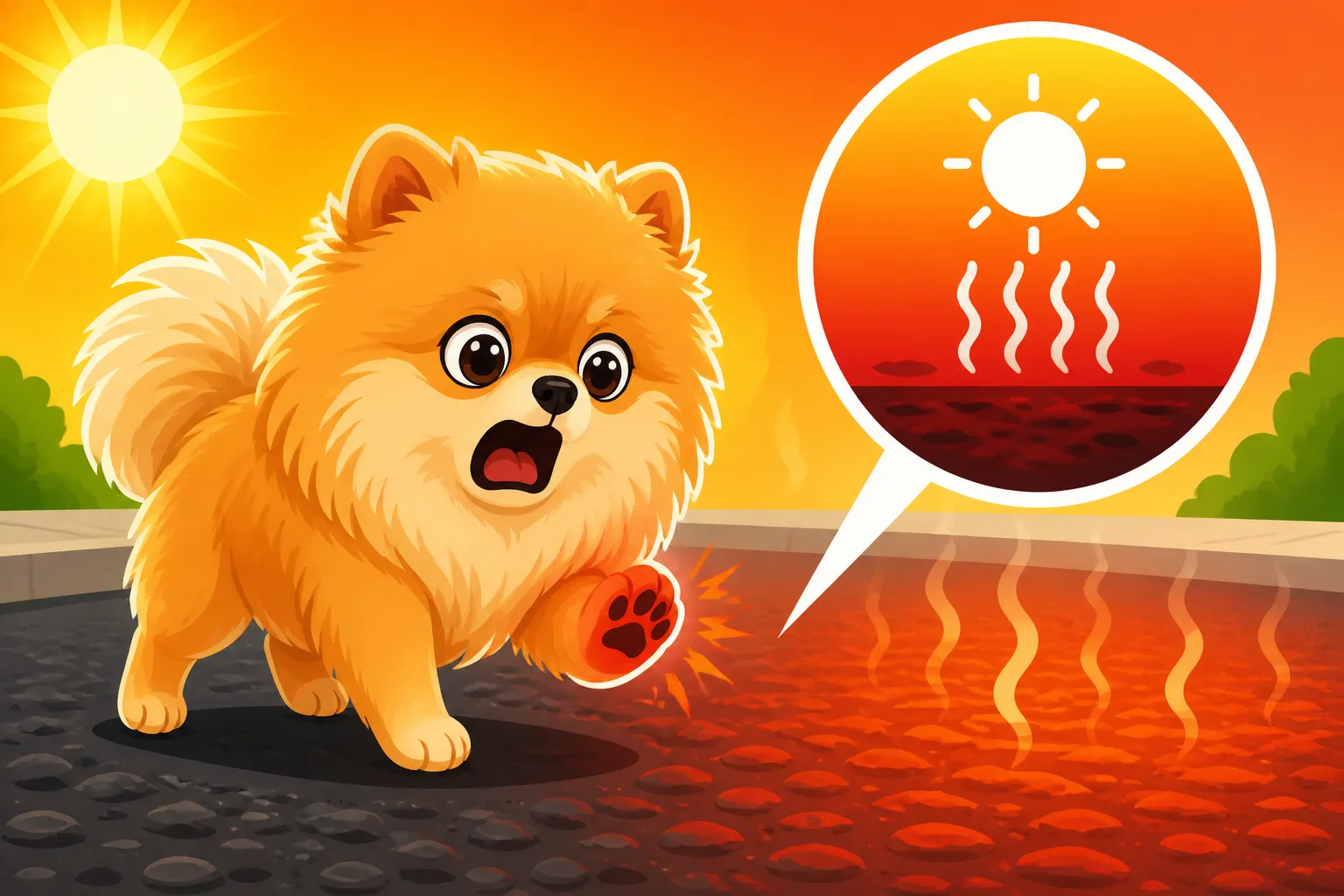
The Pavement Temperature That Burns a Pomeranian
One of the most heartbreaking moments as a Pomeranian parent is seeing your beloved fluffball in discomfort, especially when it comes to something as avoidable as burned paws. The summer months, or even just unexpectedly warm days, bring with them a hidden danger that many of us don't fully grasp until it's too late: scorching hot pavement. This guide is here to walk you through exactly why pavement temperature is such a critical concern for your tiny companion, how to prevent injuries, and what to do if an accident happens.
Understanding the Danger of Hot Pavement for Pomeranians
It might feel pleasant to you in sneakers or sandals, but the asphalt, concrete, and even some types of stone walkways can heat up to dangerously high temperatures, far exceeding the ambient air temperature. For a Pomeranian, with their delicate paw pads and low-to-the-ground stature, this isn't just uncomfortable – it's a serious burn risk and a gateway to overall overheating. Think about it: your Pom's paws are directly absorbing that intense heat, and their little bodies are much closer to the radiated heat coming off the ground than ours are.
A common misconception is that if the air feels fine, the ground must be too. This couldn't be further from the truth. Pavement acts like a giant griddle, absorbing and retaining solar radiation, often reaching temperatures 40-60 degrees Fahrenheit higher than the air. On a seemingly mild 75°F day, the pavement could easily be 120-135°F, hot enough to cook an egg and certainly hot enough to cause severe burns on sensitive paw pads in just a few minutes. Imagine walking barefoot on a hot stovetop – that's what your Pomeranian is experiencing. Their paws aren't leather; they're skin, albeit tougher skin than what's on your arm.
The "Five-Second Rule" and What It Means for Poms
You've probably heard of the "five-second rule," but it's worth reiterating and emphasizing its importance for our Pomeranians. This rule is your simplest, most effective test for ground temperature. Before you even think about stepping out with your Pom, place the back of your hand flat on the pavement for at least five seconds. If it's too hot for your hand to comfortably stay there for the full duration, it's absolutely too hot for your Pomeranian's paws. Do not pass go, do not collect two hundred dollars – turn around and find another way to get that exercise in.
This rule is a non-negotiable safeguard. Many of us are in a rush, or we simply forget, especially on days that start cool but quickly warm up. But those five seconds can be the difference between a happy walk and a trip to the emergency vet. It's especially crucial for Pomeranians because their paw pads are relatively thin compared to larger breeds, making them even more susceptible to rapid burning. Plus, their enthusiasm for walks often means they won't show obvious signs of pain until the damage is already done.
| Ambient Air Temperature | Approximate Pavement Temperature | Risk Level for Paws |
|---|---|---|
| 70°F (21°C) | 100°F (38°C) | Low |
| 77°F (25°C) | 125°F (52°C) | Moderate – Burns in minutes |
| 86°F (30°C) | 135°F (57°C) | High – Burns in seconds |
| 90°F (32°C) | 140°F (60°C) | Extreme – Instant burns |
Remember, these are approximate. Actual pavement temperature can vary based on sun exposure, surface material, and humidity.
Beyond Burns: The Risk of Heatstroke from the Ground Up
While paw pad burns are a direct and agonizing consequence of hot pavement, the danger doesn't stop there. The heat radiating off the ground significantly contributes to your Pomeranian's overall body temperature. Poms already have a thick double coat that, while fantastic for insulation in cold weather, can make them prone to overheating in high temperatures. Being so close to the ground, they're essentially walking in an oven, absorbing heat from both the air and the superheated surface below. This greatly increases their risk of heatstroke, a life-threatening condition.
Heatstroke in Pomeranians can manifest quickly and severely. Symptoms can include excessive panting, drooling, lethargy, bright red gums, vomiting, diarrhea, and even collapse or seizures. The Honking Cough of a Pomeranian's Collapsing Windpipe is another serious concern that can be exacerbated by heat and heavy panting, creating a dangerous combination of respiratory distress and overheating. Even if their paws don't appear visibly burned, the constant exposure to radiating heat can push their core body temperature into dangerous territory, putting their tiny organs under immense strain. This is why vigilance isn't just about preventing a superficial burn; it's about safeguarding their entire well-being.
Spotting the Signs of Hot Pavement and Burned Paws
Knowing how to test the pavement is one thing, but also being able to recognize the subtle and not-so-subtle signs that your Pomeranian is in distress or has already sustained an injury is paramount. Our Poms are often stoic little creatures, and they might try to push through discomfort to please us, making it even more important for us to be proactive and observant.
How to Test the Pavement Safely
Beyond the five-second rule with your hand, there are other considerations. The material of the pavement makes a difference. Dark asphalt absorbs and retains heat much more effectively than lighter concrete. Sandy beaches can also get incredibly hot, as can metal surfaces like manhole covers or grates, which can be easily overlooked. Even artificial turf in dog parks or backyards, while soft, can heat up faster and to higher temperatures than natural grass.
Always check multiple spots, especially if your walk involves different surfaces. The sunny side of the street will be hotter than the shady side. A small patch of grass might offer a brief respite, but the moment you step back onto concrete, the danger returns. Consider checking the temperature not just before you leave, but also during longer walks if the weather changes or you move into different sun exposures. It's a continuous assessment, not a one-time check. If you have any doubt, err on the side of caution.
What Paw Burns Look and Feel Like
If you suspect your Pomeranian has walked on hot pavement, or if they start exhibiting unusual behavior during or after a walk, it's time for an immediate paw inspection. Look for several key indicators:
- Limping or Reluctance to Walk: This is often the first and most obvious sign. Your Pom might lift a paw, walk gingerly, or refuse to put weight on one or more feet.
- Licking or Chewing Paws: Excessive grooming of the paws is a clear sign of pain or irritation.
- Discolored Pads: The pads might appear redder than usual, darker, or even blistered. In severe cases, the skin might look raw or even detached.
- Swelling: The paw pads might look puffy or inflamed.
- Missing Patches of Skin: In very severe burns, the outer layer of skin might peel away, exposing raw tissue underneath.
- Paw Prints: Sometimes, if the pads are extremely hot, you might even see red paw prints left on a cooler, damp surface.
A Pomeranian with burned paws will be in considerable pain. They might whimper, pull away when you try to touch their feet, or become unusually quiet and withdrawn. Don't dismiss these signs. The Age a Pomeranian's Kneecap First Slips is often exacerbated by uneven gaits or favoring one leg, so paw pain can indirectly lead to other orthopedic issues if not addressed.
Preventative Measures and Safe Walking Practices
Protecting your Pomeranian from hot pavement is all about proactive planning and consistent effort. It's our responsibility as their guardians to ensure their safety, especially when they can't tell us directly that the ground is scorching. With a few simple habits, you can keep those tiny paws safe and sound.
Timing Your Walks and Seeking Shade
The easiest and most effective way to prevent hot paw injuries is to simply avoid the hottest times of the day. This typically means early morning and late evening, especially during summer months. Even on cooler days, the midday sun can heat pavement quickly. If you absolutely must go out during warmer hours, stick to grassy areas as much as possible, or plan your route to utilize shaded sidewalks. Trees, buildings, and awnings can provide much-needed relief.
Consider how long your walk needs to be. A quick potty break can often be done on a patch of grass in your own yard or a nearby shaded area. For longer exercise or mental stimulation, consider indoor games, training sessions, or even a trip to a dog-friendly indoor facility if available. Remember, a Pomeranian doesn't need miles of walking to be happy; mental enrichment and short bursts of safe play can be just as effective.
Protective Gear: Boots and Balms
Sometimes, avoiding hot pavement entirely isn't feasible, or you live in an area where even morning and evening temperatures remain high. This is where protective gear comes into play.
- Dog Boots/Paw Protectors: These are like little shoes for your Pom and can be a lifesaver. Look for lightweight, breathable boots with non-slip soles. It's important to get the right size and introduce them gradually to your Pomeranian, making it a positive experience with lots of treats. Many brands offer durable options, and you can often find a good selection on platforms like Chewy or Amazon. Make sure they fit snugly enough not to slip off but aren't so tight they restrict circulation.
- Paw Balms/Waxes: While not a substitute for boots on scorching pavement, paw balms and waxes can offer a thin layer of protection against minor heat, dryness, and irritation. They can also help moisturize and toughen up paw pads over time. Apply a thin layer before walks and after, especially during warmer seasons. Again, look for natural, non-toxic ingredients, easily found from pet supply retailers.
It's important to remember that boots aren't a license to walk on dangerously hot surfaces indefinitely. They buy you a little more time and protection, but extreme temperatures will still conduct heat and can make your Pomeranian uncomfortable or even lead to overheating. Always combine protective gear with smart walking times and frequent pavement checks.
Alternative Exercise Options When It's Too Hot
When the pavement is simply too hot, don't despair! There are plenty of fantastic ways to keep your Pomeranian active and happy without risking their precious paws.
- Indoor Play: Tug-of-war, fetch with soft toys, hide-and-seek, or even teaching new tricks can provide excellent physical and mental stimulation. Tricks a Pomeranian Learns Quickly and Puzzle Toys Small Enough for a Pomeranian are wonderful for indoor enrichment.
- Cooler Surfaces: Seek out grassy parks, dirt trails, or even indoor shopping malls that allow dogs (always check their specific pet policy first!). Just be mindful of other dogs and potential hazards in public spaces.
- Water Activities: If your Pomeranian enjoys water and it's a safe temperature, a shallow kiddie pool in a shaded yard can be a fun way to cool down and get some exercise. Always supervise them closely, even in shallow water.
- Carriers and Strollers: For those times you absolutely need to be out and about, but the ground is too hot, a dog stroller or a comfortable carrier can allow your Pom to accompany you safely without touching the ground. This way, they can still enjoy the fresh air and sights without the risk. You might find a great carrier on Amazon that suits your Pom's size and your aesthetic. Whether a Pomeranian Stroller Is Worth Buying is a common question, and for hot pavement, the answer is often a resounding yes.
- Mental Games and Training: Sometimes, just engaging their clever little Spitz brains is enough. Short, fun training sessions, scent work games, or working on new commands can be incredibly tiring for a Pomeranian without any physical exertion on hot ground. High-value treats, perhaps from a brand like Ollie, can make these sessions extra motivating.
First Aid for Burned Paws and When to See the Vet
Even with the best intentions and preventative measures, accidents can happen. If you suspect your Pomeranian has burned paws, acting quickly and appropriately is crucial. Immediate first aid can make a significant difference in their recovery and comfort.
Immediate Home Care Steps
If you realize your Pomeranian has stepped on hot pavement:
- Remove from the Heat Source Immediately: Pick up your Pomeranian and carry them to a cool, shaded area or indoors.
- Cool the Paws: Gently rinse their paws with cool (not icy cold) water for 10-15 minutes. You can use a hose on a low setting, a cool damp towel, or even let them stand in a shallow basin of cool water. This helps stop the burning process and provides immediate pain relief.
- Assess the Damage: After cooling, gently examine each paw pad. Look for redness, swelling, blisters, or exposed skin. Don't try to pop any blisters.
- Prevent Licking: Dogs instinctively lick wounds, but this can introduce bacteria and worsen the burn. You might need an Elizabethan collar (e-collar) or a soft paw bandage to prevent them from licking or chewing.
- Clean Gently: If the pads are dirty, use a mild antiseptic solution or a vet-approved paw cleaner. Avoid harsh chemicals or alcohol.
- Apply a Protective Barrier (Optional, Vet-Directed): If the burns are minor, your vet might recommend a thin layer of antibiotic ointment or a specialized paw cream. Do not apply any human burn creams unless specifically instructed by your vet, as many can be toxic if licked.
- Keep Them Calm and Still: Pain can be significant. Keep your Pom comfortable and discourage running or excessive movement, which can further irritate the paws.
Signs Your Pomeranian Needs Urgent Veterinary Attention
While minor burns can sometimes be managed at home, it's always best to consult your veterinarian if you suspect a paw burn, as they can quickly become infected or more severe than they initially appear. However, certain signs absolutely warrant immediate emergency veterinary care:
- Severe Blistering or Open Wounds: If the skin is sloughing off, there are large blisters, or the raw flesh is exposed, this is a serious burn requiring professional medical attention.
- Deep Redness and Swelling: Extensive inflammation and redness covering a large area of the paw indicate a more severe burn.
- Extreme Pain: If your Pomeranian is yelping, refusing to put any weight on their paws, shaking, or showing signs of shock, get them to the vet without delay.
- Signs of Infection: Redness, swelling, pus, foul odor, or fever developing a day or two after the incident are all signs of infection.
- Lethargy, Vomiting, or Diarrhea: These symptoms, especially combined with hot paws, can indicate heatstroke or a systemic reaction to the injury.
- Reluctance to Eat or Drink: Any sudden change in appetite or thirst after a suspected burn should be checked by a vet.
Your vet might prescribe pain medication, antibiotics (to prevent infection), and special wound care. They can also properly clean and bandage the paws, ensuring the best possible healing environment. Remember, those little paws are vital for your Pomeranian's mobility and quality of life. Don't hesitate to seek professional help. Anesthesia Risk in a Four Pound Pomeranian can be a concern for procedures, but your vet will weigh the risks against the benefits, especially if infection or severe pain requires intervention. The Checkup Schedule a Pomeranian Should Keep should always include a thorough paw examination to catch any underlying issues.
Disclaimer
This article is for general informational purposes only and does not constitute professional advice. Laws, prices and regulations vary by location and change over time. Consult a qualified professional for guidance on your specific situation.