Whether a Pomeranian’s Ear Hair Needs Removing
It's a common dilemma, and one that often causes a fair bit of head-scratching for us Pomeranian parents: what do we do about that fluffy hair growing inside our little one's ears? You might have heard conflicting advice over the years, leaving you wondering if you should be plucking, trimming, or just leaving it alone. This guide aims to clear up the confusion, walking you through the ins and outs of Pomeranian ear hair and how to best care for those tiny, expressive ears.
The Ear Hair Conundrum: Should You Pluck Your Pomeranian's Ears?
For many years, it was almost standard practice for groomers and even some veterinarians to routinely pluck the hair from inside a dog's ear canals. The thought was, "more hair equals more problems," especially for breeds known for having a lot of fur, like our beloved Poms. This idea has really shifted over time, and what was once common wisdom is now often seen as an outdated approach. It’s no wonder so many of us feel confused!
Why This Question Even Exists for Pomeranian Owners
Pomeranians, with their glorious double coats, are known for being incredibly fluffy. That luxurious fur isn't just on their bodies; it extends to their feet, their tails, and yes, even into their ears. This dense coat is one of their most defining characteristics, giving them that iconic round, teddy-bear look that so many of us adore. Because Poms are prone to certain health issues related to their fur, like Black Skin Disease and the Pomeranian Coat That Never Returns or even just the normal The Coat Blow and the Pomeranian Puppy Uglies, owners are naturally very attentive to anything related to their coat health.
The concern about ear hair often stems from a well-meaning place: preventing ear infections. It’s easy to imagine that a thick tuft of hair inside a small ear canal could trap dirt, debris, or moisture, creating a perfect breeding ground for bacteria or yeast. And let's be honest, cleaning those tiny, intricate ears can be a challenge. We want to do everything we can to keep our Poms healthy and comfortable, and if plucking seems like a simple preventive measure, it’s understandable why it would be considered. However, modern veterinary science has given us a much clearer picture of what actually helps and what might inadvertently cause more harm.
Understanding Your Pomeranian's Ear Anatomy
Before we dive into the debate, let's take a quick peek at what's actually going on inside your Pomeranian's ear. Unlike human ears, which have a short, horizontal canal, a dog's ear canal is L-shaped, starting vertically and then taking a sharp turn horizontally towards the eardrum. This unique structure, while protective, also makes it a bit harder for air to circulate and for debris to escape naturally. Our Poms have those adorable small, erect ears, often buried in a lush "ruff" of fur, which can make it even harder to see what's happening inside.
The hair we're talking about is typically the finer, softer vellus hair that grows within the external ear canal. It's not the stiff, guard hairs you see on the outer ear flap, but a softer fuzz that can sometimes be quite dense. This hair is a natural part of their anatomy and, believe it or not, serves a purpose. It can act as a natural filter, catching some dust and foreign particles before they reach deeper into the ear. However, if it becomes too thick or matted, some of its protective benefits can turn into potential drawbacks. Knowing this basic anatomy helps us understand why opinions differ and why a "one-size-fits-all" approach to ear care might not be the best for every dog, especially a sensitive breed like the Pomeranian.
The Case Against Routine Ear Hair Removal in Pomeranians
The shift in veterinary recommendations has largely been driven by a better understanding of ear health and the unintended consequences of routine ear plucking. What seemed like a logical step for prevention often created new problems, leading to more discomfort and, ironically, more infections for many dogs.
The Natural Protective Role of Ear Hair
Think of the hair inside your Pomeranian's ears as a natural defense system, much like eyelashes protect eyes from dust. This fine hair actually acts as a barrier, helping to prevent foreign particles, dust, and even tiny insects from easily making their way deep into the ear canal. It’s a first line of defense! When you pluck this hair, you're not just removing potential traps; you're also removing a natural filter.
Furthermore, this hair plays a role in the ear's natural self-cleaning mechanisms. The movement of the hair, however subtle, can help to gently push wax and debris outwards, away from the eardrum. Without it, the ear canal might be more exposed, and the natural flow of debris could be disrupted. It's a delicate balance, and interfering with it can sometimes do more harm than good, especially in a breed as sensitive as a Pomeranian.
Risks of Injury and Irritation from Plucking
This is where the real problems can start. Plucking ear hair, even when done carefully, involves pulling individual hairs from their follicles. This process is inherently painful and uncomfortable for your Pomeranian. Imagine having hair pulled from your own ear – ouch! Our Poms are tiny and can be quite sensitive, and subjecting them to this regularly can make them dread ear examinations and cleanings, turning a necessary health routine into a battle.
Beyond the immediate pain, plucking can cause micro-trauma to the delicate skin lining the ear canal. Each plucked hair leaves behind a tiny, open wound, a microscopic portal for bacteria or yeast to enter. These irritated follicles can become inflamed, leading to folliculitis (inflammation of the hair follicles), which is both painful and itchy. This irritation can then escalate into a full-blown ear infection, exactly what we were trying to prevent in the first place. For many Poms, the irritation and swelling from plucking actually create a worse environment than simply leaving the hair alone. This is why many vets have moved away from recommending routine plucking unless there's a specific, identified medical reason.
Why Many Vets Now Advise Against It
Given the risks of pain, irritation, and secondary infections, most modern veterinary professionals now strongly advise against routine ear hair plucking for most dogs, including Pomeranians. The prevailing wisdom has shifted to a more conservative, "if it ain't broke, don't fix it" approach. If a dog isn't having chronic ear infections and their ear canals are healthy, leaving the hair alone is generally the best course of action.
The key is to focus on proper ear hygiene rather than aggressive hair removal. Regular gentle cleaning of the outer ear and accessible parts of the canal, along with vigilant monitoring for any signs of trouble, is far more effective and less traumatic. If your Pomeranian does develop an ear issue, your vet will assess the situation and recommend the most appropriate course of action, which might involve a medicated cleaner or other treatments, but rarely routine plucking unless the hair is severely matted or causing a very specific, diagnosed obstruction. Trusting your vet to guide you through this process is crucial. The Checkup Schedule a Pomeranian Should Keep is vital for catching these issues early.
When Pomeranian Ear Hair Might Become an Issue (And What to Do)
While routine plucking is generally discouraged, there are rare situations where ear canal hair could contribute to problems. It's important for Pomeranian owners to understand what those situations are and, more importantly, how to address them safely and effectively, always with professional guidance.
Signs of Excessive Hair Causing Problems
For most Pomeranians, their ear hair simply exists without causing trouble. However, if the hair inside the ear canal becomes excessively thick, matted, or combines with a lot of wax and debris, it can create an environment conducive to problems. Signs that your Pomeranian's ear hair might be contributing to an issue include:
- Recurrent Ear Infections: If your Pom is constantly getting ear infections despite regular, appropriate cleaning, excessive hair might be a factor.
- Persistent Moisture or Odor: If you notice that your Pom's ears always seem damp, or there's a strong, unpleasant smell coming from the ear canal even after cleaning, the hair could be trapping moisture or contributing to bacterial/yeast overgrowth.
- Visible Obstruction: In very rare cases, the hair might be so dense that it forms a visible plug, blocking the ear canal and preventing proper ventilation or the application of medications.
- Difficulty Administering Medication: If your vet prescribes ear drops for an infection, and the hair is so thick that the medication can't reach the affected areas, then it becomes a practical problem.
It's critical to note that these signs don't automatically mean the hair needs to be plucked. They mean your Pomeranian needs a thorough veterinary examination to determine the root cause of the problem.
The Importance of Professional Assessment
If you suspect your Pomeranian's ear hair is truly causing a problem, the absolute best thing you can do is consult your veterinarian. Please do not attempt to pluck or aggressively trim the hair yourself. A professional assessment is vital because:
- Accurate Diagnosis: Your vet can properly examine the ear canal using an otoscope, assessing the amount of hair, the presence of wax, debris, inflammation, or infection, and the condition of the eardrum. They can differentiate between normal hair and problematic hair.
- Safe Procedure: If, and only if, the vet determines that hair removal is necessary, they can perform it safely. They might use specialized instruments designed to minimize trauma, or they might recommend trimming rather than plucking. In some cases, light sedation might be used, especially if your Pom is particularly sensitive or the ear is already painful due to infection. Anesthesia Risk in a Four Pound Pomeranian is a consideration, so this step is only taken when truly necessary.
- Underlying Issues: Sometimes, what appears to be a hair problem is actually a symptom of an underlying allergy, hormonal imbalance, or anatomical peculiarity. Removing hair without addressing the core issue won't solve the problem and could make things worse.
Your vet is your best partner in navigating these nuanced health decisions for your furry friend.
Alternative Approaches to Managing Ear Canal Hair
Even if your vet determines that some management of the ear canal hair is needed, plucking isn't always the only or best solution. Depending on the specific situation, your vet might recommend alternatives:
- Strategic Trimming: Instead of plucking, a vet or professional groomer (under vet guidance) might use tiny, blunt-tipped scissors or a small clipper to carefully trim back the hair that is truly causing an obstruction. This reduces the bulk without traumatizing the follicles. This is especially true for the hair on the outside of the ear canal opening that might be matting or blocking airflow.
- Medicated Ear Cleaners: Often, the issue isn't the hair itself, but the debris and moisture trapped within it. Your vet might prescribe a specific ear cleaner designed to dry the canal, dissolve wax, and maintain a healthy pH balance. Regular use of such a cleaner can often mitigate any problems associated with the hair without needing to remove it. Cleaning a Pomeranian's Small Ears is something you can do at home with the right product.
- Addressing Underlying Conditions: If allergies are causing inflammation and excessive wax production, treating the allergies will be the primary solution, not just dealing with the hair. Similarly, managing any yeast or bacterial infections with appropriate medication will restore ear health.
The goal is always to create a healthy, clean, and comfortable ear environment for your Pomeranian, which can usually be achieved without resorting to painful or risky plucking.
Maintaining Optimal Ear Health for Your Pomeranian
The best defense against ear problems in your Pomeranian isn't aggressive hair removal, but rather consistent, gentle, and proactive ear care. By incorporating a few simple practices into your routine, you can help keep those tiny ears healthy and happy.
Daily Checks and Gentle Cleaning Rituals
Establishing a routine for checking your Pomeranian's ears is one of the most important things you can do. You don't need to deep clean every day, but a quick visual inspection can go a long way.
What to Look For:
- Cleanliness: Are the outer ear flaps and the opening to the canal free of dirt, wax buildup, or discharge? A small amount of light brown wax is normal, but dark brown, yellow, or greenish discharge is a red flag.
- Odor: Gently sniff your Pom's ears. Healthy ears should have little to no odor. A strong, yeasty, or foul smell indicates a problem.
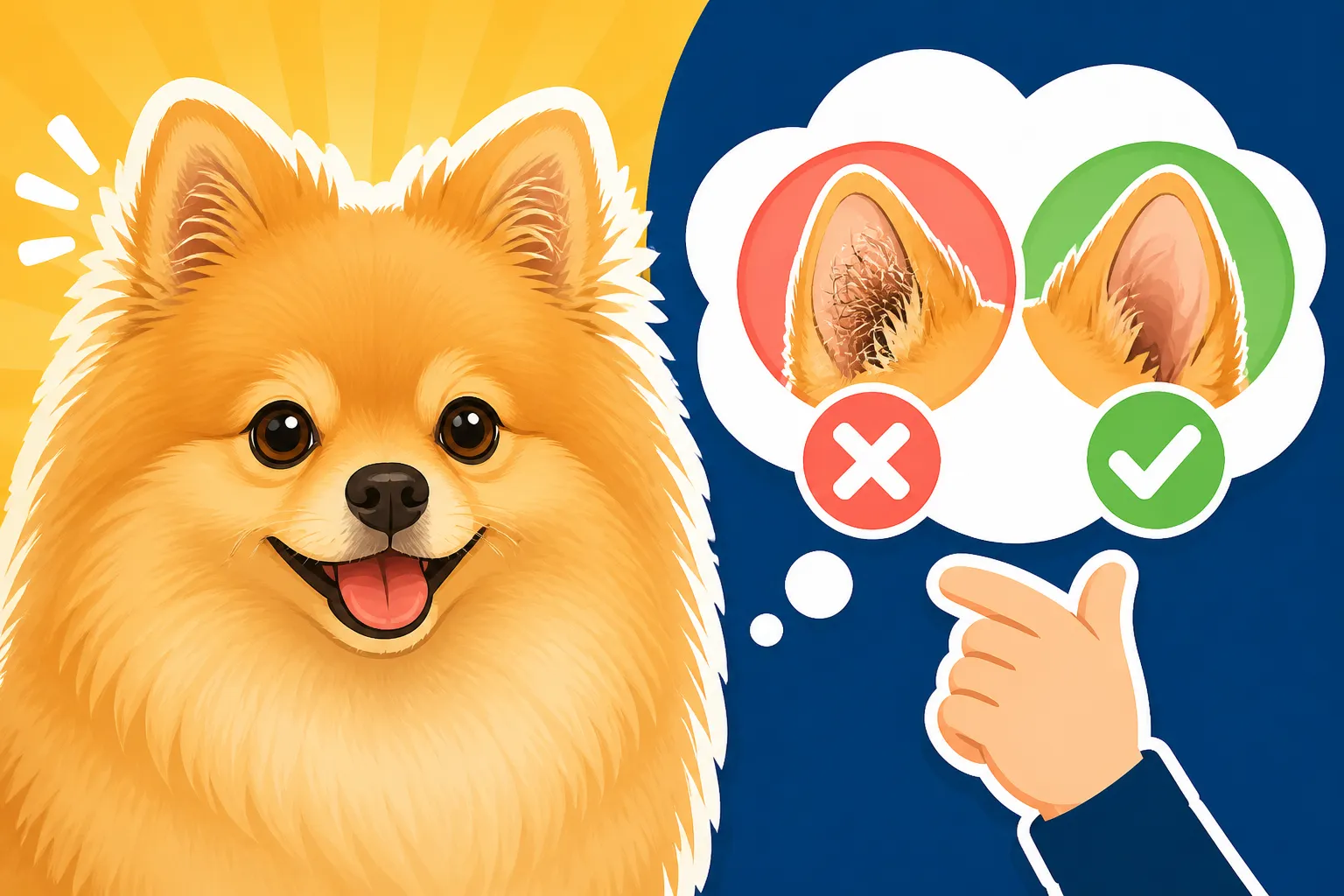
- Redness or Swelling: The skin inside the ear should be a healthy pale pink. Redness, swelling, or crusting suggests irritation or infection.
- Behavior: Is your Pomeranian scratching at their ears, shaking their head excessively, or rubbing their ears on furniture? Any of these behaviors can signal discomfort.
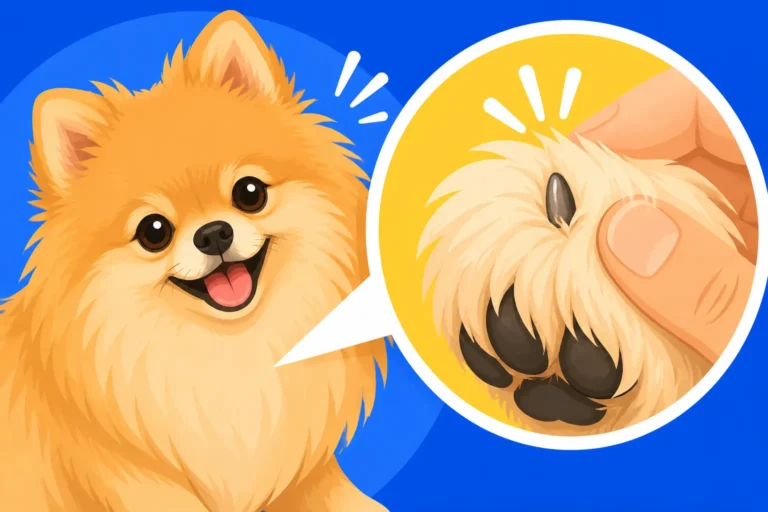
If everything looks good, a gentle wipe of the outer ear flap with a soft cloth is usually sufficient. If you see a bit of buildup, you can use a vet-approved ear cleaning solution to gently clean the visible parts. Remember, never use cotton swabs (Q-tips) to go into the ear canal, as this can push debris deeper and potentially damage the eardrum. You might even find that getting your Pomeranian used to regular ear checks means they are more compliant for other grooming tasks, like nail trims. Teaching a Pomeranian to Accept Nail Trims is a great skill to work on.
Choosing the Right Ear Care Products
When it comes to ear cleaning, the right products make all the difference. You want something gentle yet effective, specifically formulated for canine ears.
Here's what to look for:
- Vet-Approved Cleaners: Always opt for ear cleaning solutions recommended by your veterinarian. These are pH-balanced for dogs and often contain ingredients that help dry the ear canal and prevent bacterial or yeast growth. You can often find a wide selection of these products from reputable online retailers like Chewy or Amazon, sometimes even through services like Ollie.
- Alcohol-Free Formulas: Avoid cleaners with alcohol, as it can be very irritating and drying to the delicate skin in the ear canal.
- Soft Wipes or Cotton Balls: Use soft cotton balls or dog-specific ear wipes (also available on Chewy or Amazon) to clean the accessible outer parts of the ear. Avoid anything abrasive.
- Ear Powder (Use with Caution): Some groomers use ear powder to help grip hair for plucking, but if you're not plucking, it's generally unnecessary and can even irritate the ear if it clumps. Stick to liquid cleaners for routine hygiene.
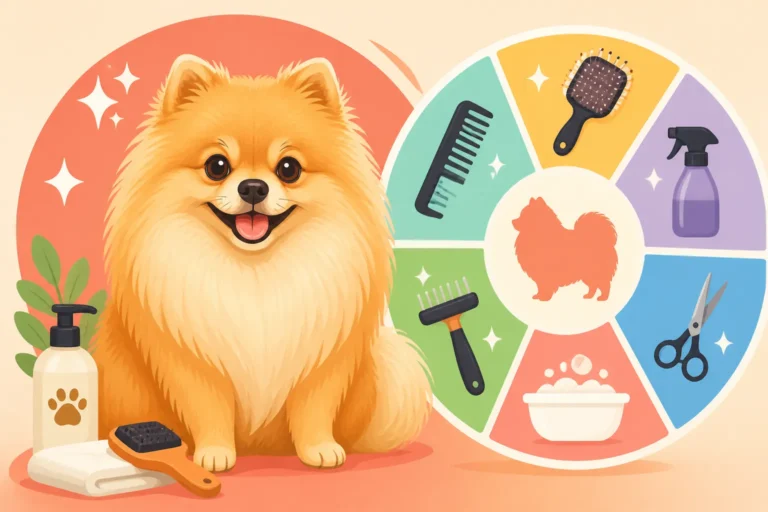
Consistency is key. A few minutes of gentle care each week is much better than trying to tackle a big problem once it's already developed. Many of these supplies are part of a general Tools a Pomeranian Owner Buys to Groom at Home.
Knowing When to Seek Veterinary Help
Despite our best efforts, sometimes ear problems still arise. It's crucial to know when it's time to stop home care and head straight to the vet. If you notice any of the following, schedule an appointment without delay:
- Persistent Head Shaking or Scratching: This is often the first sign of discomfort.
- Strong Odor or Discharge: Any unusual smell or visible discharge needs professional attention.
- Redness, Swelling, or Pain: If your Pomeranian cries or recoils when you touch their ear, it's likely painful.
- Loss of Balance or Hearing: While rare, severe ear infections can sometimes affect balance or hearing.
- If home cleaning isn't resolving mild issues: If you've been gently cleaning and monitoring for a few days and the problem isn't improving, or is getting worse, it's time for professional diagnosis and treatment.
Remember, ear infections can be very painful for your Pomeranian, and leaving them untreated can lead to more serious complications, including chronic issues or even permanent damage. Early intervention is always best. Getting a Pomeranian Through an Exam Calmly is important for effective diagnosis. By being vigilant and working closely with your vet, you can ensure your Pomeranian's ears stay as healthy and happy as the rest of them.
| Ear Care Action | When to Do It | Why It's Important |
|---|---|---|
| Visual Inspection | Daily or Every Other Day | Catches early signs of redness, discharge, or odor before they become serious. |
| Outer Ear Wipe | As Needed (e.g., weekly) | Removes surface dirt and small amounts of wax, maintaining hygiene and preventing buildup. |
| Internal Cleaning | Only with Vet-Approved Cleaner | Helps dissolve wax, dry the canal, and prevent infection. Use only for visible buildup, not daily. |
| Professional Vet Check | Annually (minimum) | Essential for a thorough internal examination and early detection of issues, especially for The Year a Pomeranian Starts Needing More. |
| Hair Plucking/Trimming | ONLY if vet recommends it | Avoids pain, irritation, and potential infection. Only for specific, diagnosed obstructions. |
Disclaimer
This article is for general informational purposes only and does not constitute professional advice. Laws, prices and regulations vary by location and change over time. Consult a qualified professional for guidance on your specific situation.