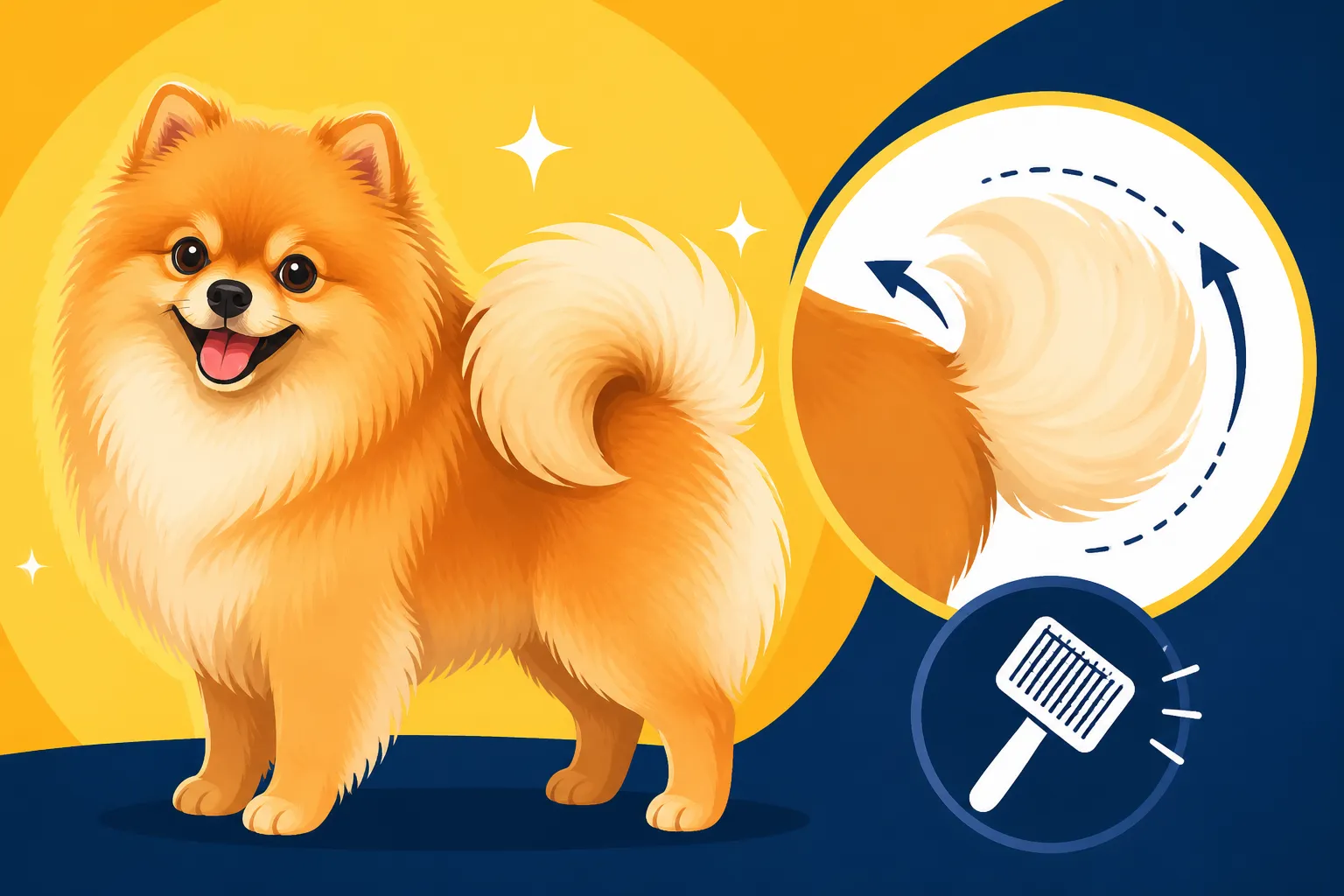
Shaping a Pomeranian’s Tail Plume
One of the most defining features of our beloved Pomeranians is that magnificent, luxurious tail plume that curls so proudly over their back. It's a hallmark of the breed, a fluffy question mark of joy! But keeping that plume looking its best isn't always as simple as it seems. If you've ever found yourself wrestling with tangles, battling uneven patches, or just wishing you knew how to give it that perfectly shaped, flowing look, you're in the right place. This guide is all about mastering the art of the Pomeranian tail plume, from understanding its unique structure to the best brushing and trimming techniques to make it truly shine.
Understanding the Pomeranian Tail Plume
That glorious feather duster of a tail on your Pomeranian isn't just a random puff of fur; it's a carefully engineered (by nature and selective breeding, of course!) part of their double coat. It's meant to be a showstopper, flowing elegantly over their back, but its very density and position can make it a bit of a challenge to maintain. Many a Pomeranian parent has felt a pang of frustration when the plume starts looking a little less "plume" and a lot more "tangled mess." You're not alone in thinking it takes a special touch!
The Anatomy of a Perfect Plume
To truly appreciate the tail plume and understand how to care for it, we first need to appreciate what makes it tick. Like the rest of their body, a Pomeranian's tail is covered in a double coat. This means there are two distinct layers of hair working in harmony to create that signature fluff and "stand-off" appearance.
The outer layer consists of longer, coarser guard hairs. These are the hairs that give the plume its length, its initial structure, and often its rich color. They're what you see first. Beneath these, nestled close to the skin, is a dense, soft, and fluffy undercoat. This undercoat is what provides the incredible volume and insulation, pushing the guard hairs out and away from the body, giving the plume that wonderful, full, fan-like shape. When both layers are healthy and well-maintained, the guard hairs flow gracefully over the back, forming a beautiful arc, while the undercoat supports them, preventing them from lying flat. Ideally, a Pomeranian's tail plume should spread out in a broad fan, starting from the base of the tail and arching smoothly over their back, often touching or nearly touching their mane. Natural growth patterns can vary, of course, with some Poms having a slightly tighter curl to their tail carriage, or a more dramatic fanning effect. It's all part of their individual charm!
Why the Plume Becomes a Problem Area
While breathtaking, the tail plume's location and structure make it particularly prone to certain issues. Think about it: that beautiful plume is constantly in motion, rubbing against their back, their hind legs, and often the ground when they sit. All this movement creates friction, and friction is the enemy of a tangle-free coat.
When your Pomeranian walks, sits, or even just wags their tail with gusto, those fine undercoat hairs and longer guard hairs rub against each other. Over time, especially if not brushed regularly, this friction causes the hairs to knot and weave together, leading to tangles and eventually, dreaded mats. These mats often start close to the base of the tail or where the plume meets their back, areas of high contact. Furthermore, because the tail plume often brushes against various surfaces, it can easily pick up dirt, debris, burrs, or even just absorb moisture from puddles or wet grass. This foreign material then gets trapped within the dense coat, exacerbating the matting problem. It's a cyclical nightmare: a little dirt leads to a little tangle, which quickly becomes a bigger mat if left unchecked. Many owners lament that their Pomeranian's tail seems to be a magnet for trouble, and honestly, it really can be a challenge! Regular attention is the only way to stay ahead of these common plume predicaments.
Essential Tools and Techniques for Plume Maintenance
Keeping that Pomeranian tail plume in tip-top shape really comes down to having the right tools and a consistent routine. You wouldn't try to sculpt a masterpiece with a butter knife, right? The same goes for grooming your Pom. Trying to tackle a dense double coat with the wrong brush is a recipe for frustration for both you and your furry friend. Getting into a good rhythm with your grooming means less stress down the line.
Gathering Your Grooming Arsenal
Before you even think about shaping, you need to be equipped for maintenance. A solid grooming kit is non-negotiable for a Pomeranian owner, and some items are particularly crucial for that magnificent tail.
First and foremost, you absolutely need a good quality slicker brush. This is your workhorse for getting through that dense undercoat and preventing mats. Look for one with fine, bent wire bristles. It should feel sturdy in your hand. Next up is a pin brush. While the slicker does the heavy lifting, the pin brush, with its widely spaced metal pins, is fantastic for finishing, fluffing out the guard hairs, and generally making the coat look airy and voluminous. Think of it as the stylist's finishing touch. After brushing, a steel comb is invaluable. It helps you check your work, ensuring no tangles were missed deep within the coat, especially around the base of the tail. The wider teeth are great for initial detangling, while the finer teeth can smooth and separate individual strands. You can find excellent options for all these tools on platforms like Chewy or Amazon, making it easy to build your essential kit.
For those inevitable tangles, a good quality detangling spray can be a lifesaver. It lubricates the hair, making it easier for brushes and combs to glide through knots without causing pain or breakage. Finally, while we'll talk more about trimming later, a small pair of blunt-nosed scissors is a useful addition for carefully snipping away only the most stubborn, felted mats as a last resort, always with extreme caution. But for daily plume care, the brushes and comb are your primary focus. Equipping yourself properly sets you up for success in maintaining that beautiful tail. The Slicker and Pin Brush a Pomeranian Needs is a great resource if you want to dive deeper into brush selection.
The Art of Brushing and Detangling the Plume
Brushing isn't just about dragging a tool through the fur; it's a technique, especially with a double-coated breed like a Pomeranian. For the tail plume, you want to be systematic and gentle.
Start by having your Pomeranian in a comfortable position, ideally standing or lying on their side if they tolerate it well. Gently separate the plume, starting at the very tip and working your way towards the base. The key here is "line brushing" or "section brushing." You lift the top layer of hair, brush the hair underneath, and then slowly lower more hair down as you work your way through. This ensures you're reaching down to the skin, which is crucial for preventing mats from forming deep within the undercoat. Use your slicker brush with short, gentle strokes, always moving in the direction of hair growth. When you encounter a minor tangle, don't yank! Instead, spray a little detangling spray directly onto the knot, let it sit for a moment, and then gently try to tease it apart with your fingers or the wide teeth of your steel comb. Work slowly from the outer edges of the tangle inward, gradually loosening the knot.
Holding the tail properly is important too. Support the base of the tail with one hand to prevent pulling on the skin as you brush. Think of it as stabilizing the "canvas" while you "paint" with your brush. Once you've thoroughly worked through the undercoat with the slicker, use your pin brush to fluff out the guard hairs, giving the plume that full, airy appearance. Always finish by running a steel comb through the entire plume, from base to tip, to ensure there are no hidden snags. If the comb glides smoothly, you've done a great job! Patience is truly a virtue here, and positive reinforcement with treats and praise will make the experience much more pleasant for your Pomeranian. Consistency is key; a quick, thorough brush several times a week, combined with checking for mats Working Through a Mat Behind a Pomeranian's Ear, will prevent major issues. Working a Pomeranian's Coat in Sections to the Skin offers even more detail on this essential technique.
Shaping and Trimming for that Iconic Look
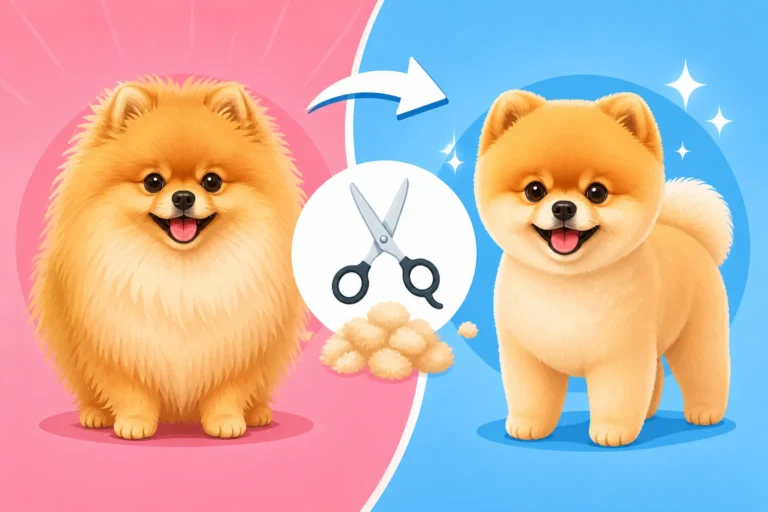
While the Pomeranian's coat is generally left natural, a little judicious shaping can really make that tail plume pop. It’s not about drastic changes, but rather enhancing the natural beauty and maintaining that characteristic fan shape. But a word of warning: always proceed with caution! A mistake here can take a long time to grow out, and shaving is almost always a bad idea for a double-coated breed.
The 'Less Is More' Approach to Trimming
When it comes to your Pomeranian's tail plume, think of yourself as a sculptor refining a beautiful existing form, not a carpenter building something new. The goal of trimming is not to create an entirely different shape or to significantly shorten the plume, but rather to neaten, balance, and enhance the natural fan or arc that flows over their back. We're talking about subtle snips, not major chops!
The absolute golden rule of Pomeranian grooming, especially for the tail, is never use clippers. I cannot stress this enough. Clippers can permanently damage the delicate double coat, leading to a condition often called "coat blow" or "clipper alopecia." Why a Shaved Pomeranian May Not Regrow goes into detail on this, but suffice it to say, the undercoat and guard hairs can grow back unevenly, sparse, or not at all, leaving patchy, dull fur instead of the luxurious plume you cherish. This applies to the entire body, but is particularly noticeable on the tail.
Instead, focus on evening out stray hairs that break the desired outline, giving it a soft, rounded, or fan-like appearance. Imagine you're drawing a smooth, gentle curve with your scissors. You're just tidying up the edges, removing any scraggly bits that detract from the overall flow. The beauty of a Pomeranian's plume is its natural abundance, so aim to preserve that while bringing a sense of order and elegance to its shape.
Step-by-Step Trimming Guide for the Plume
Ready to give that plume a little polish? Here’s how to do it safely and effectively.
First, and this is non-negotiable, your Pomeranian’s coat must be clean, completely dry, and thoroughly brushed through to the skin. Any hidden mats or dampness will lead to an uneven trim. A good bath and thorough Blow Drying a Pomeranian's Coat Out Straight are excellent preparation. Make sure your Pom is comfortable and relaxed, ideally standing on a non-slip surface or being gently held. Use a small, sharp pair of blunt-nosed grooming scissors. You can find quality ones easily on Amazon.
Now, gently lift the tail and let it fall naturally over your Pomeranian's back. This is how it typically sits, and you want to shape it in its natural resting position. Start by looking for any long, wispy hairs that stick out beyond the main body of the plume. These are your targets. Using your blunt-nosed scissors, point them away from your dog's body (never point them directly at the skin!). With small, controlled snips, trim only the very tips of these unruly hairs.
The goal is to create a pleasing, symmetrical shape. Visualize the plume as a gentle arc or a broad "C" shape as it flows over the back. You want to follow this natural curve. Work slowly, trimming a little bit at a time, and then step back to assess your work. It's much easier to take off a little more than to regret taking too much! Pay attention to the width of the plume as well; you want it to appear full and balanced. Some owners like to gently round off the very tip of the plume, creating a softer finish. Remember, the essence of the Pomeranian plume is its natural flow, so avoid harsh lines or blunt cuts. You’re aiming for seamless beauty, making it look effortlessly perfect.
Long-Term Care and Troubleshooting Tail Plume Issues
A beautiful tail plume isn't a one-and-done grooming session; it's a commitment. Just like tending to a prized garden, consistent care and attention will ensure your Pomeranian's tail remains a fluffy triumph. It’s not just about what happens on the grooming table, but what goes into their bowl and how you address issues as they arise.
Diet and Supplements for a Lush Plume
The old adage "you are what you eat" holds true for our canine companions, especially when it comes to coat health. A truly magnificent tail plume, one that's lustrous, strong, and grows beautifully, starts from the inside out. No amount of external brushing and trimming can fully compensate for a poor diet.
Your Pomeranian needs a high-quality diet that provides all the necessary nutrients for healthy skin and coat. Look for foods with real meat as the first ingredient and a good balance of fats, particularly Omega-3 and Omega-6 fatty acids. These essential fatty acids are crucial for skin hydration and coat luster, helping to reduce dryness, flakiness, and promoting a vibrant, strong coat. Many owners have found great success with fresh food options, as these often contain higher quality, more bioavailable nutrients. For example, brands like Ollie offer fresh, human-grade meals that can significantly improve coat condition, making it easier to maintain that gorgeous plume. When their skin is healthy and their hair follicles are nourished, the coat grows stronger, glossier, and is less prone to breakage and matting.
In addition to a balanced diet, certain supplements can further support coat health. Fish oil, rich in Omega-3s, is a popular choice for enhancing shine and reducing shedding. Biotin can also be beneficial for hair strength. However, it's always wise to discuss any dietary changes or supplements with your veterinarian first, as they can advise on appropriate dosages and ensure they won't interfere with any other health conditions your Pom might have. Remember, a thriving internal system translates directly into a gorgeous external appearance, especially for something as prominent as the tail plume. If you're curious about specific supplements, Whether a Pomeranian Needs Fish Oil for Its Coat is a helpful read.
Handling Mats and Other Plume Predicaments
Despite our best efforts, sometimes mats happen. Life gets busy, a play session gets a little too rough, or they find a particularly sticky burr. Dealing with mats promptly and correctly is crucial to prevent them from becoming larger, more painful problems.
If you discover a mat, resist the urge to pull or yank. This will only cause pain and further tighten the knot. Instead, arm yourself with a good detangling spray and a steel comb. Apply the spray liberally to the mat, ensuring it penetrates all the way through. Let it sit for a few minutes to soften the hair. Then, using the wide-toothed end of your comb or even just your fingers, begin to gently pick at the very edge of the mat, working outward from the knot itself. Slowly, patiently, try to unravel individual strands. Think of it like trying to untangle a necklace. This process can take time, so be prepared for a quiet, patient session. Always hold the hair at the base of the mat close to the skin to minimize pulling.
If a mat is severely felted, tight against the skin, or if your Pomeranian is in pain, it's time to call in a professional groomer. They have specialized tools and techniques to remove even the toughest mats safely, often using thin, curved shears or specific dematting tools that minimize discomfort. Attempting to cut out a deeply matted area yourself carries a high risk of accidentally cutting your dog's skin, which is not only painful but can lead to infections.
Other plume predicaments might include dullness or sparse areas. Dullness is often a sign of inadequate nutrition or infrequent bathing. Ensure you're using a quality shampoo and conditioner designed for double coats, and don't forget the importance of a nourishing diet. For sparse areas or uneven growth, consult your vet to rule out underlying health issues like thyroid problems or Alopecia X, also known as Black Skin Disease and the Pomeranian Coat That Never Returns. Sometimes, it's just a phase of coat growth, but it's always best to check. Remember, consistent The Grooming Schedule a Pomeranian Runs On is your best defense against most plume problems.
| Aspect of Care | DIY Grooming (Home) | Professional Grooming (Salon) |
|---|---|---|
| Brushing | Daily to several times a week, thorough line brushing | Regular appointments supplement home care, deep de-shedding |
| Detangling | Minor tangles with spray & comb, patient work | Expert handling of larger mats, specialized tools |
| Shaping/Trimming | Gentle tidy-ups of stray hairs, evening natural outline | Precision shaping to breed standard, full body trims |
| Bathing | Controlled environment, specific shampoos, careful drying | Professional products, high-velocity dryers, thorough cleansing |
| Nail Trims | Can be done at home with practice, grinders or clippers | Included in full groom, often more comfortable for nervous dogs |
| Anal Glands | Best left to vet/pro groomer unless specifically trained | Usually offered as part of service, done by trained hands |
| Tool Investment | Moderate (good quality brushes, comb, scissors, dryer) | None for client, groomer supplies all equipment |
| Cost | Ongoing product cost, time investment | Recurring service fee |
| Skill Level | Requires learning techniques, patience, consistency | Trained and experienced in all coat types and temperaments |
Disclaimer
This article is for general informational purposes only and does not constitute professional advice. Laws, prices and regulations vary by location and change over time. Consult a qualified professional for guidance on your specific situation.