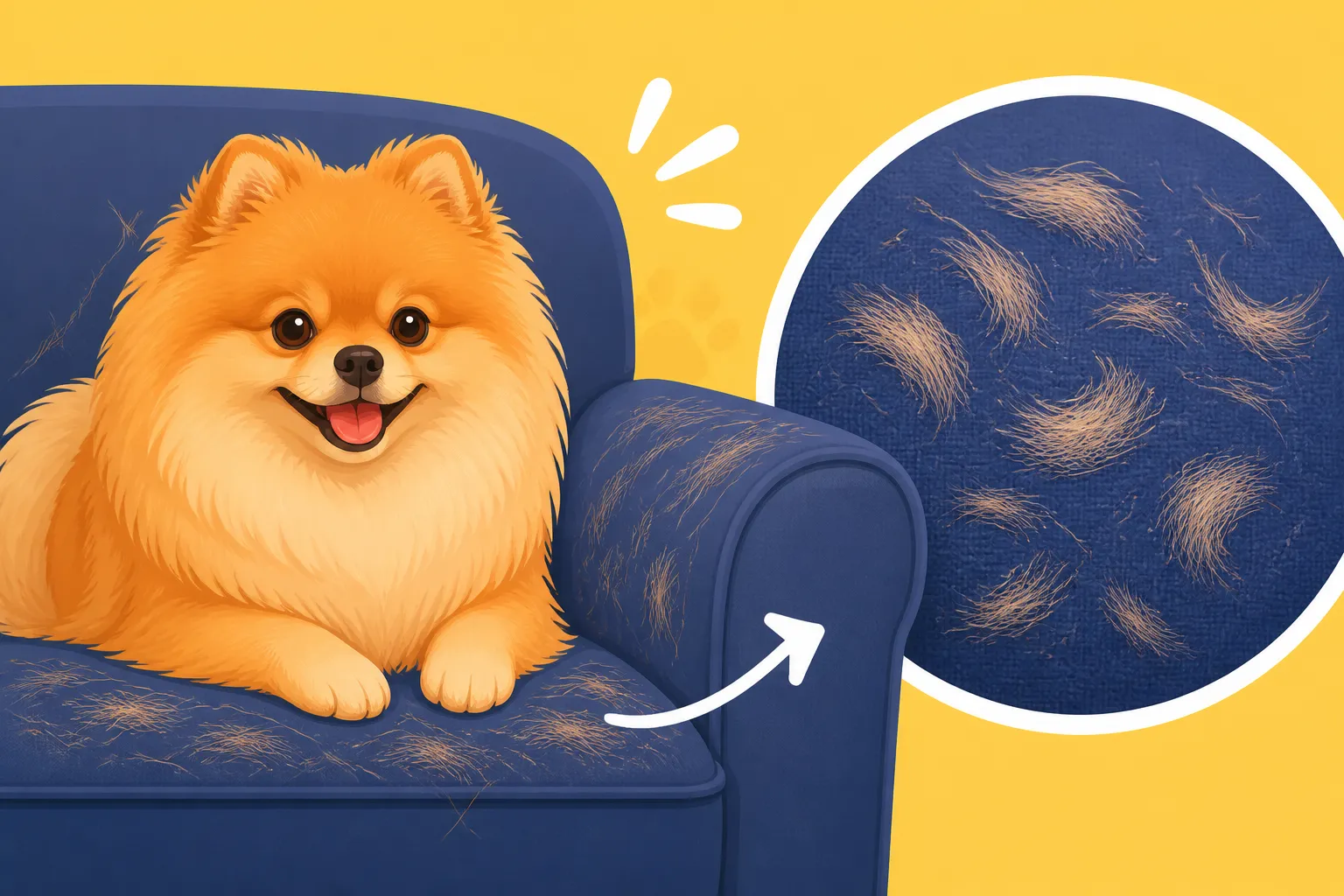
How Much Hair a Pomeranian Leaves on Furniture
Ah, the delightful dust bunnies and fluffy tumbleweeds that seem to magically appear in every corner of your home when you share it with a Pomeranian! It's a common frustration for Pom parents, isn't it? You love that gorgeous double coat, but sometimes it feels like it's trying to redecorate your entire living space with its own unique blend of fine hairs. This guide is here to shed some light (pun intended!) on why your little floof leaves so much hair behind and, more importantly, how you can manage the fluffy fallout effectively.
Understanding the Pomeranian's Double Coat and Why it Sheds
Pomeranians are magnificent little dogs, but their abundant coats are definitely a double-edged sword when it comes to keeping your home tidy. It's not just "dog hair"; it's a complex system designed to keep them warm and protected, and understanding it is the first step to managing the shedding.
The Guard Hair and Undercoat Explained
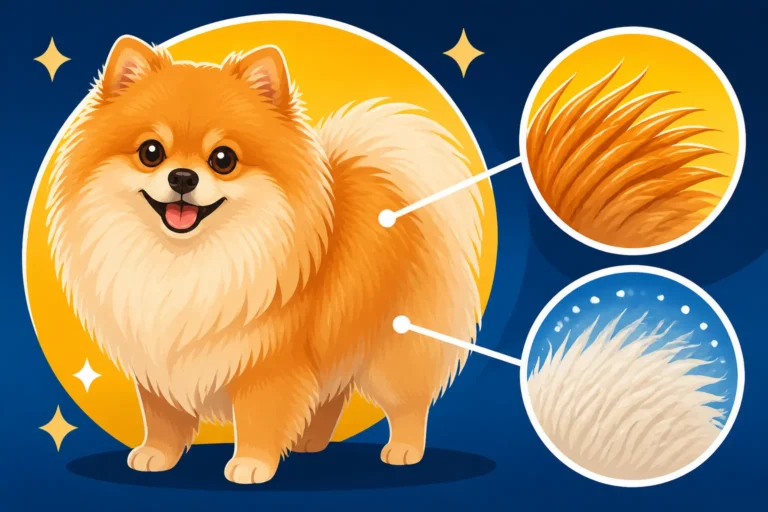
A Pomeranian's coat is truly a marvel of nature, consisting of two distinct layers. First, you have the outer coat, which is made up of longer, coarser "guard hairs." These are the hairs you see giving your Pom that beautiful, stand-off appearance. They're somewhat water-resistant and protect the softer undercoat from the elements. Then, underneath all that glory, there's the incredibly dense, fluffy, and soft "undercoat." This woolly layer acts like nature's insulation, keeping them cozy in cold weather and helping to regulate their body temperature in warmer climates.
It's this undercoat that is the primary culprit when it comes to shedding. While the guard hairs do shed, it's the sheer volume of the undercoat, and how readily it detaches, that creates the most visible hair around your home. When these dead undercoat hairs aren't brushed out, they become trapped in the living coat, forming mats and eventually working their way out onto your furniture and floors. For a deeper dive into these layers, you might find The Guard Hair and Undercoat of a Pomeranian helpful.
Seasonal Shedding vs. Year-Round Hair Loss
Every dog sheds to some extent, but Poms have a reputation for being moderate to heavy shedder, largely due to their double coat. You'll notice distinct periods throughout the year, often in spring and fall, where your Pomeranian seems to "blow" their coat. During these "coat blows," they'll shed an incredible amount of their undercoat to prepare for the upcoming season – a lighter coat for summer, a denser one for winter. This is a natural process, and during these times, you might feel like you're brushing out enough hair to make another small Pom!
However, Poms also experience year-round shedding. This isn't usually as dramatic as a full coat blow, but it's a constant, low-level release of dead hair. Factors like indoor living (where temperatures are relatively stable), diet, and individual dog genetics can influence how noticeable this continuous shedding is. While a healthy Pomeranian will always shed, excessive year-round shedding could sometimes point to underlying issues. You can explore Whether a Pomeranian's Undercoat Drops Year Round for more insights into this phenomenon.
Factors Influencing Shedding Volume
Beyond the natural coat cycles, several other factors can impact how much hair your Pomeranian leaves on your furniture and floors.
- Diet and Nutrition: What goes in directly impacts what comes out, or in this case, what stays in! A diet lacking in essential fatty acids, vitamins, and minerals can lead to a dry, brittle coat that sheds more easily. High-quality dog food, perhaps even fresh dog food like that offered by Ollie, can make a noticeable difference in coat health and, consequently, shedding.
- Health and Medical Conditions: Certain health issues can cause excessive shedding. Allergies, skin infections, parasites (like fleas or mites), thyroid imbalances, or even stress can all contribute to hair loss beyond the norm. If you notice sudden or patchy hair loss, or if your Pom's skin looks irritated, a vet visit is definitely in order to rule out medical causes.
- Hormonal Changes: Spaying or neutering can sometimes affect a Pomeranian's coat, leading to changes in texture and density, which might alter shedding patterns. Pregnant or lactating females also often experience significant shedding due to hormonal shifts.
- Stress and Anxiety: Just like humans can lose hair during stressful periods, dogs can too. A change in environment, a new family member, or even loud noises can cause a stressed Pomeranian to shed more than usual.
- Age: As Poms age, their coat can change. Sometimes it thins, sometimes it becomes coarser, and shedding patterns can become less predictable.
Minimizing Pomeranian Hair on Your Furniture
Now that we understand why your Pomeranian sheds, let's talk about the practical steps you can take to keep that gorgeous hair on your dog and not on your sofa. Consistent care is key!
The Importance of Regular Grooming
This is the absolute number one defense against Pomeranian hair overwhelming your home. Regular, thorough grooming is essential.
- Daily Brushing: During heavy shedding seasons, daily brushing is non-negotiable. Even outside of these times, aiming for at least 3-4 times a week will dramatically reduce the amount of loose hair migrating to your furniture. You'll want to brush your Pom down to the skin, using a slicker brush to remove the dead undercoat and then a pin brush to smooth the guard hairs. Don't just skim the top of the coat! Work in small sections, gently separating the fur to reach the undercoat. If you don't get the undercoat out, it will form mats, which can be painful and lead to skin issues. Check out How Many Times a Week a Pomeranian Is Brushed for detailed guidance.
- Right Tools for the Job: Investing in the correct grooming tools is crucial. A good quality slicker brush, a metal greyhound comb, and a pin brush are your essentials. Some owners also find a deshedding tool helpful, but use caution, as some can damage a Pom's delicate guard hairs if not used correctly. Learn more about selecting the right tools in The Slicker and Pin Brush a Pomeranian Needs and avoid potential coat damage by reading Whether a Deshedding Tool Damages a Pomeranian Coat.
- Making it a Positive Experience: Start grooming your Pomeranian from a young age, making it a positive, calm experience with lots of treats and praise. This will help them tolerate the necessary brushing sessions throughout their life. It's often easier to brush a calm dog than one fighting you every step of the way. Understanding The Minutes a Full Pomeranian Brush Out Takes can also help you allocate enough time for thorough sessions.
Bathing and Drying Best Practices
Bathing plays a role, but it's not a magical cure for shedding. In fact, incorrect bathing can sometimes make shedding worse or damage the coat.
- Infrequent, Thorough Baths: Pomeranians don't need frequent baths. Over-bathing can strip their skin of natural oils, leading to dryness and more shedding. Once every 3-4 weeks, or even less frequently if they stay clean, is often enough. When you do bathe them, use a high-quality shampoo and conditioner specifically designed for dogs. Focus on gently massaging the shampoo deep into the undercoat to loosen dead hair. How Rarely a Pomeranian's Coat Should Be Washed offers more context here.
- The Power of the Blow Dryer: This is where the magic happens for shedding control after a bath! After toweling your Pom thoroughly, use a dog-specific forced-air dryer (not a human hairdryer, which can be too hot and damage their skin/coat). The powerful airflow helps to "blow out" an incredible amount of loose undercoat that brushing alone might miss. This step is vital for reducing post-bath shedding. Always ensure your Pom is completely dry down to the skin to prevent skin issues and matting. Get tips on Drying a Pomeranian Without Damaging the Coat for a safe and effective drying routine.
Nutritional Support for a Healthy Coat
A healthy coat starts from within. What you feed your Pomeranian significantly impacts the health and integrity of their fur, and consequently, how much they shed.
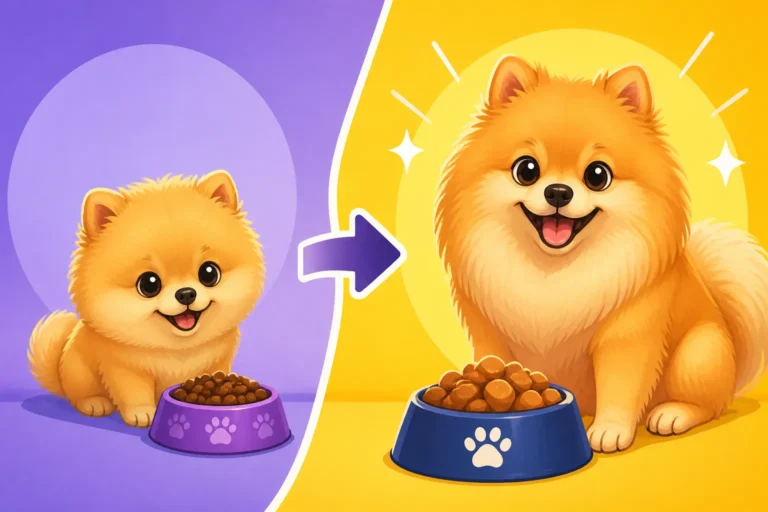
- High-Quality Diet: Ensure your Pomeranian is eating a complete and balanced diet. Look for dog foods with real meat as the first ingredient and avoid excessive fillers or artificial additives. A diet rich in protein and healthy fats contributes to a strong, lustrous coat. Brands like Ollie offer fresh, human-grade food options that can provide excellent nutritional support for skin and coat health.
- Omega Fatty Acids: These are superstars for coat health. Omega-3 and Omega-6 fatty acids can reduce inflammation, improve skin hydration, and promote a shinier, healthier coat that sheds less. You can find these in fish oil supplements, or often they are already included in good quality kibbles available from retailers like Chewy or Amazon. Before adding any supplements, it's always wise to chat with your vet. To learn more about this, consider reading Whether a Pomeranian Needs Fish Oil for Its Coat.
- Hydration: Make sure your Pomeranian always has access to fresh, clean water. Dehydration can lead to dry skin and a dull coat, potentially increasing shedding.
Strategies for Managing Hair on Furniture and Around the Home
Even with the best grooming and nutrition, a Pomeranian will still leave some hair behind. The next step is to equip yourself with the right tools and habits to manage the fluffy evidence around your living space.
Furniture Protection and Cleaning Tools
You don't have to live in a perpetual state of fluffy despair. There are many tools and tricks to keep your furniture presentable.
- Washable Furniture Covers and Throws: This is a simple yet incredibly effective solution. Place washable blankets or specific pet throws over your most-used furniture. When they get hairy, simply toss them in the wash. This creates a barrier between your Pom's fur and your upholstery. Many stylish options are available online through retailers like Amazon.
- Lint Rollers and Pet Hair Removers: Keep lint rollers handy near the door, in your car, and in your living room. For larger areas or embedded hair, specialized pet hair removers (often made of rubber or silicone) can be incredibly effective at lifting hair from upholstery and carpets.
- Vacuum Cleaners with Pet Attachments: A good quality vacuum cleaner is a Pomeranian parent's best friend. Look for models designed for pet hair, which often come with specialized attachments like mini-motorized tools that are excellent for upholstery, stairs, and tight corners. Regular vacuuming (even daily during heavy shedding periods) is essential. Robotic vacuums can also be a game-changer for daily maintenance, picking up loose hairs before they accumulate.
- Damp Cloths and Rubber Gloves: For a quick clean-up on hard surfaces or even some fabrics, a slightly damp microfiber cloth can work wonders to pick up loose hair. For stubborn hair on upholstery, putting on a rubber glove (the kind you use for dishwashing) and running your hand over the fabric can gather hair into clumps that are easy to pick up.
Creating Designated "Pomeranian Zones"
Sometimes, it's easier to contain the hair than to fight it across your entire home.
- Comfortable Pet Beds: Provide several comfortable, easily washable beds for your Pomeranian throughout the house. Encourage them to use these beds, especially on furniture. If your Pom knows their cozy spot, they're more likely to nap there, concentrating their shedding to a smaller, more manageable area.
- Crate Training: If your Pomeranian is crate trained, their crate can serve as a contained, easy-to-clean "hair zone" during periods when you're not actively supervising them. A comfy bed inside a crate will keep shed hair in one place.
- Strategic Placement of Furniture: Consider placing easily washable throws on furniture that your Pomeranian favors. For rooms where you want to keep hair minimal, you might consider limiting your Pom's access, perhaps with baby gates. Of course, this is a personal choice depending on your dog's temperament and your household dynamic.
Dealing with Hair on Clothing and Fabrics
It's inevitable that some of that fluffy goodness will transfer to your clothes and other fabrics.
- Before Washing: Before tossing hairy clothes into the washing machine, give them a good shake outside or use a lint roller. Excess hair can clog your washer's drain or transfer to other clothes in the load.
- Dedicated Pet Laundry Items: Consider having a separate set of towels, blankets, and even a washable mop head specifically for pet-related cleaning. This helps contain the hair and prevents cross-contamination with your "human" laundry.
- Dryer Sheets and Dryer Balls: Adding a dryer sheet or two, or using specific dryer balls designed to capture pet hair, can help loosen and remove remaining fur during the drying cycle. Remember to clean your lint trap after every load!
| Cleaning Tool / Method | Best Use Case | Efficacy on Pomeranian Hair | Pros | Cons |
|---|---|---|---|---|
| Lint Roller | Quick touch-ups on clothes, small fabric surfaces | High | Fast, portable, immediate results | Sticky sheets run out quickly, not for large areas |
| Rubber Gloves (damp) | Upholstery, carpets (pre-vacuum), car interiors | High | Inexpensive, effective for embedded hair | Can be slow for large areas |
| Pet Vacuum (attachments) | Upholstery, carpets, hard floors, stairs, corners | Very High | Powerful suction, removes embedded hair, versatile | Can be bulky, requires electricity, filter cleaning |
| Robotic Vacuum | Daily maintenance on hard floors & low-pile carpets | Moderate to High | Automatic, hands-free, consistent | Can miss corners, may struggle with deep carpets |
| Washable Throws/Covers | Preventing hair on furniture | Very High | Protects furniture, easy to clean | Needs regular washing, may not match decor |
| Damp Microfiber Cloth | Hard surfaces (tables, floors), quick dust-busting | Moderate | Easy to use, lint-free, picks up loose hair | Not for embedded hair, needs frequent rinsing |
While living with a Pomeranian definitely means living with a certain amount of fluff, by consistently implementing these grooming and cleaning strategies, you can significantly reduce the amount of hair on your furniture and keep your home feeling cleaner and more comfortable for both you and your furry companion. A little effort goes a long way in managing that beautiful, abundant Pomeranian coat!
Disclaimer
This article is for general informational purposes only and does not constitute professional advice. Laws, prices and regulations vary by location and change over time. Consult a qualified professional for guidance on your specific situation.