Brushing an Old Pomeranian Lying Down
Watching your beloved Pomeranian age is a bittersweet journey. Their once boundless energy might give way to slower movements, and even routine activities like grooming can become a source of discomfort or anxiety for them. The idea of brushing an old Pomeranian who might be stiff, sore, or just generally less tolerant of being handled can feel incredibly daunting, leaving many of us wondering how to keep their beautiful coat healthy without causing them distress. This comprehensive guide is here to walk you through gentle, empathetic strategies for grooming your senior Pomeranian, especially when they need to be brushed while lying down.
Why Grooming Changes for Senior Pomeranians
As our Poms transition into their golden years, so too do their needs, and grooming is no exception. What used to be a quick brush-out might now require more patience, specialized tools, and a deep understanding of their changing bodies. It's not just about a pretty coat anymore; it's about comfort, hygiene, and maintaining their dignity.
The Physical Challenges of Aging Poms
One of the biggest hurdles in grooming an older Pomeranian is dealing with their physical limitations. Those lively leaps onto the couch are replaced by careful steps, and getting them to stand still for a full brush-out can be nearly impossible, or worse, downright painful.
Many senior Pomeranians develop arthritis or other joint conditions, making movement stiff and uncomfortable. Imagine trying to stand on aching knees while someone pulls at your hair – that's often what grooming can feel like for them. Their hips might be sore, their spine might have a touch of degeneration, or perhaps they're just not as steady on their feet as they once were. This can manifest as reluctance to be positioned, crying out when a leg is moved, or simply trying to lie down during the process. We need to respect these changes and adapt our methods accordingly. For instance, holding a paw up to brush under an armpit might strain an arthritic shoulder, so it's essential to support their limbs gently and move slowly. The goal is always to reduce stress and pain, transforming grooming from a chore into a comforting ritual.
Skin and Coat Changes in Older Age
Beyond skeletal issues, an older Pomeranian's skin and coat undergo significant transformations that impact how we groom them. Their once thick, luxurious double coat might start to thin, especially on the hindquarters, or become drier and more prone to matting. This thinning, which can sometimes be mistaken for something more serious, means their skin is more exposed and sensitive. The Thinning That Starts on a Pomeranian's Hindquarters can be a normal part of aging, but it also means we need to be extra careful.
You might also notice their skin becoming more fragile, paper-thin in some spots, and more susceptible to tears or bruising. Lumps and bumps, common in senior dogs, can also make brushing tricky, requiring careful navigation around them. Because their coats can dry out, static electricity can become a bigger issue, making brushing uncomfortable as it pulls at their delicate skin. Additionally, a drier coat tends to tangle and mat more easily, creating a vicious cycle where mats cause discomfort, and discomfort makes brushing harder. Addressing these changes with moisturizing sprays and softer brushes is crucial to keep them feeling good.
Creating a Comfortable Grooming Environment
The key to successfully brushing an old Pomeranian, especially when they need to lie down, is setting the stage. It's all about making the experience as calm, safe, and positive as possible, turning it into a moment of connection rather than a dreaded event.
Choosing the Right Location and Surface
Think about where your senior Pom feels most relaxed. A bustling kitchen with people moving around or a cold, hard floor is likely not ideal. Instead, choose a quiet, warm spot in the house, perhaps their favorite cozy corner in the living room or a sunny bedroom. Familiar surroundings help reduce anxiety.
The surface they lie on is equally important. A slick, hard floor will be uncomfortable for aching joints and could cause them to slip, leading to fear or even injury. Opt for a soft, supportive, non-slip surface. A plush dog bed, a thick blanket laid on the floor, or even a large, soft bath mat can provide the necessary cushioning and stability. The goal is for them to feel secure and comfortable, able to shift positions without feeling precarious. Make sure the area is well-lit so you can clearly see their coat and any sensitive spots. Having your grooming supplies laid out within easy reach also means less fumbling and a smoother experience for both of you.
Essential Tools for Gentle Grooming
Using the right tools can make all the difference in a senior Pomeranian's grooming comfort. Harsh brushes or combs designed for younger, more robust coats can be painful on delicate skin and thinning fur.
Here’s what you’ll want in your senior Pom's grooming kit:
- Soft Slicker Brush: Look for one with very fine, flexible pins. This is essential for getting through the double coat without scratching the skin. A soft-bristled slicker will gently remove loose undercoat and surface tangles.
- Pin Brush: This is great for the topcoat and for general fluffing without pulling. Choose one with rounded tips to prevent irritation.
- Fine-tooth Comb: A metal comb with both wide and narrow teeth is crucial for checking for hidden mats, especially in thinner areas, but use it with extreme care.
- Detangling Spray: A good quality, leave-in detangling spray is a lifesaver. It lubricates the coat, making it easier to work through tangles and reducing static. Many reputable brands offer such sprays, and you can often find a good selection on Chewy or Amazon.
- Blunt-tipped Scissors: For cutting out stubborn, painful mats that cannot be brushed out. Always use blunt tips to avoid accidental injury to fragile skin.
- Small, Soft Towel: For quick clean-ups or to drape over your Pom if they get a chill.
Remember, the emphasis is on gentle. Test brushes on your own skin first to ensure they aren't scratchy. The Slicker and Pin Brush a Pomeranian Needs covers more about choosing brushes, but for a senior, always prioritize softness.
The Step-by-Step Gentle Brushing Technique
Now that you've got your comfortable space and your gentle tools, it's time to actually get brushing. This isn't about rushing; it's about patience, observation, and making every stroke as pleasant as possible for your aging friend.
Starting Slow and Building Trust
The first rule of grooming a senior Pomeranian is patience. If your Pom associates grooming with pain or stress, they'll resist. Start with very short sessions, even just a few minutes, focusing on areas they tolerate easily. The goal is to rebuild trust.
Always begin with praise and a favorite treat. Let them sniff the brush. Gently touch the brush to their coat for a second, then remove it and offer another treat. Gradually increase the duration of contact. Talk to them in a calm, soothing voice throughout the process. Watch their body language intently: a tensing of muscles, lip licking, yawning, or turning their head away are all signs of discomfort or stress. If you see these, stop, reassure them, and try again later, or switch to a less sensitive area. Never force them to endure pain or an uncomfortable position. Building trust means showing them that you will listen to their cues and that grooming is a positive experience. Over time, these brief, positive interactions will make longer sessions more manageable.
Brushing in Sections, Lying Down
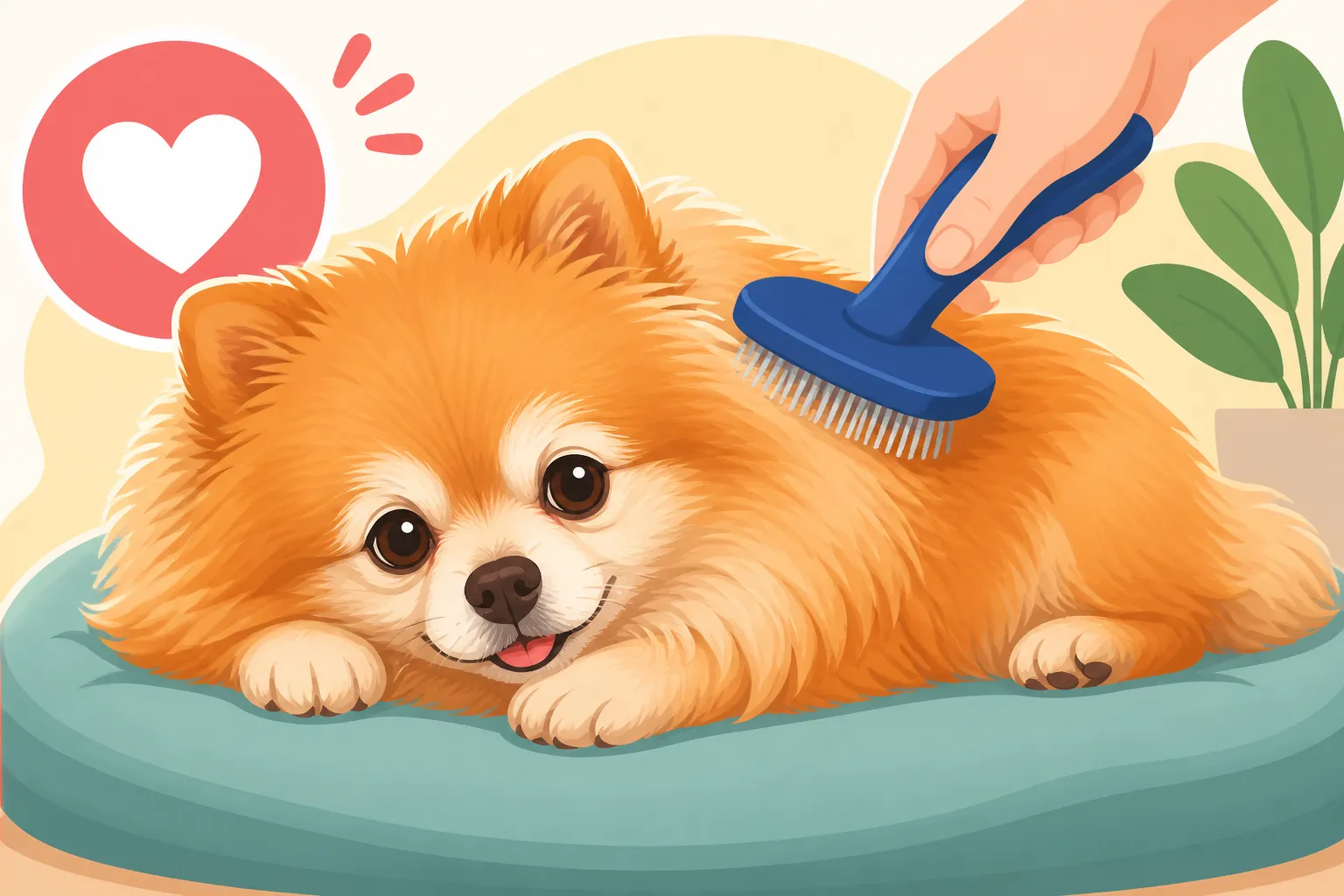
Once your Pomeranian is comfortable, gently encourage them to lie down on their side. This is often the most comfortable position for senior dogs with joint issues. If they can only tolerate lying on one side, focus your efforts there and adjust your technique for the other side as best you can without forcing them to roll over.
Start with a light spray of detangling solution over a small section of their coat. Then, using your soft slicker brush, gently part the hair and work in small sections, always brushing from the skin outwards. Use light, feathery strokes. Imagine you're trying to tickle their skin, not pull at their fur. Support their body as you work, especially their legs and hips. For example, if you're brushing their hindquarters, gently cup their hip or a knee to provide stability. Work your way across their body, section by section. Pay close attention to their ruff, britches, and tail plume – these areas are prone to matting and will require extra care. When working on their ruff, support their chin gently. For their britches, gently lift a leg slightly, if tolerated, to access the inner thigh, but be extremely careful not to overextend. Brushing a Pomeranian's Britches and Ruff highlights techniques for these dense areas, which become even more critical in a senior dog. After each section, follow up with the pin brush to fluff and smooth the coat, then a very gentle pass with the fine-tooth comb to ensure no tangles remain.
Handling Sensitive Areas and Mats
Mats are a senior Pomeranian's enemy, often lurking behind the ears, in the armpits, under the harness area, and in the britches. These areas collect loose fur easily and, with reduced movement, become magnets for tangles. When you encounter a mat, your first instinct might be to pull, but resist! This is where detangling spray and patience come in.
Liberally spray the mat with detangling solution, gently working it into the tangle with your fingers. Allow it to sit for a minute or two. Then, using your fine-tooth comb or the very tip of your slicker brush, try to tease the mat apart from the outer edge, picking at small strands rather than trying to pull through the whole thing. Work tiny sections at a time, moving slower than you think is necessary. If a mat is too tight or painful, do not hesitate to use blunt-tipped scissors. Carefully slide the blunt tip under the mat, close to the skin (but never touching it), and cut parallel to the body. You may need to make several small cuts to break the mat into smaller, more manageable pieces before you can gently comb them out. If you're unsure or afraid of cutting their delicate skin, it's always better to leave it to a professional groomer or vet. Remember, a painful mat is far worse than a slightly shorter patch of fur. Working Through a Mat Behind a Pomeranian's Ear offers more specific tips for a common trouble spot.
| Grooming Tool | Primary Use for Senior Poms | Benefits for Senior Poms | Caution for Senior Poms |
|---|---|---|---|
| Soft Slicker Brush | Removing loose undercoat and surface tangles | Gentle on thinning skin, less pulling | Too much pressure can still scratch |
| Pin Brush | Smoothing topcoat, general fluffing | Won't pull or snag delicate fur | Less effective on deep mats |
| Fine-tooth Comb | Checking for small tangles, mat detection | Pinpoints hidden mats, ensures thoroughness | Can pull hair if not used gently |
| Detangling Spray | Loosening mats, reducing static | Prevents pain, adds moisture to dry coat | Choose scent-free to avoid irritation |
| Blunt-tipped Scissors | Cutting out severe, unreachable mats | Prevents extreme pain from tight mats | Risk of cutting skin if not extremely careful |
Beyond the Brush: Full Senior Grooming Care
Grooming a senior Pomeranian isn't just about brushing their magnificent coat. It encompasses a holistic approach to their hygiene and comfort, ensuring every part of their body is well-maintained and free from issues that can cause them distress.
Nail Trimming and Paw Care
As Poms age, they often become less active, which means their nails wear down less naturally. Overgrown nails can be incredibly painful, pushing into their paw pads, altering their gait, and even contributing to joint pain. They can also snag on carpets or furniture, leading to tears.
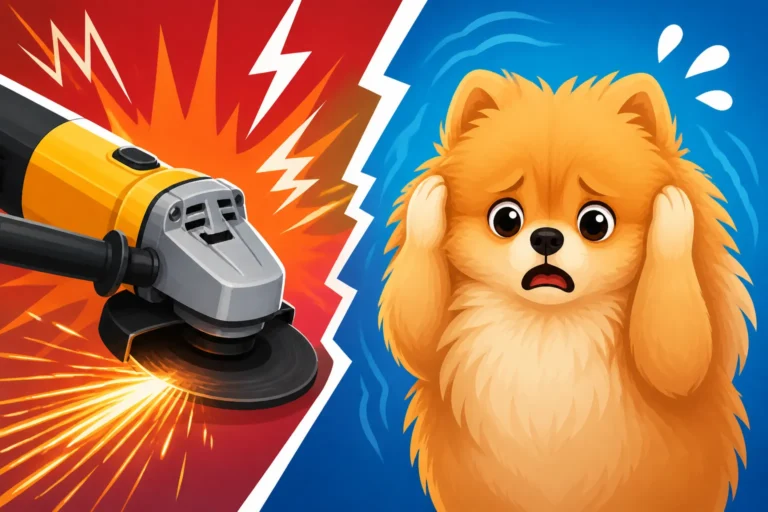
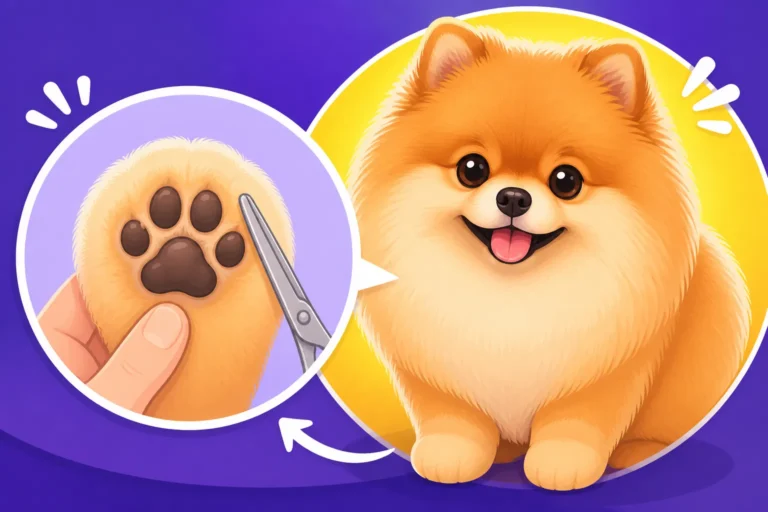
Regular nail trims are crucial, but can be a sensitive issue for an old Pomeranian, especially if they're already unsteady on their feet. If standing is difficult, try trimming their nails while they are lying down. Have them lie on their side, and gently extend one paw at a time. Use sharp, good-quality clippers or a dremel-style grinder, which some dogs tolerate better due to the lack of "snip" sensation. If using clippers, only take off the very tip to avoid cutting the quick, which is very painful and will make future trims even harder. If you're unsure where the quick is, it's better to take off tiny amounts more frequently. The sound and vibration of a grinder might be alarming at first, so introduce it slowly, offering treats. While you're at it, check their paw pads. Older Poms can develop dry, cracked pads, especially in certain climates. Apply a paw balm to keep them moisturized. Don't forget to gently trim any long fur between their paw pads, as this can collect debris and form mats, making walking uncomfortable.
Ear Cleaning and Dental Hygiene
These often-overlooked areas are paramount for a senior Pomeranian's health and comfort. Regular checks can prevent painful infections or serious dental issues.
Ear Cleaning: Older Poms might be more prone to ear infections due to weakened immune systems or less activity, which means less natural ventilation in their ears. Gently lift their small, erect ears and check inside. Look for redness, discharge, foul odor, or excessive wax buildup. If you see any concerning signs, consult your vet immediately. For routine cleaning, use a vet-approved ear cleaning solution. Apply a few drops into the ear canal (following product instructions), gently massage the base of the ear, then use a soft cotton ball or gauze to wipe away any visible debris. Never use cotton swabs inside the ear canal, as this can push debris further in or damage delicate structures. Cleaning a Pomeranian's Small Ears covers more detailed ear care.
Dental Hygiene: This is perhaps one of the most critical aspects of senior Pomeranian care. Small breeds, including Poms, are notoriously prone to dental disease. As they age, this only worsens, leading to painful infections, tooth loss, and systemic health issues. Brushing their teeth daily is the gold standard. Use a soft-bristled toothbrush and enzymatic dog-specific toothpaste. If daily brushing is too much, aim for a few times a week, focusing on the outside surfaces of their teeth. Even a few minutes can make a difference. If your Pom has retained baby teeth or severe tartar buildup, a professional dental cleaning under anesthesia by your veterinarian will be necessary. Daily Tooth Care in a Pomeranian's Crowded Mouth emphasizes the importance of consistent dental care.
Warm Baths and Drying Considerations
Bathing a senior Pomeranian needs to be done with extra care and consideration for their comfort and health. While their beautiful coat needs to be clean, you might find that less frequent bathing is actually better for their drier, more sensitive skin.
When it's bath time, choose a warm, draft-free room. Use lukewarm water, never hot, as their skin can be more sensitive to temperature changes. A kitchen sink with a rubber mat at the bottom can be a good, elevated option that saves your back and keeps them contained. Use a gentle, moisturizing shampoo specifically formulated for dogs, ideally one that is scent-free to avoid irritating their delicate skin. Work the shampoo in gently, avoiding scrubbing, which can irritate their skin or tangle their coat. Rinse thoroughly, making sure no shampoo residue is left behind, as this can cause itching and flaking. After the bath, wrap them immediately in a soft, absorbent towel. Towel dry them as much as possible, gently blotting and squeezing the water out of their coat rather than rubbing vigorously. If you use a blow dryer, always use the lowest heat setting or a cool air dryer specifically for pets. Keep the dryer moving constantly, never focusing on one spot, and take frequent breaks to check their skin temperature. A cold or damp Pom can quickly become chilled, which is particularly risky for seniors. Washing a Pomeranian in a Kitchen Sink offers more tips for bath time.
Recognizing Limits and Seeking Professional Help
Despite our best intentions and efforts, there will be times when our senior Pomeranian's grooming needs exceed what we can comfortably or safely provide at home. Recognizing these limits isn't a failure; it's a responsible act of love.
When to Call the Vet or a Groomer
If your Pomeranian consistently shows signs of pain or severe anxiety during grooming, even with your most gentle approach, it's time to seek professional help. Persistent growling, snapping, yelping, or intense trembling are clear indicators that something is wrong.
- Veterinarian: If your Pom is in significant pain, has open sores, unexplained lumps, or mats so severe they are pulling at their skin, a vet visit is paramount. They can assess the underlying cause of the discomfort (e.g., severe arthritis, skin infection) and provide pain management or sedation for necessary grooming. In some extreme cases, a vet might even recommend light sedation to safely remove painful mats. Anesthesia Risk in a Four Pound Pomeranian can be a concern for many, so discuss all options with your vet.
- Professional Groomer: Look for a groomer who specializes in senior dogs or has experience with small, delicate breeds. A good professional groomer will often use specialized tables with ramps, offer quieter environments, and be highly skilled in gentle handling. They can often tackle mats more efficiently and safely than an owner, and they might have tools and techniques (like certain drying methods or specialized shears) that you don't have access to at home. Don't be afraid to interview groomers and ask about their experience with elderly, sensitive dogs.
Product Recommendations for Senior Poms
Supporting your senior Pomeranian's comfort extends to the products you choose for their daily life, not just grooming. Beyond the gentle shampoos and detanglers mentioned, consider supplements and specialized food.
- Joint Supplements: Many older Pomeranians benefit from joint supplements containing glucosamine, chondroitin, and MSM. These can help support cartilage health and reduce inflammation, making them more comfortable during movement and, by extension, grooming. Brands like Chewy and Amazon offer a wide array of choices, so read reviews and consult your vet for the best fit.
- Omega-3 Fatty Acids: Fish oil supplements (Omega-3s) can do wonders for an aging Pomeranian's skin and coat, helping to combat dryness and improve coat health. They also have anti-inflammatory benefits that can support overall comfort.
- Senior-Specific Diets: Some senior dog foods are formulated with joint support ingredients and tailored calorie counts to maintain a healthy weight, which is crucial for reducing strain on their joints. Brands like Ollie sometimes offer fresh food options designed for various life stages, which can be very palatable for older dogs who might have a reduced appetite or dental issues. Feeding an Old Pomeranian With Few Teeth explores how diet needs change.
- Moisturizing Shampoos and Conditioners: Opt for hypoallergenic, oatmeal-based, or aloe-vera infused shampoos and conditioners that won't strip natural oils from their already dry skin.
By being observant, patient, and willing to adapt, we can ensure our cherished senior Pomeranians continue to look and feel their best, even when they need a little extra care and understanding during their grooming sessions.
Disclaimer
This article is for general informational purposes only and does not constitute professional advice. Laws, prices and regulations vary by location and change over time. Consult a qualified professional for guidance on your specific situation.