Why a Bark Collar Is Wrong for a Pomeranian’s Throat
It’s incredibly frustrating when your sweet little Pomeranian suddenly transforms into a tiny, yappy alarm system, barking at every leaf, squirrel, or phantom menace that crosses their path. In moments of desperation, the idea of a bark collar might seem like a quick fix to restore peace to your home. But for a delicate breed like our beloved Poms, these devices can be far more detrimental than helpful, posing significant risks to their physical and emotional well-being. This guide will explain exactly why bark collars are a poor choice for a Pomeranian and offer humane, effective strategies to manage barking.
The Unique Fragility of a Pomeranian's Throat
Our little Pomeranians are adored for their fluffy coats and spirited personalities, but their tiny stature also comes with some delicate anatomical considerations, especially around their neck and throat. It’s not just a matter of being small; their specific breed predispositions make them uniquely vulnerable to certain types of injury, which bark collars can easily exacerbate.
The Delicate Trachea and Its Vulnerabilities
One of the most critical aspects of a Pomeranian's throat anatomy is their trachea, or windpipe. Unlike larger, more robust breeds, many small and toy breeds, including Pomeranians, are prone to a condition called tracheal collapse. Imagine a vacuum cleaner hose – it has rings to keep it open. A dog's trachea is similar, with C-shaped cartilage rings. In a Pomeranian with tracheal collapse, these rings can weaken and flatten, making the windpipe narrower and harder for air to pass through. This can lead to a characteristic "honking cough," especially when they are excited, pull on their leash, or experience pressure on their neck. You can find more details on this in The Honking Cough of a Pomeranian's Collapsing Windpipe.
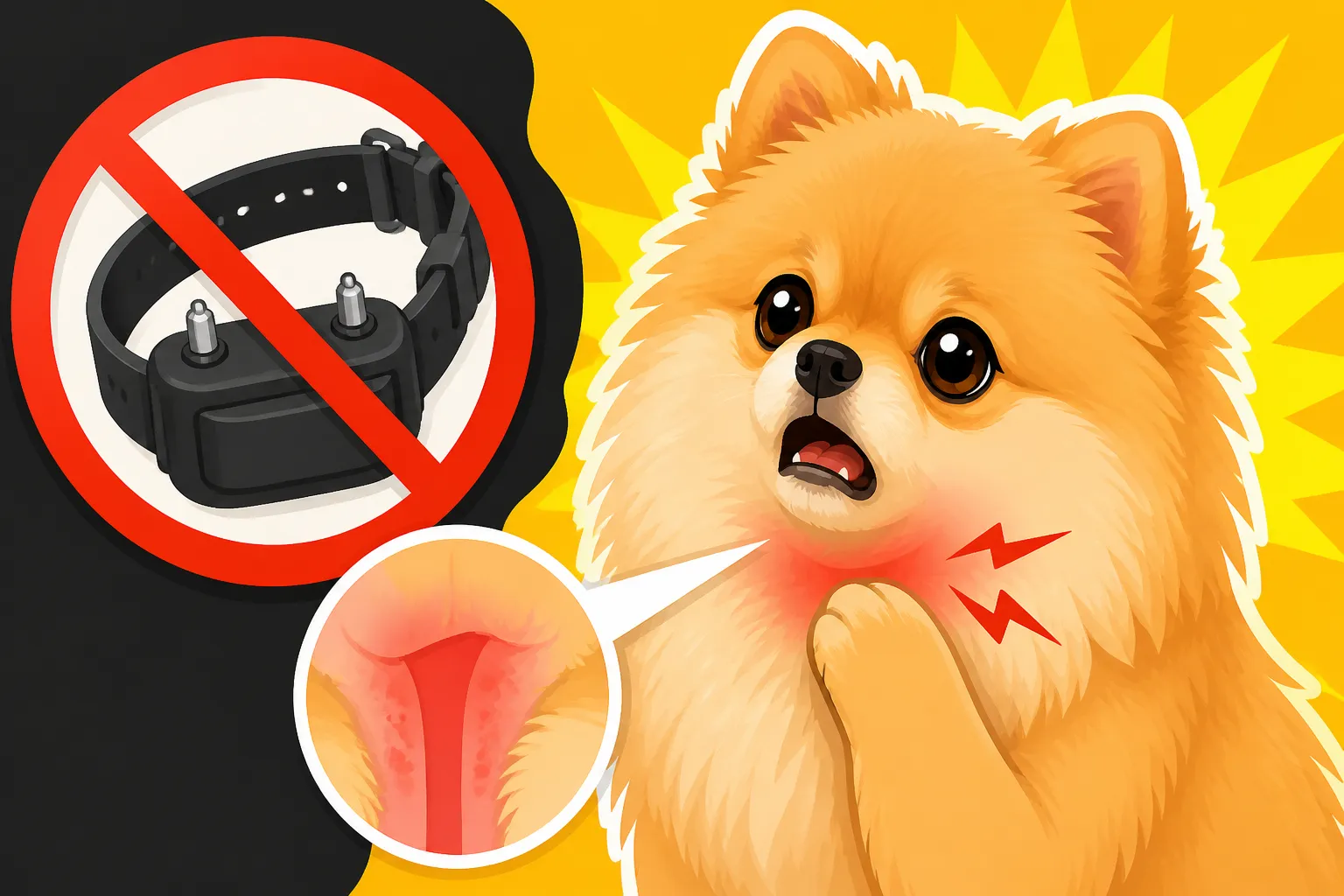
Even a healthy Pomeranian's trachea is not as strong as that of a larger dog. Any sudden, sharp pressure, like that from a traditional collar, can put undue stress on these delicate structures. Now imagine a device designed to deliver an unpleasant sensation directly to this area every time your dog barks. The repeated impact, whether it's a static shock, a burst of citronella, or even just a strong vibration, can cause irritation, inflammation, and potentially contribute to the progression of tracheal issues or worsen existing ones. It's a risk simply not worth taking when their long-term respiratory health is at stake. This fragility is a core reason why many veterinarians recommend harnesses over collars for walks for Poms, as discussed in Why a Collar Threatens a Pomeranian's Windpipe.
Small Neck, Big Risks
Beyond the trachea, a Pomeranian's overall neck structure is tiny. They have less muscle and fat padding compared to larger dogs, offering less natural protection to vital structures like blood vessels, nerves, and the thyroid gland. A bark collar, regardless of its "gentleness," applies a targeted stimulus to this highly sensitive area. For a human, imagine a small device repeatedly poking or shocking the front of your neck – it's an uncomfortable, potentially painful, and ultimately harmful experience. For a Pomeranian, the disproportionate size of the collar's mechanism relative to their small neck amplifies these risks.
Moreover, the skin on a Pomeranian's neck can be quite delicate and easily irritated. Constant rubbing or pressure from an ill-fitting or continuously activated collar can lead to skin abrasions, hot spots, or even pressure necrosis in severe cases. These aren't just cosmetic issues; they can be incredibly painful and susceptible to infection, requiring veterinary intervention. The cumulative effect of physical pressure and the stimulus itself can create a cycle of discomfort and fear around their neck area, making future handling or even wearing a normal harness a source of anxiety.
Why Bark Collars Pose a Unique Threat to Small Breeds
Bark collars come in various forms, each with its own method of deterrence, but for a small, sensitive breed like a Pomeranian, none of them are truly appropriate or safe. The underlying principle of these collars is to interrupt barking with an unpleasant sensation, but this often leads to more problems than it solves, particularly in a dog that is already prone to anxiety or fear.
Static Shock Collars
These are perhaps the most controversial and widely condemned types of bark collars. They deliver an electrical shock when activated by barking. While manufacturers often claim the shocks are "harmless" or merely a "tap," for a small dog, even a low-level shock can be profoundly distressing, painful, and frightening. Imagine the jolt if you accidentally touched an exposed wire – now imagine that happening repeatedly to your tiny dog, often unpredictably and without clear understanding of why.
The psychological impact of static shock collars can be severe. Instead of learning not to bark, a Pomeranian might simply learn that barking leads to pain, creating immense fear and anxiety. They might become fearful of the doorbell, visitors, or even the sound of their own voice, leading to a shutdown or the development of other neurotic behaviors like excessive licking, hiding, or aggression born out of fear. This kind of negative association can destroy trust between you and your dog. Furthermore, accidental activation (e.g., another dog barking nearby, or even a sudden loud noise) can create confusion and amplify fear, making the problem worse, not better.
Citronella Spray Collars
These collars emit a burst of citronella spray towards the dog's snout when they bark. The scent and sensation are intended to be aversive. While seemingly less harsh than a static shock, citronella spray still poses significant issues for a small breed. The unexpected spray can be startling and disorienting, especially for a dog with a sensitive respiratory system. Repeated inhalation of the spray might cause irritation to their nose, throat, and lungs, which is a serious concern for a breed already susceptible to respiratory issues like The Honking Cough of a Pomeranian's Collapsing Windpipe.
Moreover, the effectiveness of citronella collars often diminishes over time as dogs either habituate to the smell or learn to anticipate and brace for the spray. Like static collars, they don't address the underlying reason for the barking. They merely suppress the symptom, often at the cost of your dog's comfort and confidence. Some Poms might even develop an aversion to things associated with the spray, such as outdoor activities if they wear it on walks, leading to a reluctance to explore or engage.
Vibration and Ultrasonic Collars
Vibration collars produce a vibrating sensation on the dog's neck, while ultrasonic collars emit a high-pitched sound. These are often marketed as "humane" alternatives, but they are not without their problems, particularly for a sensitive Pomeranian. The constant or sudden vibration can still be startling and uncomfortable, especially on a small neck with delicate tracheal structures. The repetitive nature can cause skin irritation or even neurological discomfort over time.
Ultrasonic collars, while not physically touching the dog, emit sounds that are unpleasant to their sensitive ears. While humans can't hear them, dogs with their superior hearing often find these frequencies irritating or even painful. Imagine a constant, annoying high-pitched noise just for you. For a dog that might already be barking due to anxiety or stress, adding another layer of aversive sensory input only compounds their discomfort and can lead to increased stress, confusion, and fear, rather than genuine behavioral change.
It's crucial to understand that bark collars, regardless of their mechanism, work by punishment. Punishment-based training can be counterproductive, particularly for small, sensitive dogs like Pomeranians. It can erode their confidence, damage their bond with you, and often fails to teach them what to do instead of barking.
Humane and Effective Alternatives to Stop Barking
The good news is that you absolutely can manage and reduce your Pomeranian's barking without resorting to harsh or painful devices. The key is to understand why your dog is barking and then use positive reinforcement to teach them more appropriate behaviors. This approach not only solves the problem but also strengthens your bond with your Pom.
Understanding the Root Cause of Barking
Before you can address the barking, you need to play detective. Why is your Pomeranian barking? Is it:
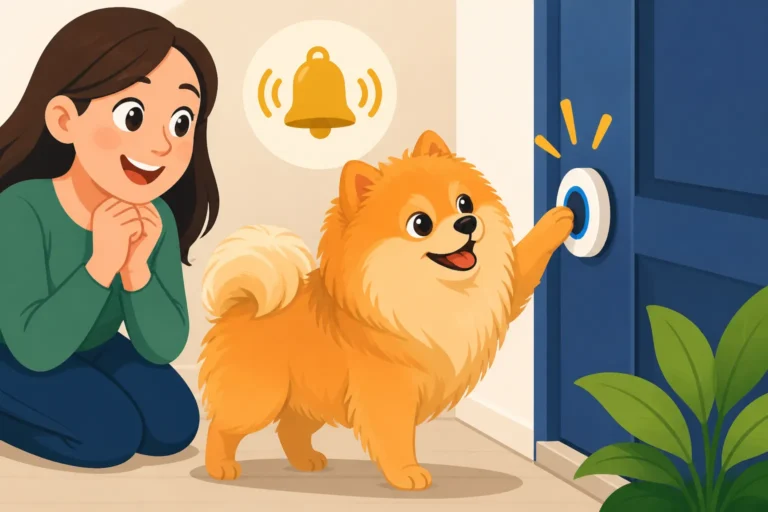
- Alert barking: At the doorbell, people walking by, or strange noises. This is often a territorial instinct. The Doorbell and the Pomeranian Response delves into this common issue.
- Attention-seeking barking: When they want to play, food, or simply some cuddles.
- Boredom barking: When they're not getting enough mental or physical stimulation.
- Anxiety or fear barking: This can range from separation anxiety when left alone (see Whether a Pomeranian Barks When Left Alone and The Pomeranian That Cannot Be Left Alone) to fear of certain sounds or people.
- Excitement barking: Often happens during playtime or greetings.
Once you identify the trigger, you can tailor your approach. For example, if your Pom barks at every passerby, simply punishing the bark won't change the fact that they perceive a threat. You need to change their perception and provide an alternative behavior.
Positive Reinforcement and Training
Positive reinforcement is your best friend when it comes to modifying barking. This means rewarding your Pomeranian for quiet behavior or for performing an alternative, desired action instead of barking.
Here are some strategies:
-
Teach a "Quiet" Command: This is a powerful tool.
- Step 1: Let your dog bark 2-3 times at a trigger (e.g., someone at the door).
- Step 2: Immediately after they bark, gently put a treat to their nose, which will usually make them stop barking to sniff it.
- Step 3: As soon as they are quiet for even a second, say "Quiet!" (or "Enough!") and give them the treat.
- Step 4: Repeat this many times. Gradually increase the duration of silence required before the treat is given.
- Step 5: Practice in different scenarios and with varying levels of distraction.
This helps your dog associate silence with a reward, and you can eventually fade out the treat once the verbal cue is understood.
-
Redirection and Alternative Behaviors: If your Pom barks at the window, teach them to go to their bed or a specific mat when they see someone outside. Reward them heavily for going to their spot and staying quiet. For attention-seeking barking, teach them to bring you a toy instead, or to sit politely. This gives them an appropriate outlet for their desire for engagement.
-
Manage the Environment:
- Window film or curtains: If alert barking at windows is an issue, block their view of the outside world.
- Sound machines: White noise or classical music can mask outside noises that trigger barking.
- Chew toys and puzzle feeders: Provide engaging activities to keep them busy, especially if boredom is a factor. Many great options can be found on Amazon.
- Safe space: Ensure your Pomeranian has a comfortable, quiet crate or bed where they can retreat and feel secure.
-
Increase Mental and Physical Exercise: A tired Pom is a good Pom. Daily walks, even short ones, provide physical exercise and mental stimulation from sniffing new smells. Puzzle toys, short training sessions (remember, Training Session Length for a Pomeranian should be brief and fun!), and interactive play can fulfill their needs. For specific rewards, consider what The Reward a Pomeranian Actually Cares About might be, whether it's a special treat, a favorite toy, or enthusiastic praise.
For comprehensive, step-by-step guidance on positive reinforcement training, consider enrolling in an online puppy school or training program. Resources like BAXTER & Bella offer structured courses that can guide you through teaching your Pomeranian appropriate behaviors and addressing barking in a force-free way. They often provide valuable insights into canine communication and building a strong, trust-based relationship.
Addressing the Root Causes of Excessive Barking
As we've touched upon, treating barking as just an annoying habit misses the point. It's almost always a symptom of an underlying emotional or physical need. For a Pomeranian, who often thrives on companionship and routine, addressing these deeper issues is crucial for long-term success.
Battling Boredom and Understimulation
Pomeranians are intelligent and active little dogs, despite their small size. They were originally larger Spitz-type dogs, and even though they've been miniaturized, they still retain a good deal of that Spitz brainpower and energy. If they're left without enough to do, they can quickly become bored, and boredom often manifests as barking, chewing, or other destructive behaviors.
Think about your Pom's daily routine. Are they getting enough walks, even if it's just a couple of short strolls around the block? Are they engaging in playtime with you? Are they given opportunities to use their brains? This could be as simple as hiding treats around the house for them to sniff out, playing fetch in the living room, or regular, short training sessions. Mental exercise is just as important as physical exercise for preventing boredom-induced barking. Rotate their toys to keep things fresh, and introduce new puzzle toys to challenge them. A mentally stimulated Pomeranian is less likely to feel the need to create their own "entertainment" through incessant barking.
Managing Anxiety and Fear-Based Barking
Anxiety is a huge factor in barking for many small breeds, and Pomeranians are no exception. They can be quite sensitive to changes in their environment, loud noises, or being left alone. If your Pomeranian is barking excessively when you leave the house, they might be experiencing separation anxiety. This can manifest as relentless barking, pacing, destructive chewing, or even house-soiling. For a deeper dive, check out Whether a Pomeranian Barks When Left Alone.
Addressing anxiety requires patience and a multi-faceted approach:
- Desensitization and Counter-conditioning: If your Pom barks at specific triggers (like the doorbell), slowly expose them to the trigger at a low intensity while giving them high-value treats. The goal is to change their emotional response from fear/alertness to positive anticipation. Start by playing a recording of a doorbell sound at a very low volume, rewarding calm behavior. Gradually increase the volume over many sessions.
- Safe Space: Ensure your Pomeranian has a comfortable, den-like crate or bed where they feel secure. This can be their "safe haven" when they feel overwhelmed.
- Calming Aids: Discuss options with your vet, such as calming pheromone diffusers, calming supplements, or in some cases, anxiety medication. These are aids, not solutions, but can help create a calmer state for training.
- Gradual Departures: For separation anxiety, practice leaving for very short periods (a few seconds, then minutes) and gradually increase the time, always ensuring you return before they become distressed. Don't make a big fuss when you leave or return; keep it low-key.
- Confidence Building: Engaging your Pom in positive reinforcement training helps build their confidence. When they learn new cues and are rewarded for them, it empowers them and reduces general anxiety.
It's also worth investigating Whether a Pomeranian Barks From Fear or Habit to understand the underlying motivations. Sometimes, barking can simply become a deeply ingrained habit, even if the initial trigger is no longer present. In these cases, consistent, positive interruption and redirection are vital.
Working with a Professional Trainer or Behaviorist
If you've tried these methods consistently and are still struggling, don't hesitate to seek professional help. A certified professional dog trainer or veterinary behaviorist can assess your Pomeranian's specific situation, identify the root cause of the barking, and develop a customized training plan. They can teach you techniques that are effective, humane, and tailored to your dog's personality and needs. This investment can save you a lot of frustration and ensure your Pomeranian lives a happier, quieter life.
Remember, patience is paramount. Changing ingrained barking behavior takes time, consistency, and understanding. You're teaching your Pom a new way to interact with the world, and that's a process, not an overnight fix. By choosing humane, positive methods, you're not only solving a problem but also deepening the loving bond you share with your special little dog.
Here's a comparison of bark deterrents versus humane training tools:
| Feature | Bark Collars (Static, Spray, Vibration) | Humane Training Tools & Methods |
|---|---|---|
| Mechanism | Aversive stimulus (shock, spray, vibration, sound) when dog barks. | Positive reinforcement, redirection, environmental management, teaching alternate behaviors. |
| Pomeranian Safety Risks | Tracheal injury, skin irritation, anxiety, fear, worsening behavioral issues, damage to trust. | No physical harm; builds confidence and strengthens bond. |
| Addresses Root Cause? | No, only suppresses symptom; can create new behavioral problems. | Yes, focuses on identifying and resolving underlying reasons for barking. |
| Long-Term Effectiveness | Often temporary suppression; dog may habituate or develop new anxieties. | Sustainable behavioral change; dog learns desirable behaviors and trust. |
| Emotional Impact | Stress, fear, confusion, decreased confidence. | Increased confidence, joy, understanding, stronger bond. |
| Cost | Initial purchase of collar, potential vet bills for injuries/stress-related issues. | Time investment, treats, puzzle toys, potential cost of positive reinforcement trainer. |
| Examples of Tools | Shock collars, citronella spray collars, ultrasonic devices, vibration collars. | Treat pouches, clickers, high-value treats, interactive toys, puzzle feeders (easily found on Amazon), sound machines, privacy film, certified dog trainers (like those found through BAXTER & Bella). |
Disclaimer
This article is for general informational purposes only and does not constitute professional advice. Laws, prices and regulations vary by location and change over time. Consult a qualified professional for guidance on your specific situation.