Whether a Pomeranian Needs Clothing at All
It's a common sight these days to see little dogs, especially a fluffy Pomeranian, sporting everything from tiny sweaters to full-blown coats, and it often leaves owners wondering if it's truly a necessity or just a cute fashion statement. The truth is, while Poms come equipped with a magnificent natural coat, there are very specific situations where clothing isn't just for show – it's a genuine benefit, and sometimes even a critical layer of protection for their health and comfort. This guide will help you understand when and why your Pomeranian might need clothing, and how to choose the right pieces.
Understanding the Pomeranian's Natural Coat: A Built-In Defense
Before we even think about adding layers, it's crucial to appreciate the incredible engineering of a Pomeranian's natural coat. This isn't just fluffy hair; it's a sophisticated system designed by nature to protect them from the elements. Many owners, especially new ones, underestimate just how effective this built-in defense really is.
The Double-Layered Marvel: Guard Hairs and Undercoat
Your Pomeranian’s glorious fluff isn’t just for show; it’s a highly functional double coat. This means they have two distinct layers working in tandem. The outer layer consists of long, coarse guard hairs. These are the stiff, straight hairs you see on top, and their primary job is to repel water, dirt, and even block some UV rays. Think of them like the shingles on a roof, slanting downwards to shed moisture and provide a tough exterior. These guard hairs are quite robust and give the Pomeranian that characteristic "stand-off" look.
Beneath this protective outer layer lies the real powerhouse: a dense, soft, and fluffy undercoat. This undercoat is incredibly insulating, made up of many fine hairs that trap air close to the dog's body. This trapped air acts as a thermal barrier, much like the insulation in your home. It’s this undercoat that truly provides warmth in cold weather and, surprisingly, helps to keep them cool in warmer temperatures by preventing body heat from directly absorbing external heat. Understanding The Double Coat That Makes a Pomeranian and Why It Stays On is key to appreciating its function.
How Their Coat Protects Against Both Cold and Heat
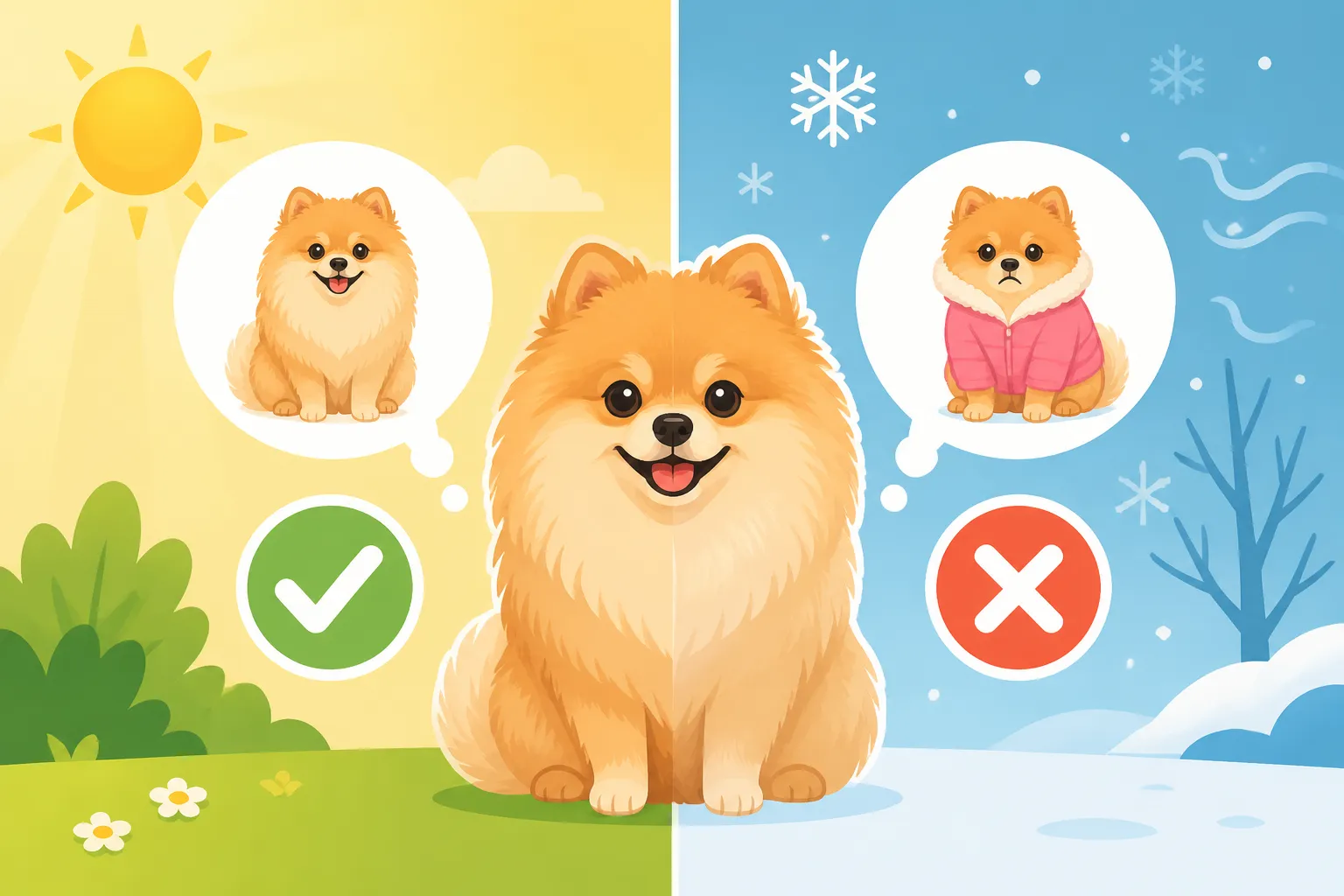
The double coat of a Pomeranian is truly a marvel of natural selection, offering protection in a wide range of climates. In cold weather, the dense undercoat traps warm air next to their skin, creating a buffer against the biting chill. The guard hairs then prevent snow, ice, and wind from penetrating to that insulating layer. It’s why you often see Poms, even small ones, seemingly unfazed by a brisk walk on a chilly day, bounding through light snow with their tails held high. Their fur is literally designed to keep them toasty.
Conversely, in hot weather, this same double coat performs an equally vital function: it insulates against heat. Many people mistakenly believe that shaving a Pomeranian will help them stay cool, but this couldn't be further from the truth. The coat acts as a barrier, preventing the sun's harsh rays from reaching their skin and allowing for air circulation underneath. Removing this protective layer exposes their delicate skin to sunburn and can actually make them hotter by compromising their natural cooling mechanism. It's a delicate balance, and their coat is perfectly adapted for it. For more on this, you might find How a Double Coated Pomeranian Handles Summer insightful.
When Clothing Becomes a Practical Necessity for Your Pomeranian
Despite their fantastic natural insulation, there are specific circumstances where adding clothing isn't just about making your Pom look adorable (though they certainly do!). In these cases, it becomes a genuine tool for comfort, safety, and health. It’s about being a responsible pet parent and recognizing when your dog needs a little extra help that their coat, for all its wonders, can’t quite provide.
Protecting Against Extreme Cold and Inclement Weather
While a Pomeranian's coat is excellent, it's not invincible, especially when temperatures plummet to truly extreme lows or when conditions are particularly nasty. Imagine stepping out into a blizzard with driving snow and freezing winds; your fur coat alone probably wouldn’t cut it. The same can be true for your tiny companion. If you live in an area where winter brings sub-zero temperatures, heavy snowfall, or icy winds, a good quality dog coat can provide that crucial extra layer of warmth. This is especially true for Pomeranians who might be particularly small or have less dense coats than average.
A winter coat not only adds warmth but also helps keep their core dry, which is vital as a wet coat loses much of its insulating properties. A waterproof or water-resistant outer layer on a dog jacket can prevent snow and sleet from soaking through to their skin, helping them maintain their body temperature during short potty breaks or quick walks. Think about the difference a proper winter jacket makes for you when you're caught in a squall; it's about practical protection from the elements. This is also where things like Whether a Pomeranian Needs Boots in Winter come into play, protecting their delicate paws from ice and salt.
Safeguarding Delicate Skin or Post-Surgical Sites
Beyond just weather, clothing can serve a vital protective role for a Pomeranian's skin. Some Poms might develop skin issues like allergies, hot spots, or the dreaded Alopecia X (also known as Black Skin Disease), which causes significant hair loss. When their natural fur barrier is compromised, their skin becomes exposed and vulnerable. A lightweight, breathable shirt or bodysuit can act as a protective layer, shielding delicate skin from irritants, allergens, or the sun's UV rays. This is particularly relevant if you're dealing with Protecting a Bald Pomeranian's Skin From Sun.
Furthermore, post-surgical care often necessitates covering a wound or incision site. While a cone of shame (Elizabethan collar) is effective at preventing licking, it can be cumbersome and stressful for a small dog. A surgical suit or recovery onesie offers a more comfortable alternative, keeping the incision clean and protected while allowing your Pom more freedom of movement. If your Pomeranian has recently had an operation, perhaps for Recovery After a Pomeranian's Knee Surgery, a garment might be exactly what the vet recommends to aid healing and prevent them from bothering the stitches. It's a gentle, less invasive way to manage recovery.
Enhancing Visibility for Outdoor Adventures
Safety is paramount, and for a small dog like a Pomeranian, visibility, especially during low light conditions, can be a serious concern. Whether you're taking an evening stroll around the neighborhood, or enjoying a brisk morning walk before the sun is fully up, your little Pom can be hard to spot by cyclists, joggers, or drivers. This is where clothing isn't about warmth or skin protection, but pure, unadulterated safety.
A bright, reflective vest or jacket can dramatically increase your Pomeranian's visibility. Many brands offer specialized vests with high-visibility colors like neon yellow or orange, combined with reflective strips that catch and bounce back light from headlights or streetlamps. This simple addition can mean the difference between being seen and being missed, significantly reducing the risk of accidents. It's a small investment for a huge peace of mind, ensuring that your precious companion is as safe as possible when enjoying the outdoors with you.
Potential Downsides and Considerations of Pomeranian Clothing
While clothing can be beneficial in certain situations, it’s not always a positive. Owners need to be aware that inappropriately chosen or used clothing can actually do more harm than good for a Pomeranian, potentially leading to discomfort, skin problems, and even coat damage. It’s about balance and understanding the unique needs of your fluffy friend.
Risk of Overheating and Skin Irritation
The double coat of a Pomeranian is exceptionally good at insulation. This means that adding unnecessary layers, especially in mild weather or indoors, can quickly lead to overheating. Dogs don't sweat all over their bodies like humans do; they primarily regulate their temperature through panting and through the pads of their feet. If they become too hot, they can suffer from heat exhaustion or even heatstroke, which can be life-threatening for a small breed. Monitoring their breathing and energy levels is crucial when they're dressed up. You should always be mindful of The Temperature That Is Too Hot for a Pomeranian.
Beyond overheating, tight or ill-fitting clothing can cause skin irritation. Constant rubbing against their delicate skin, especially in areas like the armpits or groin, can lead to chafing, redness, and even open sores. Materials that don't breathe well can trap moisture and heat, creating a perfect breeding ground for bacterial or fungal skin infections. This is particularly problematic if your Pom already has sensitive skin or allergies. Always check under the clothing for any signs of irritation or discomfort.
Interference with Natural Coat Function and Matting
One of the biggest concerns with clothing for a double-coated breed like a Pomeranian is the potential for matting. Their dense undercoat, combined with the guard hairs, needs to move freely to prevent tangles and allow for proper air circulation. When clothing presses down on the coat, it can compress the fur, particularly in areas like the chest, belly, and behind the legs, making it much easier for mats to form. These mats can pull on the skin, causing pain and discomfort, and if left untreated, can lead to severe skin issues and even restrict movement.
Moreover, clothing can interfere with the natural function of their coat. As we discussed, the double coat provides insulation against both cold and heat. Compressing it with clothing can actually flatten the undercoat, reducing its ability to trap air and insulate effectively. If the coat becomes matted due to clothing, it loses its protective qualities, potentially making your Pom less comfortable than if they had no clothes at all. Regular grooming is always essential, but even more so if your Pom wears clothes frequently. You might want to brush up on The Grooming Schedule a Pomeranian Runs On and How a Full Pomeranian Groom Includes to ensure mats are prevented.
Behavioral Discomfort and Restricted Movement
Some Pomeranians simply do not enjoy wearing clothing. They might tolerate it for a moment for a photo op, but forcing them into garments they find uncomfortable can cause stress, anxiety, and even lead to behavioral problems. Signs of discomfort include freezing in place, moving stiffly, trying to chew or scratch at the clothing, or simply looking unhappy and withdrawn. A dog's ability to move freely is essential for their physical and mental well-being.
Clothing, especially bulky or ill-fitting items, can restrict a Pomeranian's natural range of motion. This isn't just about play; it can affect their ability to walk, run, or even relieve themselves comfortably. If a dog feels restricted or unable to use their natural communication signals (like tail wags or body postures) due to clothing, it can impede their interactions with other dogs and people, potentially leading to misunderstandings or frustration. It’s always important to prioritize your Pomeranian’s comfort and natural behavior over aesthetic choices.
Choosing the Right Attire for Your Pomeranian When Necessary
When you've determined that clothing is genuinely beneficial for your Pomeranian, the next step is to choose the right pieces. This isn't just about picking the cutest outfit; it's about making smart, practical choices that prioritize your dog's comfort, safety, and health. A little thought here goes a long way in ensuring the clothing serves its purpose without creating new problems.
Material Matters: Prioritizing Comfort and Breathability
Just like our own clothes, the material of your Pomeranian's attire plays a huge role in its effectiveness and comfort. For warmth in cold weather, look for materials that are good insulators but also breathable. Fleece, wool blends, or insulated nylon are excellent choices for winter coats. These materials trap heat effectively without making your dog feel clammy or overheated if they’re active. When considering a winter jacket, perhaps one from Chewy's extensive selection, focus on an inner lining that is soft against the coat and an outer layer that can withstand light precipitation.
For lighter protective garments, such as those used for skin issues or sun protection, breathable fabrics like cotton or light mesh are ideal. These allow air to circulate and prevent overheating, which is crucial when the primary goal isn't warmth. Avoid synthetic materials that don't breathe well or can cause static, as these can irritate the skin and encourage matting. Always consider the purpose of the clothing and choose materials that align with that goal.
Ensuring a Proper Fit: Snug, Not Restrictive
Fit is perhaps the most critical factor when selecting clothing for your Pomeranian. An ill-fitting garment is not only uncomfortable but can be dangerous. Too tight, and it can chafe, restrict blood flow, and make breathing difficult. Too loose, and it can get tangled, caught on things, or allow your dog to slip out, potentially leading to falls or escape.
Always measure your Pomeranian carefully. Most pet clothing brands will provide a sizing chart that includes measurements for chest girth (around the widest part of the rib cage), neck circumference, and back length (from the base of the neck to the base of the tail). When trying on clothing, ensure you can comfortably slide two fingers under any straps or edges. The garment should allow for full range of motion, letting your Pomeranian walk, sit, and lie down without resistance. Pay close attention to the armholes and leg openings; they should not rub or pinch. A company like Ollie, known for tailored approaches, might not offer clothing, but the principle of personalized fit is something to keep in mind for your dog's comfort.
Essential Items: Practicality Over Fashion
While the pet clothing market is full of incredibly stylish options, for a Pomeranian, practicality should always take precedence over pure fashion. Think about the specific problems you're trying to solve with clothing. Is it extreme cold? Then a well-insulated, waterproof winter coat is essential. Is it skin protection from sun or irritants? A lightweight, breathable shirt is your best bet.
Here’s a simple table to help you decide when clothing might be genuinely useful:
| Situation | Recommended Clothing Type | Key Features to Look For | Why It Helps |
|---|---|---|---|
| Extreme Cold/Winter Weather | Winter Coat/Jacket | Insulated, waterproof/resistant outer, belly coverage | Extra warmth, prevents hypothermia, keeps coat dry |
| Rainy/Damp Conditions | Raincoat | Waterproof, lightweight, easy to put on/take off | Keeps coat dry, prevents chills, reduces muddy paw prints |
| Sun Protection (Hair Loss) | UV Protection Shirt | Lightweight, breathable fabric, SPF protection | Shields sensitive skin from sunburn and UV damage |
| Post-Surgery/Skin Issues | Recovery Suit/Bodysuit | Soft, breathable, covers incision/irritated area | Prevents licking/scratching, keeps wound clean, comfortable alternative to cone |
| Low Light Visibility | Reflective Vest/Jacket | Bright colors, reflective strips, secure fit | Enhances visibility for safety, alerts others to your dog's presence |
You'll notice that items like decorative tutus or heavy sweaters for indoor wear aren't on this list. While fun for a photo, they rarely offer genuine benefits and can often lead to discomfort. For practical needs, investing in high-quality, functional pieces will serve your Pomeranian much better. Consider checking retailers that focus on dog health and safety, like Healthy Paws, for recommendations on durable and vet-approved options, although they are primarily an insurance provider. When it comes to your beloved Pom, their comfort and well-being should always be the top priority.
Disclaimer
This article is for general informational purposes only and does not constitute professional advice. Laws, prices and regulations vary by location and change over time. Consult a qualified professional for guidance on your specific situation.