Carriers and Slings for a Pomeranian
It’s a common scenario for Pomeranian parents: you want to take your tiny companion everywhere, but the world outside can feel like a minefield. Crowded sidewalks, busy stores, even just a long walk in the park can present challenges for a dog as small and delicate as a Pom. This comprehensive guide is here to walk you through the world of carriers and slings, helping you understand why they’re essential, what types are out there, and how to choose and use them safely so you and your furry friend can navigate life’s adventures together with confidence and comfort.
Why Your Pomeranian Might Need a Carrier or Sling
Life with a Pomeranian is full of joy, but it also comes with a unique set of considerations due to their diminutive size. While they’re bursting with personality and often boundless energy, there are many times when carrying your Pom, rather than having them walk, simply makes sense – and often, it’s a matter of safety and well-being.
Safety in Crowded or Busy Environments
Imagine taking your tiny, floofy friend into a bustling city park, a farmer's market, or even just a crowded vet's office waiting room. It’s not just other dogs you have to worry about; human feet can be a huge hazard. A Pomeranian, especially one on the smaller side, can easily be overlooked or accidentally stepped on in a busy environment. Their delicate bones are simply no match for an unwitting foot or a clumsy child.
Beyond accidental injury, busy places can be overwhelming for a small dog. The noise, the smells, the sheer volume of stimuli can be frightening, leading to anxiety or even defensive behaviors. A carrier or sling acts as a portable safe haven, keeping your Pom literally above the fray, away from potential harm, and nestled close to your comforting presence. This is especially true for those times you're navigating urban streets with traffic, where even a momentary lapse in focus could put your little one at risk. Think of it as their personal bodyguard and quiet zone all rolled into one.
Managing Fatigue on Longer Outings
Pomeranians might have big dog attitudes, but their little legs can only carry them so far. While regular walks are incredibly important for their health and mental stimulation, expecting a five-pound dog to keep up on a long hike, a full afternoon of errands, or an extensive stroll around a large outdoor event just isn't realistic. They tire out much faster than a larger breed, and pushing them beyond their limits can lead to exhaustion, stress on their joints, and general discomfort.
This is where a carrier or sling becomes a game-changer. It allows your Pomeranian to participate in longer outings without overexertion. They can walk for a bit, explore, and then retreat to their carrier for a rest, observing the world from a comfortable, elevated vantage point. It means you don't have to cut your own plans short because your furry companion has reached their physical limit. This flexibility opens up so many more opportunities for shared experiences, ensuring your Pom gets to be part of the adventure without compromising their well-being.
Comfort and Security for Anxious Poms
Just like people, dogs have different temperaments. Some Pomeranians are fearless adventurers, while others can be quite sensitive or anxious, especially in new or unpredictable situations. For a nervous Pom, being held close in a sling or tucked securely into a carrier can provide immense comfort and a sense of security. The proximity to their human parent acts as a powerful reassuring presence, helping to mitigate fear and anxiety.
Consider a visit to the veterinary office, for example. The strange smells, unfamiliar sounds, and presence of other animals can be highly stressful. A carrier gives them a familiar, enclosed space, and a sling keeps them pressed against you, offering a reassuring heartbeat and familiar scent. This can make a world of difference in reducing their stress levels, making the experience more manageable for everyone. Even for a well-adjusted Pom, sometimes they just prefer to be close, feeling the warmth and security of their favorite human. If you've ever seen your Pom exhibit signs of stress like trembling or excessive panting in new environments, a carrier or sling can be a vital tool in helping them feel safe. For more general advice on calming your dog, you might find valuable information in posts like The Reward a Pomeranian Actually Cares About or Signs a Pomeranian Has Separation Anxiety.
Types of Carriers and Slings for Pomeranians
When you start looking for ways to carry your Pomeranian, you'll quickly discover a huge array of options. Each type has its own advantages and is suited for different situations. Understanding the distinctions will help you pick the perfect one for your lifestyle and your Pom's personality.
Soft-Sided Carriers Shoulder Bags and Totes
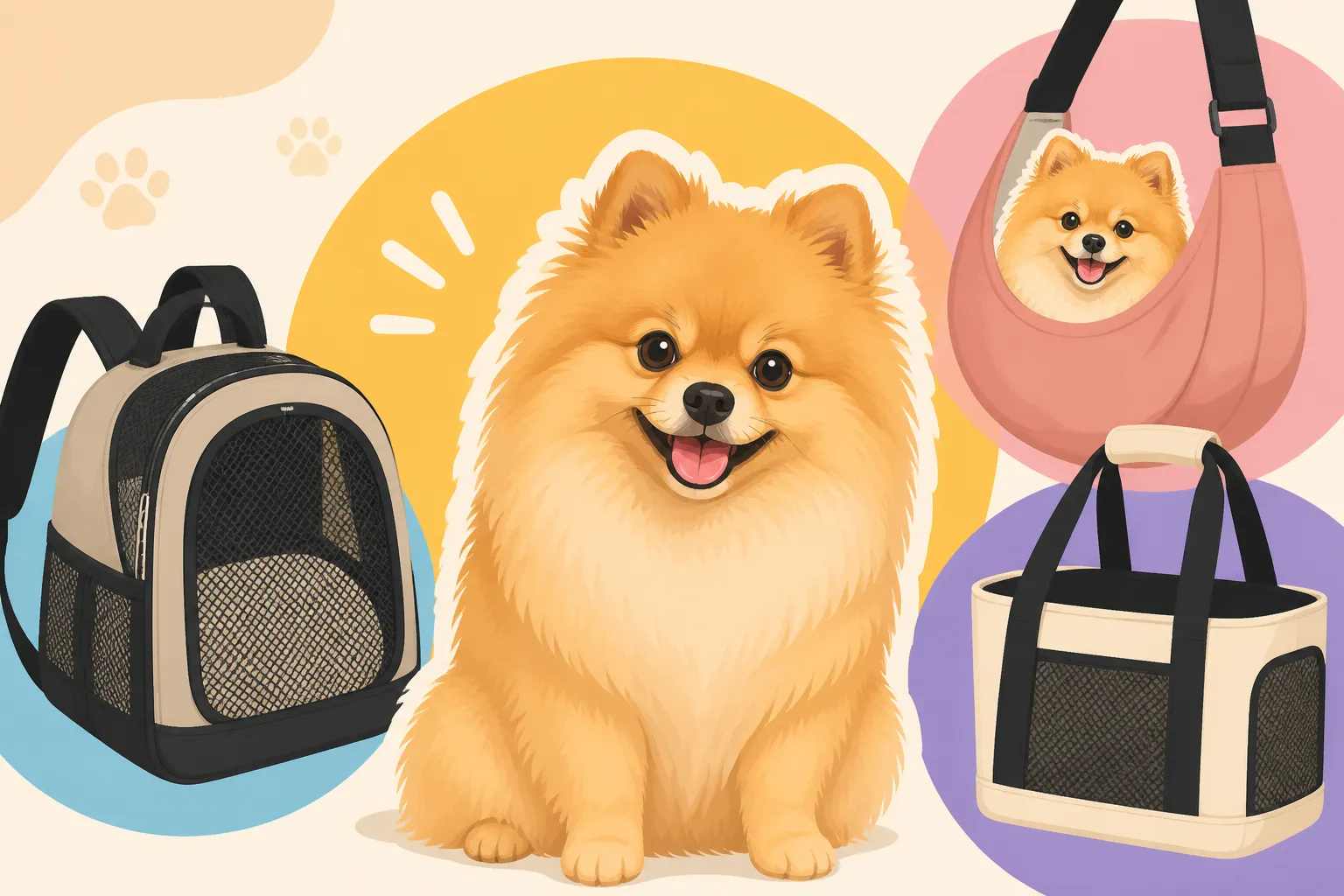
Soft-sided carriers are probably what most people first picture. These often resemble fashionable tote bags or small duffels, designed with mesh windows for ventilation and zippered openings. They are typically made from fabric, sometimes with a semi-rigid bottom insert to keep their shape. The main appeal of these carriers is their comfort and portability; they often have a plush interior, making them cozy for your Pom, and they can usually be folded down for easier storage when not in use. You'll find a wide variety of these available on sites like Chewy, offering different styles and features.
These are fantastic for everyday use, like quick trips to the grocery store, short visits to a friend's house, or a low-key outing where your Pom might need a break. They allow your Pomeranian to be close to you and often peeking out, which many Poms love. However, their softness means they offer less structural protection than hard-sided options, and they might not be suitable for situations where your dog needs robust confinement or protection from bumps. If your Pomeranian is prone to wiggling, ensure the zippers are secure and consider one with an internal tether.
Hard-Sided Carriers
For maximum protection and structured transport, hard-sided carriers are the go-to. These are typically made of durable plastic or wire mesh, providing a solid, enclosed space. While they aren't as "cozy" looking as soft-sided bags, their primary benefit lies in their robust construction, which offers superior impact protection. This makes them ideal for situations like car travel, where they can be secured with a seatbelt, or for longer trips to the vet where a more confined and protective space is beneficial.
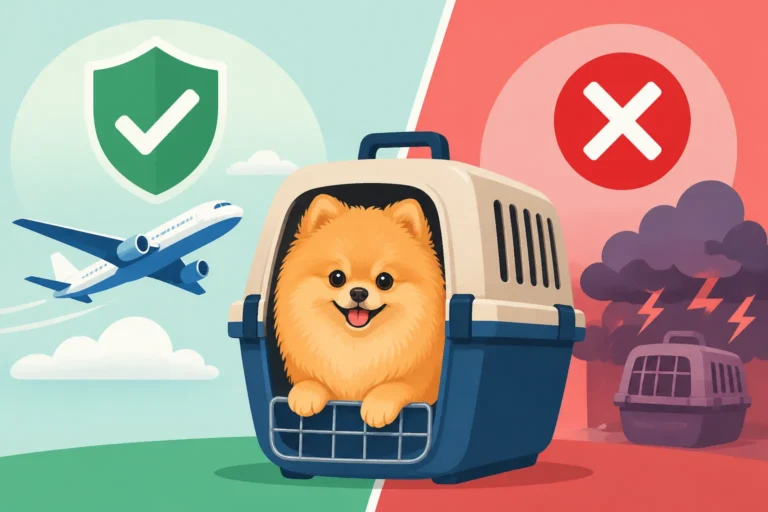
Many hard-sided carriers also meet airline requirements for in-cabin travel or cargo, which is a significant factor if you plan on flying with your Pomeranian. If you're considering air travel, it's absolutely crucial to check Airline Rules for Flying a Pomeranian in Cabin as dimensions and features vary. While they are bulkier and less fashionable, their reliability and safety features are paramount for certain types of travel. Your Pomeranian might not be able to snuggle against you in quite the same way, but they'll be secure and protected. For home use, a hard-sided carrier can double as a secure 'den' for your Pom, much like a Crates Sized for a Pomeranian.
Slings and Wraps
If you want to keep your Pomeranian as close as possible, slings and wraps are the answer. These are essentially fabric pouches or wraps that allow you to carry your dog on your chest or hip, leaving your hands free. They promote close bonding, as your Pom is literally snuggled against you, often feeling your heartbeat and body warmth. Many Poms absolutely adore this closeness, especially if they are a bit shy or appreciate being the center of your attention.
Slings are wonderful for quick errands, casual walks where your Pom needs frequent breaks, or for simply having your dog with you while you're busy around the house. They are lightweight and easy to throw on. However, they typically offer less structured support than a carrier, so you need to ensure your Pom is positioned safely and comfortably, with their back supported. They are not ideal for situations where your dog needs to be completely contained or protected from impacts. Also, be mindful of the temperature, as close contact can make both of you warmer.
Backpack Carriers
For active owners who want to bring their Pomeranian on longer adventures, backpack carriers offer a fantastic solution. These are designed to be worn on your back (or sometimes on your front, facing inward or outward), distributing your dog's weight more evenly across your shoulders and back. This makes them much more comfortable for extended periods of carrying than a single-shoulder sling or tote. Many backpack carriers come with features like chest and waist straps for added stability, plenty of ventilation, and sometimes even small pockets for essentials.
Backpack carriers are perfect for hiking, biking (carefully, of course!), or simply navigating busy areas where you need your hands completely free. Some Poms love the elevated view and the feeling of being part of the action, while others might prefer facing inward for more security. When choosing a backpack, ensure it's well-ventilated and has a sturdy bottom so your Pom isn't sagging. It's also vital to introduce your Pom to a backpack carrier gradually, as some dogs can find the sensation of being in a backpack unusual at first.
What to Look for in a Pomeranian Carrier or Sling
Choosing the right carrier or sling isn't just about aesthetics; it's fundamentally about ensuring your Pomeranian's safety, comfort, and well-being. With so many options out there, knowing what features truly matter will help you make an informed decision.
Size and Weight Capacity It's Crucial
This is arguably the most critical factor. While Pomeranians are small, a carrier should never be a tight squeeze. Your Pom needs enough space to stand up, turn around comfortably, and lie down in a natural position. Don't just go by "small dog carrier" labels; always check the actual dimensions and the weight capacity. A carrier that's too small will be uncomfortable, potentially causing anxiety and even physical strain. One that's too large, however, could allow your Pom to slide around, making them feel insecure and potentially risking injury.
Consider the dimensions of your specific Pomeranian. Are they at the upper end of The Three to Seven Pounds a Pomeranian Should Hold? Do they have a particularly fluffy coat that takes up extra room? Measure your Pom from nose to tail while standing, and from the top of their head to the ground. Then, compare these measurements to the carrier's interior dimensions, not just the exterior. Always err on the side of slightly larger if your Pom is borderline between sizes, to ensure they can stretch out.
Safety Features and Construction
A carrier is only as good as its safety features. First, look for a secure, internal leash tether or clip. This is absolutely non-negotiable. It prevents your Pomeranian from making an unexpected jump out of the carrier if a zipper is accidentally left open or they get spooked. This small clip should attach to their harness (never just their collar, as this could cause tracheal injury, something to be aware of when considering Harnesses Fitted for a Pomeranian's Windpipe).
Next, examine the construction. Are the zippers robust and self-locking, or do they feel flimsy? Good quality zippers are essential to prevent escape artists. Ventilation is also key: look for ample mesh windows or breathable fabric panels that allow for proper airflow, especially in warmer weather. A sturdy, non-collapsible frame or a firm base will prevent the carrier from collapsing on your dog, providing a consistent sense of security. Materials should be durable and ideally, easy to clean, resisting rips and tears from tiny claws. Brands like Chewy often provide detailed product descriptions that list these safety features, so take your time to review them.
Comfort for Both You and Your Pomeranian
A carrier should be comfortable for your Pom, but don't forget about your own comfort too! For your Pomeranian, look for soft, washable lining materials, especially on the bottom where they'll be resting. Some carriers offer removable, washable pads, which are a huge plus for hygiene. Adequate ventilation isn't just for safety; it's also crucial for their comfort, preventing overheating.
For you, consider the straps. Are they padded and adjustable? If it's a shoulder bag or sling, a wide, padded strap will distribute weight better, preventing shoulder strain. If it’s a backpack, look for adjustable shoulder straps, a chest strap, and even a waist belt for optimal weight distribution, especially if you plan on carrying your Pom for longer periods. A carrier that causes you discomfort will quickly gather dust in the closet, no matter how good it is for your Pom.
Airline and Travel Compliance
If you envision taking your Pomeranian on planes, then airline compliance becomes a non-negotiable factor. Airlines have very strict size requirements for in-cabin pet carriers, specifically mandating dimensions that allow the carrier to fit under the seat in front of you. These dimensions vary by airline, so you must check the specific airline's pet policy before purchasing a carrier.
Beyond dimensions, airlines often require specific features like leak-proof bottoms, adequate ventilation on multiple sides, and secure closures. While hard-sided carriers are often preferred for cargo (though many Pom owners would advise against cargo travel for such a tiny breed if possible), soft-sided carriers are generally used for in-cabin travel due to their flexibility. Always look for carriers explicitly marketed as "airline approved" and then double-check the dimensions against your chosen airline's current regulations. Trust me, you don't want to get to the airport only to be turned away because your carrier is half an inch too tall. Knowing the specific requirements is paramount to ensuring your Pom has a smooth journey, so always refer to information like Airline Rules for Flying a Pomeranian in Cabin well in advance.
| Carrier Type | Best Use | Pros | Cons | Key Features to Look For |
|---|---|---|---|---|
| Soft-Sided Bag | Daily errands, short trips, vet visits | Lightweight, comfortable, stylish, foldable | Less protection, can collapse, easily soiled | Secure zippers, mesh windows, internal tether, washable liner |
| Hard-Sided Box | Car travel, vet visits, airline cargo | Maximum protection, durable, easy to clean | Bulky, less "cozy", not hands-free | Sturdy construction, good ventilation, secure latch, airline-compliant (if needed) |
| Sling/Wrap | Quick outings, bonding, hands-free carrying | Hands-free, promotes closeness, lightweight | Less structured support, can be hot, minimal protection | Wide, padded strap, secure pouch, breathable fabric, machine washable |
| Backpack | Longer walks, hiking, active outings | Hands-free, even weight distribution, elevated view | Pom might dislike, can be hot | Padded straps, chest/waist clips, good ventilation, sturdy base, internal tether |
Introducing Your Pomeranian to Their New Carrier or Sling
It’s easy to get excited about a new carrier or sling, but for your Pomeranian, it’s a brand new, potentially strange object. Rushing the introduction can create negative associations, making your Pom fearful or resistant. A slow, positive approach is key to ensuring they view their new mode of transport as a safe and comfortable space, not a punishment.
Making it a Positive Experience
The first step is to associate the carrier or sling with all things good. Don’t just shove your Pom in and zip them up! Start by simply placing the carrier or sling on the floor, open and inviting, in an area your Pom frequently hangs out. Let them investigate it on their own terms. Sprinkle high-value treats inside, throw in a favorite toy, or even place a familiar blanket that smells like home in there. The goal is for your Pomeranian to discover that good things happen when they interact with the carrier.
You can also sit near the carrier and casually drop treats in or praise your Pom if they even glance at it or sniff it. Avoid forcing them inside. The more positive experiences your Pom has initially, the more likely they are to accept it as a part of their routine. This positive reinforcement sets the stage for future acceptance and makes it less of a battle down the line. Remember, positive association is often the most effective training tool, and it pays dividends in the long run.
Gradual Acclimation and Short Sessions
Once your Pomeranian is comfortable approaching and sniffing the carrier, and perhaps even stepping into it on their own, it’s time to start gradual acclimation. Begin with very short sessions. Encourage them to go inside, give them a treat, and immediately let them come back out. Repeat this a few times, always ending on a positive note.
As they become more comfortable, you can start closing the zipper for a few seconds while they are inside, giving treats through the mesh. Slowly increase the duration, maybe closing it for a minute, then two, then five. Don't be afraid to praise them lavishly and offer their absolute favorite treats – perhaps even a little bit of a fresh food brand like Ollie, if that's what they love. Once they're okay with the zipper closed, try lifting the carrier for a few seconds, then setting it down. Gradually introduce movement, carrying them around the house for short periods. This incremental exposure prevents overwhelming your Pom and builds their confidence over time. It's a similar approach to crate training a puppy, where short, positive interactions are key to making it a happy place, not a scary one.
Addressing Resistance and Anxiety
If your Pomeranian shows resistance – perhaps they refuse to go in, try to scratch their way out, or seem visibly anxious – don't push it. Forcing them will only create a stronger negative association. Take a step back to the previous successful stage. If they’re reluctant to even go near it, re-introduce treats around the carrier. If they tolerate being in it for a minute but not five, then stick to one-minute sessions for a few days.
Some Poms might be particularly sensitive or have had negative experiences with confinement in the past. For these dogs, patience is paramount. You might try feeding meals inside the carrier, which creates a powerful positive association. If they have separation anxiety, or are otherwise a bit nervous, ensuring they are calm and relaxed before carrier training is important. Playing soft music, using calming pheromones, or engaging in a brief play session might help them feel more at ease. Remember, the goal is for the carrier to be a place of comfort and security, not a source of fear. For Pomeranians who are particularly sensitive, understanding their emotional state is crucial. You might find more insights in articles like Signs a Pomeranian Has Separation Anxiety, which can offer strategies for calming an anxious Pom.
Best Practices for Using Carriers and Slings
Once your Pomeranian is happily accepting their carrier or sling, it’s important to use it responsibly. Just having the right equipment isn't enough; knowing how to use it correctly and being mindful of your Pom's needs while they're inside will ensure their continued safety and comfort.
Proper Fit and Positioning
Whether it’s a structured carrier or a soft sling, ensuring proper fit and positioning is paramount. In a carrier, your Pomeranian should have enough room to stand, turn around, and lie down comfortably, as we discussed earlier. The internal tether should always be clipped to their harness, allowing them freedom of movement within the carrier but preventing any accidental escapes. Ensure that mesh windows are unobstructed for optimal airflow.
With slings, proper positioning is even more critical. Your Pom should be sitting or lying in a natural, supported position, with their back and neck well-supported by the fabric. Their head should be able to pop out comfortably, allowing them to breathe freely and observe their surroundings without strain. Avoid situations where they are squished or their posture is awkward. The sling should fit snugly enough to prevent them from falling out, but not so tight that it constricts their breathing or movement. Always adjust straps to ensure the carrier or sling is balanced and secure, both for your Pom and for your own comfort, to prevent unnecessary strain on your back or shoulders.
Hydration and Potty Breaks
Even when nestled comfortably in their carrier or sling, your Pomeranian still has basic physiological needs that can't be ignored. Just because they're being carried doesn't mean they don't need hydration or potty breaks. On longer outings, always carry a small travel water bowl and a bottle of fresh water. Offer water frequently, especially in warmer weather, or if your Pom has been active before entering the carrier. How Little Water a Pomeranian Actually Drinks can sometimes be deceiving; they still need regular access.
Equally important are potty breaks. A small Pomeranian bladder can only hold out for so long. Plan your outings with regular stops for them to relieve themselves. This might mean pausing your shopping trip to find a grassy patch or stepping aside during a walk. Even if they don't ask, offer the opportunity. An accidental leak in their carrier isn't comfortable for them and means extra cleaning for you. Being proactive about their needs ensures they remain happy and healthy while enjoying their time out and about with you.
Situational Awareness and Environmental Safety
Using a carrier or sling provides a layer of safety, but it doesn't make your Pomeranian invincible. You still need to be acutely aware of your surroundings and the environment. Never leave your Pom unattended in a carrier, especially in a car on a warm day, as temperatures inside can skyrocket quickly, leading to heatstroke. Even on cooler days, a parked car can become dangerously hot. Understanding The Temperature That Is Too Hot for a Pomeranian is vital.
Be mindful of where you place the carrier. Avoid direct sunlight or cold drafts. If you're walking in a crowded area, be extra vigilant about people or other animals getting too close to the carrier, especially if it's a soft-sided one. While the carrier protects them, a sudden bump or jostle can still be startling. Always keep an eye on your Pomeranian's demeanor inside the carrier; are they panting excessively? Do they seem stressed? Are they trying to get out? These are cues that they might need a break, some water, or simply to be taken out for a stretch. Your vigilance is their ultimate protection. If you're carrying them high, also be mindful of them being at eye level with larger dogs, which could potentially cause issues.
Maintaining Your Pomeranian's Carrier or Sling
A well-maintained carrier or sling isn't just about appearances; it's about hygiene, durability, and ensuring a safe, pleasant experience for your Pomeranian every time. Regular care will extend the life of your gear and keep your furry friend happy to hop inside.
Regular Cleaning for Hygiene and Freshness
Let's face it, dogs can be messy. From paw prints to occasional accidents, and even just the natural oils from their coat, carriers and slings can get dirty quickly. Regular cleaning is essential to maintain a hygienic environment for your Pomeranian and to keep unpleasant odors at bay. Most soft-sided carriers and slings have removable liners or are entirely machine washable – always check the manufacturer's care instructions. For spot cleaning, a mild, pet-safe detergent and warm water usually do the trick.
For hard-sided carriers, a simple wipe-down with pet-safe cleaning wipes or a damp cloth and mild soap (like dish soap, rinsed thoroughly) is usually sufficient. Pay special attention to corners and crevices where dirt and hair can accumulate. If there's been an accident, it’s critical to clean and disinfect the area immediately to eliminate odors that might encourage future marking behavior. Websites like Chewy offer a range of pet-specific cleaning products that are effective and safe for use around your Pom. A fresh, clean carrier is much more inviting than a stale, smelly one, making your Pom more willing to use it.
Checking for Wear and Tear
Your Pomeranian's carrier or sling is a piece of safety equipment, and like all gear, it needs to be regularly inspected for wear and tear. Over time, straps can fray, zippers can lose their teeth, mesh panels can get small tears, and clasps can become less secure. Before each use, take a moment to visually inspect the entire carrier.
Check the integrity of all straps and handles – are they securely attached? Are there any signs of fraying or weakening that could lead to a sudden break? Test all zippers to ensure they glide smoothly and latch securely. Look for holes or tears in mesh panels, especially if your Pom is a determined chewer, as these could become escape routes. Examine internal tethers and clips for any damage that might compromise their ability to keep your Pom safely contained. A small tear might seem insignificant, but for a tiny Pomeranian, it could quickly become a larger problem or even a safety hazard. Proactive inspection can prevent unforeseen accidents and ensure the carrier remains reliable.
Storage Tips
Proper storage of your carrier or sling also contributes to its longevity and readiness for use. After cleaning and ensuring it's completely dry, store it in a clean, dry place away from direct sunlight or extreme temperatures. Sunlight can degrade fabrics and plastics over time, making them brittle or faded. Damp conditions can lead to mildew and unpleasant odors.
For soft-sided carriers, if they are designed to fold, take advantage of this feature to save space. Hard-sided carriers, while bulkier, can sometimes be stacked or stored in a garage or closet. Keeping the carrier easily accessible means you're more likely to use it and less likely to postpone an outing because you have to dig it out and clean it first. A readily available, well-maintained carrier ensures that you and your Pomeranian are always ready for your next adventure together.
Disclaimer
This article is for general informational purposes only and does not constitute professional advice. Laws, prices and regulations vary by location and change over time. Consult a qualified professional for guidance on your specific situation.