Whether Face Type Affects a Pomeranian’s Health
A Pomeranian’s short, round face may look adorable, but appearance alone can’t tell you whether a dog is healthy. The real concerns are the features behind the label: muzzle length, eye exposure, jaw alignment, and how comfortably the dog breathes and eats. This guide explains what to watch for, what face shape can and can’t predict, and when a vet check is sensible.
What Pomeranian face types really mean
Fox face, teddy bear, and baby doll are informal labels
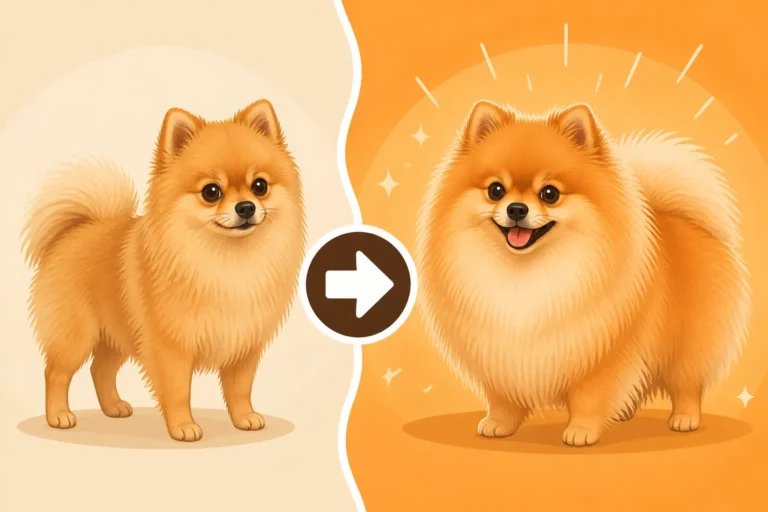
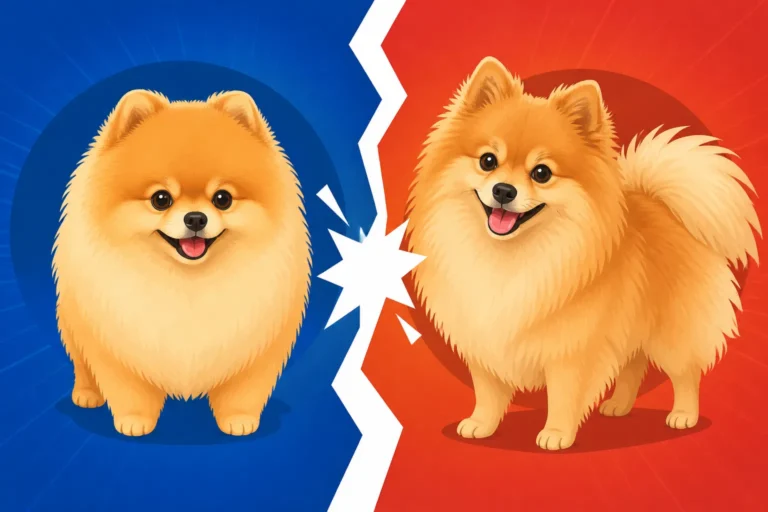
Pomeranians are commonly described as having a “fox face,” “teddy bear face,” or “baby doll face.” These terms refer to appearance, especially the perceived length of the muzzle, roundness of the head, and fullness of the cheeks. They are not medical diagnoses, and they don’t represent three officially recognized health categories.
The labels can be imprecise. Two breeders, groomers, or owners might use “teddy bear” for dogs with noticeably different head shapes. A fluffy coat can also make a muzzle look shorter or cheeks appear rounder than they are. Grooming and photographs affect the impression, too, so a cute face in a picture doesn’t tell you how the dog’s teeth fit or whether its eyes are comfortable.
For a closer look at how these terms are used, see Fox Face, Baby Doll and Teddy Bear Pomeranians and Whether Pomeranian Face Types Are Breeder Inventions. The main takeaway is simple: assess the individual dog’s features and function, rather than treating a marketing label as a health report.
A Pomeranian is not automatically a flat-faced dog
Pomeranians are not usually grouped with strongly short-faced breeds such as Pugs or Bulldogs. A round-looking Pomeranian may still have a muzzle that functions normally. A very short-looking profile can be worth a closer look, but you shouldn’t assume that every dog described as “baby doll” has breathing problems—or that a longer-faced dog is free of health issues.
A useful distinction is between appearance and function. Does the dog breathe comfortably while resting and during ordinary activity? Can it pick up and chew food? Are its eyes protected and comfortable? Those questions are more meaningful than the face-type name.
The breed standard describes a characteristic head and expression, but show language isn’t a guarantee of health. The Head and Expression a Pomeranian Judge Wants offers related context on the head’s appearance. Whether a dog is show quality, pet quality, or simply a beloved companion, its comfort and health matter more than fitting a fashionable face description.
How facial features may affect a Pomeranian’s health
Muzzle length and breathing comfort
A shortened muzzle can sometimes be associated with less room for normal airflow, but face shape alone doesn’t establish that a Pomeranian has an airway disorder. Breathing comfort depends on the dog’s overall anatomy and health, not just what the profile looks like. A small dog that pants heavily after mild activity, struggles to settle its breathing, or makes persistent noisy breathing sounds should be assessed by a veterinarian rather than diagnosed from a photo.
Pomeranians can also have airway problems that are not caused by a short muzzle. For example, tracheal collapse is a concern in the breed and can cause a characteristic cough. A cough, gagging sound, or noisy breath deserves attention because different conditions can sound similar. The Honking Cough of a Pomeranian's Collapsing Windpipe explains one issue owners may want to understand.
Try to notice patterns: whether unusual breathing happens at rest, during exercise, in warm weather, or when the dog is excited. A collar that presses on the throat may aggravate coughing in some dogs, so ask your veterinarian about equipment if your Pom has respiratory symptoms. A properly fitted harness may be a practical alternative; if you’re comparing sizes or styles through a retailer such as Chewy, check fit carefully and make sure it doesn’t rub under the legs or restrict movement.
Eye shape, exposure, and irritation
Round eyes are part of the Pomeranian’s appealing expression, but prominent eyes may be more exposed to irritation or injury. A dog’s risk depends on the actual position and protection of its eyes, as well as its environment and health. Rough play, brush tips, branches, and accidental bumps can all cause trouble for a small dog, regardless of whether someone calls its face “teddy bear.”
Watch for squinting, persistent tearing, redness, cloudiness, rubbing at the face, or a sudden change in how an eye looks. These signs can have different causes, and eye problems may become painful quickly. Avoid putting human eye drops or unprescribed products in your dog’s eyes. If debris or a minor tear stain is the concern, use only products intended for dogs and ask your veterinary clinic what is appropriate; a retailer such as Chewy may carry routine grooming supplies, but a product should not replace an exam when the eye itself looks abnormal.
For more detail on possible breed-related concerns, see The Eye Problems a Pomeranian Carries. Any sudden eye injury, pronounced pain, or rapid change in vision needs prompt veterinary attention.
Jaw shape, bite, and crowded teeth
A short-looking face can draw attention to the jaw, but the practical question is how the teeth meet and whether the dog can eat comfortably. Toy breeds can have crowded teeth because their mouths are small. Retained baby teeth and crowding can make brushing difficult and allow plaque to build up in hard-to-reach places. That risk isn’t limited to Pomeranians with round faces.
At home, watch for reluctance to chew, dropping food, pawing at the mouth, bad breath, red or bleeding gums, or a change in eating habits. Dogs often hide dental discomfort, so a normal appetite doesn’t rule out a sore tooth. A veterinarian can examine the bite and teeth directly; a photograph usually can’t show what is happening below the gumline.
The Mouth a Pomeranian Judge Looks Into covers the breed’s mouth and bite in more detail, while Dental Disease in a Mouth the Size of a Pomeranian's explains why small mouths can need attentive dental care. For everyday brushing, choose a small, dog-appropriate toothbrush and toothpaste; if shopping at Chewy or another pet retailer, check that the toothpaste is specifically made for dogs, not people.
| Feature to observe | What may be worth noticing | What to do |
|---|---|---|
| Muzzle and breathing | Persistent noisy breathing, unusual effort, or poor recovery after mild activity | Arrange a veterinary assessment, especially if signs are new or worsening |
| Eyes | Squinting, redness, cloudiness, ongoing tearing, or rubbing | Contact a veterinarian; don’t use unprescribed eye drops |
| Teeth and bite | Difficulty chewing, bad breath, bleeding gums, or food dropping | Ask for a mouth and dental examination |
| Everyday comfort | Avoiding play, eating differently, or seeming uncomfortable when handled around the face | Track when it happens and share the pattern with your vet |
How to assess a Pomeranian beyond its face label
Look for comfortable function, not a fashionable profile
If you’re choosing a puppy, observe how it behaves when it’s relaxed and active. A healthy-looking puppy should be able to breathe comfortably at rest, move freely, and eat without obvious difficulty. Don’t judge health by a single quiet moment: puppies may be tired, excited, or temporarily distracted. Ask the breeder what veterinary checks the puppy has received and whether there are known health concerns in its family.
When meeting the puppy, look at the whole dog rather than focusing only on the head. Notice its energy, movement, coat and skin, eyes, and response to food or play. A very tiny dog or an unusually exaggerated appearance should prompt thoughtful questions, but neither size nor face type alone proves that an individual has a medical problem.
A seller’s use of “rare,” “baby doll,” or “teddy bear” should not substitute for clear answers about health. Ask whether the puppy has been examined by a veterinarian and what records are available. If answers are vague, rushed, or focused mostly on how unusual the face looks, it’s reasonable to pause before making a decision.
Ask useful questions and be cautious with promises
A responsible breeder should be willing to discuss the puppy’s health and the health of its parents, including any relevant issues they know about. Ask what the puppy’s veterinary exam covered, whether a veterinarian has checked its eyes and bite, and what follow-up care is recommended. These questions are more helpful than asking whether the puppy is “a healthy teddy bear,” because the phrase has no standard medical meaning.
Be wary of guarantees that a particular face type is healthier, safer, or better than another. The reverse claim—that every short-muzzled Pomeranian is unhealthy—is also too broad. Health can’t be predicted from one visible feature alone, and an individual dog may have concerns unrelated to its facial shape.
For broader background on how the breed’s appearance is described, see The German Spitz Family a Pomeranian Belongs To. If you already own a Pom, a routine veterinary exam is a better way to assess its specific needs than trying to compare its face with online photos.
When to contact a veterinarian
Signs that call for an appointment
Arrange a veterinary check if your Pomeranian has persistent coughing, new or unusual breathing sounds, reduced interest in eating, chewing difficulty, ongoing eye discharge, frequent squinting, or repeated rubbing at the face. These signs can have several causes, so it’s helpful to note when they began, how often they happen, and whether anything seems to trigger them.
A short video can sometimes help a veterinarian understand an intermittent cough or breathing sound, provided you can record it without delaying care or stressing the dog. Keep notes on activity, meals, and any changes you’ve noticed. If you’re unsure whether a symptom is important, calling your veterinary clinic and describing it is a reasonable first step.
Get urgent help for severe or sudden symptoms
Seek urgent veterinary care for significant difficulty breathing, collapse, blue or very pale gums, a severe eye injury, or sudden inability to eat or drink. Don’t wait to see whether a face-type explanation fits. These signs need attention based on how the dog is doing, not on whether its muzzle looks short.
A Pomeranian’s face can be part of its charm, but it is not a reliable health score. Informal face labels don’t establish a diagnosis, and a longer-looking muzzle doesn’t guarantee good health. Pay attention to breathing, eyes, eating, and comfort, and involve a veterinarian when something changes or worries you.
Disclaimer
This article is for general informational purposes only and does not constitute professional advice. Laws, prices and regulations vary by location and change over time. Consult a qualified professional for guidance on your specific situation.