Treatments Tried on a Pomeranian With Alopecia X
It's heartbreaking, isn't it, to watch your fluffy, vibrant Pomeranian slowly lose their beautiful coat? One day it's a magnificent cloud of fur, and the next, you're noticing bald patches, maybe a dry, darkened skin underneath. This isn't just about aesthetics; it’s about a deeper worry for your cherished companion. When the vet mentions "Alopecia X," a myriad of questions and anxieties immediately surface: What exactly is it? And more importantly, what can we do about it? This comprehensive guide is here to walk you through the various treatments tried for Pomeranians grappling with Alopecia X, offering realistic insights into what might – or might not – work for your beloved little one.
Understanding Alopecia X and Its Impact on Your Pomeranian
Before we dive into the nitty-gritty of treatments, it’s crucial to truly grasp what Alopecia X is and how deeply it can affect both your Pomeranian and your peace of mind as an owner. It’s not just a fancy medical term; it’s a journey that many Pom parents find themselves on.
What is Alopecia X, Really?
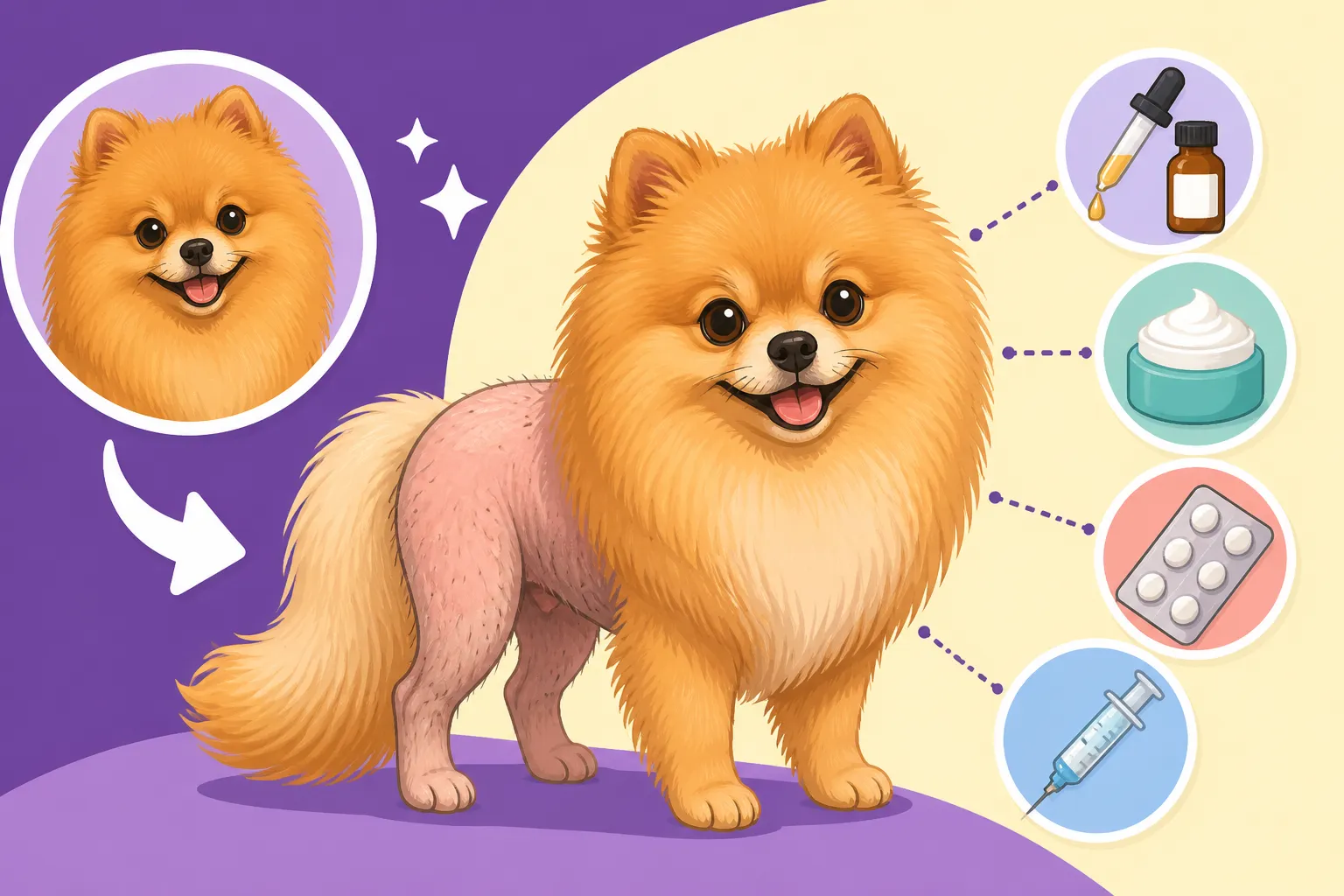
Alopecia X, often colloquially known as "Black Skin Disease," is a frustratingly complex condition that primarily affects Nordic breeds like Pomeranians. The "X" in its name signifies the unknown, reflecting that veterinarians don't fully understand its exact cause. It's essentially a cosmetic condition characterized by progressive hair loss, which typically begins symmetrically on the trunk, thighs, and neck, eventually leading to large areas of baldness. The skin in these affected areas often hyperpigments, turning a dark, sometimes almost black, color – hence the "Black Skin Disease" moniker that many Pomeranian owners call Alopecia X.
What's really important to understand is that, despite the alarming appearance, Alopecia X itself is not life-threatening. Your dog isn't in pain from the condition itself, though the exposed skin can become dry, flaky, or susceptible to secondary infections if not cared for. It’s a cosmetic anomaly in an otherwise healthy dog. However, the emotional toll on owners, seeing their once-magnificent fluff ball transform, can be immense. It's a common and valid frustration that often leads to a desperate search for answers and, more importantly, effective solutions.
The Emotional Toll on Owners and Poms
For us, as dedicated Pomeranian parents, seeing our dog's coat diminish can be profoundly upsetting. We love their fluffy charm, and when that iconic double coat starts to disappear, it's natural to feel a mix of sadness, concern, and even a touch of guilt, wondering if there was something we could have done differently. It's a visual reminder that something isn't quite right, and the uncertainty surrounding its cause and treatment only adds to the stress.
Beyond our emotional response, while Alopecia X itself doesn't cause pain, the exposed skin of a bald Pomeranian needs extra care. It can become dry, chapped, and prone to sunburn in warmer months, or susceptible to cold in winter. Some dogs may experience mild itchiness or develop secondary bacterial or yeast infections if the skin barrier is compromised. It’s vital to acknowledge these practical aspects because even if the core condition is cosmetic, its secondary effects can certainly impact your Pomeranian's comfort and require attention. It's also worth noting that often, the initial presentation can be mistaken for other, more serious conditions like hypothyroidism or Cushing's disease, necessitating extensive diagnostic workups, which can be both expensive and emotionally draining. Knowing the difference between them is really important. Telling Alopecia X From Cushing's in a Pomeranian
Hormonal Treatments: A Common Starting Point
Given the mysterious nature of Alopecia X, many initial treatment approaches often involve trying to regulate the Pomeranian's hormonal balance. It’s a bit of a shot in the dark sometimes, but these methods have shown success in some cases, offering a glimmer of hope to worried owners.
The Role of Spaying and Neutering
One of the first and most widely discussed "treatments" for Alopecia X, particularly in intact dogs, is spaying or neutering. The theory here is that Alopecia X might be linked to an imbalance in sex hormones, and removing the primary source of these hormones could potentially reset the system, allowing the coat to regrow. Many anecdotal reports and some veterinary observations suggest that a significant number of intact Pomeranians diagnosed with Alopecia X do experience at least partial, if not full, coat regrowth after being spayed or neutered.
However, it's not a guaranteed solution, and its efficacy can be quite unpredictable. For some dogs, the coat comes back beautifully; for others, there's little to no change, or the regrowth is temporary. It’s a decision that needs careful consideration, especially if your Pomeranian is older or already has other health concerns. Discussing this option thoroughly with your vet is paramount, weighing the potential benefits against the irreversible nature of the procedure and any associated risks. Remember, not every case of coat loss in an intact dog is true Alopecia X; sometimes, it's a specific condition known as "castration-responsive dermatosis," which reliably resolves after neutering. It's important to understand this distinction. Whether Neutering Triggers Coat Loss in a Pomeranian
Melatonin Supplementation
Melatonin, a hormone known for regulating sleep cycles, is another popular and often first-line treatment for Alopecia X. The thought is that melatonin might help normalize the hair follicle cycle, encouraging new hair growth. It’s widely available as an over-the-counter supplement, making it an accessible option for many owners. Typically, vets will recommend a specific dosage based on your Pomeranian's weight, and it's usually given orally.
Owners often report seeing some improvement, whether it's partial regrowth, softening of the skin, or a reduction in the "black skin" hyperpigmentation, after several weeks or months of consistent melatonin administration. It's generally considered safe with minimal side effects, though some dogs might experience mild drowsiness. The biggest drawback, similar to spaying/neutering, is that results are not universal, and for many Poms, it offers no benefit at all. It might be something you try for a period, and if no changes are observed, your vet might suggest discontinuing it. Many owners have tried melatonin, hoping for that fluffy return. Whether Melatonin Regrows a Pomeranian's Coat
Other Hormone-Based Therapies
Beyond spaying/neutering and melatonin, there are other, often more advanced, hormone-based therapies that a veterinarian might consider, particularly if initial treatments haven't yielded results or if there are suspected underlying hormonal imbalances. These include medications like trilostane (commonly used to treat Cushing's disease, but sometimes tried off-label for Alopecia X), growth hormone, or even deslorelin implants. Trilostane, for instance, works by inhibiting cortisol production and has shown some success in certain Alopecia X cases, especially those where adrenal hyperplasia might be a factor.
However, these treatments are not without their complexities and potential risks. They often require stringent monitoring, including regular blood tests, to ensure proper dosage and to check for adverse effects. For example, trilostane can have serious side effects if not managed correctly, and growth hormone therapy can be quite expensive and challenging to administer. These are typically reserved for cases where other, less invasive methods have failed, and they always necessitate close collaboration with a veterinary dermatologist who has experience with these more specialized protocols.
Topical and Supportive Therapies
While hormonal interventions aim to address potential internal triggers, topical and supportive therapies focus on maintaining the health of your Pomeranian's skin and encouraging hair growth from the outside in. These are often used in conjunction with systemic treatments, creating a multi-faceted approach to managing Alopecia X.
Skin Care Regimens
When your Pomeranian loses its dense double coat, the underlying skin becomes exposed and vulnerable. A crucial part of managing Alopecia X is establishing a consistent and appropriate skin care regimen. This often involves using specialized shampoos and conditioners. Your vet might recommend a degreasing shampoo if the skin is oily, or a medicated shampoo if secondary bacterial or yeast infections are present. For dry, flaky skin, moisturizing shampoos and leave-in conditioners are invaluable to soothe irritation and maintain skin hydration.
Beyond washing, regular moisturizing sprays can help keep the exposed skin supple and prevent chapping. Furthermore, if your Pomeranian spends time outdoors, protecting their bald patches from the sun is absolutely essential. Just like human skin, a Pomeranian's exposed skin can get sunburned, which can be painful and increase the risk of skin cancer. Applying a pet-safe sunscreen or dressing them in a lightweight, breathable garment can offer much-needed protection. This comprehensive skin care not only promotes comfort but also creates a healthier environment for potential hair regrowth. Remember, a bald Pom is sensitive to the elements. Protecting a Bald Pomeranian's Skin From Sun
Nutritional Supplements
Just like humans, a well-balanced diet and appropriate supplements can play a significant role in supporting skin and coat health in Pomeranians, especially those dealing with Alopecia X. While no supplement is a magic bullet to cure the condition, many owners and vets turn to specific nutritional aids to provide the best possible conditions for hair growth and skin integrity.
Omega-3 fatty acids, often derived from fish oil, are widely recommended for their anti-inflammatory properties, which can help soothe dry, irritated skin and improve overall coat quality. Biotin, a B vitamin, is another popular choice, known for its role in hair and nail health. Some formulations also include zinc, vitamins A and E, and other antioxidants. While these supplements might not directly reverse the hair loss of Alopecia X, they certainly contribute to the overall health of the skin and hair follicles, making it more conducive for any potential regrowth. It’s always best to discuss specific supplements and dosages with your vet to ensure they are appropriate and won't interact with any other medications your Pom might be taking. These supplements can definitely help support your Pomeranian's skin. Supplements That Support a Pomeranian's Skin
Alternative Approaches and Emerging Treatments
As research continues and dedicated owners explore every avenue, several alternative and emerging treatments for Alopecia X have gained attention. While some are still considered experimental, they offer hope and additional options for those seeking solutions beyond the more conventional methods.
Micro-Needling and Skin Stimulation
Micro-needling, a technique that has gained popularity in human dermatology, is an emerging treatment for Alopecia X in Pomeranians. The concept involves using a specialized device with tiny needles to create microscopic punctures in the skin. The theory is that this controlled injury stimulates blood flow, collagen production, and the release of growth factors in the skin, which can, in turn, awaken dormant hair follicles and encourage new hair growth. Some veterinary dermatologists and even specialized groomers offer this service, often in conjunction with topical treatments.
While micro-needling is generally considered safe when performed by a professional, it can cause temporary redness and mild irritation. Success stories are largely anecdotal at this point, with some owners reporting remarkable regrowth, while others see minimal change. It's a testament to the frustrating individuality of Alopecia X that what works for one Pom might not work for another. This treatment is often part of a broader protocol and not a standalone solution, and it's essential to ensure that any practitioner performing it is experienced and understands canine skin anatomy.
Castration-Responsive Dermatosis
It's important to distinguish between general Alopecia X and a specific subset known as castration-responsive dermatosis. This condition presents very similarly to Alopecia X, with symmetrical hair loss and hyperpigmentation, but it has a clear and predictable response to spaying or neutering. In these cases, the hair loss is directly linked to the presence of intact gonads (testes or ovaries), and removing them almost always results in significant, often complete, hair regrowth.
The challenge lies in diagnosing it correctly. There's no specific test that definitively differentiates castration-responsive dermatosis from other forms of Alopecia X before the procedure. Therefore, neutering or spaying is often suggested as a diagnostic and therapeutic trial for intact dogs with Alopecia X-like symptoms. If regrowth occurs, it's retrospectively identified as castration-responsive. Understanding this distinction is vital because if your dog falls into this category, a relatively straightforward surgical procedure could be the definitive answer.
Exploring Immunomodulators and Other Drugs
For the most stubborn or complex cases of Alopecia X, veterinarians might explore immunomodulators or other experimental drug therapies. These are typically last-resort options, often used when all other more common treatments have failed, and they come with a higher degree of risk and potential side effects. Drugs like finasteride, which affects hormone metabolism, or even certain immunosuppressants have been anecdotally tried, but with varying and often limited success.
These advanced treatments require a deep understanding of pharmacology and immunology, and they should only be administered under the strict guidance of a veterinary specialist, preferably a board-certified dermatologist. The monitoring involved can be intensive, and owners must be fully aware of the potential benefits and significant risks involved. It's a challenging decision to embark on such treatments, often driven by the profound desire to help a beloved pet, but always balanced with the Pom's overall health and quality of life.
Managing Expectations and Living with Alopecia X
Embarking on the journey of treating Alopecia X can be emotionally taxing, filled with hope, frustration, and sometimes, disappointment. It's crucial to manage expectations realistically and remember that your Pomeranian's well-being extends far beyond their coat.
The Reality of Treatment Success
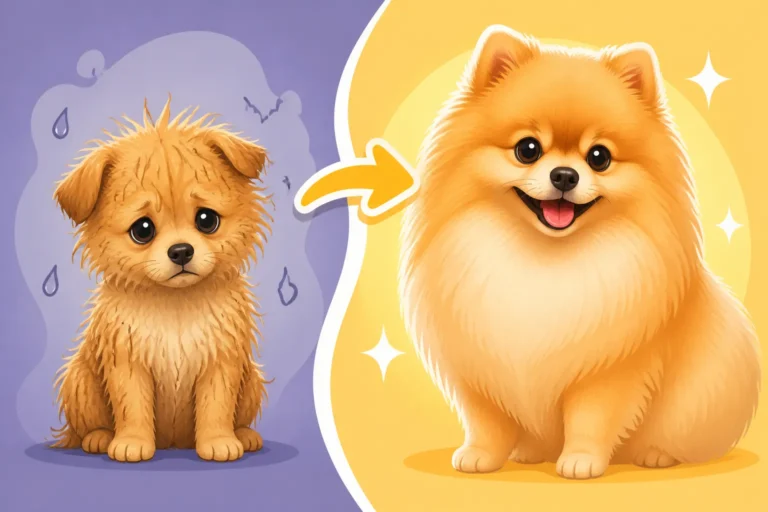
The hardest truth about Alopecia X is its unpredictable nature. There is no one-size-fits-all cure, and what works wonders for one Pomeranian might have absolutely no effect on another. Some dogs experience full and lush coat regrowth, becoming once again the fluffy Poms we adore. Others might see partial regrowth, perhaps a softer, thinner coat, or just a reduction in the "black skin." And for a significant number of Pomeranians, despite every effort, treatments might yield no discernible change at all.
This variability can be incredibly disheartening, especially after investing time, effort, and financial resources into various therapies. It’s important to communicate openly with your veterinarian throughout this process, discussing realistic expectations and when it might be time to accept that treatment isn't going to fully restore their coat. Remember that even without a perfect coat, your Pomeranian is still the same loving companion. For many, accepting Whether a Pomeranian's Coat Grows Back After Alopecia X is a tough but necessary step.
Prioritizing Your Pomeranian's Comfort and Well-being
Ultimately, your Pomeranian’s health, happiness, and comfort should always be the top priority, regardless of their coat status. While Alopecia X is a cosmetic condition, the absence of a protective coat means their skin needs extra attention. This includes keeping them warm in colder weather with sweaters or coats and protecting their exposed skin from sunburn in the summer months. Regular bathing with moisturizing shampoos and applying gentle, pet-safe lotions can help prevent dryness and itchiness.
A Pomeranian with Alopecia X is still a wonderful, vibrant dog. Focus on their quality of life: ensure they're eating well, getting appropriate exercise, receiving regular vet check-ups, and most importantly, receiving plenty of love and affection. A bald Pom is not a broken Pom; they are just a little different, and their immense capacity for joy and companionship remains unchanged. It's important to remember that Alopecia X doesn't hurt a Pomeranian; the secondary effects on their skin might, but the condition itself is painless. Whether Alopecia X Hurts a Pomeranian
Financial Considerations and Insurance Support
The investigative journey and ongoing management of Alopecia X can accumulate significant costs, from initial diagnostic tests to vet consultations, medications, supplements, and specialized skin care products. These expenses can quickly add up, creating additional stress for owners already dealing with the emotional aspects of the condition. It’s important to have a frank discussion with your vet about the potential costs associated with different treatment plans and to budget accordingly.
This is where pet insurance can truly be a lifesaver. Companies like Healthy Paws offer comprehensive plans that, if obtained before the diagnosis of Alopecia X, can help cover a substantial portion of veterinary bills related to diagnostics and treatment for chronic conditions. Having a good insurance policy in place can ease the financial burden, allowing you to focus on choosing the best course of action for your Pomeranian without the added stress of overwhelming costs. Always review policy details carefully to understand what is covered, especially concerning chronic or hereditary conditions. Knowing Whether Insurance Covers a Pomeranian's Alopecia X is a key question for many owners.
| Treatment Type | Mechanism | Potential Benefits | Considerations |
|---|---|---|---|
| Spaying/Neutering | Alters sex hormone levels | Can lead to full coat regrowth in some cases | Irreversible; not effective for all dogs; surgical risks |
| Melatonin | May regulate hair follicle cycle | Safe, often available OTC; some regrowth in Poms | Not guaranteed; results vary; takes weeks/months to see effect |
| Trilostane | Modulates adrenal hormones | Can induce regrowth if adrenal link exists | Requires close veterinary monitoring; potential side effects |
| Growth Hormone | Direct hormone supplementation | May stimulate hair follicles | Expensive; complex administration; side effects possible |
| Topical Shampoos/Sprays | Cleanses, moisturizes, protects skin | Improves skin health; reduces irritation; prevents sunburn | Ongoing daily/weekly regimen; does not cure underlying condition |
| Nutritional Supplements | Provides skin/coat supporting nutrients | Supports overall skin health; may enhance regrowth | Adjunctive therapy; not a standalone cure; results vary |
| Micro-Needling | Stimulates skin with tiny punctures | May awaken dormant follicles; promotes blood flow | Experimental; requires professional; results vary; temporary redness |
Disclaimer
The information provided in this article is for educational and informational purposes only and does not constitute veterinary advice. Always consult with a qualified veterinarian or veterinary dermatologist regarding any medical concerns or treatment options for your Pomeranian's Alopecia X. The effectiveness of treatments can vary significantly between individual dogs.