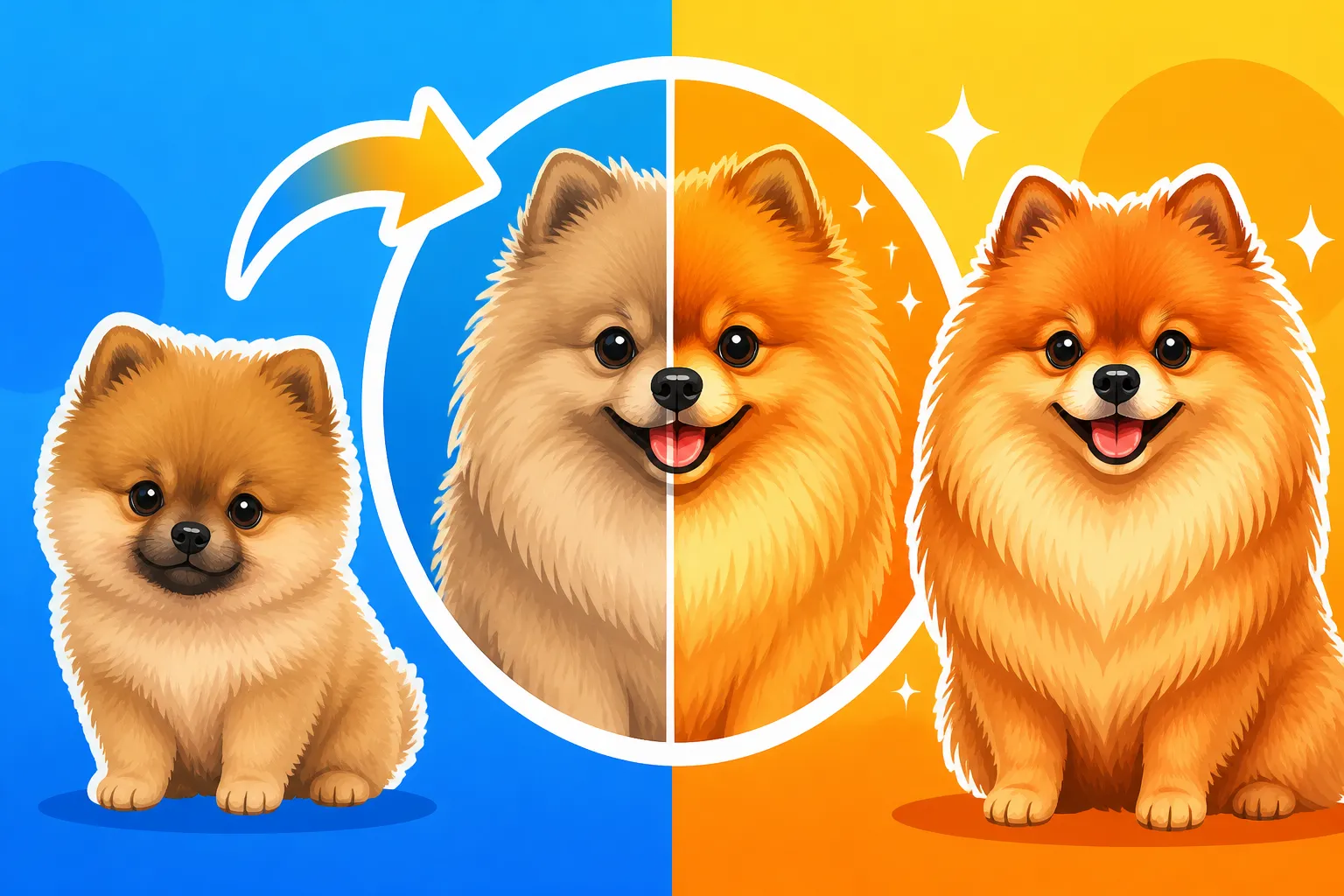
Whether a Pomeranian’s Color Changes as It Grows
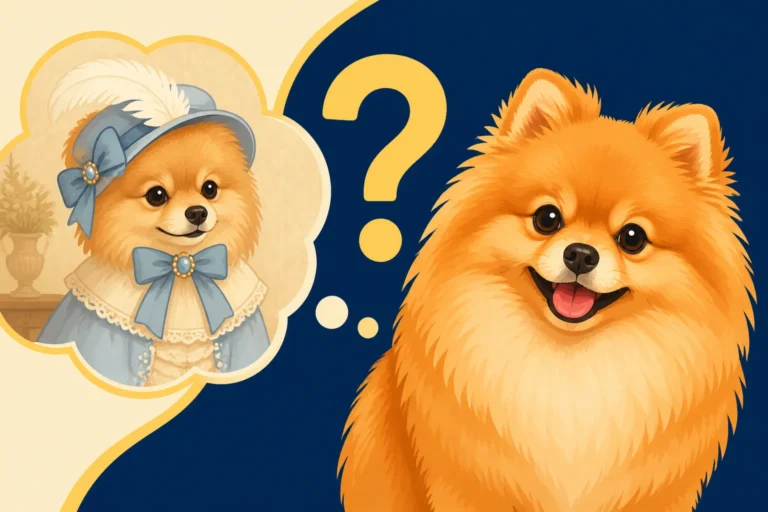
A Pomeranian puppy can look cream one month, orange the next, then develop darker shading as its adult coat comes in. That change can be surprising, especially when you expected the color you saw in the first photo to stay put. Here’s how Pomeranian coat colors commonly shift with age, what’s usually normal, and which changes deserve a closer look.
Why a Pomeranian’s coat color can change
Puppy coat and adult coat are not the same
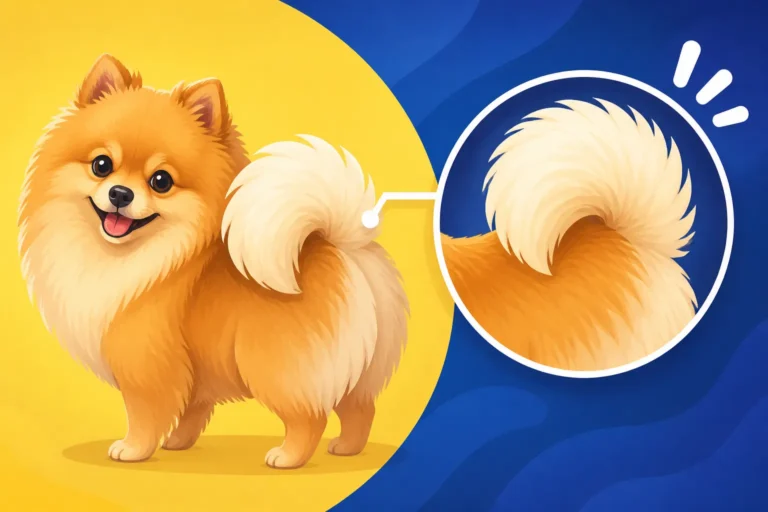
A Pomeranian’s first coat is often softer and shorter than the adult double coat. As the puppy grows, this early coat sheds and is replaced by longer guard hairs and a denser undercoat. Because the new hairs may have different pigment and banding, the dog can look noticeably different even when the underlying color genetics have not changed.
The shift is often most obvious during the puppy coat transition, sometimes called the puppy uglies. A fluffy puppy may temporarily look sparse, uneven, or patchy while the adult coat develops. Color can seem to change at the same time: lighter areas may become more visible, darker tips may appear, or the overall coat may look less uniform. This period can be confusing, but a change in appearance alone does not mean anything is wrong. For more on the coat transition itself, see The Puppy Uglies a Pomeranian Goes Through.
There is no single age when every Pomeranian’s adult color becomes clear. Coat development varies with the individual, and some dogs keep changing in appearance as their coat matures. A puppy’s color is a useful clue, not a guarantee of its finished adult shade. The Age a Pomeranian's Coat Fully Comes In explains why the timing can vary.
Genetics influence the shade and pattern
A Pomeranian’s coat color is influenced by inherited genes from both parents. Those genes affect pigment, the distribution of color across the body, and whether individual hairs have different bands of color. That is why two puppies from the same litter can mature into noticeably different-looking adults.
Some puppies are born with a shade that stays broadly similar but becomes richer or more defined. Others change more dramatically as their adult coat replaces the puppy coat. A sable puppy, for example, may have dark tips over a lighter base, and the balance between those colors can look different as the hairs lengthen. You can read more about that particular pattern in How a Sable Pomeranian's Coat Changes With Age.
Color labels can also be imprecise. Words such as orange, cream, sable, chocolate, and blue describe broad categories, but two dogs described by the same label may have different shades or markings. A breeder’s description or a puppy’s early photographs may not predict exactly how the mature coat will look.
Common Pomeranian color changes by coat type
Sable, orange, and cream coats
Sable Pomeranians often show dark-tipped hairs over a lighter background. As the coat grows, the dark shading may become more or less noticeable depending on where the colored hairs occur and how the coat lies. The dog may appear darker along the back or around the face while the chest and underside remain lighter. The pattern can be subtle in a puppy and more distinct later, or it can soften as the coat matures.
Orange coats can also change in intensity. A puppy that looks pale or creamy may develop a stronger orange shade, while another may lighten or show darker overlay. Orange is a familiar Pomeranian color, but it is not one fixed shade. The Orange Pomeranian and Why It Dominates covers the range of appearances commonly grouped under orange.
Cream coats may appear warmer or cooler as the hair changes, and lighting can make a difference. A coat photographed in bright sun can look lighter than it does indoors. If you’re comparing pictures, try to use similar lighting and take photos from the same angle; otherwise, a harmless shift in light may look like a change in the dog’s actual pigment.
Black, blue, chocolate, and dilute colors
Black, blue, and chocolate coats can be difficult to judge from puppy pictures. A puppy’s coat may have lighter areas or subtle shading that becomes more apparent as the adult hairs grow in. Changes in lighting, coat length, and grooming can all affect how dark or glossy the dog appears. The names refer to different color categories, not a promise that every hair will remain one identical shade. Black, Blue and Chocolate Pomeranians offers more detail on these color groups.
Some dilute-colored Pomeranians may have coat or skin concerns that are separate from normal puppy color development. A changing shade by itself does not establish a health problem, and a color label cannot diagnose one. However, if hair is breaking or falling out, the skin is irritated, or bald areas are developing, ask a veterinarian rather than assuming the dog is simply changing color. For background on a specific concern, see Whether Dilute Coated Pomeranians Lose Hair.
It helps to distinguish a color shift from coat loss. Color change usually means the hair is still present but looks different as it grows, sheds, or catches the light. Coat loss means the coat is becoming thinner or disappearing in patches. These can happen at the same time, but they are not the same thing—and coat loss should not be dismissed as a routine color transition.
| What you notice | A common explanation | What to do |
|---|---|---|
| Puppy’s shade looks different as the coat lengthens | Adult hairs may have different pigment or shading | Take photos over time and note the dog’s age |
| Coat looks lighter or darker in different rooms | Lighting and coat direction affect appearance | Compare photos taken in similar light |
| Sable markings become more noticeable | Dark-tipped hairs may show more clearly as the coat develops | Observe the pattern as the coat matures |
| Hair is missing or the skin looks irritated | This is more than a simple shade change | Contact your veterinarian for an assessment |
| Coat becomes thin after clipping or shaving | Coat regrowth can be unpredictable in double-coated dogs | Ask your veterinarian and groomer before clipping |
How to tell a normal color shift from a health concern
Look at the hair and skin, not only the shade
A gradual change in color with a healthy-looking coat is usually less concerning than sudden thinning, bald patches, broken hairs, redness, scabs, or persistent itching. Check whether the hair is still covering the area and whether the skin underneath looks comfortable. You do not need to diagnose the cause yourself; the point is to notice whether the change involves pigment alone or the condition of the coat and skin as well.
Keep an eye on the pattern. A broad, gradual shift across the body as the puppy coat changes is different from a new bald patch that appears in one spot. If you notice hair loss, take clear photographs and write down when it started, whether it is spreading, and whether your dog seems itchy or uncomfortable. Those details can make a veterinary visit more useful.
Do not wait for a coat change to become dramatic if your dog is also unwell. Skin sores, significant itching, discomfort, or a sudden change in behavior call for veterinary advice. Coat color alone rarely tells you what is happening inside the body, so a vet may need to assess the dog’s skin, coat, and overall health.
Be careful with clipping and coat expectations
A Pomeranian’s double coat can take a long time to grow, and regrowth after shaving or close clipping may be uneven or incomplete. That can make the coat look like it has changed color when the real difference is its length, texture, or density. Before agreeing to a close clip for cosmetic reasons, discuss the coat’s needs with a groomer familiar with Pomeranians and ask your veterinarian if there is a medical reason for it. Why a Shaved Pomeranian May Not Regrow explains why shaving deserves careful thought.
Regular, gentle grooming helps you see what is happening beneath the fluff. A comb and suitable brush can help separate the coat so you can check for tangles, skin irritation, and thinning. If you’re shopping for basic grooming tools, retailers such as Chewy may be one place to compare options; choose tools appropriate for a small double-coated dog rather than relying on a product’s label alone.
Avoid using color-enhancing shampoos, dyes, or strong products to try to make a coat look more like it did in a puppy photo. These can irritate skin, and they cannot change the dog’s inherited coat color. If you use a grooming product from Chewy or another retailer, read the label and ask your vet or groomer if your dog has sensitive skin or an existing skin problem.
What owners can do as the coat matures
Track changes without trying to predict an exact final shade
Take a photo every few weeks during the coat transition, using similar lighting and the same general angle. Include a side view and, if practical, a view of the back and face. This gives you a more reliable record than memory, especially when the changes happen gradually. It also makes it easier to show your veterinarian if you later notice thinning or skin changes.
Write down the puppy’s age and any relevant changes, such as shedding, a recent groom, or a new skin product. You do not need an elaborate coat journal. A few photos and brief notes can help separate normal maturation from a sudden change. If the puppy’s coat looks uneven during a transition, remember that the finished adult appearance may not be obvious yet.
If you are choosing a puppy and color matters to you, ask the breeder what they have observed in related adult dogs. Photos of parents and older relatives may offer clues, but they cannot guarantee an exact adult shade. A responsible conversation should set realistic expectations rather than promise that a puppy will keep precisely the color shown in a listing photo. Every Color a Pomeranian Comes In can help explain the variety behind common color descriptions.
Keep grooming and health checks practical
Brush gently and regularly enough to prevent tangles, paying attention to areas where friction can form mats, such as behind the ears and around the harness. Check the skin when you part the coat, but do not repeatedly tug at loose hair or try to remove mats by cutting close to the skin. If your dog resists grooming or has painful tangles, ask a professional groomer for help.
For routine grooming supplies, Chewy may offer a convenient place to compare combs, brushes, and coat-care products, alongside local pet shops and groomers. The most important choice is the tool that suits your dog’s coat and that you can use comfortably and gently. A retailer’s product description is not a substitute for advice from a veterinarian when the coat or skin looks unhealthy.
Most Pomeranians do not keep exactly the same appearance from puppyhood through adulthood. A coat can shift in shade, pattern, length, and texture as it matures, and the change may be subtle or striking. Keep track of the overall condition of the hair and skin, not just the color name. For a healthy coat with no unusual thinning or irritation, patience and consistent grooming are usually more useful than trying to make the adult dog match an early photograph.
Disclaimer
This article is for general informational purposes only and does not constitute professional advice. Laws, prices and regulations vary by location and change over time. Consult a qualified professional for guidance on your specific situation.