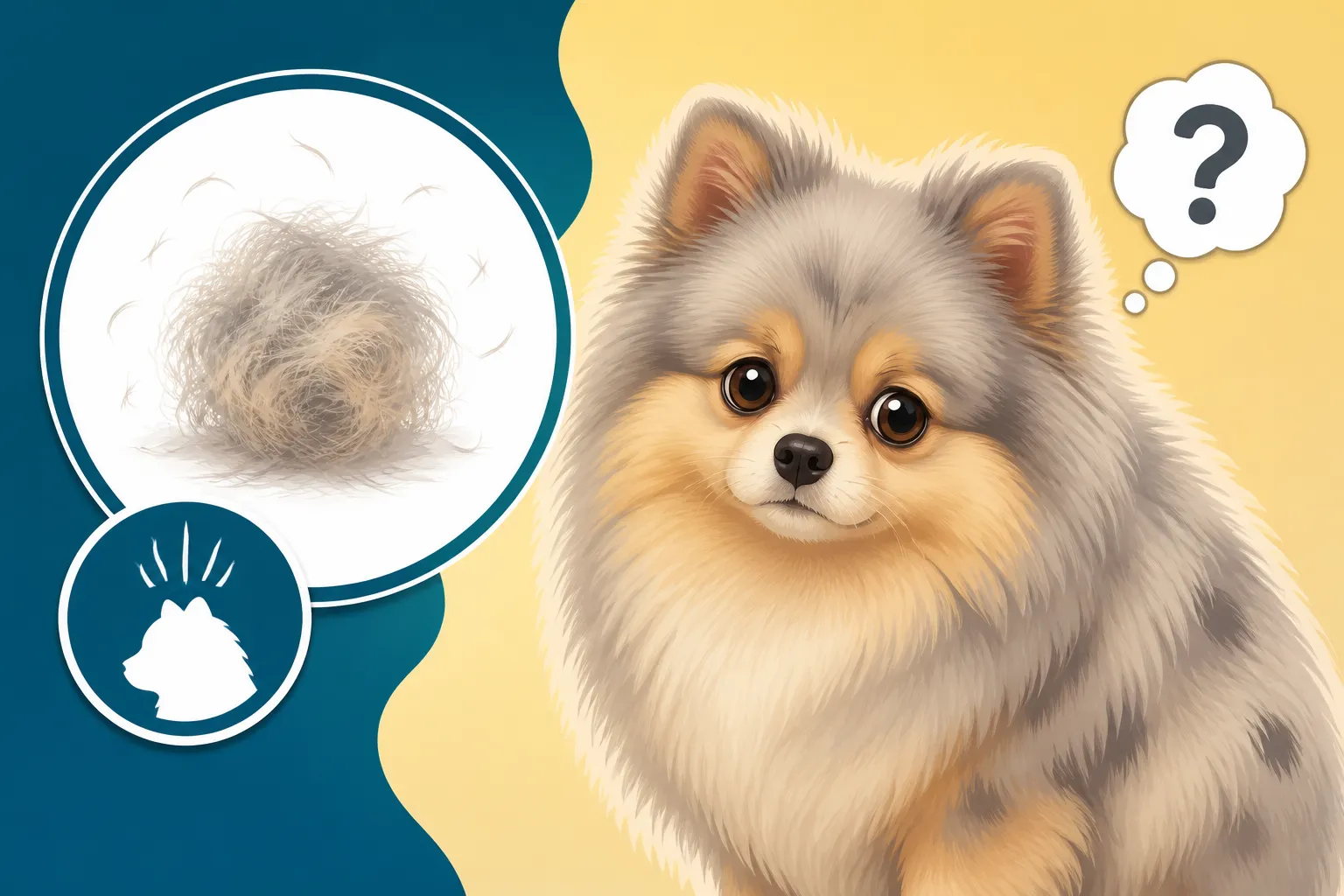
Whether Dilute Coated Pomeranians Lose Hair
It’s a common and completely understandable worry for Pomeranian owners, especially when you start exploring the unique and sometimes stunning dilute coat colors. Many people fall in love with a beautiful blue or lavender Pom, but then a little voice in the back of their head whispers about potential health issues, particularly coat loss. You’re right to be curious and even a little cautious; this guide is here to shed some light on whether dilute-coated Pomeranians are inherently more prone to losing their gorgeous hair, and what you can do to keep their fluffy coats healthy.
Understanding Dilute Coats in Pomeranians
First, let's clear up what we mean by a "dilute" coat. When we talk about dilute colors in Pomeranians, we're referring to coats where the standard black or brown pigment has been "diluted" or lightened by a specific gene. This isn't just about a lighter shade of orange; it's a genetic phenomenon that changes the base color. For example, black becomes blue, and chocolate brown becomes beaver or lavender. These colors can be incredibly striking and have a unique beauty, but they also carry a specific genetic consideration.
The Genetics Behind Dilute Colors
The magic, or sometimes the worry, behind these dilute colors lies in the D-locus gene. This gene is responsible for controlling the intensity of black and red pigments. When a Pomeranian inherits two copies of the recessive 'd' gene (dd), it effectively "dilutes" any black or brown pigment present in their coat. So, a dog that would normally be black becomes blue, and a dog that would normally be chocolate becomes a lighter, grayish-brown known as beaver. Lavender is essentially a very light, pinkish-gray beaver. These are distinct genetic expressions, not just different shades that occur randomly. It's truly fascinating how a tiny genetic switch can change a dog's entire appearance!
Common Dilute Pomeranian Colors
While orange and sable are probably the most common colors you see in the park, dilute colors are gaining popularity, though they remain rarer. Here are some of the dilute shades you might encounter:
- Blue: This is a diluted black. Instead of deep, glossy black, the dog's coat will appear a steel gray or slate blue. Their nose leather and paw pads will also be blue, rather than black.
- Beaver: This is a diluted chocolate. The rich brown color becomes a lighter, almost grayish-brown, often described as a mushroom or taupe color. Their nose and paw pads will also be a self-colored beaver shade.
- Lavender: Often a variation of beaver, lavender Poms have an even lighter, almost pinkish-gray or lilac hue to their coat. It's quite ethereal and certainly eye-catching.
It's important to remember that these colors are genetically determined and usually come with matching nose and eye rim pigment. If you see a "blue" Pomeranian with a black nose, something might be amiss with the color description, or it might be a different genetic pathway at play.
Dilute Coats and the Risk of Hair Loss
Now, for the big question: do dilute-coated Pomeranians lose hair more readily than their non-dilute counterparts? The short answer is, unfortunately, sometimes, due to a specific condition known as Color Dilution Alopecia (CDA). This isn't to say every dilute Pom will experience it, but there's a recognized genetic link that owners need to be aware of.
What is Color Dilution Alopecia (CDA)?
Color Dilution Alopecia, often simply called CDA, is a genetic skin and coat condition that primarily affects dogs with dilute coat colors, such as blue or fawn (which is dilute red). While it's not all dilute-coated dogs, those genetically predisposed to CDA develop a characteristic pattern of hair thinning and loss. It's thought to be related to abnormalities in the way pigment is distributed in the hair shafts, making them more fragile and prone to breaking.
Unlike some other forms of hair loss, CDA usually appears a bit later in life, often between six months and three years of age, though it can manifest earlier or later. It typically starts with patches of thinning hair, often on the back or flanks, and can progress to complete baldness in affected areas. The skin in these areas might also become flaky, dry, or even prone to secondary bacterial infections, as the protective barrier of the coat is compromised.
It's important to differentiate this from Black Skin Disease and the Pomeranian Coat That Never Returns, which is also known as Alopecia X, a more common cause of coat loss in Pomeranians that can affect any color, not just dilutes. While both cause hair loss, the underlying mechanisms and genetic associations are distinct.
Symptoms and Progression of CDA
If you have a dilute-coated Pomeranian, here's what you might observe if CDA is developing:
- Patchy Hair Thinning: Initially, you might notice the coat becoming sparser in certain areas, particularly on the trunk. It's not usually a sudden, dramatic shedding event, but rather a gradual thinning.
- Brittle Hair: The hairs themselves can become quite brittle and easily break, leading to a dull, rough appearance instead of the thick, fluffy Pomeranian coat.
- Complete Hair Loss: Over time, the affected areas can become completely bald.
- Skin Changes: The skin in bald or thinned areas can become dry, scaly, and sometimes hyperpigmented (darker). Because the skin is exposed and less protected, it can also be more susceptible to bacterial infections, leading to folliculitis (inflammation of the hair follicles) which can cause redness, bumps, and itching.
The progression can vary. Some dogs might only have mild thinning, while others develop extensive baldness. It's a condition that can be frustrating for owners, as there's no cure, and management focuses on preventing secondary issues and supporting skin health.
Distinguishing CDA from Other Hair Loss Conditions
It’s crucial to understand that not all hair loss in a dilute Pomeranian is CDA. Pomeranians, unfortunately, can be prone to several other conditions that cause hair loss, and some of these are far more common than CDA. Getting an accurate diagnosis from your veterinarian is always the first step if you notice any changes in your Pom’s coat.
Ruling Out Common Pomeranian Hair Loss Causes
Before jumping to conclusions about CDA, your vet will likely want to rule out other more prevalent issues. Here are a few that often mimic or contribute to coat problems in Pomeranians:
- Alopecia X (Black Skin Disease): As mentioned earlier, this is arguably the most common non-hormonal cause of hair loss in Pomeranians. It can present as gradual thinning, patchy baldness, or complete loss of the guard hairs, often leaving behind a soft, woolly undercoat or eventually bare, darkened skin. Why Pomeranian Owners Call Alopecia X Black Skin Disease delves into this condition more deeply. It's not linked to dilute genetics, meaning any color Pom can get it.
- Hypothyroidism: An underactive thyroid gland can lead to a dull, dry coat, excessive shedding, and thinning hair, often symmetrically. Other symptoms like lethargy and weight gain might also be present. A simple blood test can diagnose this. If your Pomeranian is balding, your vet might perform tests to rule out thyroid issues. Read Ruling Out Thyroid on a Balding Pomeranian for more information.
- Cushing's Disease: This hormonal disorder results from the body producing too much cortisol. Symptoms can include symmetrical hair loss on the body, a pot-bellied appearance, increased thirst and urination, and thin, fragile skin.
- Allergies: Skin allergies, whether to food, environmental factors (pollen, dust mites), or fleas, can cause intense itching, which leads to scratching, biting, and rubbing. This self-trauma can result in significant hair loss, skin infections, and overall coat damage.
- Poor Nutrition: A diet lacking essential fatty acids, vitamins, and high-quality protein can severely impact coat health, leading to dullness, dryness, and increased shedding. Ensuring your Pomeranian gets the right nutrients, perhaps through a high-quality food available at retailers like Chewy, is vital.
- Seasonal Shedding and "Coat Blow": Pomeranians have a double coat and go through periods of heavy shedding, often called "coat blow," especially in spring and fall, or after hormonal changes like spaying or a season in intact females. While this is natural, new owners might mistake the significant hair loss for a problem. However, the hair usually regrows evenly. You can learn more about The Weeks a Pomeranian Blows Its Coat.
The Diagnostic Process
If your dilute-coated Pomeranian is experiencing hair loss, your veterinarian will likely perform a thorough physical exam, review their history, and then recommend a series of diagnostic tests. These might include:
- Skin Scrapes and Fungal Cultures: To rule out mites or fungal infections.
- Blood Tests: To check for underlying conditions like hypothyroidism or other systemic diseases.
- Biopsy: A small tissue sample from the affected skin and hair follicles is often the definitive way to diagnose CDA. Under the microscope, vets look for characteristic changes in the hair shafts and pigment distribution that are unique to CDA.
It's a process of elimination, but it's important not to skip steps. Misdiagnosing CDA can lead to ineffective treatments and ongoing frustration, while identifying the correct cause can open the door to successful management.
Caring for a Dilute-Coated Pomeranian and Managing CDA
While a diagnosis of CDA can be disheartening, it's not a death sentence, and there are definitely ways to manage the condition and support your Pomeranian's comfort and coat health. The goal is to minimize symptoms, prevent secondary infections, and keep your furry friend as happy and healthy as possible.
Gentle Grooming and Sun Protection
Grooming a dilute-coated Pomeranian, especially one with CDA, requires a gentle touch. Their hair follicles and hair shafts are often more fragile, so aggressive brushing can actually worsen hair loss.
- Soft Brushing: Opt for a soft pin brush or a boar bristle brush. Daily gentle brushing can help distribute natural oils, remove loose hair without pulling, and stimulate circulation. Avoid slicker brushes on thinning areas as they can be too harsh. Learn about The Comb That Gets Through a Pomeranian's Undercoat for the rest of their coat.
- Bathing: Use a mild, moisturizing shampoo and conditioner formulated for sensitive skin. Don't over-bathe, as this can strip natural oils and dry out the skin further. Once a month, or as needed, is usually sufficient. Always ensure thorough rinsing.
- Sun Protection: Areas of hair loss mean exposed skin, which is susceptible to sunburn and further damage. When your dilute Pom is outside, especially during peak sun hours, consider applying a pet-safe sunscreen to bald patches. Doggy sun shirts or light protective clothing can also be a fantastic idea, particularly if your Pom loves lounging in the sun.
Nutritional Support and Supplements
A balanced diet is always fundamental for overall health, and it plays a critical role in skin and coat condition. For dilute-coated Pomeranians, paying extra attention to certain nutrients can be beneficial.
- High-Quality Diet: Ensure your Pomeranian is eating a premium dog food that lists real meat as the first ingredient. Look for formulas rich in omega-3 and omega-6 fatty acids, as these are crucial for skin barrier function and coat luster. Many excellent options are available from reputable brands on platforms like Chewy.
- Omega Fatty Acid Supplements: Fish oil or flaxseed oil supplements, rich in EPA and DHA, can significantly improve skin hydration and reduce inflammation. Always consult your vet for the correct dosage for your specific Pomeranian. These often come in liquid or capsule form and can be added to their food. Supplements That Support a Pomeranian's Skin can offer more insights.
- Vitamin E: This antioxidant can support skin health. Again, discuss supplementation with your vet.
- Zinc: Some dogs with CDA show improvement with zinc supplementation, as zinc plays a role in skin and hair follicle health. This should only be given under veterinary guidance, as too much zinc can be toxic.
- Melatonin: While more commonly discussed for Alopecia X, some anecdotal reports suggest melatonin might have a minor positive effect on CDA. However, its efficacy is not scientifically proven for CDA, and any new supplement should be discussed with your vet.
Veterinary Care and Symptomatic Treatment
Ongoing veterinary care is essential for Pomeranians with CDA to manage symptoms and prevent secondary issues.
- Topical Treatments: Medicated shampoos, conditioners, or sprays containing ingredients like chlorhexidine (for bacterial infections), miconazole (for fungal infections), or humectants/emollients (for dry skin) might be prescribed.
- Antibiotics/Antifungals: If secondary skin infections develop due to the compromised skin barrier, your vet will likely prescribe oral antibiotics or antifungals to clear them up.
- Moisturizers: Regular application of veterinary-approved moisturizers or barrier repair creams can help keep the exposed skin supple and reduce dryness and flakiness.
- Regular Check-ups: Schedule regular vet visits to monitor the condition, adjust treatments as needed, and catch any secondary issues early. Your vet can also provide advice on general care as your Pomeranian ages, including what What a Pomeranian's Care Looks Like Past Ten entails.
Breeding Considerations
Given that Color Dilution Alopecia is a genetic condition, it's widely recommended that dilute-coated Pomeranians diagnosed with CDA, and their immediate relatives (parents, siblings), should not be used for breeding. Responsible breeders strive to eliminate genetic conditions from their lines to ensure the health and well-being of future generations. If you're considering purchasing a dilute-coated Pomeranian puppy, ask the breeder about any history of CDA in their lines.
| Dilute Color | Base Color Diluted | Associated Health Risk | Appearance of Risk (CDA) | Management Approach |
|---|---|---|---|---|
| Blue | Black | Color Dilution Alopecia | Hair thinning, patchy baldness, dry skin, infection risk | Gentle grooming, sun protection, skin moisturizers, vet support |
| Beaver | Chocolate | Color Dilution Alopecia | Hair thinning, patchy baldness, dry skin, infection risk | Gentle grooming, sun protection, skin moisturizers, vet support |
| Lavender | Chocolate (extreme dilute) | Color Dilution Alopecia | Hair thinning, patchy baldness, dry skin, infection risk | Gentle grooming, sun protection, skin moisturizers, vet support |
While the idea of a dilute coat is beautiful, it comes with a potential predisposition to a specific type of hair loss. Being informed and proactive in their care is the best way to ensure your dilute Pomeranian lives a comfortable and happy life, with or without a full coat.
Disclaimer
This article is for general informational purposes only and does not constitute professional advice. Laws, prices and regulations vary by location and change over time. Consult a qualified professional for guidance on your specific situation.